Discover
ioDisease Model Cells


What Scientists Say About ioDisease Models

Dr Mariangela Iovino
Senior Group Leader | Biology Discovery | Charles River
"Data from assays routinely used at Charles River show that bit.bio disease models have disease-relevant phenotypes, suggesting that the cells can be easily applied to drug discovery programs”

Emma Jones, PhD
Senior Scientist | Neurobiology Medicines Discovery Catapult
"More physiologically relevant disease models will permit better and more predictable drug discovery, and will therefore improve the translation of medicines to the clinic"
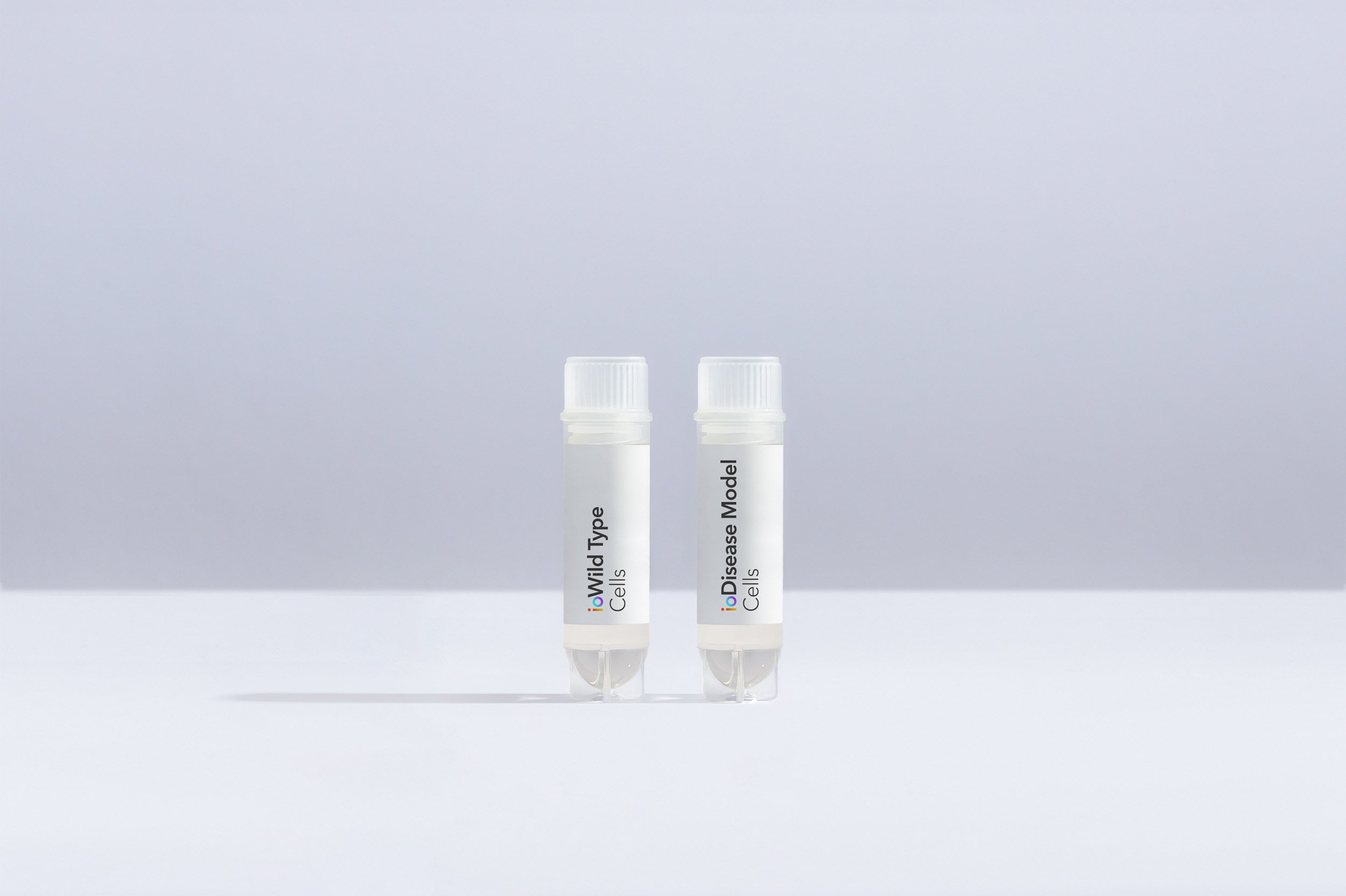
Wild type and isogenic disease model cells: A true comparison
Be confident in your data by pairing ioDisease Model Cells with the genetically matched ioWild Type control.
The right human model
Are you seeking to solve the paucity of successful treatments for neurodegenerative disease? Learn how ioDisease Model Cells are being used as a physiologically-relevant CNS model for drug discovery that will reproducibly scale to high-throughput screens.
“Ultimately, we hope our ioDisease Model Cells will help provide more effective therapies for neurodegenerative diseases such as Huntington’s disease. I believe that it is crucial to use the right human model to successfully translate research into the clinic and help patients”
Tony Oosterveen PhD
bit.bio
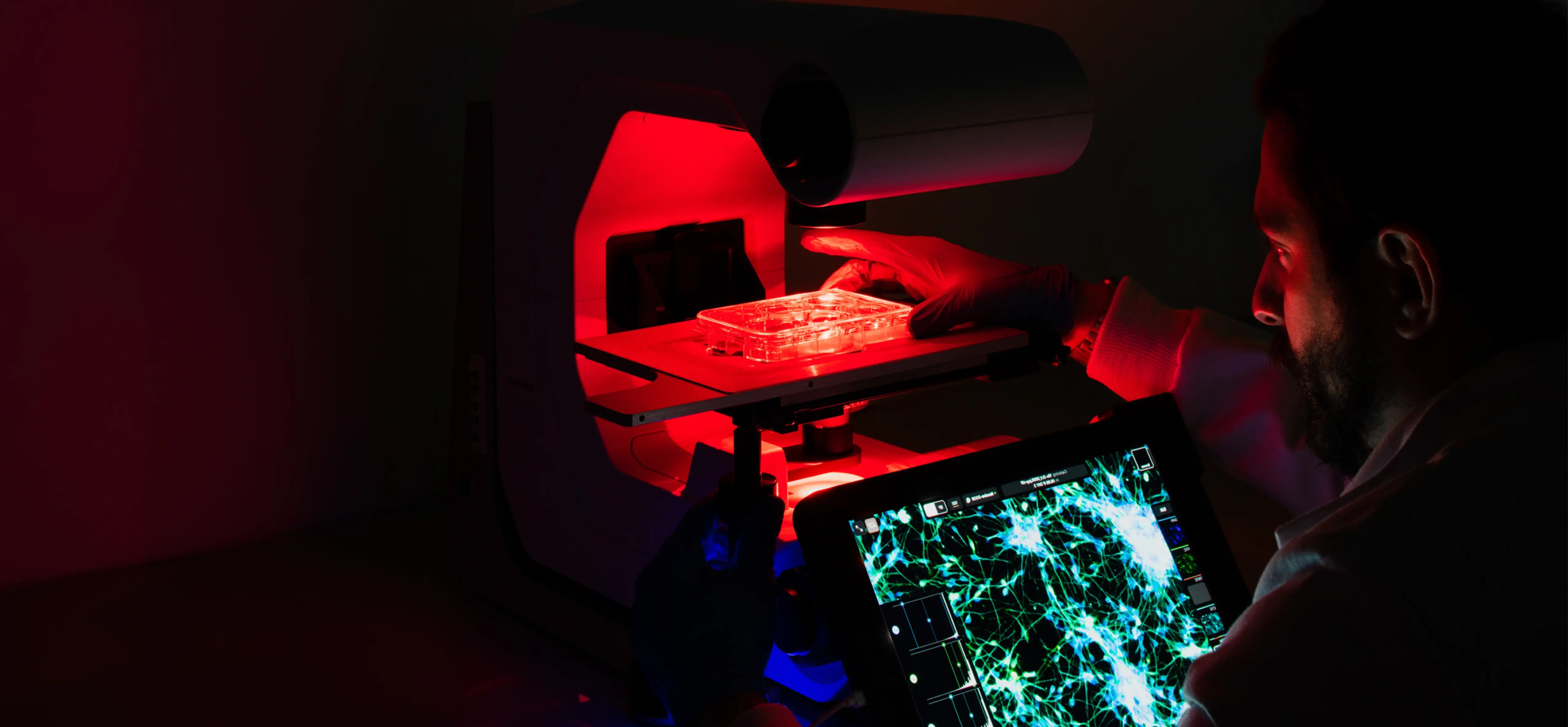
A next-generation approach to study Huntington’s disease
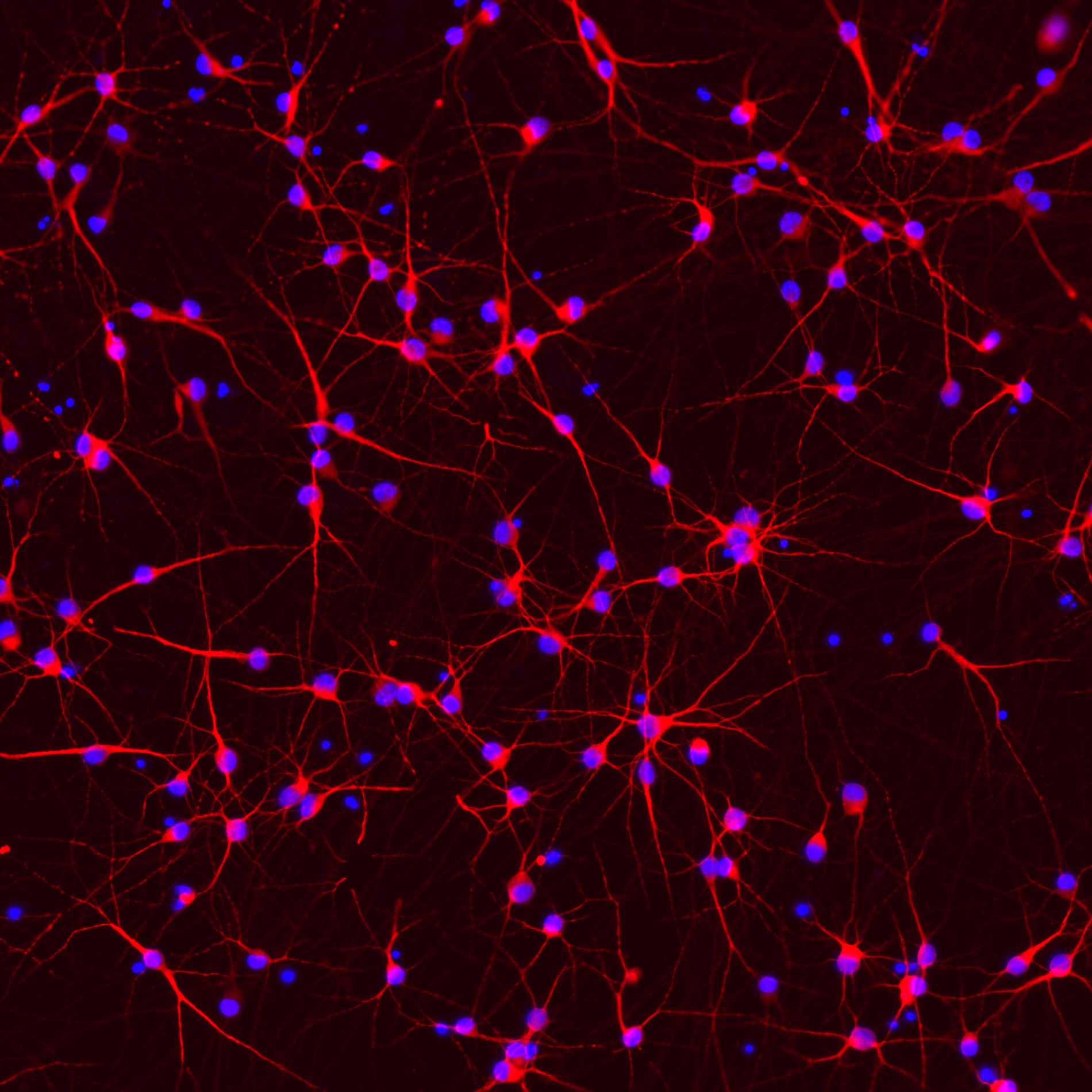
Learn about the benchtop benefits and applications of our latest disease model for Huntington’s disease, ioGlutamatergic Neurons HTT 50CAG/WT.
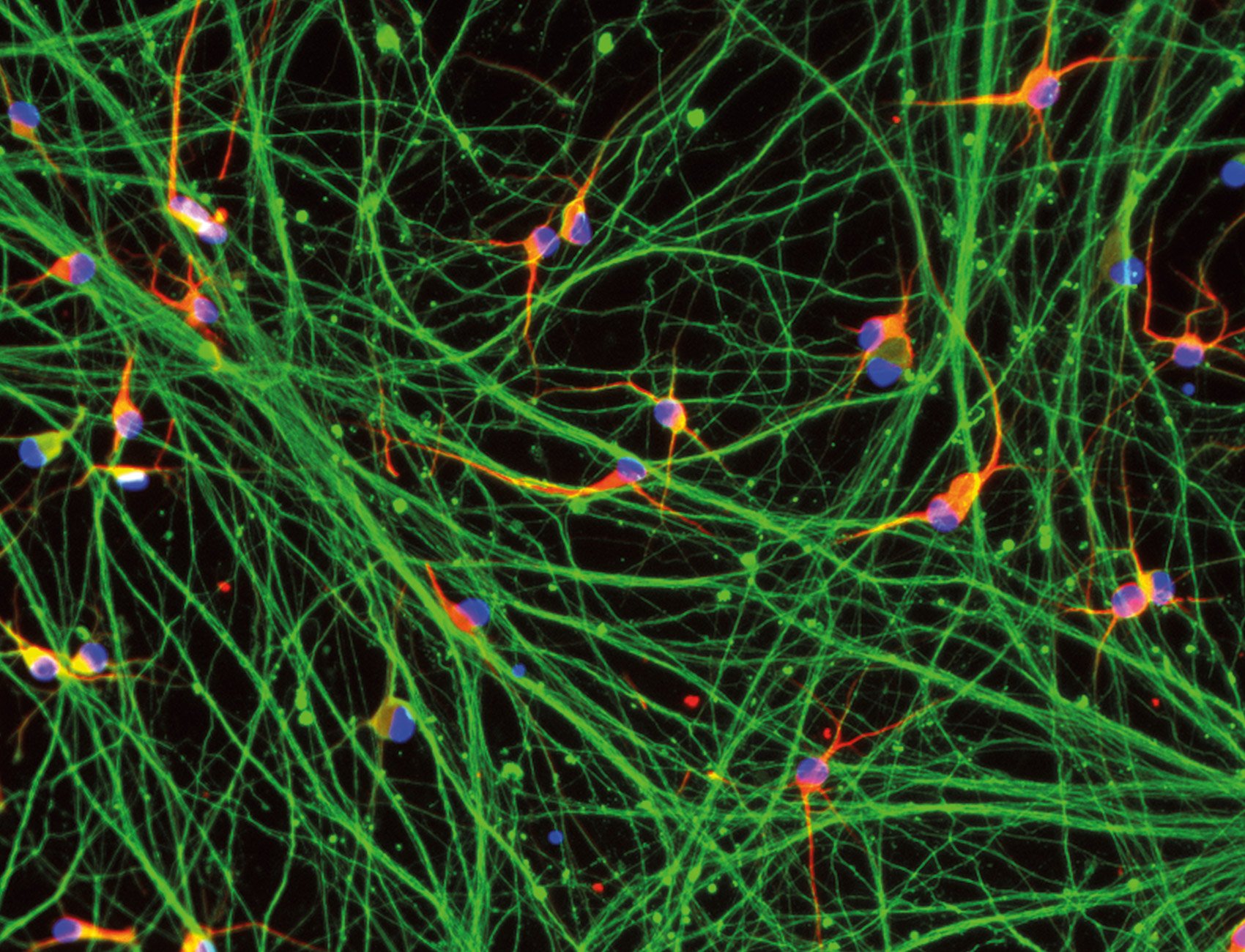
Addressing current challenges of in vitro cell models
Discover how experts from across academia and industry are approaching the challenges of accuracy and reproducibility of in vitro cell models as well as potential solutions.
“For translational applications, it’s important to identify a model that is relevant, which is mirroring the human disease”
Davide Danovi PhD
King’s College London
Don’t see what you’re looking for?
Partner with us to generate custom ioDisease Model Cells. Access our platform to generate custom disease model cells to answer your drug discovery and disease research questions.