Functional, consistent in vitro models to study hepatotoxicity, drug metabolism and disease
Powered by opti-ox™
Powered by opti-ox™
Hepatocytes account for over 80% of the liver's mass and are responsible for its main functions, including lipid and glucose metabolism, storage of macronutrients, secretion of plasma proteins, detoxification and xenobiotic metabolism. Given their extensive biological role, hepatocytes are a critical cell type for both toxicology research and studying debilitating genetic and life-threatening diseases, such as alpha-1-antitrypsin deficiency and MAFLD.
Often described as the gold standard, primary human hepatocytes (PHHs), are sourced from donated human liver tissue, either non-transplantable donor organs or surgically resected material which can introduce substantial donor-to-donor variability and limit batch sizes. The donated tissue may be steatotic, ischemic, or diseased, all of which can compromise metabolic functionality in vitro, consequently PHHs may not fully reflect a healthy human liver population. Furthermore, any metabolic functionality remaining, for example cytochrome P450 (CYP450), is rapidly lost within a few days of culture.
As an alternative, scientists often use immortalised carcinoma cell lines (e.g. HepaRG or HepG2), which are available at scale and easy to maintain for prolonged culture times, but are prone to genetic drift and possess limited metabolic activity.
To overcome these limitations, ioHepatocytes provide a rapidly maturing, highly consistent, and scalable source of physiologically-relevant human iPSC-derived hepatocytes, powered by opti-ox deterministic cell programming. ioHepatocytes maintain metabolic function for over 17 days in 2D monolayer culture and express key Phase I, II, and III drug metabolism genes alongside functional CYP enzymes (including CYP3A and CYP2B6). When challenged with known hepatotoxins, ioHepatocytes successfully mirror the drug-induced liver injury (DILI) response of primary human hepatocytes. By combining this predictive accuracy with availability at scale, they offer an optimised cell model for hepatotoxicity screening, drug metabolism studies, and disease modelling.
ioHepatocytes rapidly acquire a homogenous hepatocyte phenotype upon thawing. This consistent and rapid maturation provides scientists with the confidence in the reproducible generation of functional cultures.
While immortalised cell lines (e.g. HepG2 or HepaRG) display abnormal karyotypes and low metabolic activity, primary human hepatocytes (PHHs) suffer from donor-to-donor variability and lose functionality within days in 2D cultures; ioHepatocytes are a consistent, functional source of human iPSC-derived hepatocytes stable for a longer experimental window.
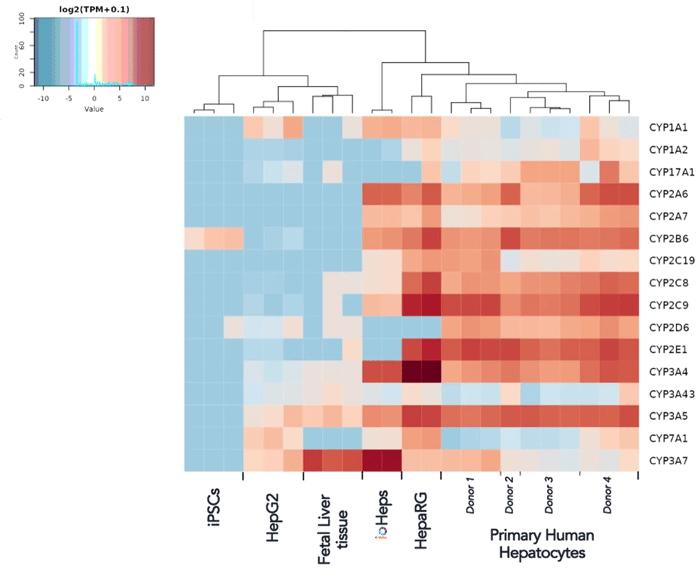
Transcriptome analysis of bulk RNA-sequencing data of ioHepatocytes reveals high lot-to-lot consistency and a gene expression signature highly similar to PHHs. Unlike heterogeneous populations generated by directed differentiation protocols, ioHepatocytes express mature pan-hepatocyte markers associated with hepatocyte identity and metabolic pathways, including Albumin (ALB), Hepatocyte Nuclear Factor 4 Alpha (HNF4α), ASGR1, and SERPINA1.
By integrating physiologically relevant, human iPSC-derived ioHepatocytes into their workflows, scientists can identify drug toxicity much earlier in the preclinical pipeline. This early insight helps de-risk drug discovery programs and significantly reduces the likelihood of costly, late-stage candidate failures.
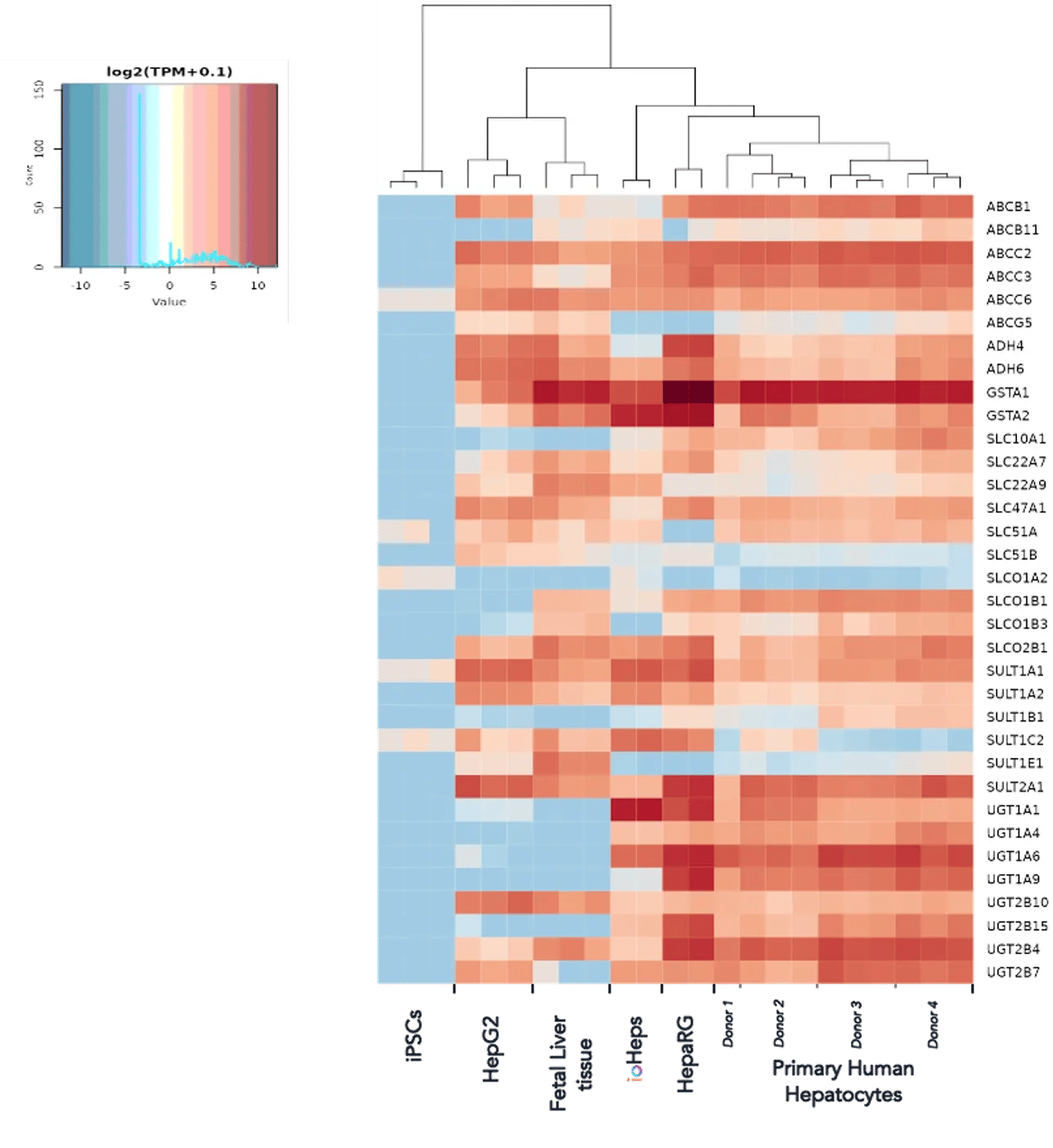
ioHepatocytes have a high similarity in expression profile with primary human hepatocytes. Specifically, ioHepatocytes cluster closely with PHH and HepaRG and separately from the more immature HepG2 and fetal liver tissue. Importantly, ioHepatocytes express the key enzymes CYP3A4, CYP2B6, CYP2C9, GSTA1/2 and UGT1A1, ABCB11 and ABCC2.
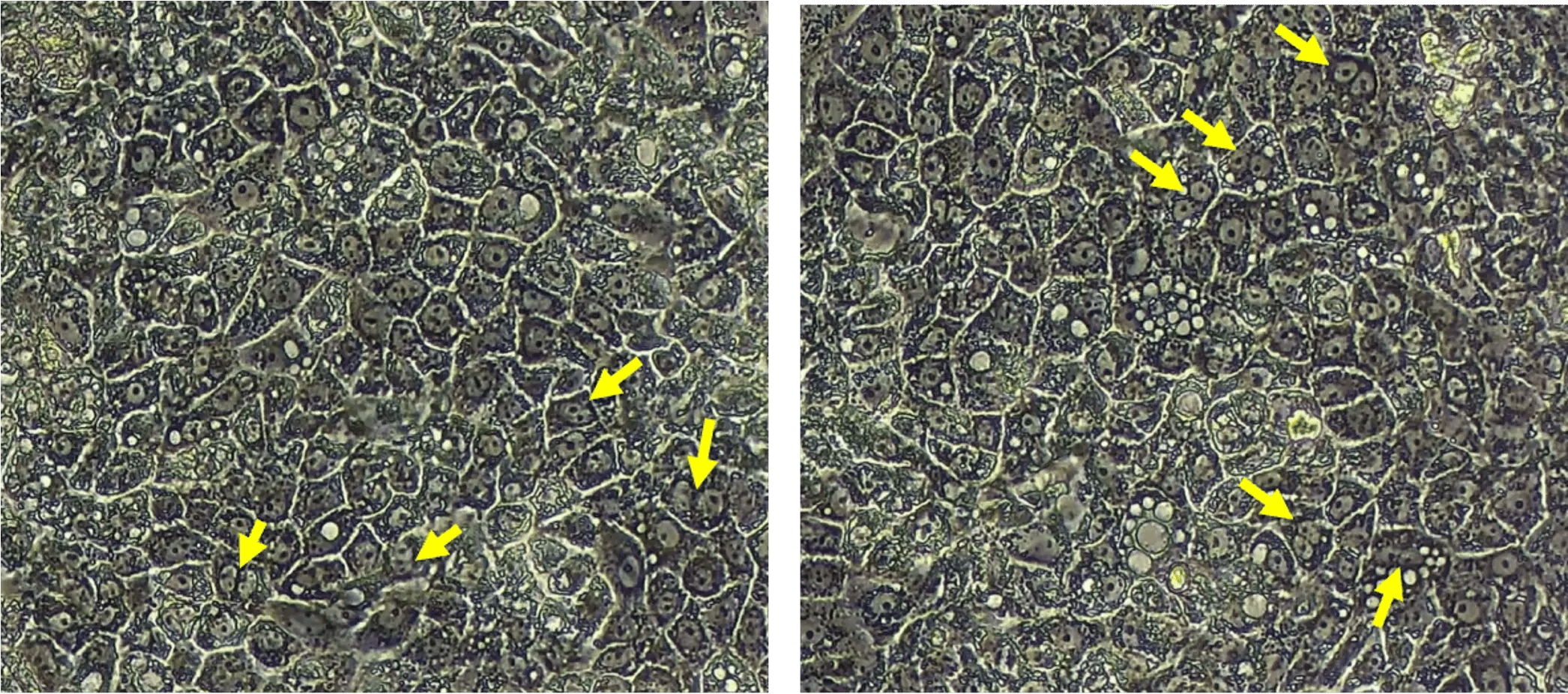
In addition to displaying a classic cobblestone morphology, prominent nuclei, and expressing core hepatocyte markers from day 4, ioHepatocytes recapitulate key functionality of mature human hepatocytes.
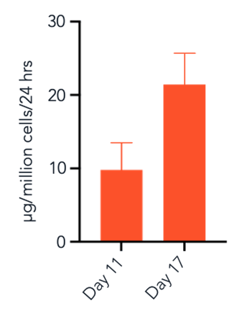
As the cells mature in culture, they exhibit increasing metabolic competency, demonstrated by robust and sustained albumin secretion. By successfully mirroring human biological responses, such as lipid accumulation and storage of glycogen ioHepatocytes provide a human, physiologically-relevant tool for modelling complex metabolic syndromes, such as metabolic dysfunction-associated steatotic liver disease (MASLD), and metabolic profiling.
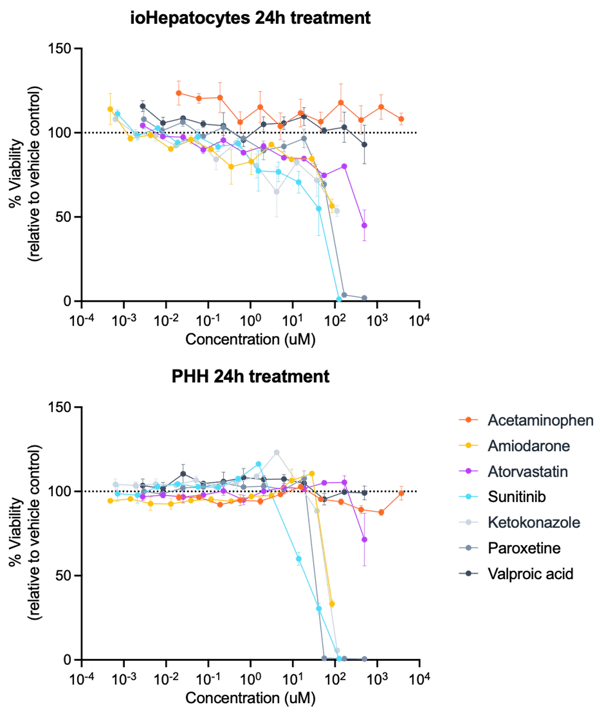
When challenged with compounds known to cause drug-induced liver injury (DILI), the ioHepatocytes demonstrate a cytotoxic response similar to primary human hepatocytes (PHHs). Data shows similar cytotoxic response in both cell types except for Atorvastatin, which shows higher cytotoxicity in ioHepatocytes. Please note that Atorvastatin is known to be cytotoxic in 3D models of hepatocytes but not 2D models (Proctor et al. 2017), suggesting ioHepatocytes are better suited to model cytotoxic response to this drug.
This validation data confirms their suitability as a predictive human model for assessing drug toxicity in vitro and de-risking compounds early in the development pipeline.
Stuart Rushworth
Scientific Group Leader, Molecular Haematology | University of East Anglia
bit.bio
Harris-Brown et al.
bit.bio
2026
Dr Gianmarco Mastrogiovanni | Principal Scientist - Cell Type Development | bit.bio
Human Cell Forum 2025
Session 2 | bit.bio insider: Tools, tips, and what’s coming next
Hepatocytes are the primary parenchymal cells of the liver, accounting for 80% of the liver's mass. They are responsible for essential metabolic functions, including lipid and glucose metabolism, storage of macronutrients, secretion of plasma proteins, detoxification and xenobiotic metabolism.
Immortalised cell lines such as HepG2, often derived from hepatocellular carcinomas, exhibit abnormal karyotypes and have limited metabolic activity. ioHepatocytes overcome these limitations by providing a physiologically relevant model that expresses mature markers and displays robust functional activity. Transcriptomic analysis shows that ioHepatocytes cluster more closely with primary human hepatocytes (PHHs) than with common carcinoma cell lines.
Traditional differentiation protocols from iPSCs into hepatocytes are complex and lengthy (>30 days), frequently yielding a highly heterogeneous, immature "foetal-like" cell population. Powered by opti-ox technology, ioHepatocytes are deterministically programmed, resulting in rapid maturation, defined populations, and lot-to-lot consistency.
Unlike primary human hepatocytes (PHHs) that rapidly de-differentiate and lose Cytochrome P450 activity within a few days when in 2D culture, ioHepatocytes provide consistent functionality over 17 days. This extended experimental window enables scientists to study chronic drug exposure and include later time points in toxicity and metabolic assays.
ioHepatocytes are compatible with a wide array of standard toxicological and metabolic assays. The cells have been validated for measuring robust albumin secretion and evaluating functional Cytochrome P450 enzyme activity.
Ewart, Lorna, et al. "Performance assessment and economic analysis of a human Liver-Chip for predictive toxicology" Communication Medicine, 154, 2022, doi.org/10.1038/s43856-022-00209-1
Soldatow, Valerie, et al. "In vitro models for liver toxicity testing." Toxicol Res (Camb), 2(1):23–39, 2012, doi: 10.1039/C2TX20051A