Human iPSC-derived
skeletal muscle cells

Access a toolkit of in vitro models to study neuromuscular disorders

Powered by opti-ox 


Skeletal muscle cells play a number of roles in biological processes, ranging from limb movement to the regulation of nutritional homeostasis. Consequently, dysfunction of skeletal myocytes is implicated in the pathophysiology of a variety of diseases, such as muscular dystrophies and neuromuscular disorders.

Current research relies on primary cells and immortalised lines, which are hindered by high lot-to-lot variability and genetic drift. Thus, there is a pressing need for reliable models of human skeletal muscle cells to allow the study of physiological and disease mechanisms, and to facilitate the generation of new therapeutics.

ioSkeletal Myocytes provide a consistent, highly defined and functional source of human iPSC-derived muscle cells to address this need. Powered by opti-ox technology, these cells are delivered cryopreserved and mature rapidly, forming striated, multinucleated, and functional myocytes in both 2D and 3D cultures within days from thawing.

Learn more about ioSkeletal Myocytes and explore the data

Learn more about ioSkeletal Myocytes and explore the data

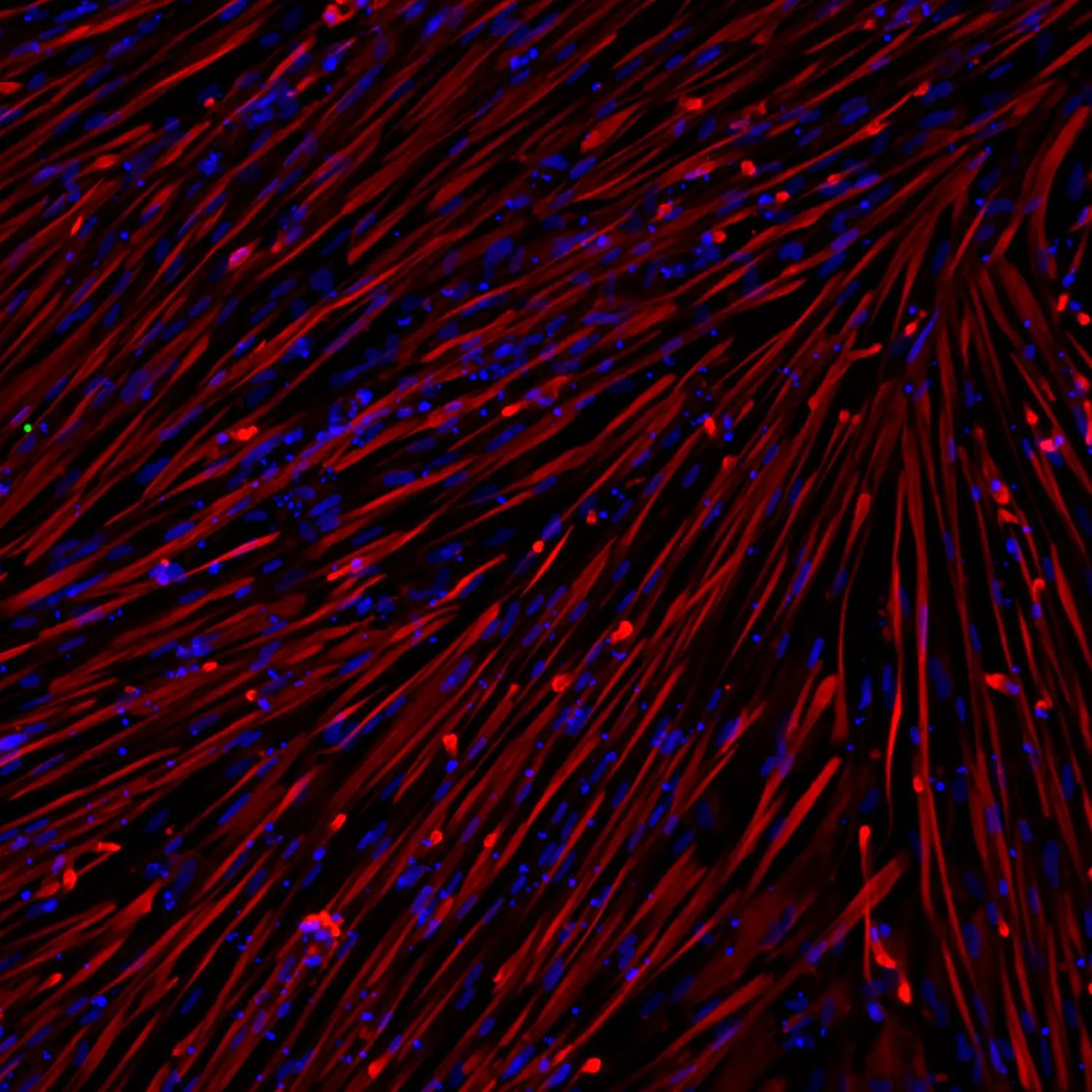
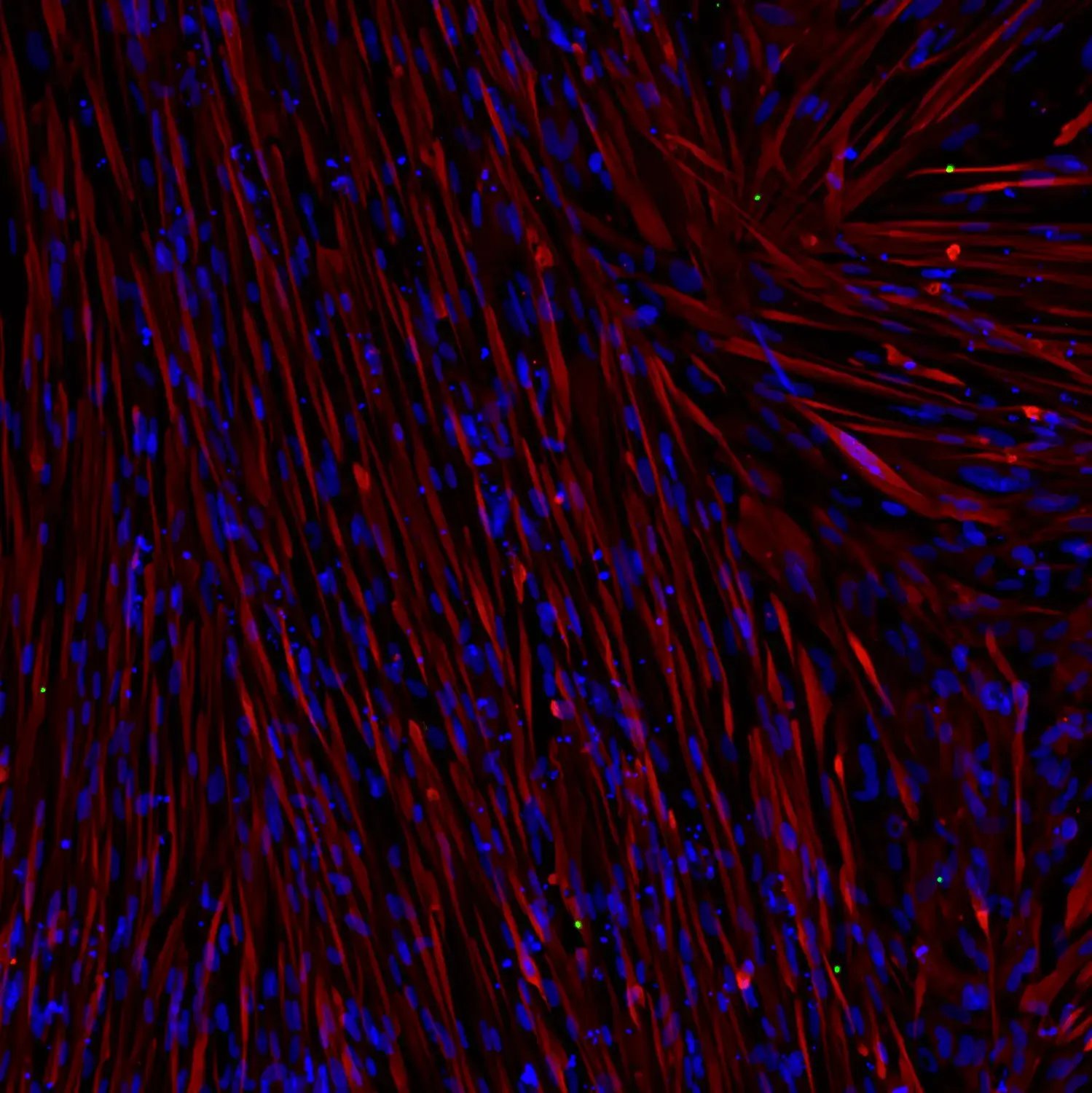
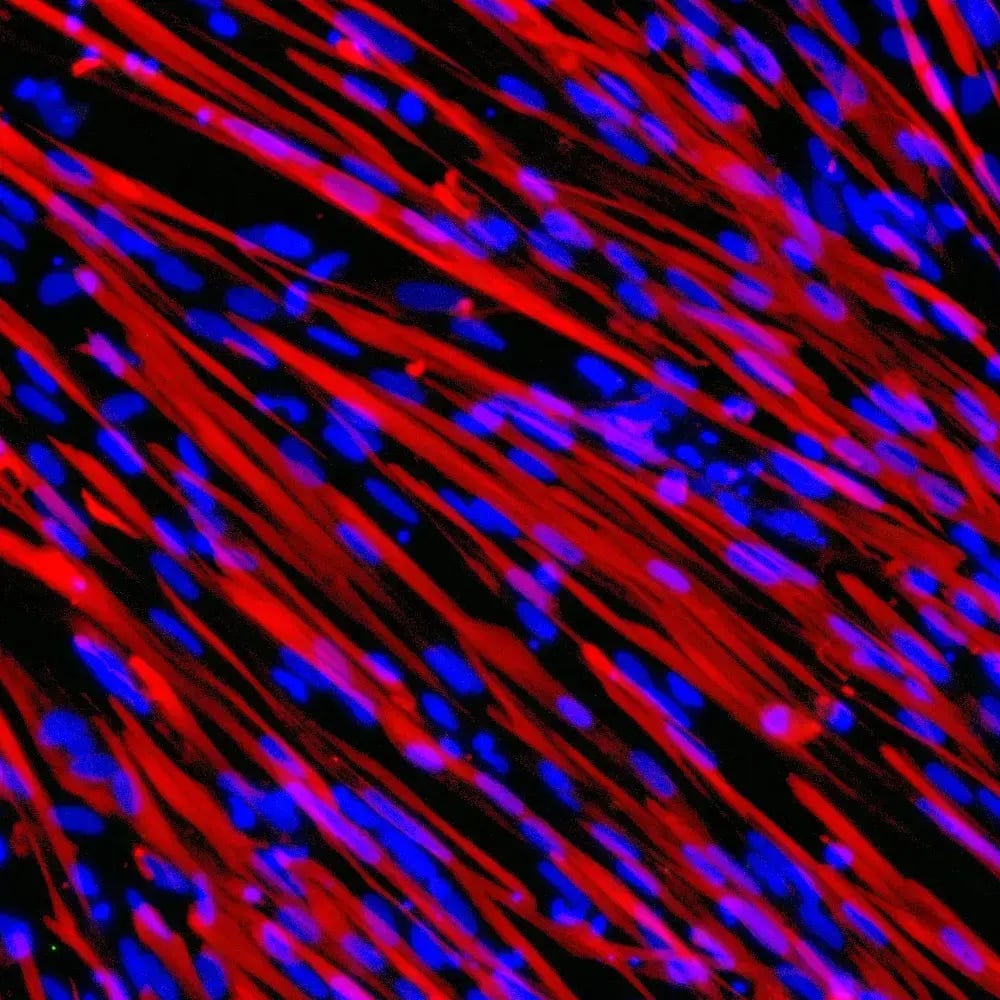
ioSkeletal Myocytes rapidly acquire an elongated, striated phenotype 10 days post-thaw


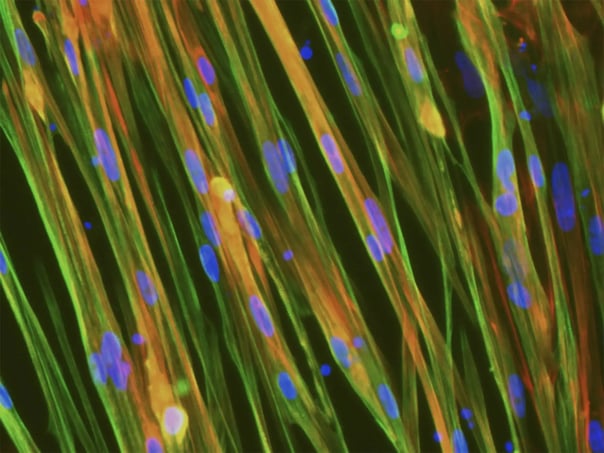
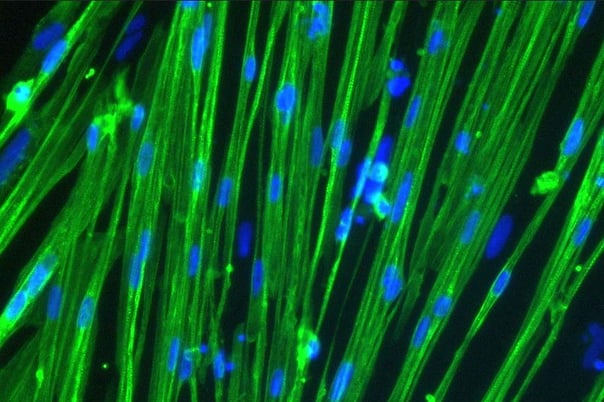
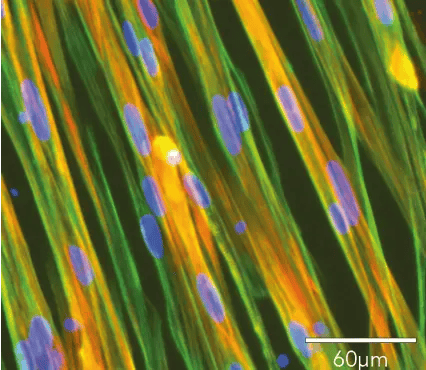
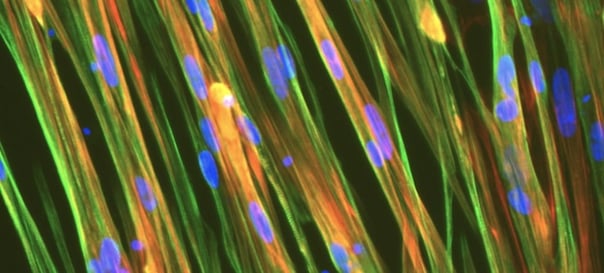
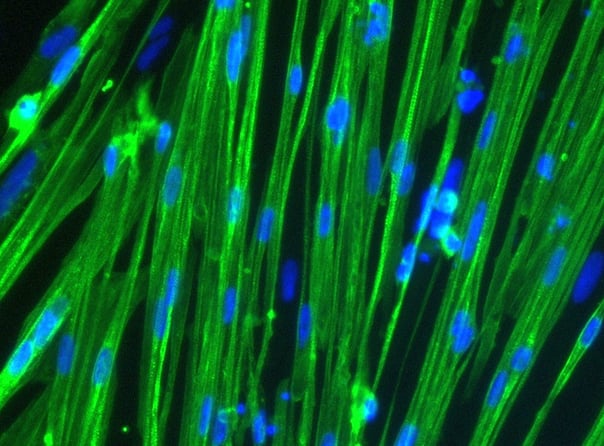
ioSkeletal Myocytes rapidly acquire a homogeneous phenotype upon thawing, as captured in this 10-day time course. Powered by opti-ox technology, these cells consistently convert into elongated, multinucleated skeletal muscle cells expressing key myofilament proteins such as desmin and myosin heavy chain. Delivered cryopreserved, they provide a highly defined human model that is ready for physiological assays in just days.

ioSkeletal Myocytes display spontaneous, synchronised calcium waves


Calcium imaging at day 10 post-thaw reveals the functional connectivity of ioSkeletal Myocytes. Following Fluo4-AM loading, the cells display robust spontaneous activity, with signal intensity reflecting intracellular Ca2+ flux. The video highlights the synchronised propagation of calcium waves across the monolayer, demonstrating the formation of a mature, physiologically relevant contractile network in a standard 2D format.
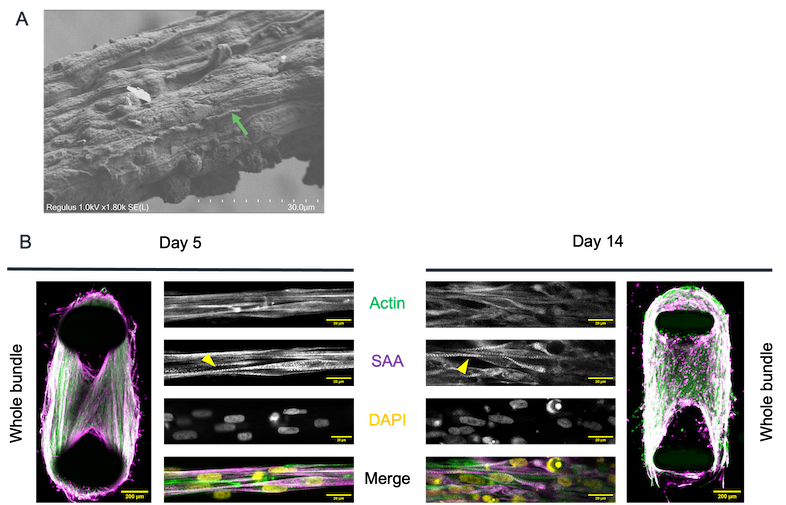
ioSkeletal Myocytes form mature, striated 3D muscle microtissues

bit.bio skeletal myocytes form 3D muscle cell bundles EMT


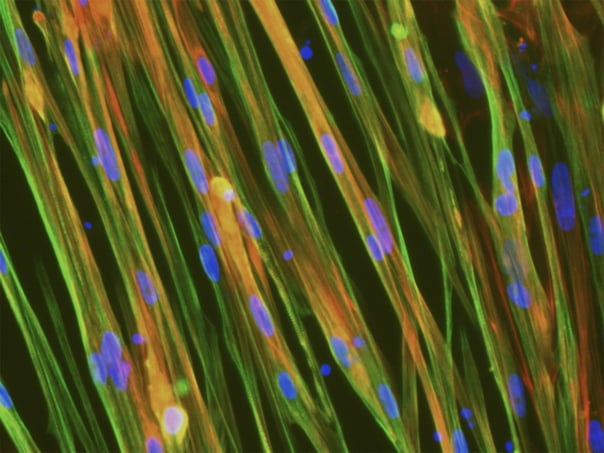
Cultured on the MUSbit platform (Bi/ond), ioSkeletal Myocytes self-organise into anchored 3D muscle bundles, as visualised by SEM at day 14 (A). Immunostaining reveals the progressive development of structural maturity over the culture period. By day 14, cells express key contractile markers, with high-magnification imaging displaying clear sarcomeric alpha-actinin cross-striations (B, yellow arrows), confirming the formation of highly organised muscle fibers.
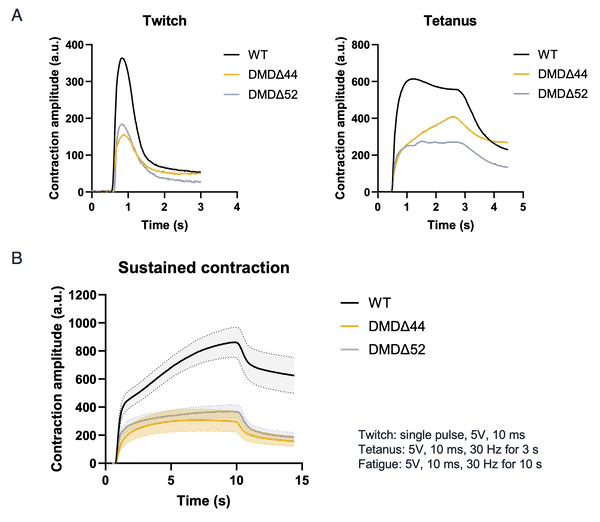
3D DMD disease model muscle microtissues display reduced contractile force

Reduced contraction in 3D cultured skeletal myocytes DMD deletion models


In a functional validation by Bi/ond Solutions, wild-type and DMD exon deletion ioSkeletal Myocytes were cultured as 3D microtissues on the MUSbit platform. Compared to isogenic controls at day 14, the disease models (exon 44 deletion and exon 52 deletion) exhibit distinct functional deficits. Quantification reveals weaker contraction upon twitch and tetanus stimuli (A) and increased fatigue under sustained stimulation (B), confirming the 3D model's ability to recapitulate dystrophin-related pathology.
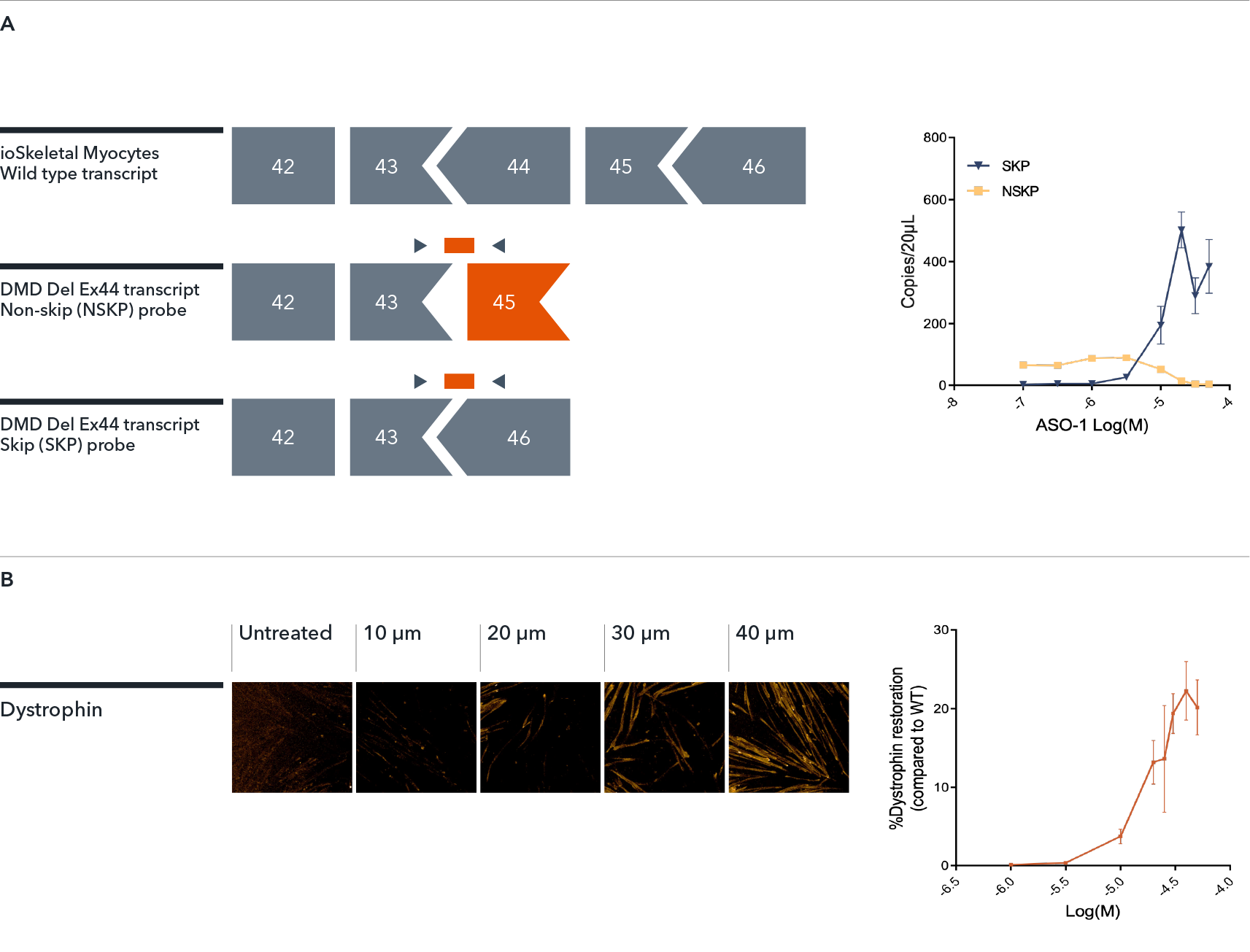
ASO-mediated exon skipping restores dystrophin expression in DMD Exon 44 Deletion model

CRL_ASO data figure NEW


ioSkeletal Myocytes DMD Exon 44 Deletion cells demonstrate robust responsiveness to exon-skipping therapy following ASO delivery by gymnosis. ddPCR analysis (A) confirms a concentration-dependent increase in the in-frame skipped transcript (blue) and a corresponding decrease in the non-skipped transcript (yellow). This transcriptional modification translates to protein rescue, with high-content imaging (B) revealing a dose-dependent restoration of dystrophin expression compared to wild-type controls. These data validate the model’s utility for screening genetic therapies.
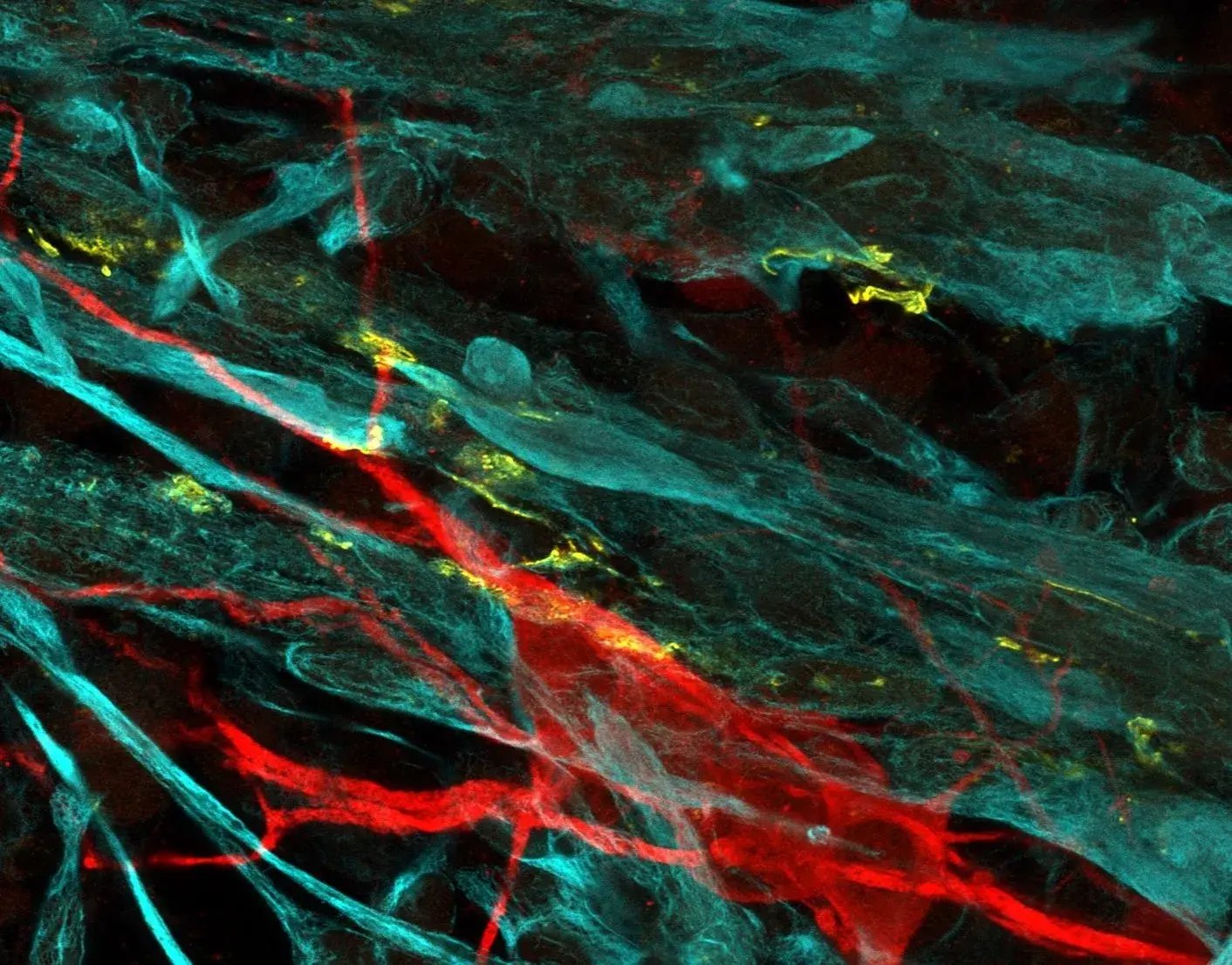
ioSkeletal Myocytes and ioMotor Neurons form a neuromuscular co-culture model

Human iPSC-derived skeletal myocytes and motor neurons in co-culture.


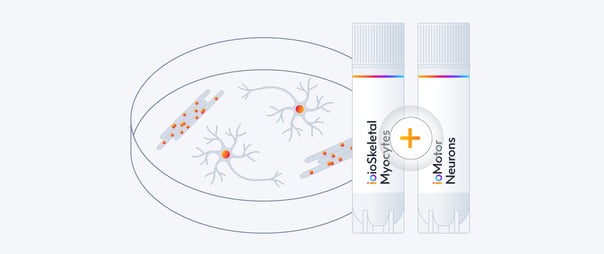
High-resolution confocal imaging validates the protocol for co-culturing ioSkeletal Myocytes with ioMotor Neurons. By day 30, the system displays distinct structural organisation, with MAP2-positive neurons (red) in the culture alongside Desmin-positive myocytes (cyan). The presence of acetylcholine receptors (yellow, alpha-bungarotoxin) confirms that this co-culture method supports the development of key neuromuscular features suitable for complex assay development.

Delivered cryopreserved, the cells are ready for experimentation within days post-thaw


In this video, our scientist takes you through the step-by-step process of how to thaw, seed and culture ioSkeletal Myocytes. 

 

What scientists say about ioSkeletal Myocytes

An image of Dr Shushant Jain

Dr Shushant Jain

Group Leader | In Vitro Biology | Charles River, 2021

“One of the biggest advantages of the ioSkeletal Myocytes is within the early drug discovery phase. You can very quickly screen a large number of molecules in a short amount of time with minimal variability and high reproducibility.”

An image of Amy Rochford

Amy Rochford

PhD Neural Engineering and Bioelectronics | Cambridge University
"The ioSkeletal Myocytes have a much shorter cell culture time compared to harvesting primary muscle cells, saving us months on cell culture work. Another advantage of these cells is their higher population purity compared to other stem cell derived cells. This enables us to achieve higher numbers of functional striated muscle that are capable of contracting under electrical stimulation. "

An image of Dr Michael Duchen

Dr Michael Duchen

Professor of Physiology | University College London
“We can now start asking questions that, ten years ago, we didn’t know how to answer,” Duchen reflects. “If you have a really good disease model, then the only limit is your imagination.”

Expand your research

Click on the icons to find out more

Co-culture-hiPSC-derived-skeletal-myocytes-and-motor-neurons
Study ALS in complex cultures
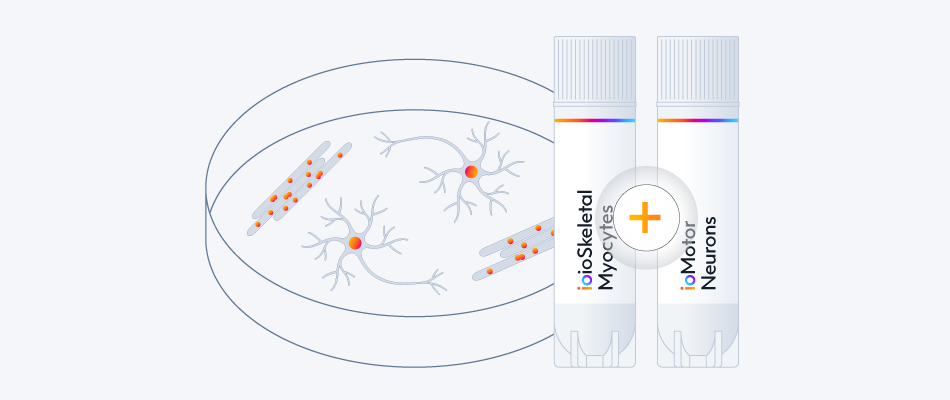
Co-culture motor neurons with skeletal myocytes to gain valuable insights into neuromuscular interactions
Expand your research
Study ALS in complex cultures
Co-culture motor neurons with skeletal myocytes to gain valuable insights into neuromuscular interactions
Co-culture-hiPSC-derived-skeletal-myocytes-and-motor-neurons

Study neuromuscular interactions and the impact of ALS-disease-related mutations by co-culturing skeletal myocytes and motor neurons. Access over 14 disease models and the single co-culture protocol.


View the co-culture protocol

Explore ALS & FTD Disease Models

Explore ioMotor Neurons
CRISPR-ready-hiPSC-derived-cells-for-functional-genomics
Simplify gene knockouts
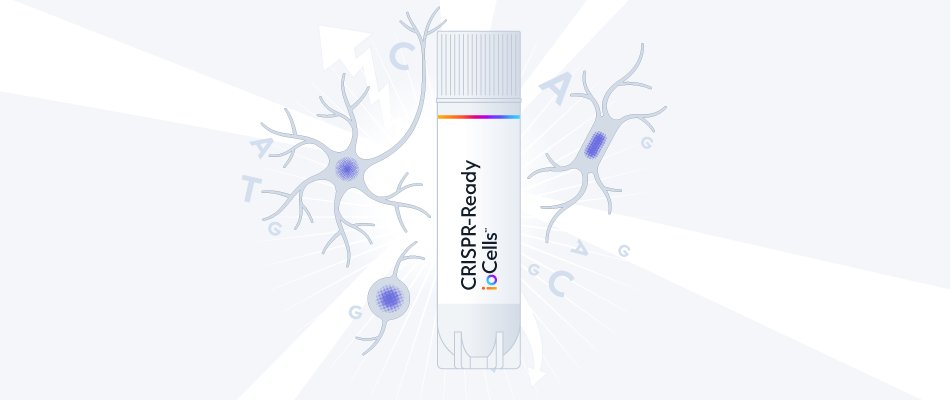
Use CRISPR-Ready ioCells to study your gene of interest
Expand your research
Simplify gene knockouts
Use CRISPR-Ready ioCells to study your gene of interest
CRISPR-ready-hiPSC-derived-cells-for-functional-genomics

Interested in gene knockouts and CRISPR screens? 

ioSkeletal Myocytes can be engineered to constitutively express Cas9 nuclease for the quick and easy generation of gene knockouts and CRISPR screens.

Learn about CRISPR screening services
Start the conversation today

Engineer-disease-mutation-hiPSC-derived-cells
Custom development of human skeletal muscle cells
Generate custom disease models or reporter lines
Expand your research
Custom development of human skeletal muscle cells
Generate custom disease models or reporter lines
Engineer-disease-mutation-hiPSC-derived-cells

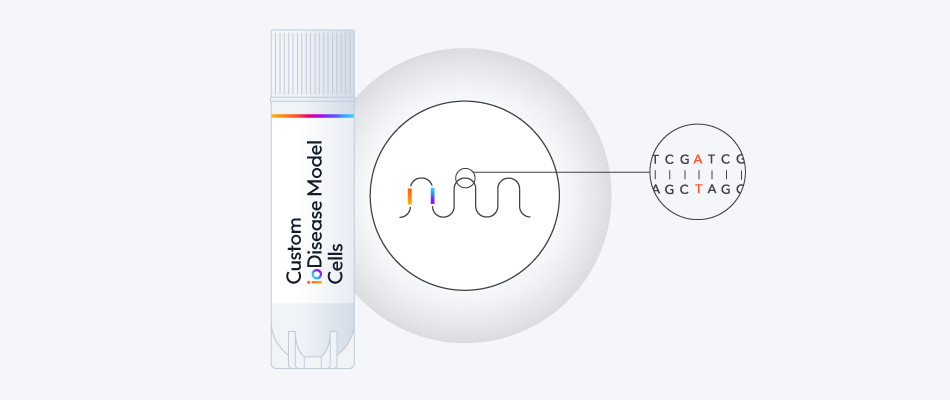
Build your custom disease model or reporter line to pair with wild-type ioSkeletal Myocytes as the genetically matched control.
Throughout the custom process, our experts will bring your project to life, and be on hand to support you with any technical queries.

Start the conversation today

Transcription-factor-based-cell-programming-any-hiPSC-derived-cell
Study complex models
Request your cell types of interest to optimise your in vitro models
Expand your research
Study complex models
Request your cell types of interest to optimise your in vitro models
Transcription-factor-based-cell-programming-any-hiPSC-derived-cell

Interested in a new cell type?

Using opti-ox, bit.bio's scientists program iPSCs into defined identities. The result is a highly characterised, consistent model that offers reliability for research and drug discovery.
Start the conversation today

Start effortlessly with our library of protocols

ioSkeletal Myocytes and disease models user manual | bit.bio User manual
ioSkeletal Myocytes and disease models user manual | bit.bio

DOC-2849 3.0
bit.bio
2025

Download
How to culture ioSkeletal Myocytes Video tutorial
How to culture ioSkeletal Myocytes
Prachi Bhagwatwar​​​​ | ​Research Assistant | bit.bio
Watch now
mRNA transfection of ioSkeletal Myocytes | bit.bio Protocol
mRNA transfection of ioSkeletal Myocytes | bit.bio
Download protocol
Co-culturing ioSkeletal Myocytes and ioMotor Neurons | bit.bio Protocol
Co-culturing ioSkeletal Myocytes and ioMotor Neurons | bit.bio
Download protocol

Product resources

ioSkeletal Myocytes Brochure
ioSkeletal Myocytes

bit.bio

Download
Stimulating 3D Skeletal Muscle Microtissues in a Novel Perfusable Microphysiological System with Integrated Electrodes Poster
Stimulating 3D Skeletal Muscle Microtissues in a Novel Perfusable Microphysiological System with Integrated Electrodes

Dr Mitchell Han

Bi/ond

2023

View poster
Generation of human iPSC-derived Duchenne muscular dystrophy skeletal myocytes suitable for 3D functional studies and investigating methods for dystrophin restoration Poster
Generation of human iPSC-derived Duchenne muscular dystrophy skeletal myocytes suitable for 3D functional studies and investigating methods for dystrophin restoration

Bernard, et al

bit.bio

2024

View poster
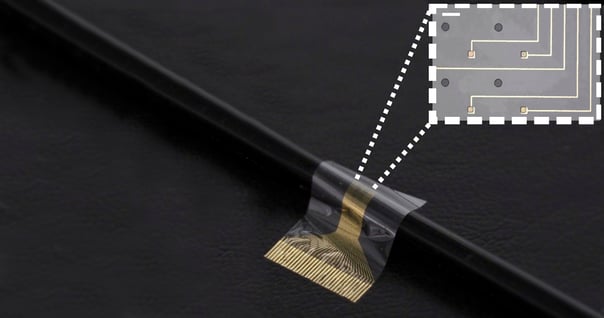
Functional neurological restoration of amputated peripheral nerve using biohybrid regenerative bioelectronics Publication
Functional neurological restoration of amputated peripheral nerve using biohybrid regenerative bioelectronics

Rochford and Carnicer-Lombarte et al.

Science Advances

2023

Featuring opti-ox enabled skeletal myocytes iPS cell line

Read more
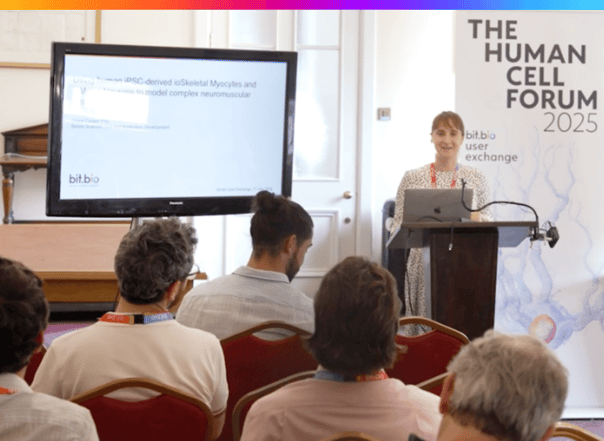
Using human iPSC-derived ioSkeletal Myocytes and ioMotor Neurons to model complex neuromuscular systems in vitro Talk
Using human iPSC-derived ioSkeletal Myocytes and ioMotor Neurons to model complex neuromuscular systems in vitro

Dr Grace Cooper | Senior Scientist | bit.bio


Human Cell Forum 2025
Session 1 Track 2 | From cells to systems: Building human iPSC-derived models of pain, neuromuscular junctions, and glial dynamics

Watch now
Toward clinical trial in a dish: harnessing iPSC models in drug discovery Talk
Toward clinical trial in a dish: harnessing iPSC models in drug discovery

Dr Sara Martin | Scientist | Axxam


Human Cell Forum 2025 
Session 3 | Making complex human biology compatible with modern drug discovery workflows

Watch now
Introducing ioSkeletal Myocytes | Developing the next generation of human muscle cells Video
Introducing ioSkeletal Myocytes | Developing the next generation of human muscle cells

Dr Will Bernard | Director of Cell Type Development | bit.bio

Watch
Advances in cellular reprogramming: from stem cells to printed tissues | bit.bio Webinar
Advances in cellular reprogramming: from stem cells to printed tissues | bit.bio

Prof Hagan Bayley | University of Oxford
Dr Mark Kotter | Founder and CEO | bit.bio

Watch now
Research in Motion with ioSkeletal Myocytes | bit.bio Webinar
Research in Motion with ioSkeletal Myocytes | bit.bio

Dr Luke Flatt | Senior Scientist | Charles River Laboratories

Dr Will Bernard | Senior Scientist | bit.bio


Watch now
Advancements in 3D modeling: Building mature, functional 3D skeletal muscle microtissues in vitro | bit.bio Webinar
Advancements in 3D modeling: Building mature, functional 3D skeletal muscle microtissues in vitro | bit.bio

Dr Marieke Aarts | Principal Scientist | Bi/ond

Amanda Turner | Senior Product Manager | bit.bio

Watch now

Frequently Asked Questions (FAQs)

  • What is the physiological role of skeletal myocytes?

Skeletal myocytes are the primary contractile cells responsible for voluntary movement and metabolic regulation. Because dysfunction in these cells drives the pathology of neuromuscular disorders, such as Duchenne Muscular Dystrophy (DMD), accessing reliable human skeletal muscle cell models is essential for understanding disease mechanisms and developing therapies.


  • How do human iPSC-derived skeletal muscle cells address the limitations of primary cells and immortalised cell lines?

Human iPSC-derived skeletal muscle cells, specifically ioSkeletal Myocytes powered by opti-ox, overcome the lot-to-lot variability and genetic drift that often compromise research using primary or immortalised cell lines. By providing a consistent, defined, and scalable source of human myocytes, ioSkeletal Myocytes ensure experimental reproducibility in a physiologically relevant human model.


  • How quickly do ioSkeletal Myocytes acquire a physiologically-relevant phenotype?

ioSkeletal Myocytes rapidly differentiate into elongated, multinucleated myocytes within just 10 days post-thaw. In this short timeframe, they form a physiologically relevant network that expresses key contractile proteins, such as desmin and myosin heavy chain, and displays spontaneous, synchronised calcium waves.


  • How can these human iPSC-derived muscle cells model Duchenne Muscular Dystrophy (DMD)?

Human iPSC-derived skeletal muscle cells can be engineered with disease-specific mutations, such as exon 44 or 52 deletions, to create representative in vitro models of DMD. When cultured as 3D microtissues, these disease models exhibit distinct functional deficits, including reduced contractile force and increased fatigue compared to the genetically matched wild-type controls, validating their utility for disease profiling and drug screening.


  • What models support the study of neuromuscular interactions?

ioSkeletal Myocytes, human skeletal muscle cells, are fully compatible with co-culture workflows, specifically with motor neurons, enabling the mimicking of the neuromuscular unit in vitro. This approach supports the development of structural features such as acetylcholine receptors, allowing scientists to investigate the complex crosstalk between neurons and muscle cells implicated in neuromuscular diseases.