bit.bio partners with myriamed to expand cell portfolio with functional human cardiomyocytes, providing researchers access to advanced models for cardiovascular research.
23.09.2026

bit.bio partners with myriamed to expand cell portfolio with functional human cardiomyocytes, providing researchers access to advanced models for cardiovascular research.
23.09.2026 Published by bit.bio

bit.bio announces CRISPR screening service and appoints Chief Technology Officer to lead next phase of growth
bit.bio launches the ioScreens platform CRISPR screening service & appoints Sejla Salic-Hainzl as CTO.
The coded cells redefining research and drug discovery
Dr Emma Pepperell, CEO, bit.bio speaks with Silicon Republic about how bit.bio’s programmed human cells are advancing research and...
Interview with Lord David Prior on the future of healthcare and drug discovery
bit.bio Chairman Lord David Prior speaks with EMJ at the Human Cell Forum about the future of the NHS, cell therapies, and human-c...
bit.bio democratises access to human cell-based research with “affordable, easy-to-use” cell culture media kits
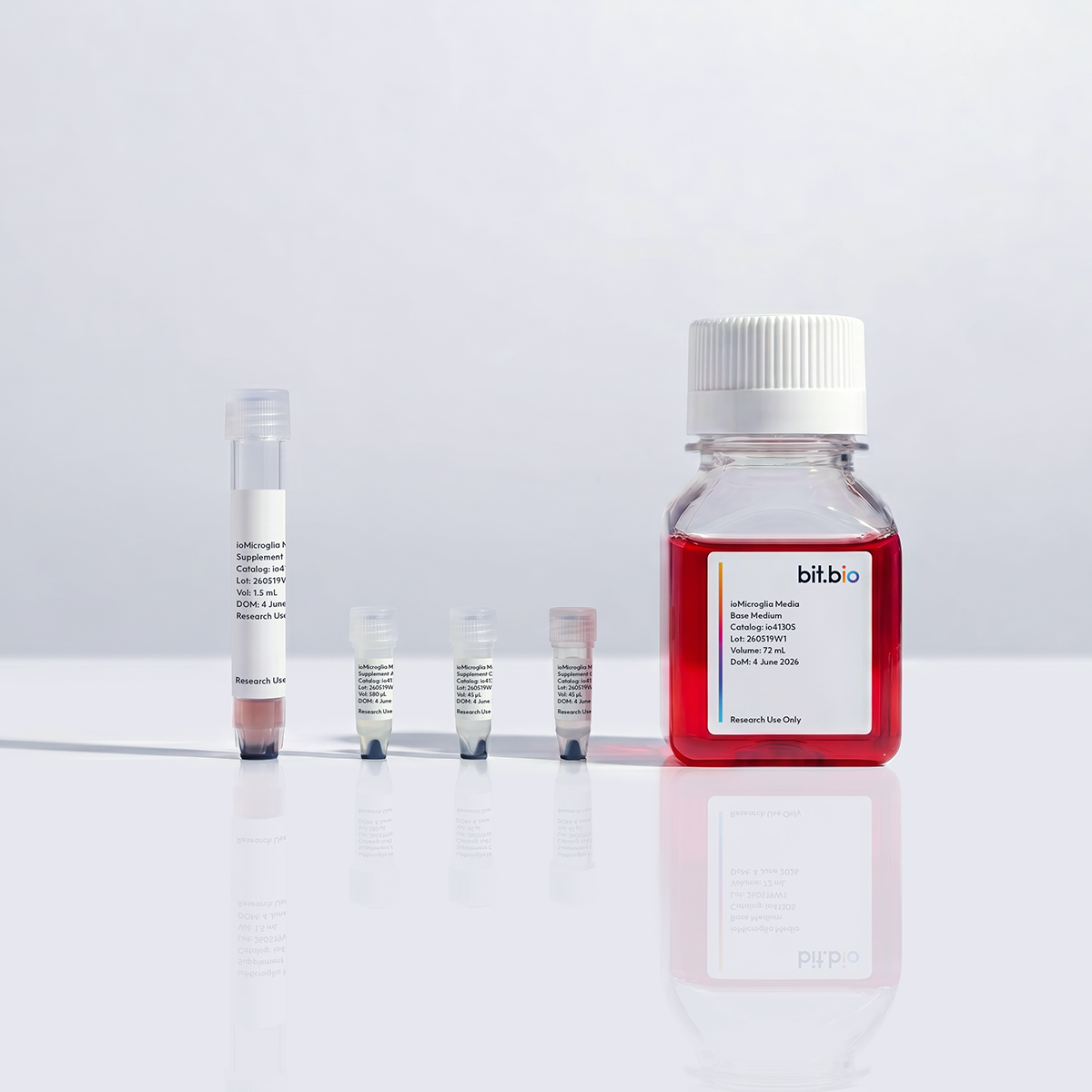
bit.bio launches new media kits for human iPSC-derived ioCells designed to make human cell-based research significantly more acces...
How are UK healthtech companies pushing for more reliable solutions in the industry?
bit.bio CEO Emma Pepperell joins TechRound to discuss why reliable healthcare must start with consistent, reproducible science in ...
bit.bio unveils ioHepatocytes to fuel liver safety testing for drugs by solving the challenge of human liver cell availability
New human iPSC-derived hepatocyte model engineered for predictive reproducibility, chronic toxicity studies, and enhanced clinical...
bit.bio appoints Dr Emma Pepperell as Chief Executive Officer
bit.bio sets out bold vision to power “radical change in drug discovery” at The Human Cell Forum 2026
bit.bio outlines a transformative vision for drug discovery at The Human Cell Forum, emphasising the need for human cell-based mod...