Human iPSC-derived
motor neurons

Access a toolkit of in vitro models to study mechanisms underlying motor neuron diseases

Powered by opti-ox 

Lower motor neurons are a diverse group of neuronal subtypes that regulate muscle and glandular activity. They form complex neural circuits by integrating inputs from interneurons, sensory neurons, and upper motor neurons to control behaviours such as locomotion. Disruption of these networks leads to motor neuron diseases (MNDs), including spinal muscular atrophy (SMA) and amyotrophic lateral sclerosis (ALS).

The underlying causes of MNDs are still not fully understood, so replicating the slow degeneration of motor neurons in vitro remains a challenge. Moreover, preclinical animal models often fail to capture human disease biology, while differentiating and culturing human iPSC-derived motor neurons is a complex process, and published protocols show cells clumping when cultured1-4. This excessive clumping impacts the quality of downstream assays. ioMotor Neurons provide scientists with a reliable, functional source of defined lower motor neurons, ensuring clump-free cultures and single-cell resolution.

Learn more about ioMotor Neurons and explore the data

Learn more about ioMotor Neurons and explore the data

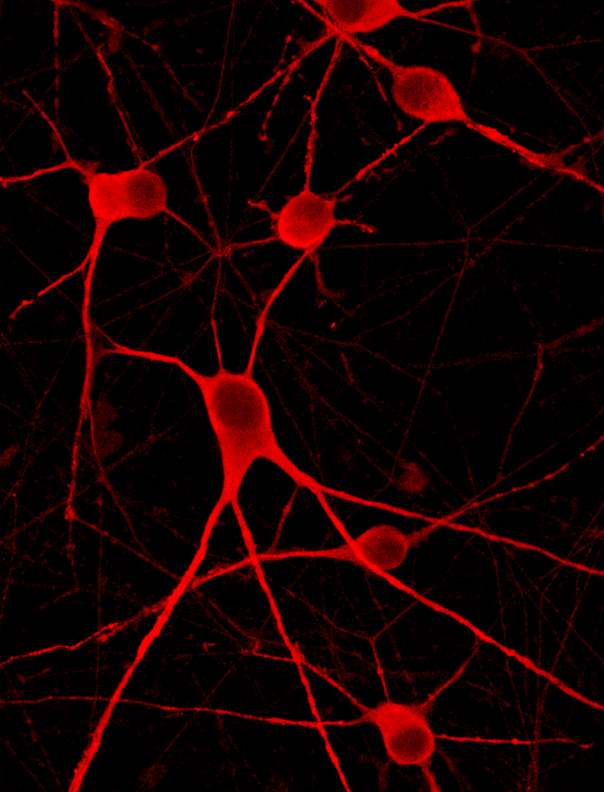
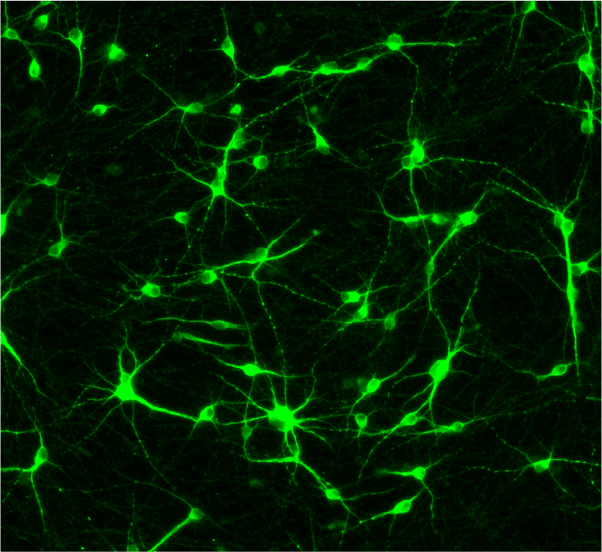
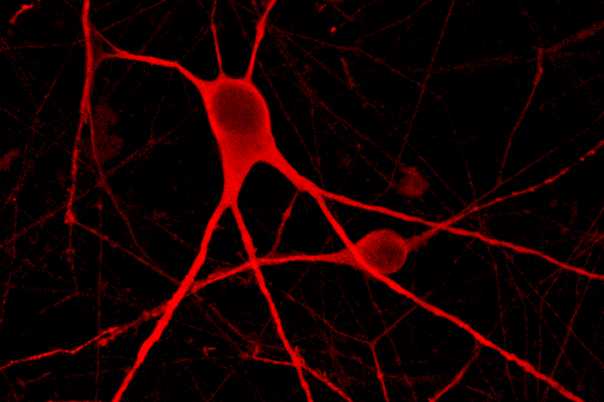
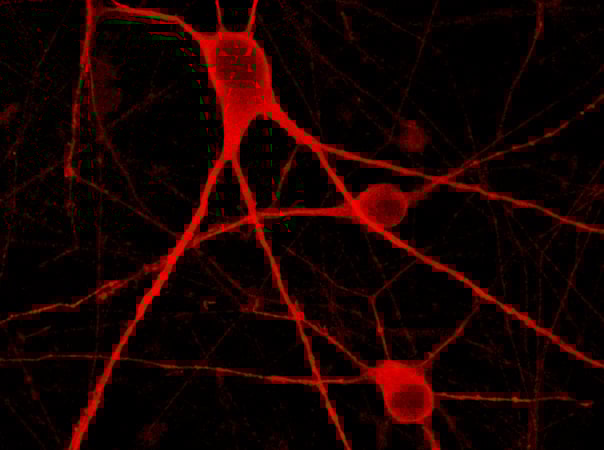
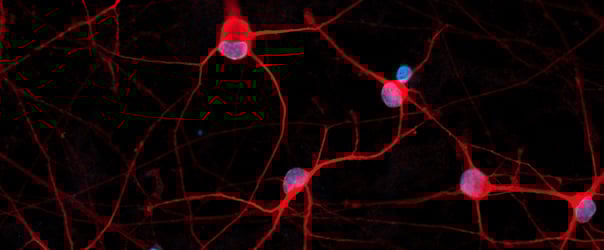
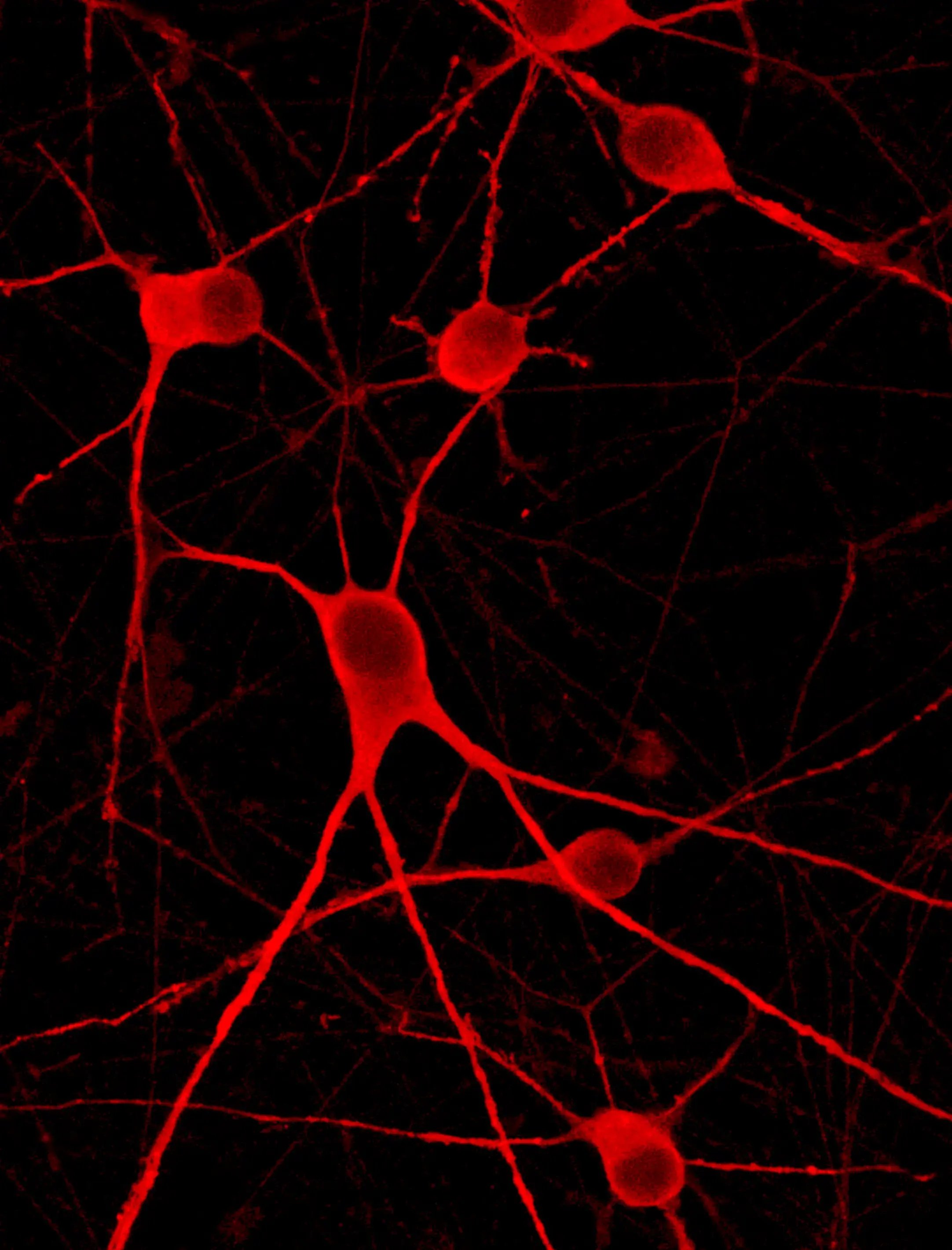
ioMotor Neurons acquire a rapid motor neuronal phenotype, without clumping, allowing single-cell resolution


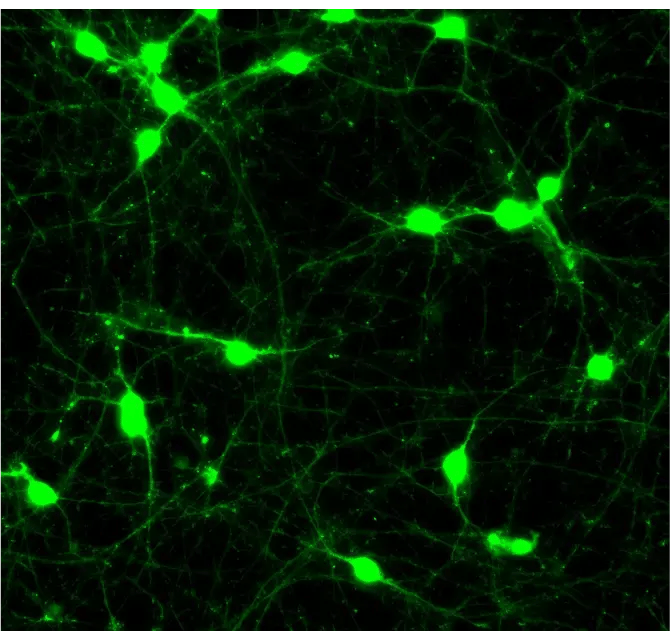
Traditional human iPSC-derived motor neurons that clump and aggregate make high-content imaging challenging. When cells pile up, signals are weaker and more cells are required per well.

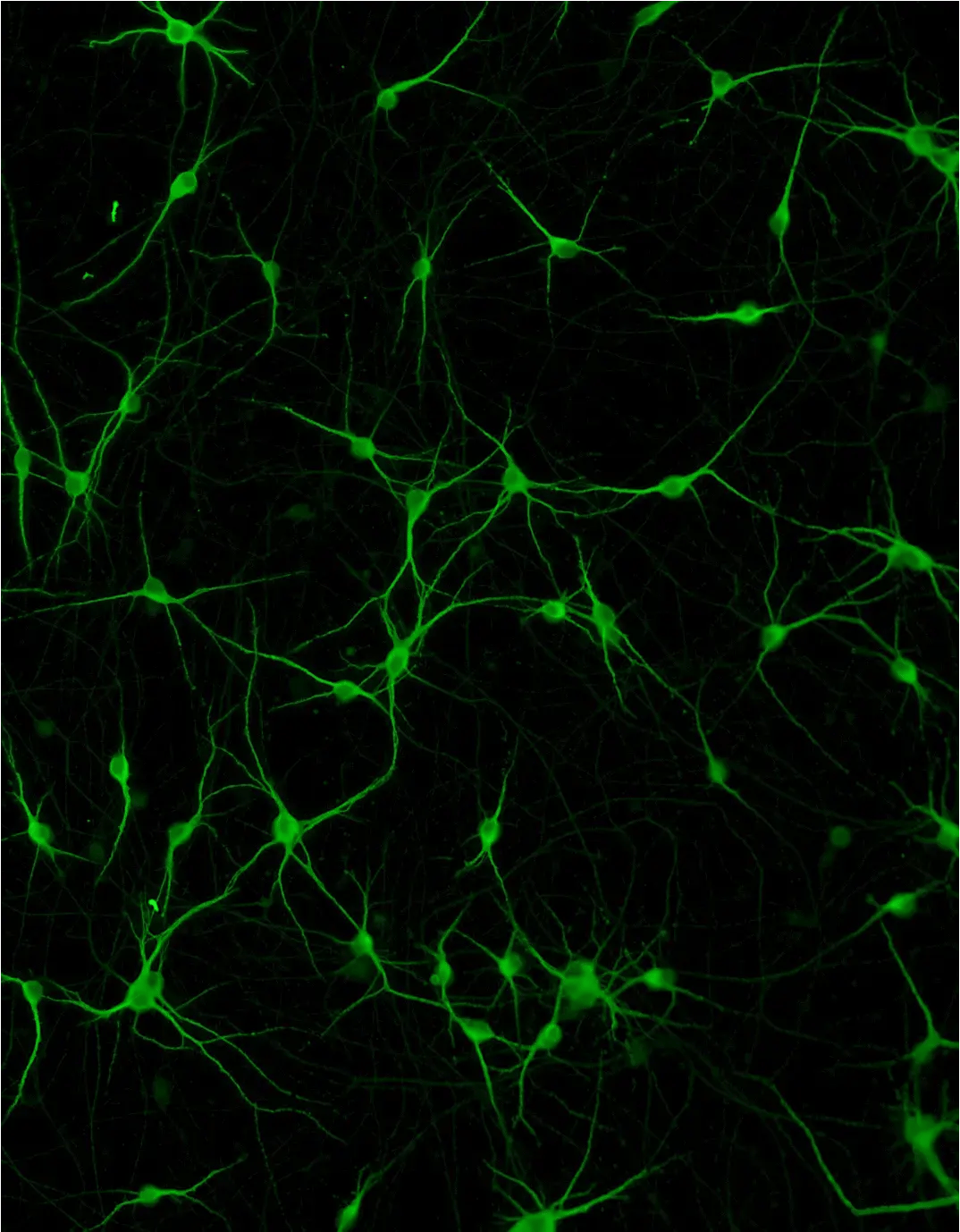
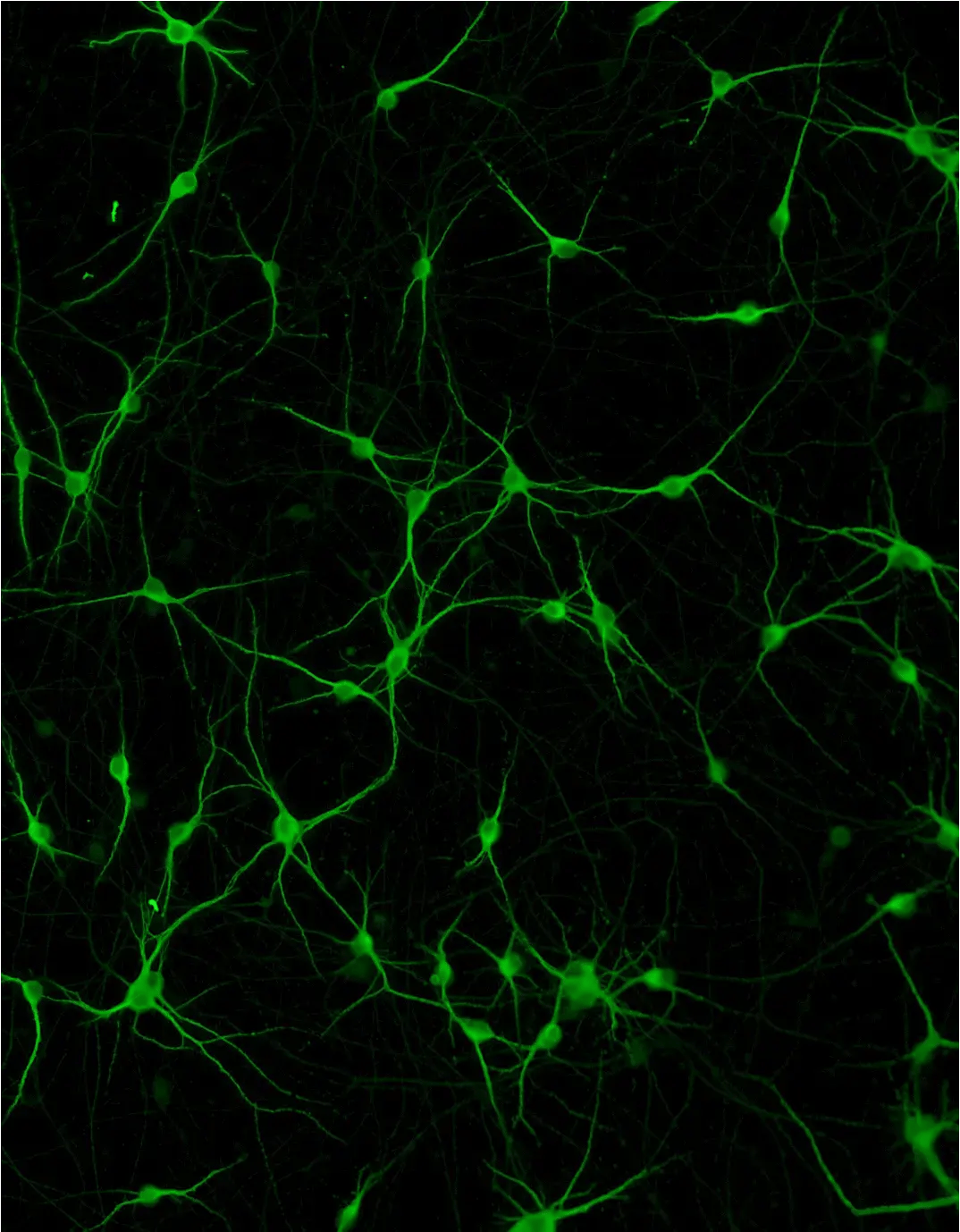
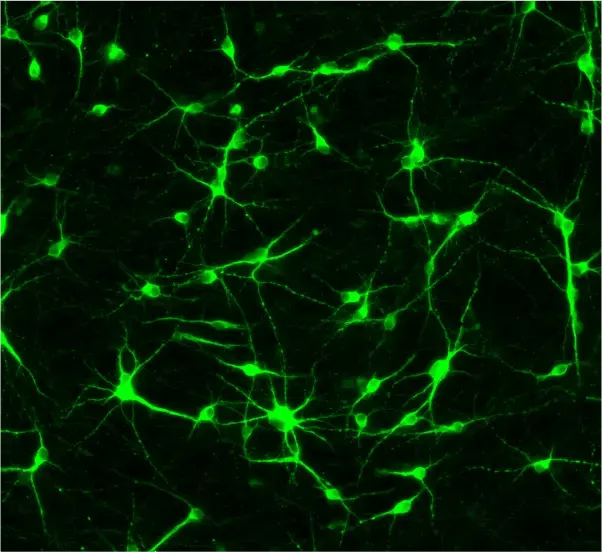
ioMotor Neurons rapidly acquire a homogeneous motor neuron phenotype upon thawing and maintain a single cell distribution during maturation, even after 41 DIV, giving scientists confidence in reliable long-term cultures.

ioMotor Neurons do not coalesce or aggregate, making them ideal for MEA assays in co-culture with astrocytes


The absence of cell clusters improves MEA, whole cell patch clamp and axon tracking assays by enabling:

  • Direct contact with MEA plates for accurate signal detection
  • Clear identification and isolation of single neurons
  • Better specific activity and signal-to-noise ratio

Phenotypic screening with ioMotor Neurons engineered with ALS-relevant mutations


In this video, Dr Ben Bar-Sadeh, Anima Biotech focuses on his team's efforts to use an AI-powered, visual biology approach for drug discovery. When imaging healthy ioMotor Neurons alongside their genetically-matched TDP-43 and SOD1 disease models, immunofluorescence reveals distinct phenotypic differences. A proprietary marker signal is significantly elevated with visible aggregates in the TDP-43 model and markedly decreased in the SOD1 model, providing insights into disease-specific cellular changes.
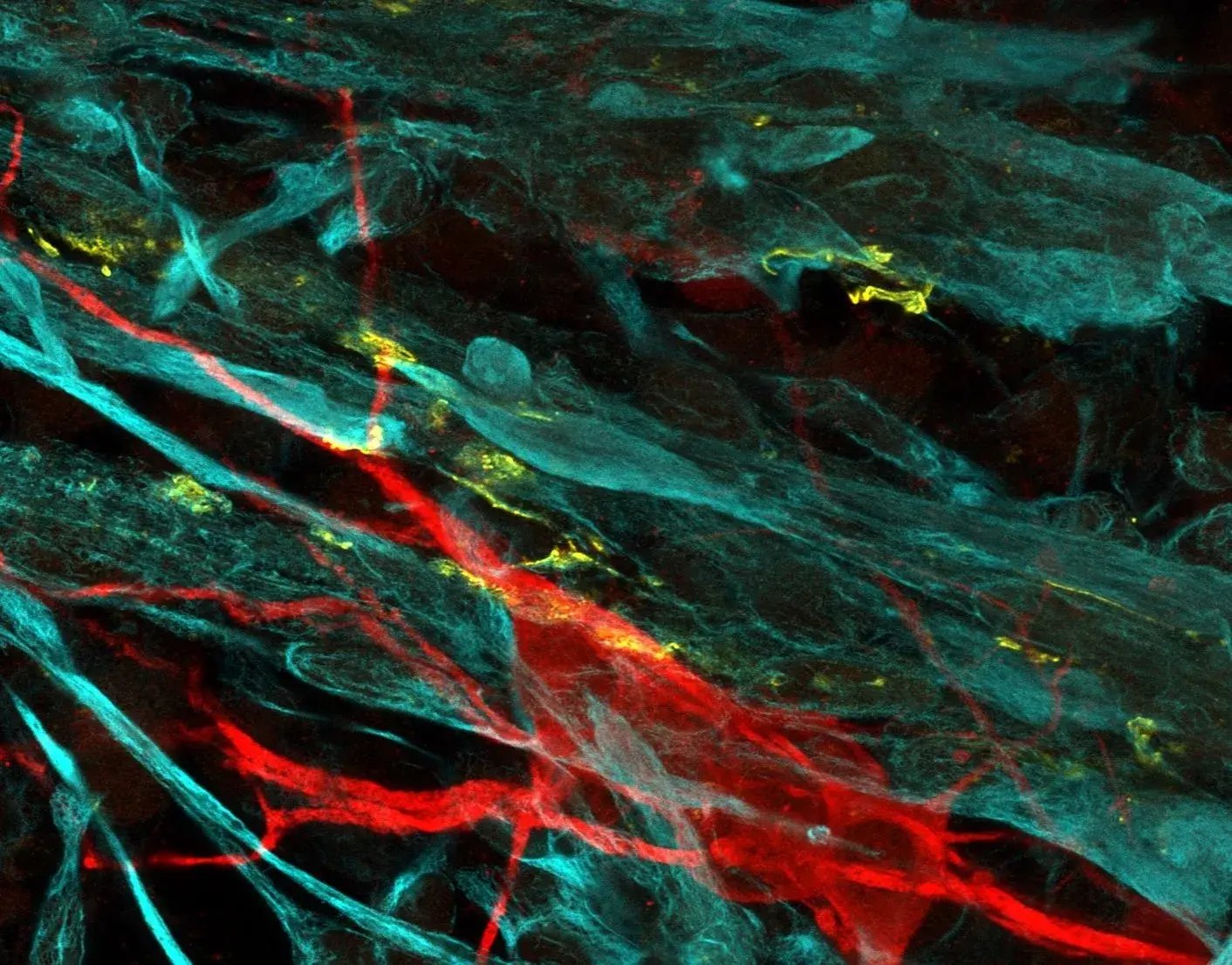
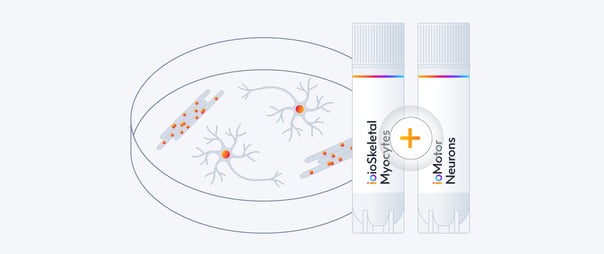
ioSkeletal Myocytes and ioMotor Neurons form a neuromuscular co-culture model

Human iPSC-derived skeletal myocytes and motor neurons in co-culture.


High-resolution confocal imaging validates the protocol for co-culturing ioSkeletal Myocytes with ioMotor Neurons. By day 30, the system displays distinct structural organisation, with MAP2-positive neurons (red) in the culture alongside Desmin-positive myocytes (cyan). The presence of acetylcholine receptors (yellow, alpha-bungarotoxin) confirms that this co-culture method supports the development of key neuromuscular features suitable for complex assay development.

Delivered cryopreserved, the cells are ready for experiments in just 4 days


In this video, our scientist takes you through the step-by-step process of how to thaw, seed and culture ioMotor Neurons.

What scientists say about ioMotor Neurons

An image of Dr Irit Reichenstein

Dr Irit Reichenstein

Senior Scientist | Anima Biotech

"We did use the cells and were very happy with them :) They were very homogenous (unlike motor neurons from other vendors that we worked with), viable and absolutely beautiful. We got wonderful results with them."

An image of Dr Elizabeth Di Lullo

Dr Elizabeth Di Lullo

Associate Scientific Director | Brainever
“We thawed the cells and they looked wonderful. Close to 100% viable and looked great in cell culture! No clumping and easy to culture.”

Expand your research

Click on the icons to find out more

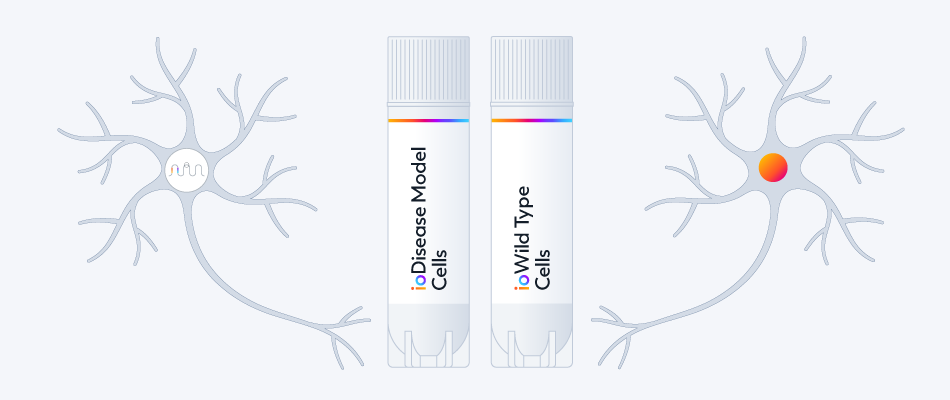
ALS and FTD disease models with disease-related mutations such as SOD1, FUS, MAPT and TDP-43.
Build ALS-FTD disease models in vitro
Model ALS and FTD with human iPSC-derived neurons
Expand your research
Build ALS-FTD disease models in vitro
Model ALS and FTD with human iPSC-derived neurons
ALS and FTD disease models with disease-related mutations such as SOD1, FUS, MAPT and TDP-43.

Access 14 ALS and FTD disease models with disease-related mutations such as SOD1, FUS, MAPT and TDP-43 (TARDBP) genetically engineered in ioGlutamatergic Neurons and ioMotor Neurons.
Find out more

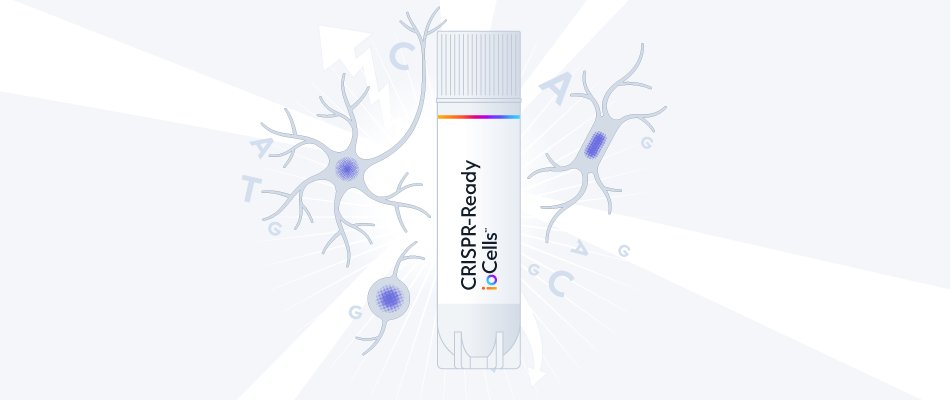
CRISPR-ready human iPSC-derived motor neurons for CRISPR screens.
Simplify gene knockouts
Use CRISPRko-Ready ioMotor Neurons cells to study your gene of interest
Expand your research
Simplify gene knockouts
Use CRISPRko-Ready ioMotor Neurons cells to study your gene of interest
CRISPR-ready human iPSC-derived motor neurons for CRISPR screens.

Interested in gene knockouts and CRISPR screens? 

CRISPRko-Ready ioMotor Neurons cells engineered to constitutively express Cas9 nuclease for the quick and easy generation of gene knockouts and CRISPR screens.
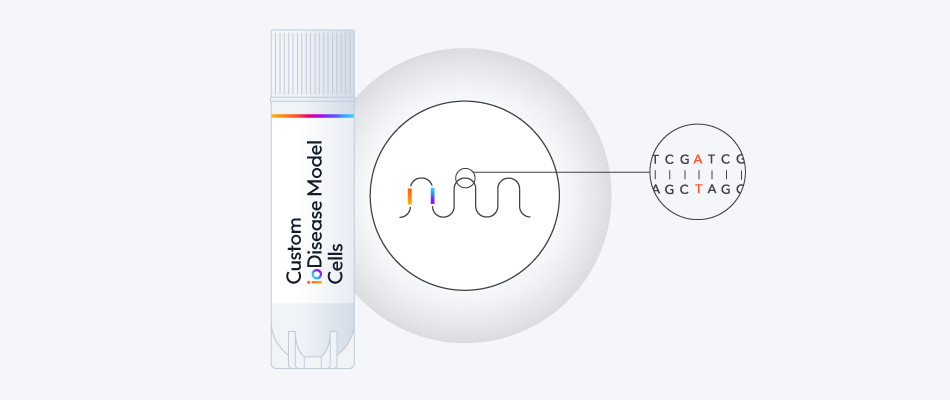
Engineer your disease-related mutation of interest to study neurodegenerative and neuromuscular disease.
Custom cell development
Generate custom disease models or reporter lines
Expand your research
Custom cell development
Generate custom disease models or reporter lines
Engineer your disease-related mutation of interest to study neurodegenerative and neuromuscular disease.

Build your custom disease model or reporter line to pair with wild-type ioMotor Neurons as the genetically matched control.

Throughout the custom process, our experts will bring your project to life, and be on hand to support you with any technical queries.
Start the conversation today

Co-culture-hiPSC-derived-skeletal-myocytes-and-motor-neurons
Study ALS in complex cultures
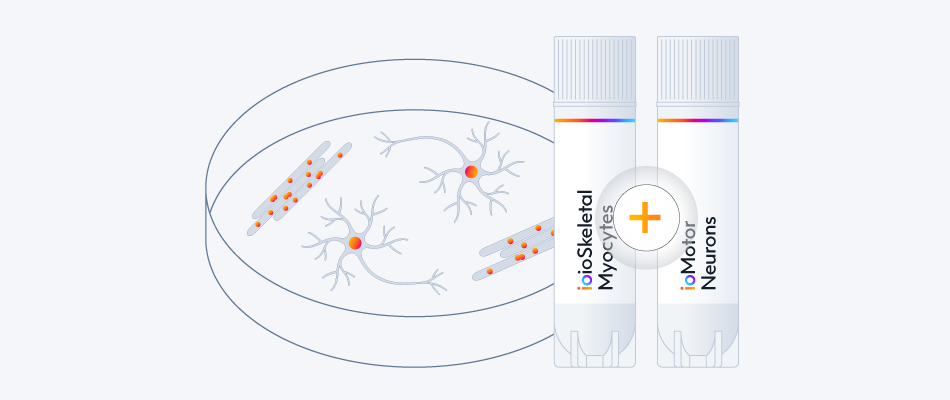
Co-culture motor neurons with skeletal myocytes to gain valuable insights into neuromuscular interactions
Expand your research
Study ALS in complex cultures
Co-culture motor neurons with skeletal myocytes to gain valuable insights into neuromuscular interactions
Co-culture-hiPSC-derived-skeletal-myocytes-and-motor-neurons

Study neuromuscular interactions and the impact of ALS-disease-related mutations by co-culturing ioMotor Neurons with skeletal myocytes. Access 14 disease models and the single co-culture protocol.


View the co-culture protocol

Explore ALS & FTD Disease Models

Explore ioSkeletal Myocytes
Start effortlessly with our library of protocols


ioMotor Neurons and disease models user manual | bit.bio User manual
ioMotor Neurons and disease models user manual | bit.bio

DOC-2862 v2.0

bit.bio

2025

Download
CRISPRko-Ready ioMotor Neurons user manual | bit.bio User manual
CRISPRko-Ready ioMotor Neurons user manual | bit.bio

DOC-3073 V2
2025
bit.bio

Download
How to culture ioMotor Neurons Video tutorial
How to culture ioMotor Neurons
Prachi Bhagwatwar​​​​ | ​Research Assistant | bit.bio
Watch now
mRNA transfection of ioMotor Neurons | bit.bio Protocol
mRNA transfection of ioMotor Neurons | bit.bio
Download protocol
Culturing ioMotor Neurons in 96-well plates | bit.bio Protocol
Culturing ioMotor Neurons in 96-well plates | bit.bio
Download protocol
Co-culturing ioSkeletal Myocytes and ioMotor Neurons | bit.bio Protocol
Co-culturing ioSkeletal Myocytes and ioMotor Neurons | bit.bio
Download protocol
Co-culturing ioMotor Neurons with astrocytes for MEA assays | bit.bio Protocol
Co-culturing ioMotor Neurons with astrocytes for MEA assays | bit.bio
Download protocol
Lentiviral transduction of ioMotor Neurons | bit.bio Protocol
Lentiviral transduction of ioMotor Neurons | bit.bio
Download protocol
ioMotor Neurons ICC staining protocol | bit.bio Protocol
ioMotor Neurons ICC staining protocol | bit.bio
Download protocol

Product resources

ioMotor Neurons Brochure
ioMotor Neurons
bit.bio
Download
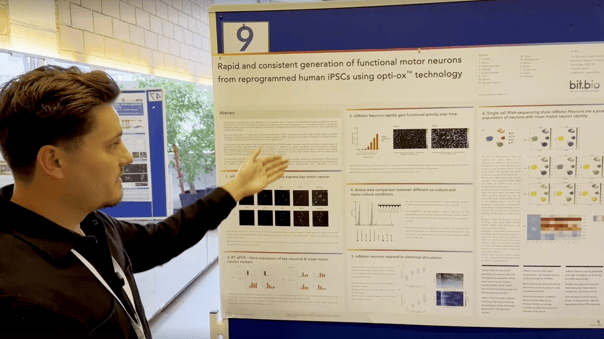
Rapid and consistent generation of functional motor neurons from reprogrammed human iPSCs using opti-ox technology Poster
Rapid and consistent generation of functional motor neurons from reprogrammed human iPSCs using opti-ox technology

Vaquero, et al

bit.bio

2023

View poster
Generation and functional characterisation of motor neurons derived through transcription factor mediated programming of human pluripotent stem cells Poster
Generation and functional characterisation of motor neurons derived through transcription factor mediated programming of human pluripotent stem cells

Foulser, et al 

bit.bio

2024

View poster
Generation and functional characterisation of motor neurons derived through transcription factor mediated programming of human pluripotent stem cells Poster
Generation and functional characterisation of motor neurons derived through transcription factor mediated programming of human pluripotent stem cells

Brown et al.

bit.bio

2024

View poster
Modelling neurodegeneration using a human genetically matched system: a next generation approach to study frontotemporal dementia and amyotrophic lateral sclerosis Poster
Modelling neurodegeneration using a human genetically matched system: a next generation approach to study frontotemporal dementia and amyotrophic lateral sclerosis

Smith et al.

bit.bio

2024

View poster
Identification of neuronal subtype-specific splice variants in iPSC-derived cell models of ALS and FTD Poster
Identification of neuronal subtype-specific splice variants in iPSC-derived cell models of ALS and FTD

Veteleanu et al.

bit.bio

2025

Download poster
A robust platform of human iPSC-derived motor neurons for ALS disease modelling and neurodegeneration-focussed drug discovery Poster
A robust platform of human iPSC-derived motor neurons for ALS disease modelling and neurodegeneration-focussed drug discovery

Foulser et al.

bit.bio

2025

Download poster
Development of automated high-throughput workflows for drug discovery using iPSC-derived cell types Poster
Development of automated high-throughput workflows for drug discovery using iPSC-derived cell types

Hill et al.

bit.bio

2026

Download poster
Reprogramming the stem cell for a new generation of cures Publication
Reprogramming the stem cell for a new generation of cures

Davenport A, Frolov T & Kotter M

Drug Discovery World

2020


Read more
Cell-Type Specific Molecular and Functional Consequences of TDP-43 Loss-of-Function in Human Induced Neurons Publication
Cell-Type Specific Molecular and Functional Consequences of TDP-43 Loss-of-Function in Human Induced Neurons

Filippa VG, et al.
bioRxiv
2026
Using ioGlutamatergic Neurons and ioMotor Neurons


Read more
Characterising disease relevant signatures in iPSC-derived motor neurons to test the therapeutic potential of homeoprotein EN1 Talk
Characterising disease relevant signatures in iPSC-derived motor neurons to test the therapeutic potential of homeoprotein EN1

Dr Elizabeth Di Lullo | Associate Scientific Director | BrainEver

Human Cell Forum 2025
Session 1 Track 1 | Modelling neurodegeneration in vitro with human iPSC-derived cells

Watch now
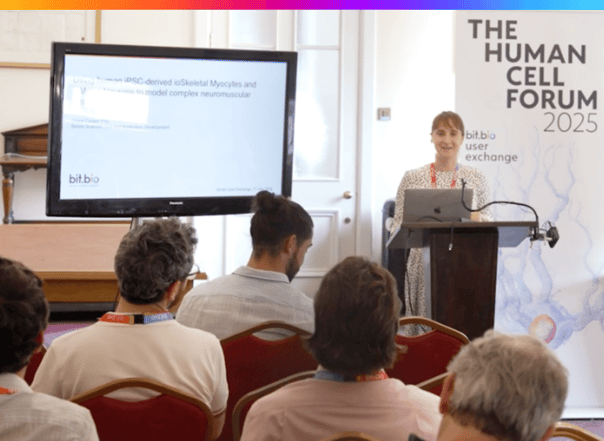
Using human iPSC-derived ioSkeletal Myocytes and ioMotor Neurons to model complex neuromuscular systems in vitro Talk
Using human iPSC-derived ioSkeletal Myocytes and ioMotor Neurons to model complex neuromuscular systems in vitro

Dr Grace Cooper | Senior Scientist | bit.bio


Human Cell Forum 2025
Session 1 Track 2 | From cells to systems: Building human iPSC-derived models of pain, neuromuscular junctions, and glial dynamics

Watch now
Targeting Neurodegeneration: An AI-guided Visual Biology Approach to discover drug targets for neurodegenerative disease Talk
Targeting Neurodegeneration: An AI-guided Visual Biology Approach to discover drug targets for neurodegenerative disease

Dr Ben Bar-Sadeh | Senior Scientist | Anima Biotech


Human Cell Forum 2025 
Session 3 | Making complex human biology compatible with modern drug discovery workflows

Watch now
CRISPRko-Ready ioMotor Neurons user manual | bit.bio User manual
CRISPRko-Ready ioMotor Neurons user manual | bit.bio

DOC-3073 V2
2025
bit.bio

Download
MaxWell Summit 2024 Poster Presentation with Luke Foulser ioMotor Neurons Video
MaxWell Summit 2024 Poster Presentation with Luke Foulser ioMotor Neurons

Luke Foulser | Scientist | bit.bio

Watch
Mastering Cell Identity In A Dish: The Power Of Cellular Reprogramming | bit.bio Webinar
Mastering Cell Identity In A Dish: The Power Of Cellular Reprogramming | bit.bio

Prof Roger Pedersen | Adjunct Professor and Senior Research Scientist at Stanford University 

Dr Thomas Moreau | Director of Cell Biology Research | bit.bio

Watch now
Empowering motor neuron disease research and drug discovery with a new class of functional, reproducible hiPSC-derived motor neurons | bit.bio Webinar
Empowering motor neuron disease research and drug discovery with a new class of functional, reproducible hiPSC-derived motor neurons | bit.bio

Tom Brown | Senior Product Manager | bit.bio

Marcos Herrera Vaquero, PhD | Senior Scientist | bit.bio
Watch now
Harnessing AI-guided visual biology to discover drug targets for neurodegenerative disease | bit.bio Webinar
Harnessing AI-guided visual biology to discover drug targets for neurodegenerative disease | bit.bio

Ben Bar-Sadeh, PhD | Senior Scientist | Anima Biotech

Tom Brown | Senior Product Manager | bit.bio

Watch now

Frequently Asked Questions (FAQs)

  • What is the functional role of lower motor neurons?

Lower motor neurons are a diverse class of cells that serve as the essential regulators of skeletal muscle activity and glandular activity. By integrating complex inputs from sensory neurons, interneurons, and upper motor neurons, they orchestrate voluntary behaviours such as movement. Consequently, motor neuron degeneration drives debilitating Motor Neuron Diseases (MNDs) such as Spinal Muscular Atrophy (SMA) and Amyotrophic Lateral Sclerosis (ALS).


  • How do ioMotor Neurons address the limitations of traditional differentiation protocols?

ioMotor Neurons address the technical challenge of cell clumping often seen in traditional differentiation protocols by maintaining a homogenous, single-cell monolayer distribution. This clump-free monolayer improves quality on downstream assays. Powered by opti-ox, these human iPSC-derived motor neurons provide scientists a consistent source of cells ideal for disease modelling.


  • Why are ioMotor Neurons suitable for microelectrode array (MEA) assays?

ioMotor Neurons improve microelectrode array (MEA) data quality by maintaining a clump-free, single-cell monolayer that ensures direct contact with the recording electrodes. This precise coupling provides a better signal-to-noise ratio, allowing for the clear isolation of single neurons and enhancing the accuracy of functional network analysis.


  • How can human iPSC-derived motor neurons be used to model Amyotrophic Lateral Sclerosis (ALS)?

ioMotor Neurons engineered with ALS-relevant mutations, such as those in the SOD1 or TARDBP (TDP-43) genes, exhibit distinct disease-specific phenotypes compared to genetically matched controls. Validated applications include quantifying elevated protein aggregates (in TARDBP models) or marker downregulation (in SOD1 models), providing a robust, human-relevant platform for phenotypic screening and drug discovery.


  • How do co-culture models support the study of neuromuscular interactions?

Co-culturing ioMotor Neurons with ioSkeletal Myocytes enables the in vitro reconstruction of functional neuromuscular units. Confocal imaging confirms the development of structural organisation, including the presence of acetylcholine receptors (alpha-bungarotoxin positive), allowing scientists to investigate the specific crosstalk between motor neurons and muscle cells implicated in neuromuscular diseases.