Access a toolkit of functional, consistent inhibitory GABAergic neurons in to study neurodegenerative diseases
Powered by opti-ox™
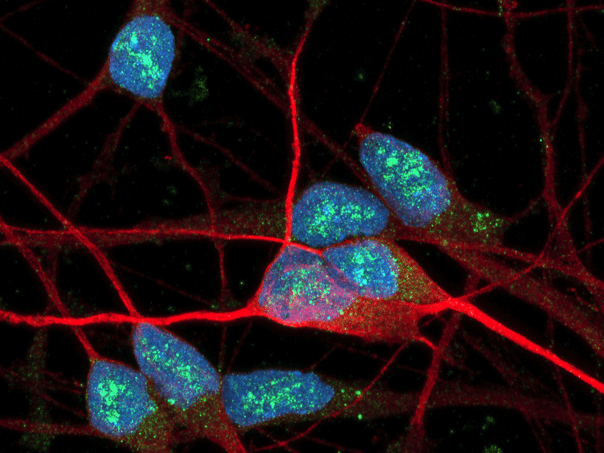
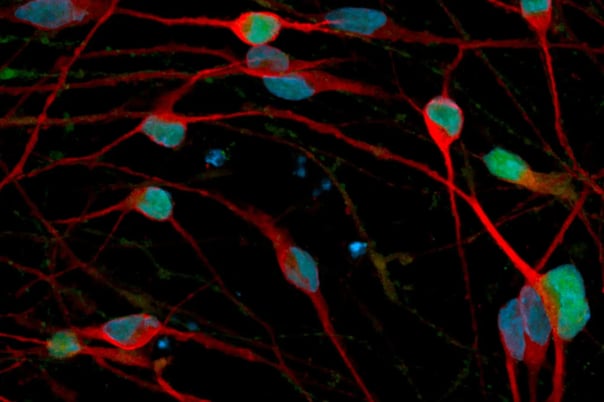
ioGABAergic Neurons rapidly acquire a homogeneous phenotype, as captured in this video time course. Powered by opti-ox technology, these cells quickly mature into a defined, >99% pure population of GABAergic inhibitory interneurons. Unlike the heterogeneous populations generated by traditional directed differentiation methods, ioGABAergic Neurons provide scientists with a highly pure, human in vitro model to precisely study changes in inhibitory/excitatory balance.
Calcium imaging reveals the rapid acquisition of functional activity in ioGABAergic Neurons. As captured in this video, the cells demonstrate robust spontaneous firing at day 16 post-revival. This early functional maturation enables scientists to accelerate timelines for assay development and neuronal network analysis.

Tri-cultures of ioGlutamatergic Neurons, ioGABAergic Neurons, and astrocytes form functional neuronal networks and modulate network activity. MEA analysis reveals that systematically increasing the ratio of ioGABAergic Neurons reduces the synchronised network activity driven by excitatory neurons, as expected. The absence of bursting in GABA-only controls confirms the high purity of the inhibitory population. These networks achieve stable spontaneous activity by DIV 25, which is maintained through DIV 64. Experiments performed by Charles River Laboratories on the Axion Maestro Pro MEA platform.
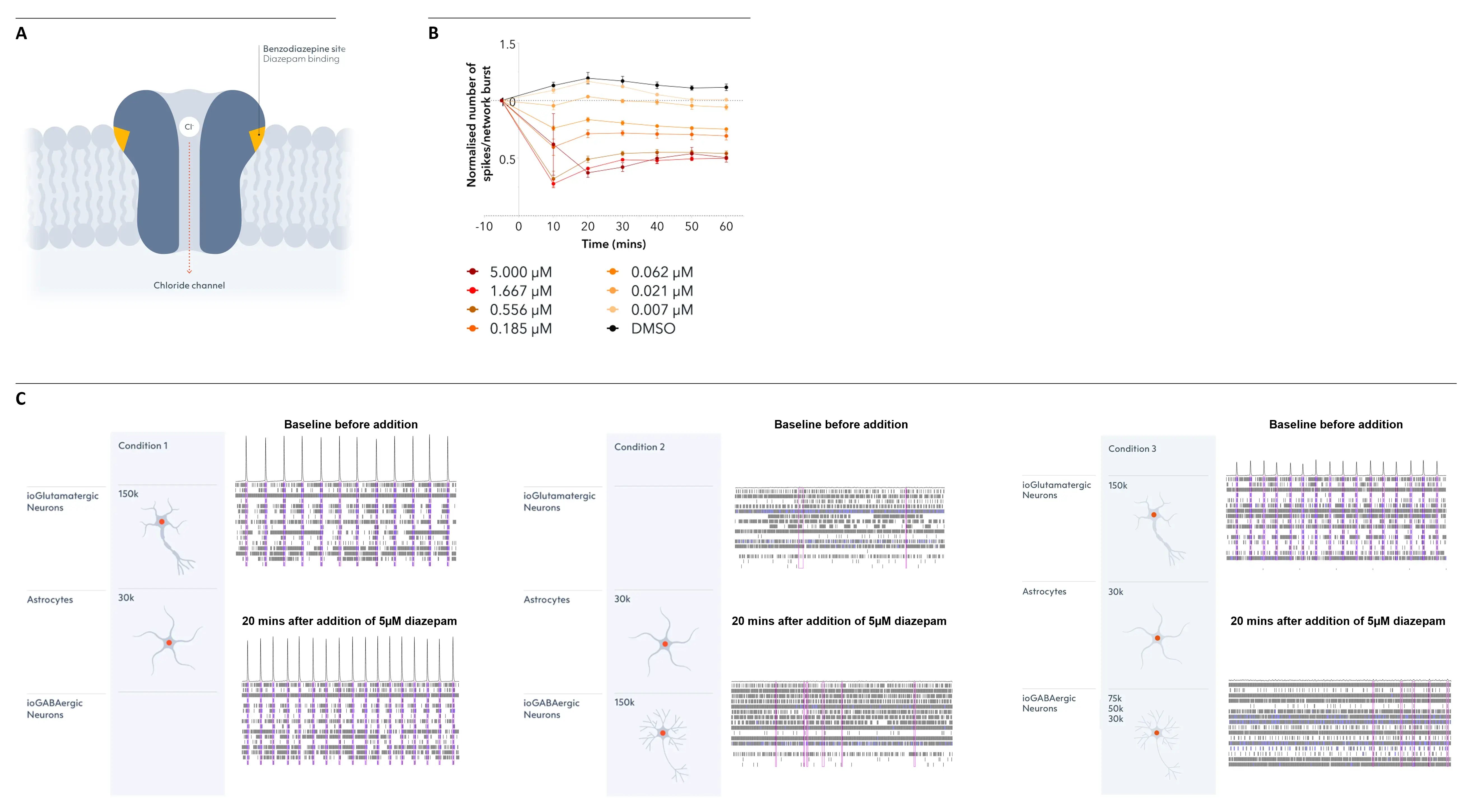
MEA analysis on the Axion Maestro Pro platform demonstrates the specific inhibitory effect of ioGABAergic Neurons in tri-cultures with ioGlutamatergic Neurons and astrocytes. Treatment with diazepam—a GABAA receptor positive allosteric modulator— reduces network activity in tri-cultures but shows no impact on the control co-cultures. The representative raster plots and network activity quantification demonstrate a dose-dependent decrease in spikes per network burst, confirming the system as a sensitive, robust in vitro model for GABAergic modulation in drug discovery.
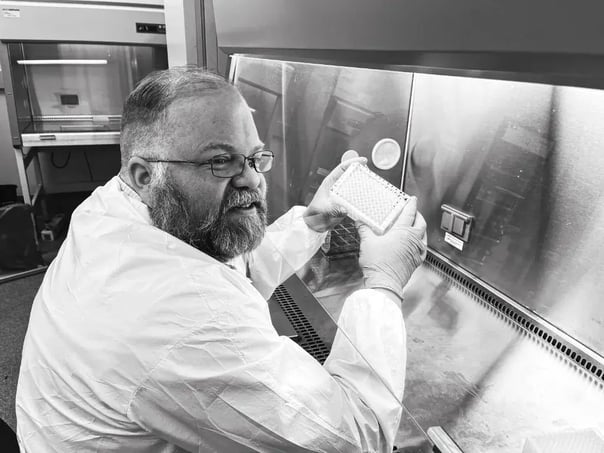
In this case study, Rodney A. Bowling Jr., PhD, founder and CSO of To Cure a Rose, shares insights on their need for consistent human neurons that express a target gene. Easy access to gene expression data on ioCells assisted them in selecting the right cells, ioGABAergic Neurons, and discovering not just one, but two promising ASO candidates.
The defined, consistent nature of the cells enabled the successful assessment of 57 antisense oligonucleotides (ASOs), identifying two lead candidates with >90% knockdown efficacy.
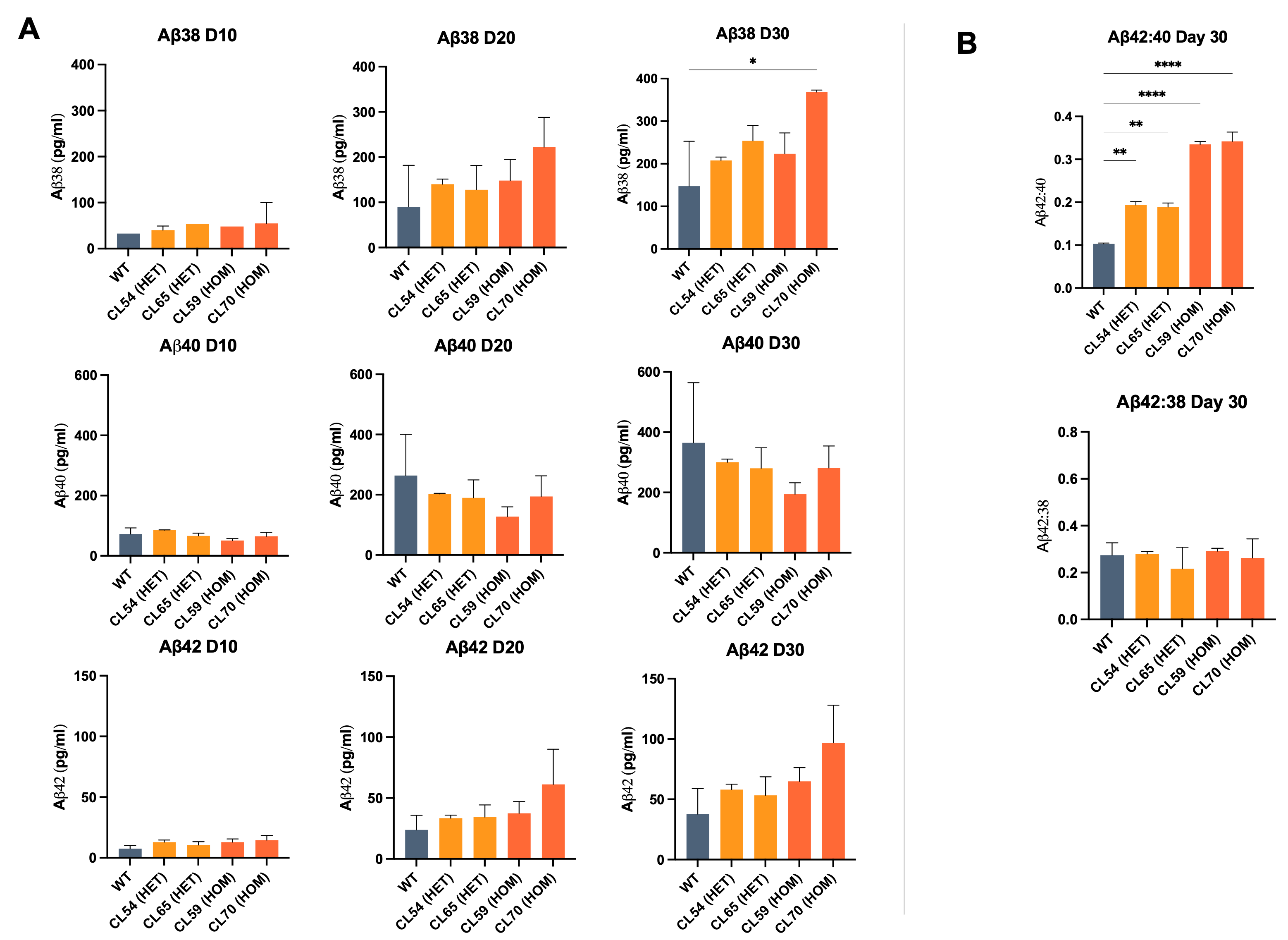
ioGABAergic Neurons Alzheimer’s disease models carry a genetically engineered homozygous and heterozygous APP V717I (London) mutation, recapitulate the expected Alzheimer’s disease phenotype of Amyloid beta (Aβ) peptide release in an MSD assay over a 30-day time course. These disease model cells enable reliable investigations APP mutant protein when paired with the genetically matched wild-type ioGABAergic Neurons.
In this video, our scientist takes you through the step-by-step process of how to thaw, seed and culture ioGABAergic Neurons.

Rodney A. Bowling Jr., Ph.D.
Co-Founder & Chief Scientific Officer | Everlum Bio
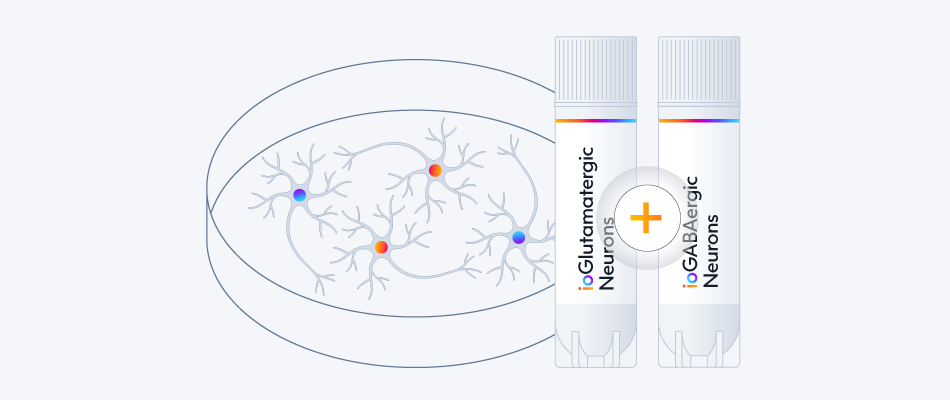
Build neuronal co- and tri- cultures that more accurately represent the complexity of the human brain. Glutamatergic and GABAergic neurons are crucial to help maintain stable ratios of excitatory and inhibitory populations throughout your MEA experiments.
Explore ioGlutamatergic Neurons
Explore ioGlutamatergic Neuron Disease Models
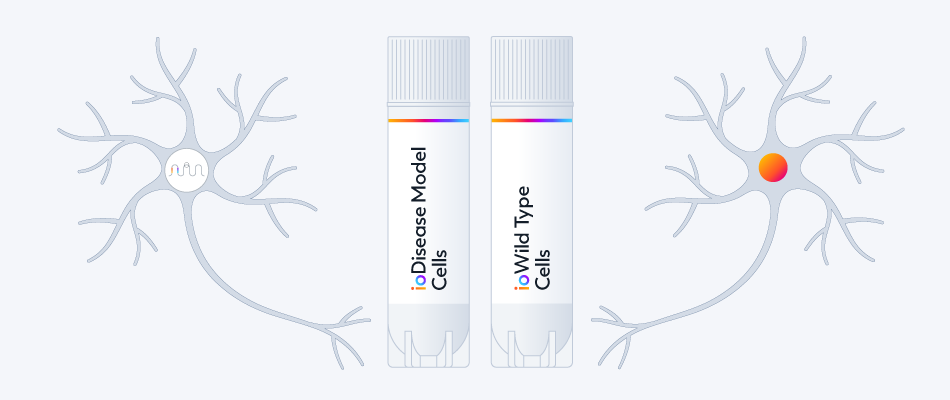
Investigate the impact of the APP V717I (London) mutation on Alzheimer's disease pathology with a functional, rapidly maturing, and disease-relevant system.
ioGABAergic Neurons engineered with the APP V717I (London) mutation demonstrate disease-related phenotype of an increased ratio of A𝛽42:40, as observed in Alzheimer’s disease, when compared to wild-type ioGABAergic Neurons, their genetically matched control.
View the data on the product pages
ioGABAergic Neurons APP V717I/V717I
ioGABAergic Neurons APP V717I/WT
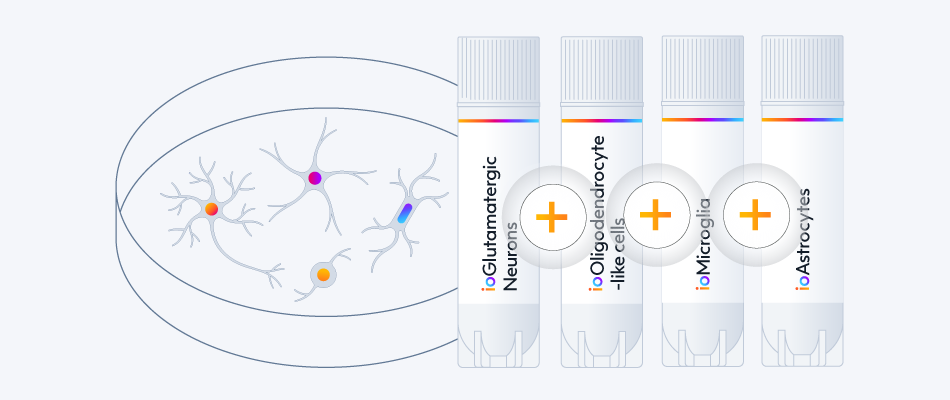
ioGABAergic Neurons are highly pure, defined and consistent, a great companion for your CNS model.
Combine them with other neuronal and glia ioCells to generate complex multi-cell cultures.
ioGlutamatergic Neurons
ioMicroglia
ioAstrocytes
ioOligodendrocyte-like cells
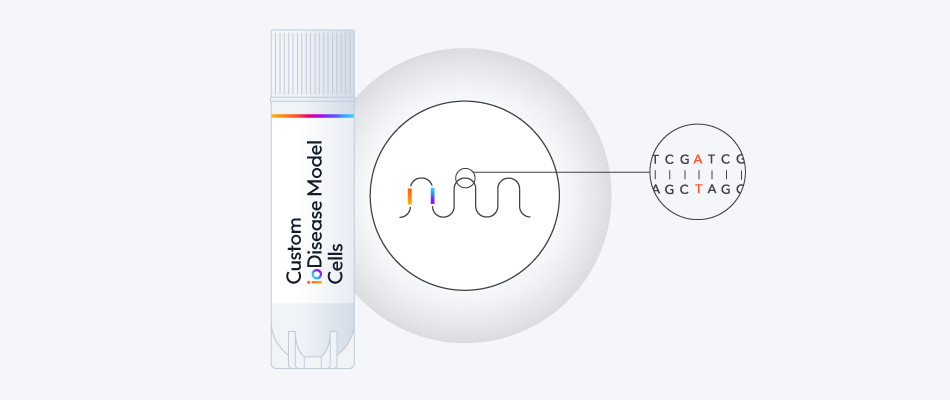
Build your custom disease model or reporter line to pair with wild-type ioGABAergic Neurons as the genetically matched control.
Throughout the custom process, our experts will bring your project to life, and be on hand to support you with any technical queries.
Start the conversation today


_MAP2(R)_Tubb3(B)_Hoechst(B)_20x_merge-comp.jpg?width=604&name=Colour%20webinar%20with%20it-bio%20ioGlutamatergic%20Neurons_VGLUT2(G)_MAP2(R)_Tubb3(B)_Hoechst(B)_20x_merge-comp.jpg)