Access consistent, functional,
co-culture ready human astrocytes
Powered by opti-ox™
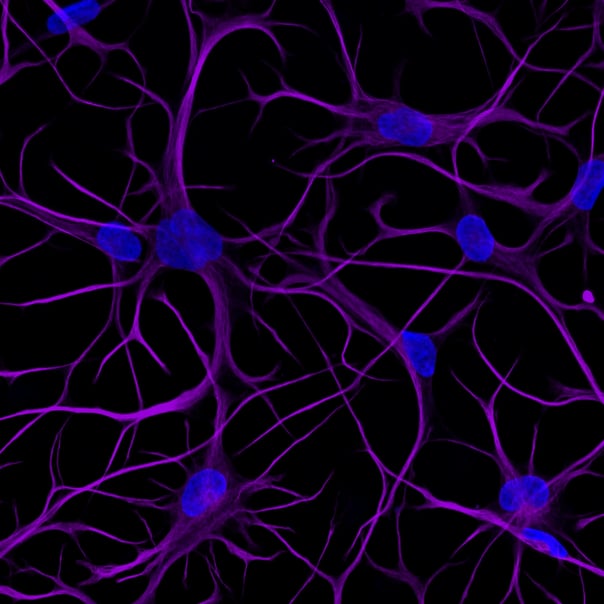
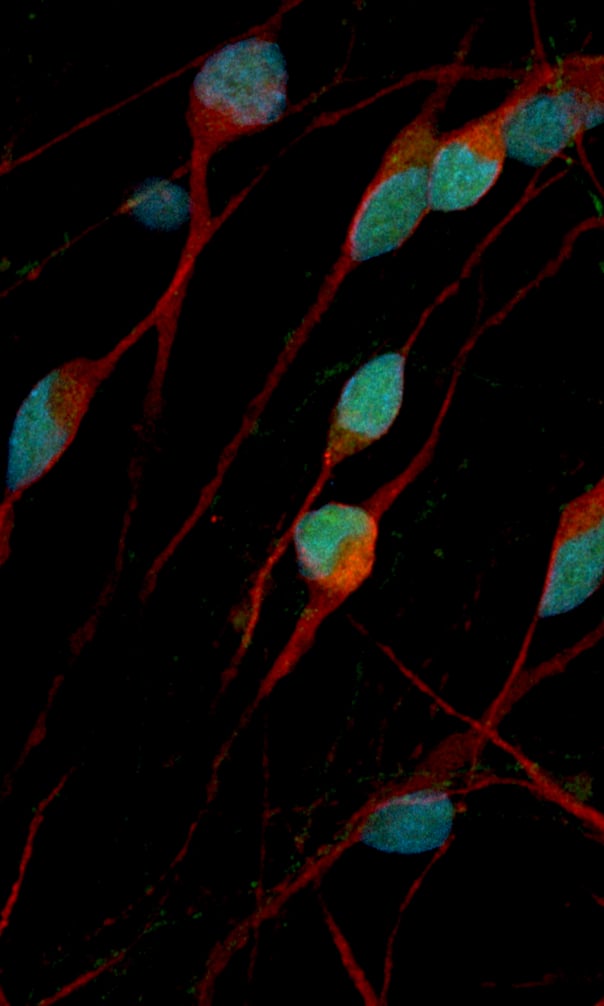
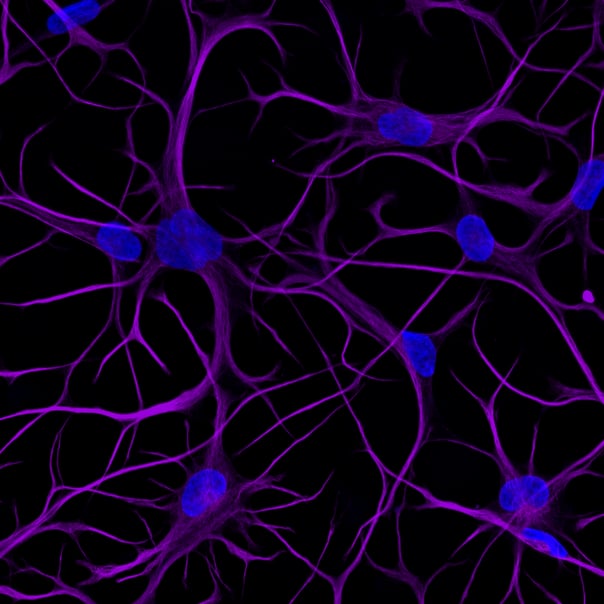
Powered by opti-ox™ technology, ioAstrocytes 2.0 are cryopreserved human iPSC-derived astrocytes that are ready for assays within days under animal-free conditions. The cells quickly exhibit a classic stellate morphology and express key astrocytic markers, including SOX9, EAAT1, S100B, and Vimentin.
Beyond marker expression, ioAstrocytes 2.0 recapitulate in vivo astrocytic functions, rapidly displaying robust functional activity in assays such as phagocytosis, cytokine secretion, and neuronal electrophysiological activity.
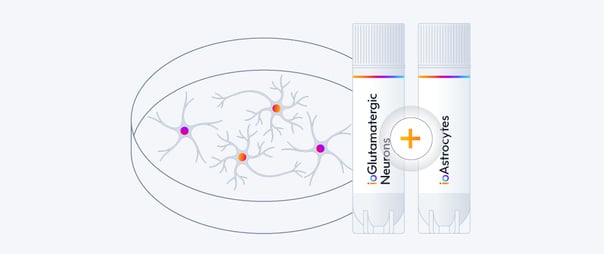
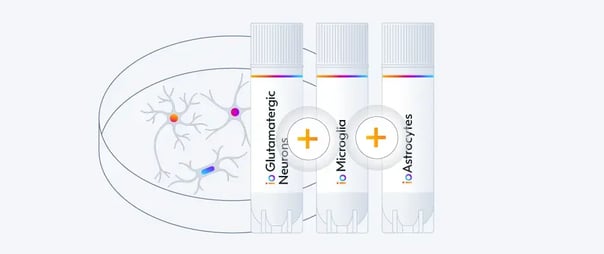
ioAstrocytes 2.0 are optimised for seamless integration into complex in vitro models. When co-cultured alongside other CNS cell types, such as ioGlutamatergic Neurons and ioMicroglia, ioAstrocytes 2.0 are ideal for modelling functional activity in multi-cell cultures.
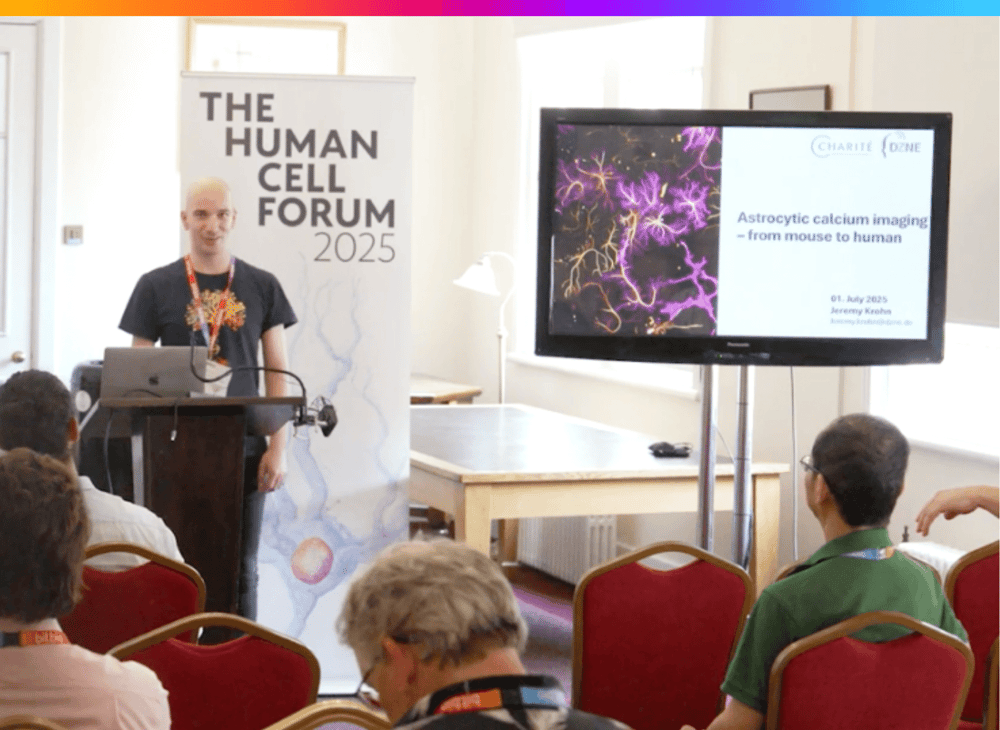
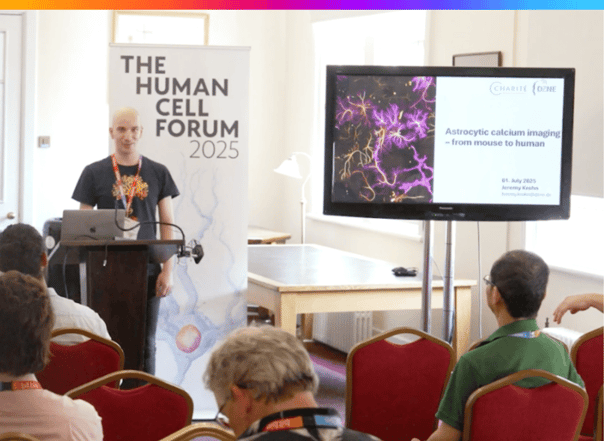
Jeremy Krohn (DZNE) emphasises the critical role of astrocytes as mediators of brain function and their impact on therapeutic response. Using calcium imaging as a functional readout, the research demonstrates how human iPSC-derived ioAstrocytes and neuron-astrocyte co-cultures provide a superior alternative to animal models. By capturing spontaneous and evoked activity in human-relevant systems, the data highlights how ioAstrocytes respond uniquely to drugs and disease stressors, ensuring more accurate translation from the lab to the clinic.
Our scientists have developed a complete co-culture protocol, which includes simple step-by-step instructions for cell culture, recipes for media and information on required equipment and reagents, for phenotypic readouts like immunocytochemistry staining.
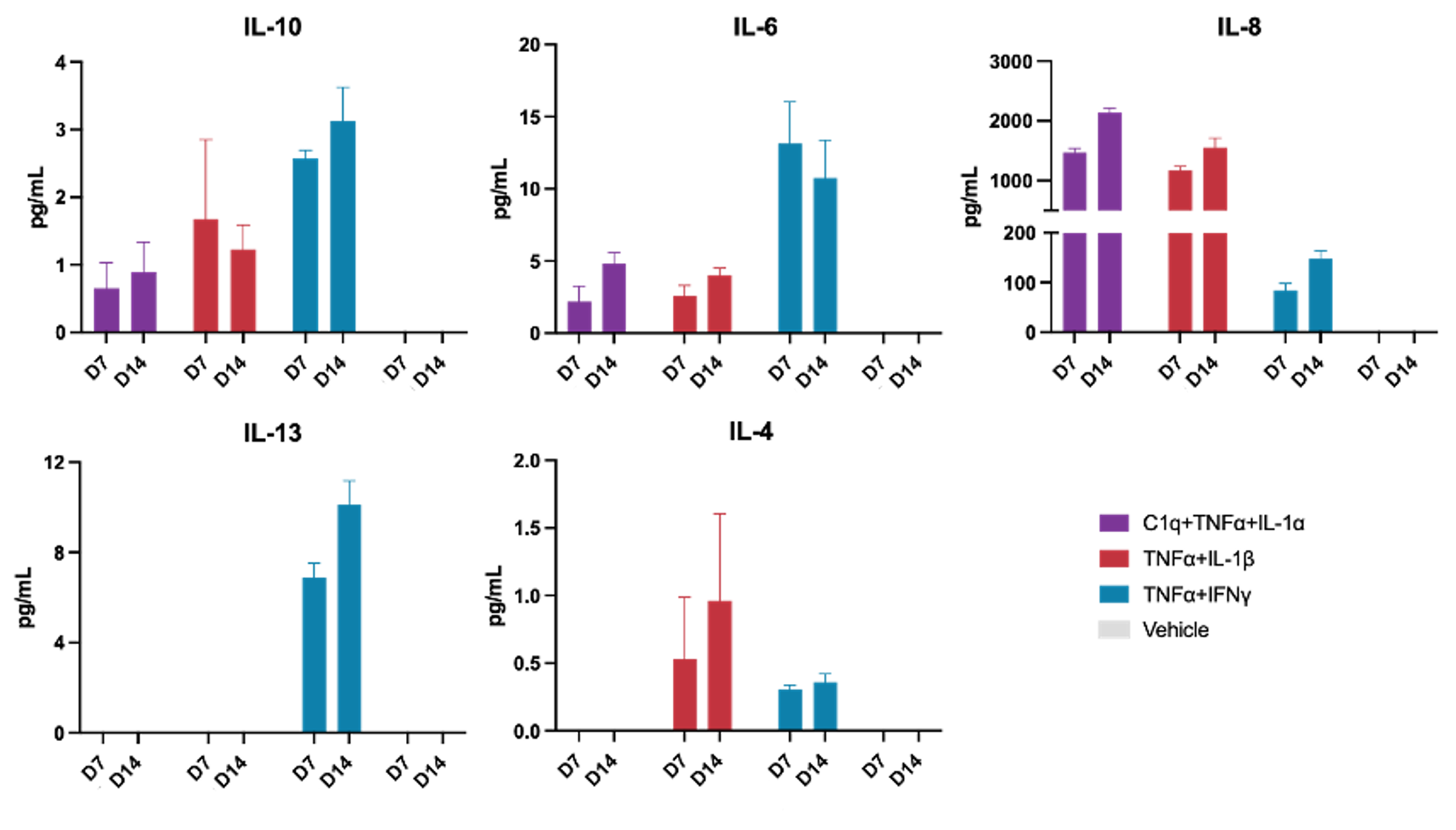
When challenged with three distinct proinflammatory cocktails, ioAstrocytes exhibit a robust transition to a reactive state, characterised by the significant induction of cytokines such as IL-6. While the presence of IFN-gamma and IL-1beta in the initial stimuli leads to high detection signals, the overall secretory profile confirms a physiologically relevant neuroinflammatory response.
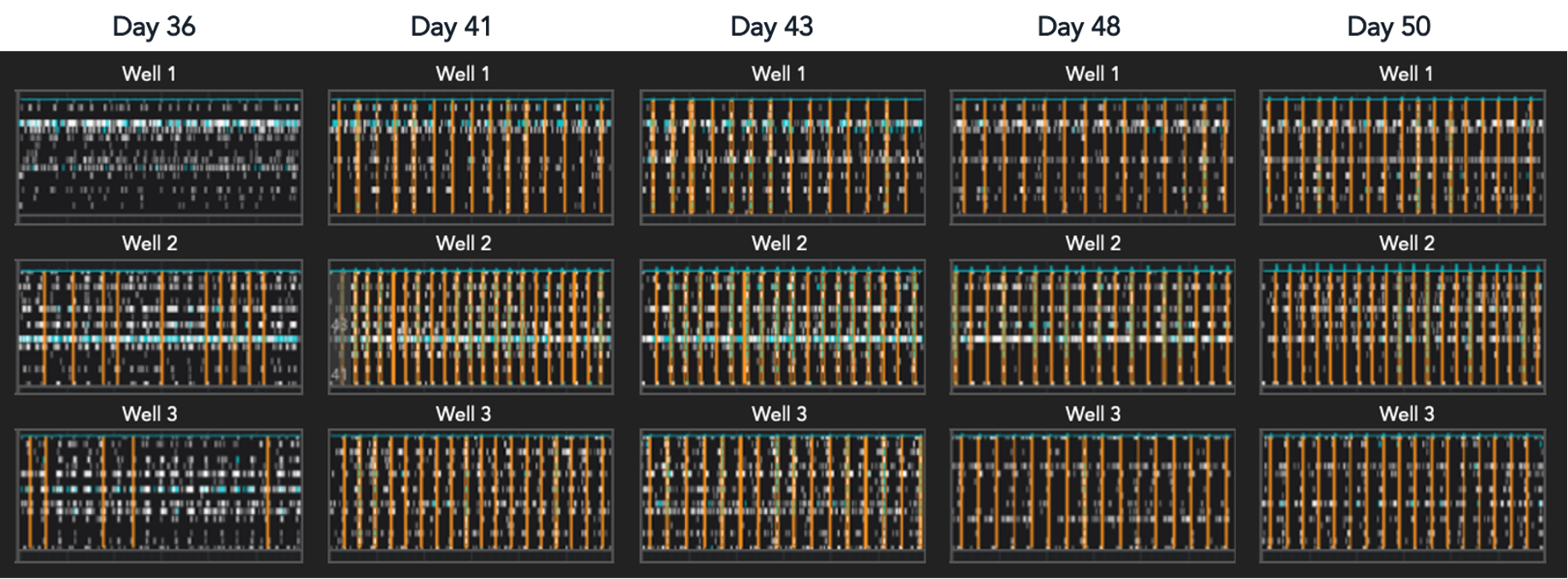
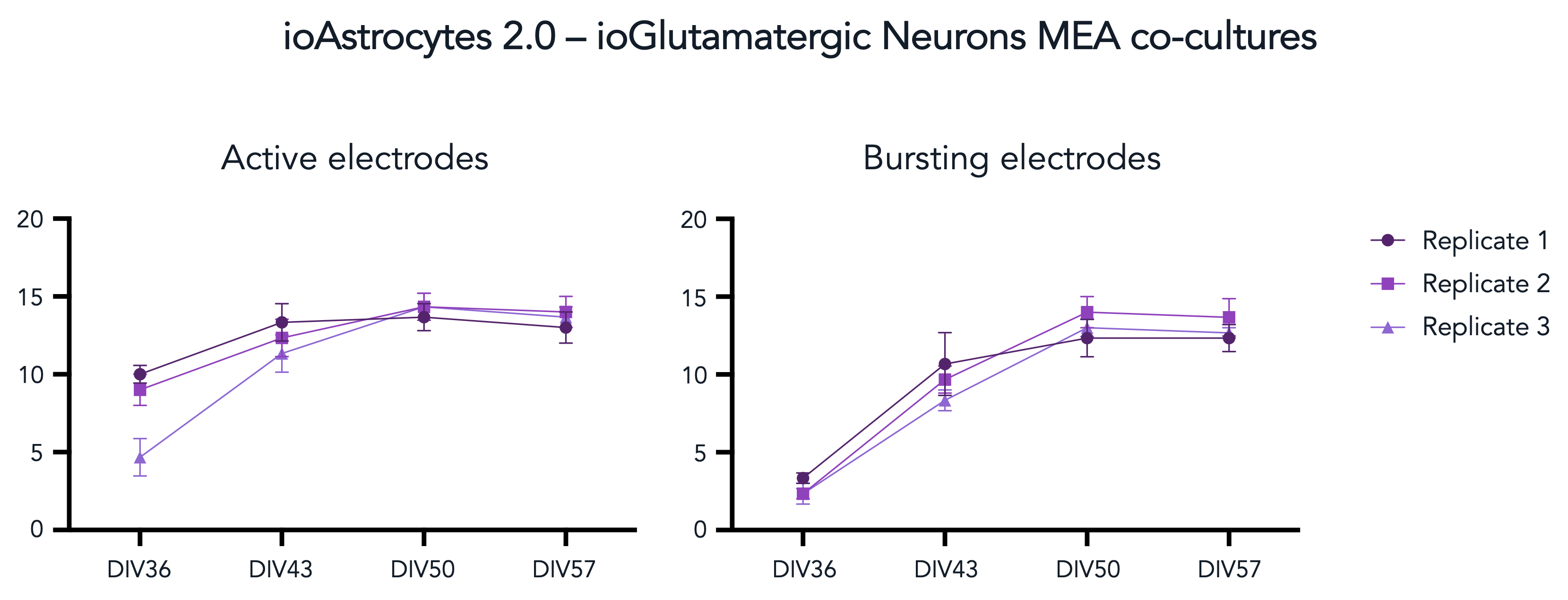
Compatible with MEA electrophysiology assays, ioAstrocytes 2.0 significantly enhance neuronal network activity in co-culture.
Representative MEA raster plots of ioGlutamatergic Neurons and ioAstrocytes 2.0 demonstrate a clear transition from localised, asynchronous firing to mature, highly synchronised functional networks. Organised network bursting emerges by DIV36–DIV41 and is robustly maintained through DIV50, providing a stable, reliable window for long-term functional assays.
Modelling astrocytic phagocytosis, a key process in neuroinflammation and debris clearance, is often challenging. Primary astrocytes show high lot-to-lot variability, compromising the reproducibility of functional assays and making it difficult to obtain consistent results.
In this video, ioAstrocytes 2.0 readily phagocytose Red S. aureus Bioparticles®, giving scientists confidence in a reliable human model to quantify phagocytic activity. At the start of the video, the particles are located outside the cells and due to the neutral pH of the media are non-fluorescent, but when phagocytised, they are exposed to the acidic environments of intracellular organelles and fluoresce bright red.
In this video, our scientist takes you through the step-by-step process of how to thaw, seed and culture ioAstrocytes.

Jeremy Krohn
PhD Candidate | DZNE / Charité University of Medicine
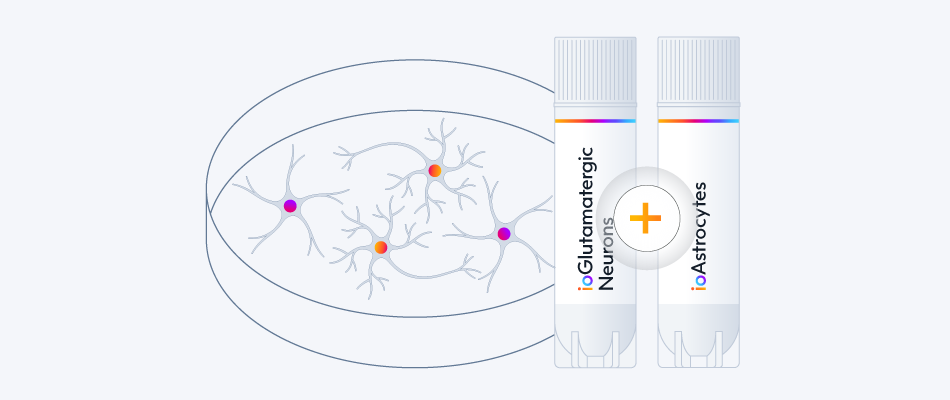
Access 20 neuronal disease models with a single co-culture protocol.
View the co-culture protocol
Explore ioGlutamatergic Neuron Disease Models
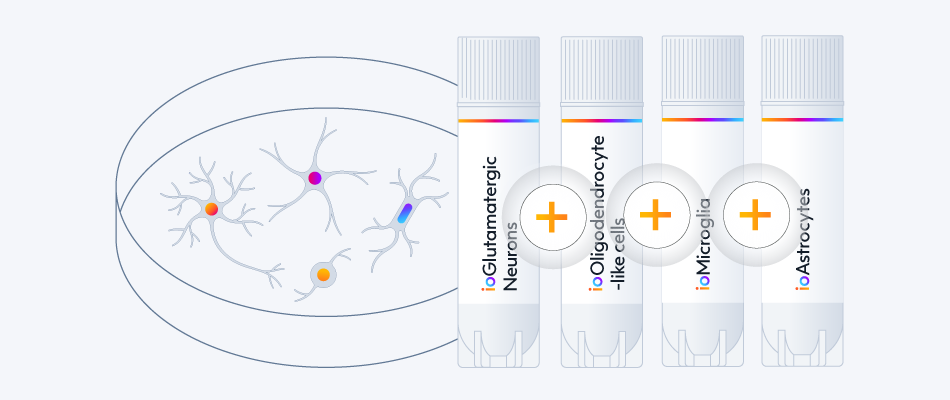
ioAstrocytes are highly pure, defined and consistent, a great companion for your CNS model.
Combine them with other neuronal and glia ioCells to generate complex multi-cell cultures.
ioGlutamatergic Neurons
ioMicroglia
ioOligodendrocyte-like cells
Interested in optimising your neuroinflammation studies?
Move into a multi-cellular model using different cell types:
ioMicroglia Male
ioGlutamatergic Neurons
ioOligodendrocyte-like cells
Tailor experimental conditions to answer your scientific question by including ioDisease Model Cells with disease-related mutations.
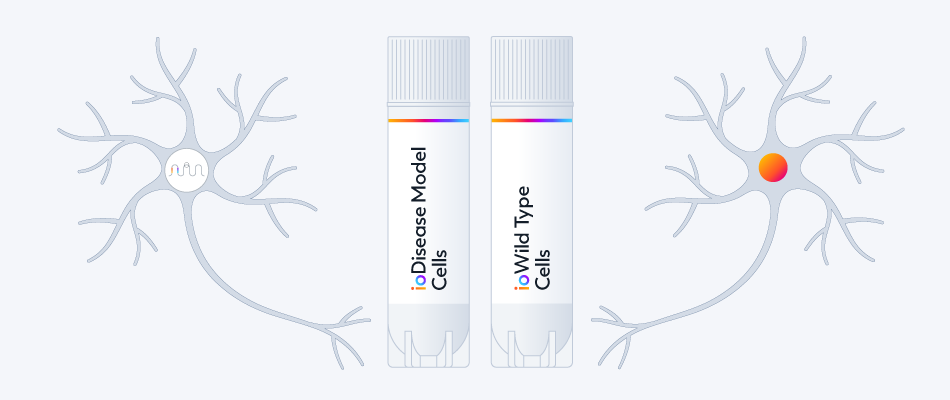
Build your custom disease model into the ioAstrocytes wild type. Use the genetically matched control in your experiments to make true comparisons in your data, being confident that even subtle variances in your data are attributable to your mutation of interest.
Start the conversation today
ioAstrocytes_2.0_Hero_image_VIM_DAPI.webp?width=604&name=(UPDATED)ioAstrocytes_2.0_Hero_image_VIM_DAPI.webp)