Glial cells include astrocytes, microglia, oligodendrocytes, and associated precursor cells that enable the brain to function. Once known as nervenkitt (a German word meaning “nerve glue”), glial cells are the “glue” that holds the nervous system together by facilitating neuronal signalling, enabling tissue plasticity, providing neuronal support and axonal integrity, metabolism, and protecting neurons from would-be pathogens [1,2].
In recent years, a greater appreciation for the role of glial cells in neuronal homeostasis has helped expose potential therapeutic targets in neurodegenerative disease. Glial cells play a complex, enigmatic role in the development and progression of Alzheimer’s disease, Parkinson’s disease, and others. Many research projects are now focussing on understanding the therapeutic potential of targeting glial cells in neurodegenerative disease [2].
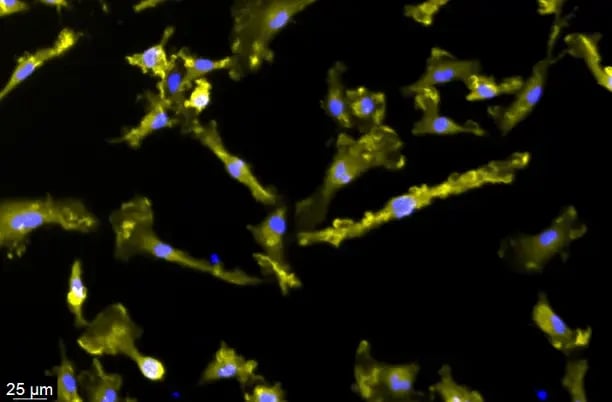
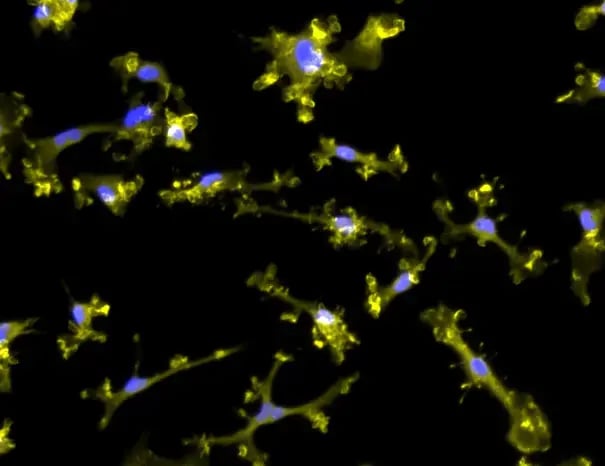
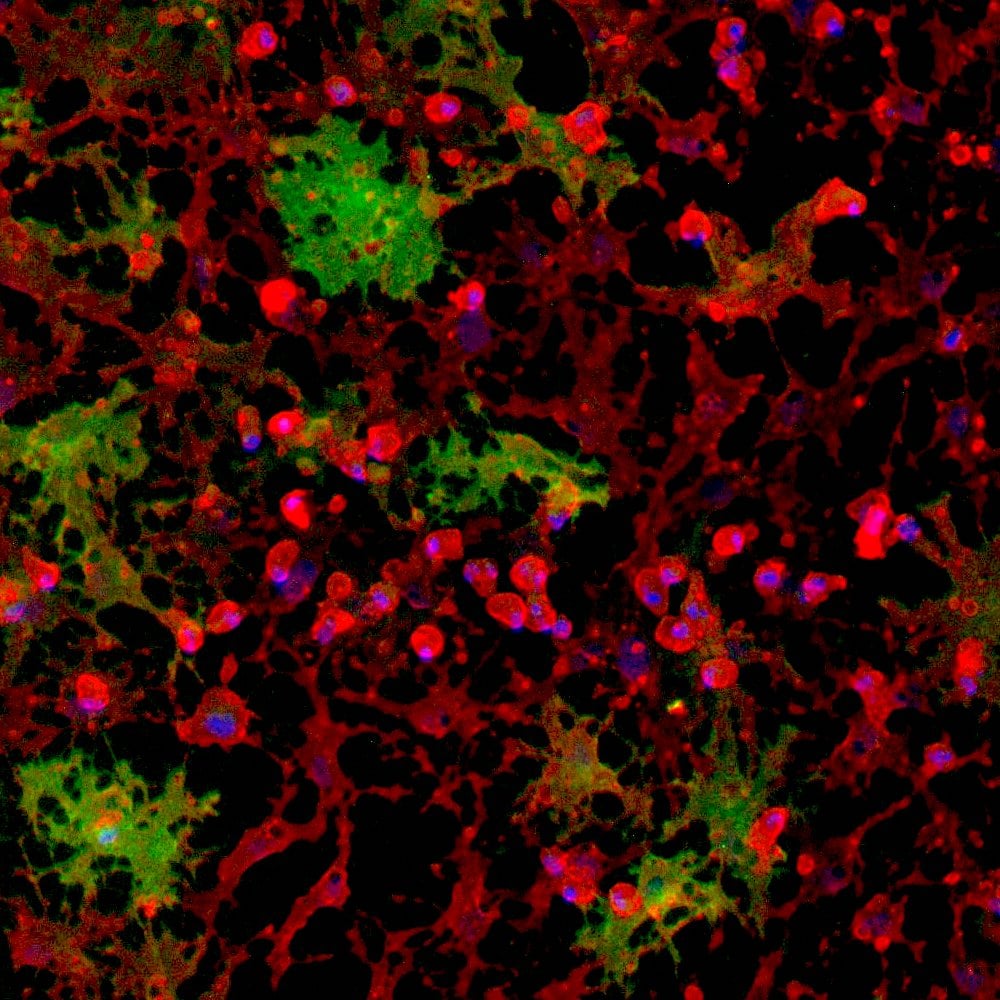
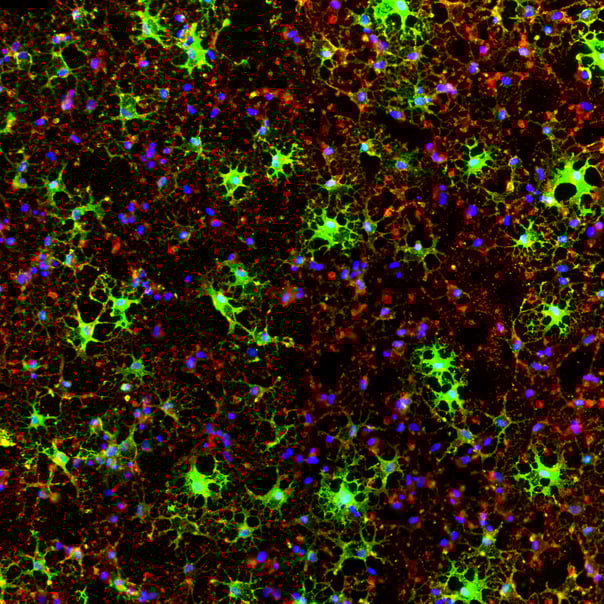
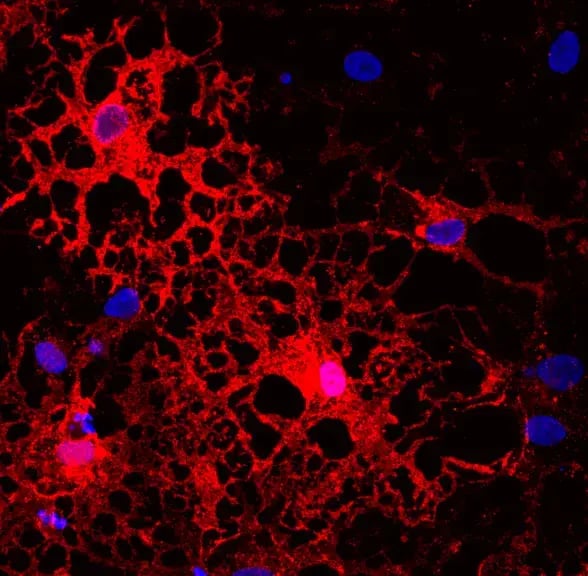
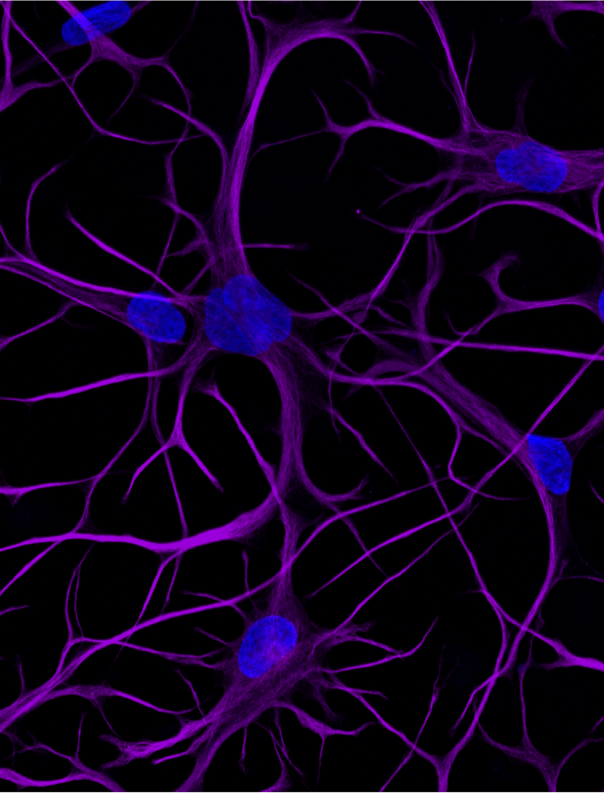
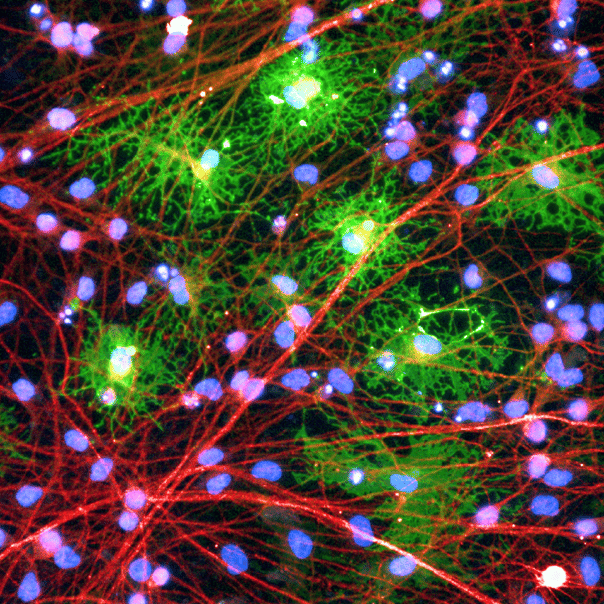
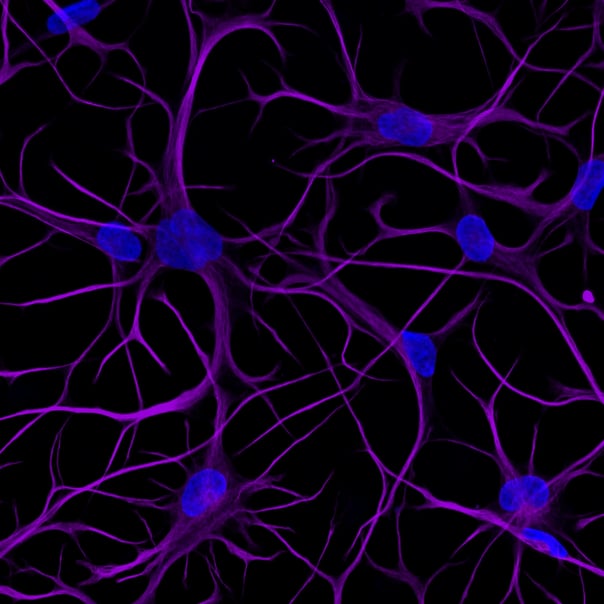
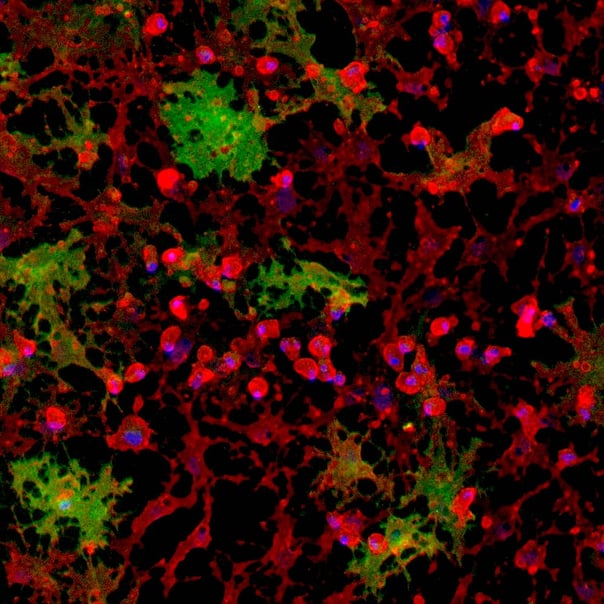
With access to a consistent and defined source of human glial cell types, researchers can build the complex, physiologically relevant glial cell culture models that are sorely needed in for drug discovery. Whether co-cultured with neurons, as part of a multi-cellular glial-neuronal culture, or used to build three-dimensional tissue models, ioCells are well suited for tissue and neurodegenerative disease modelling; for drug target identification and validation; as well as drug screening among many other uses.
Take your research to the next level with our ioCells below.
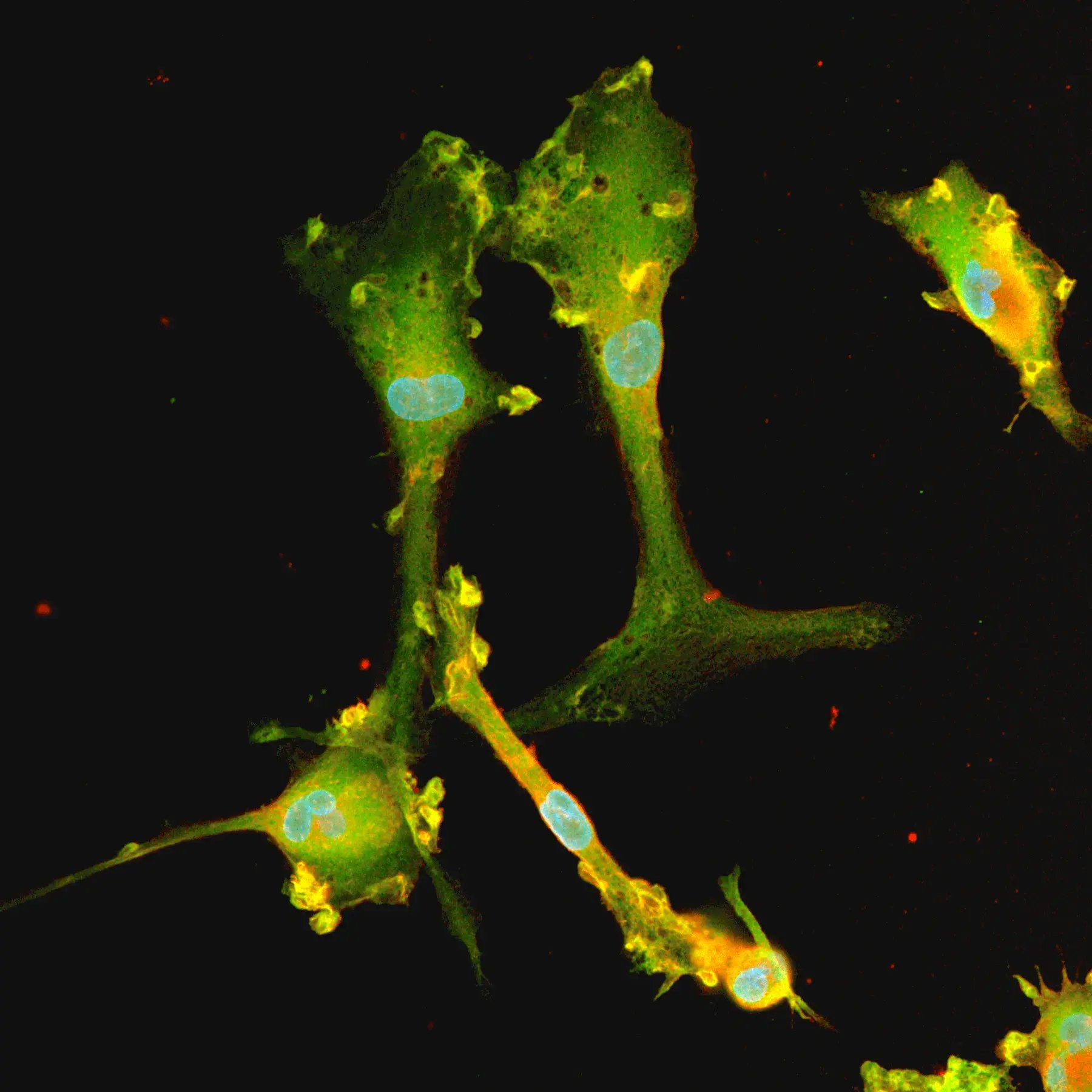
ioAstrocytes_2.0_Hero_image_VIM_DAPI.webp?width=1080&height=960&name=(UPDATED)ioAstrocytes_2.0_Hero_image_VIM_DAPI.webp)
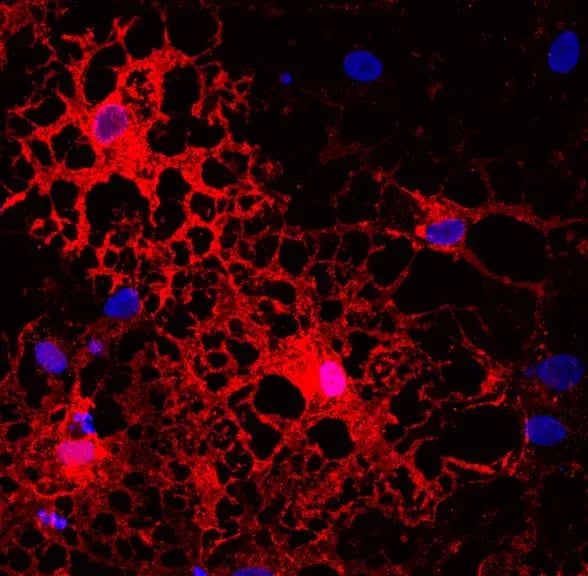
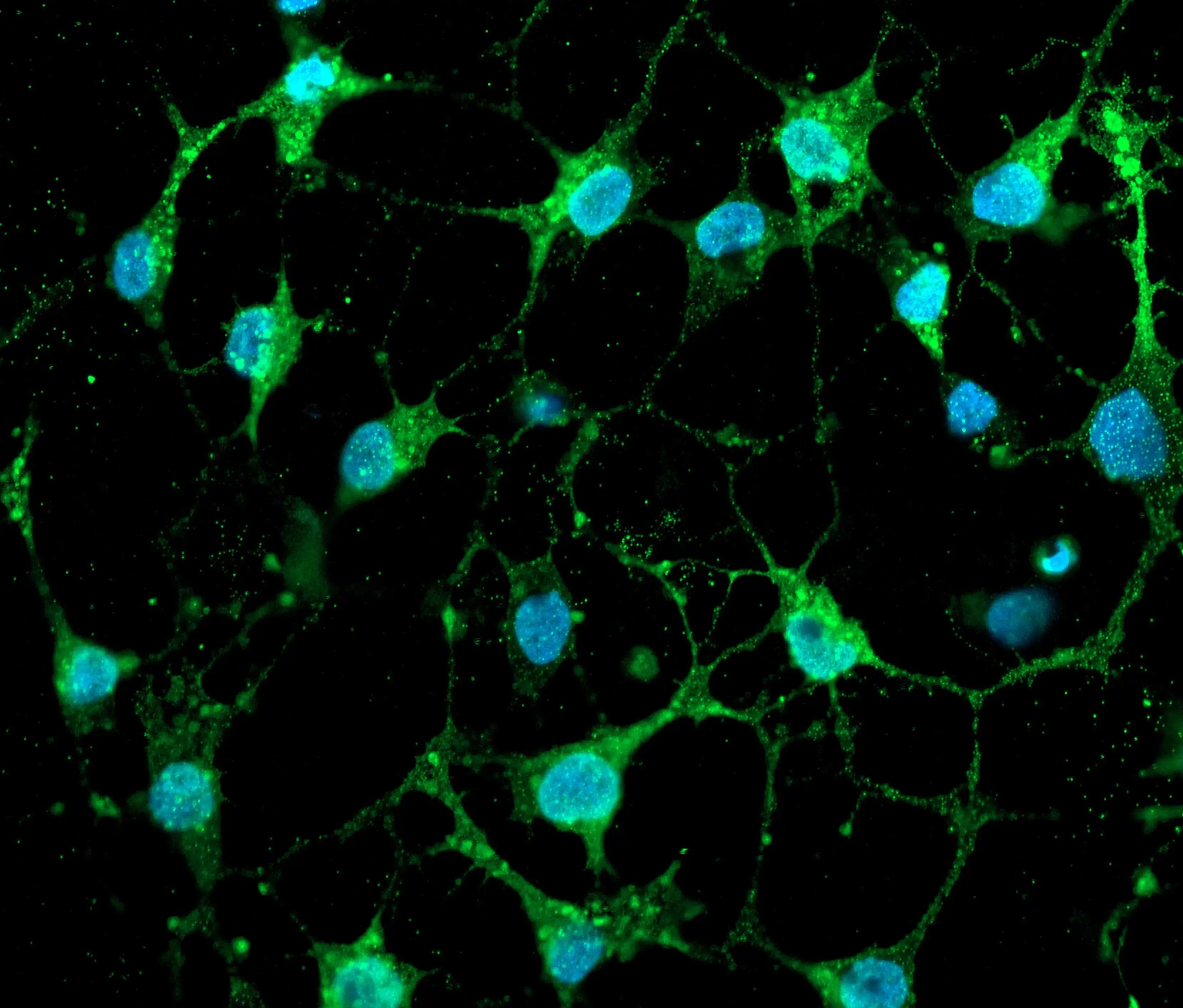
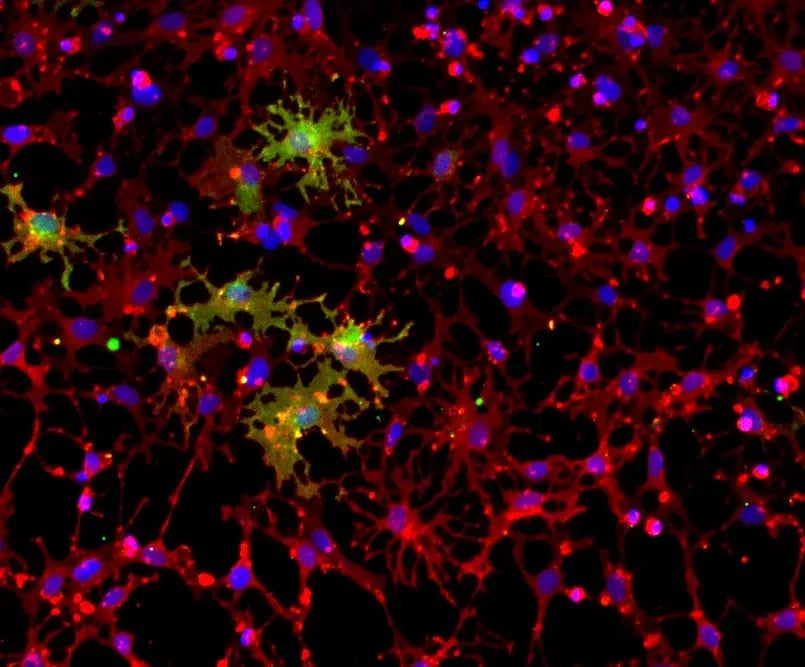
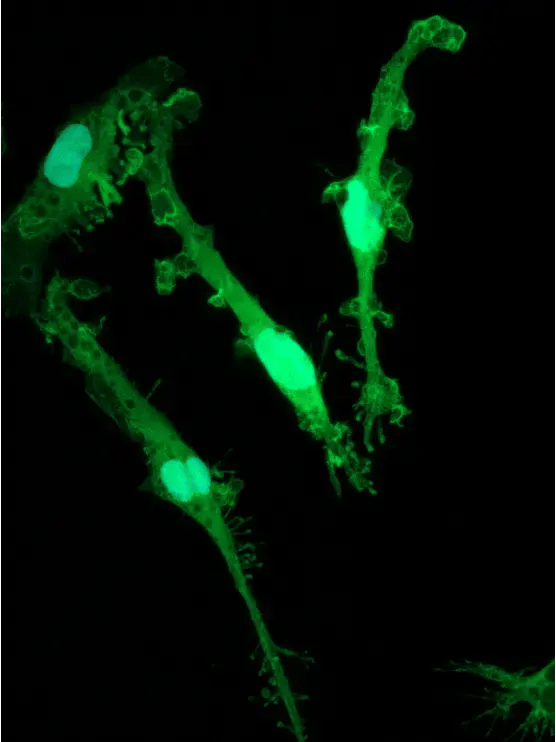
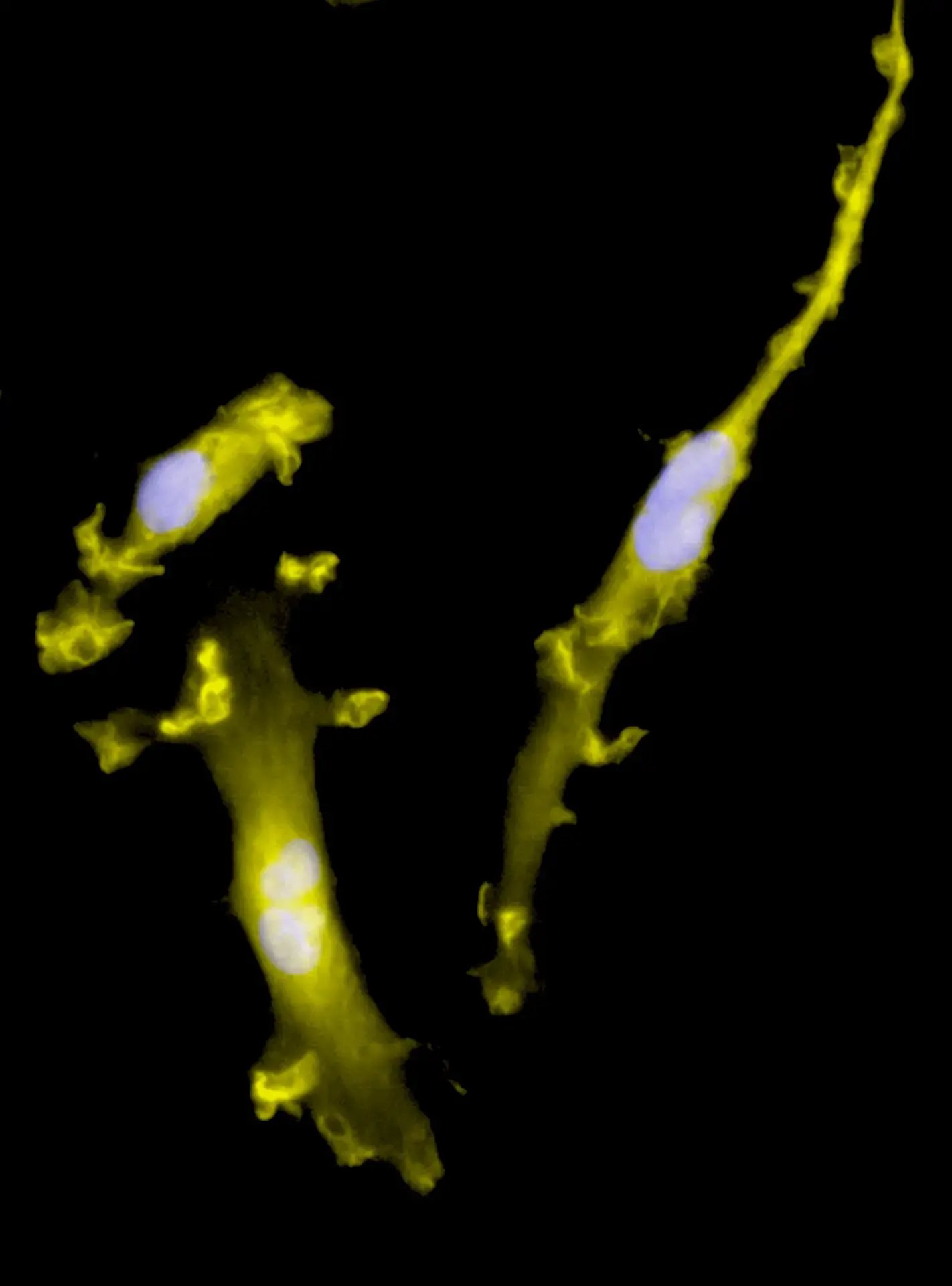
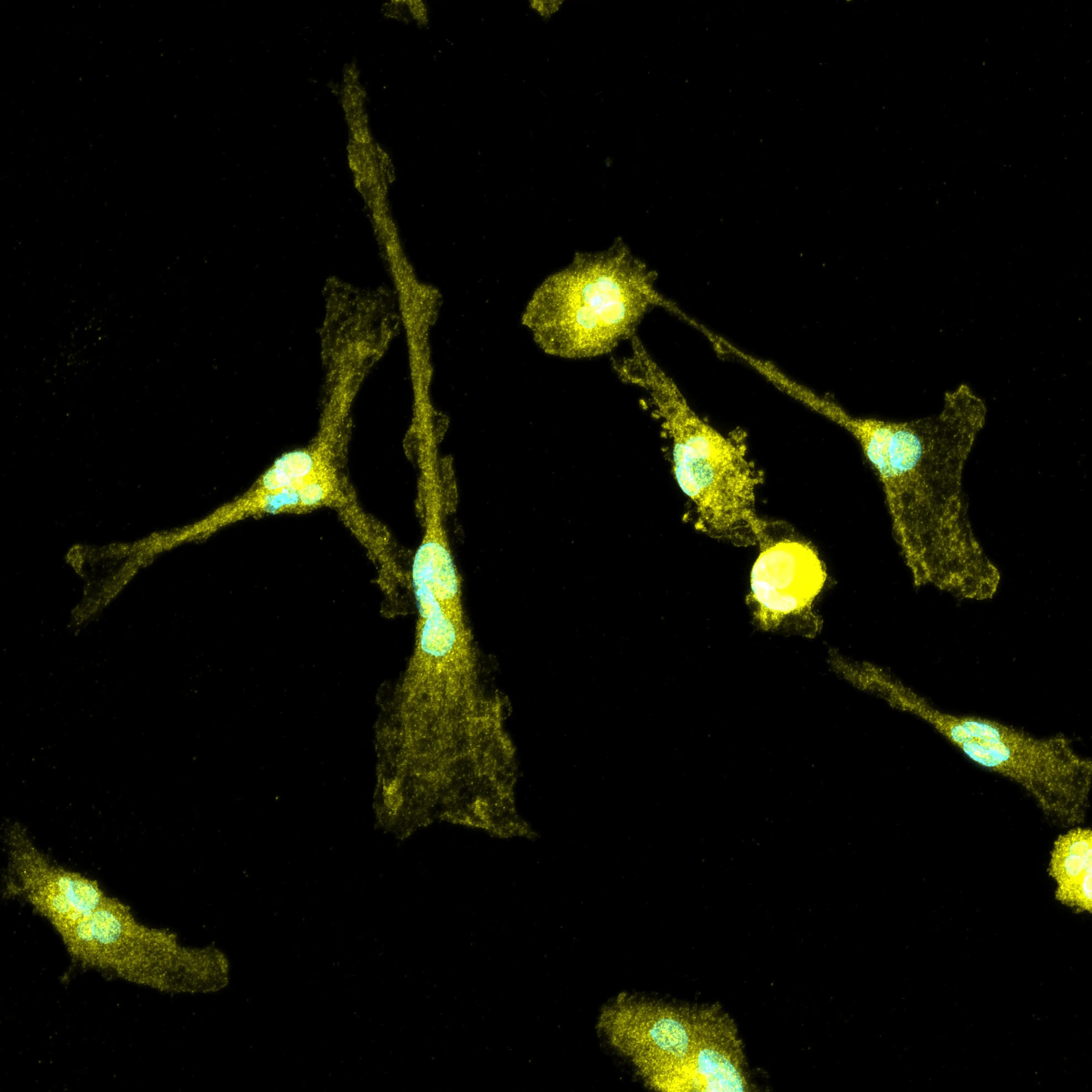
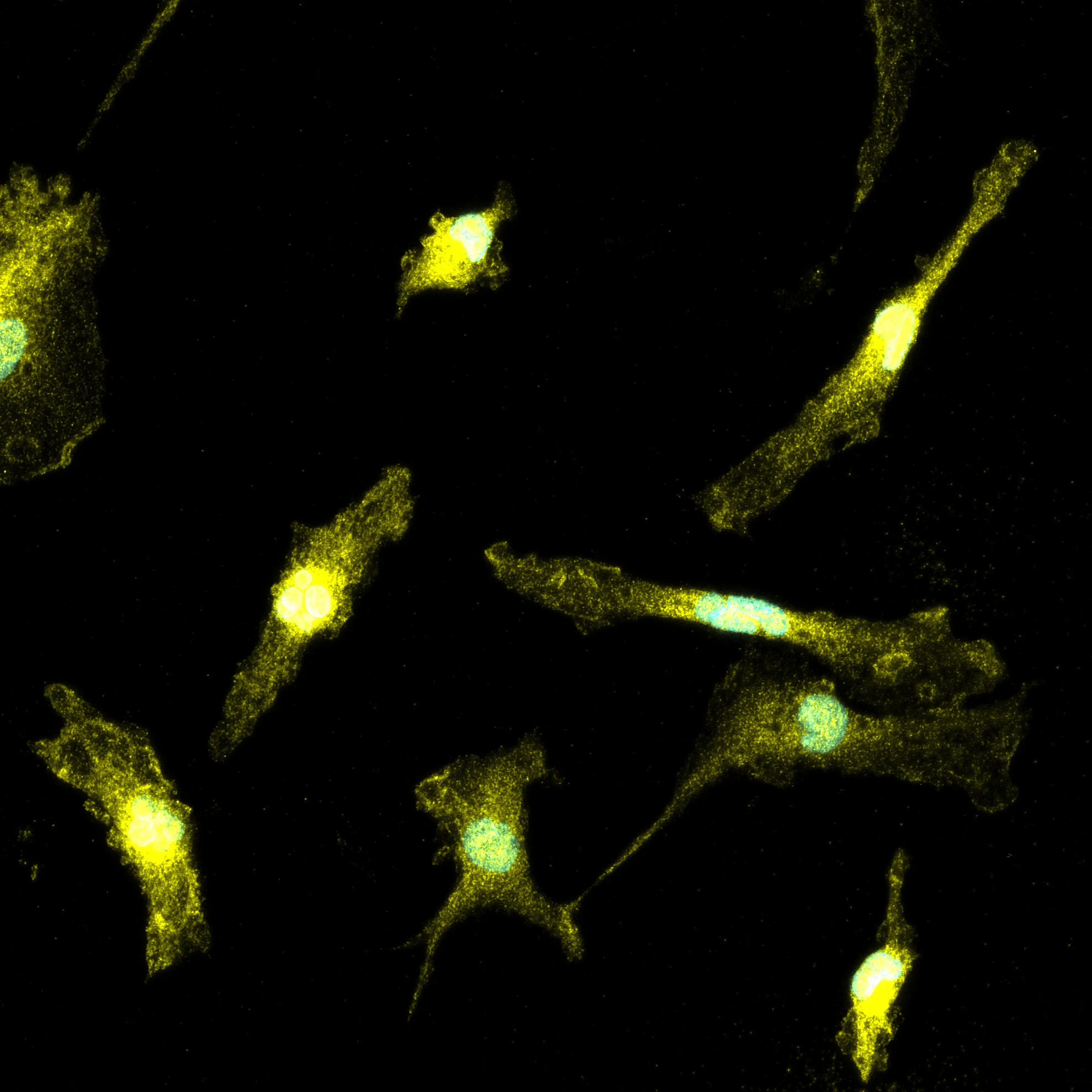
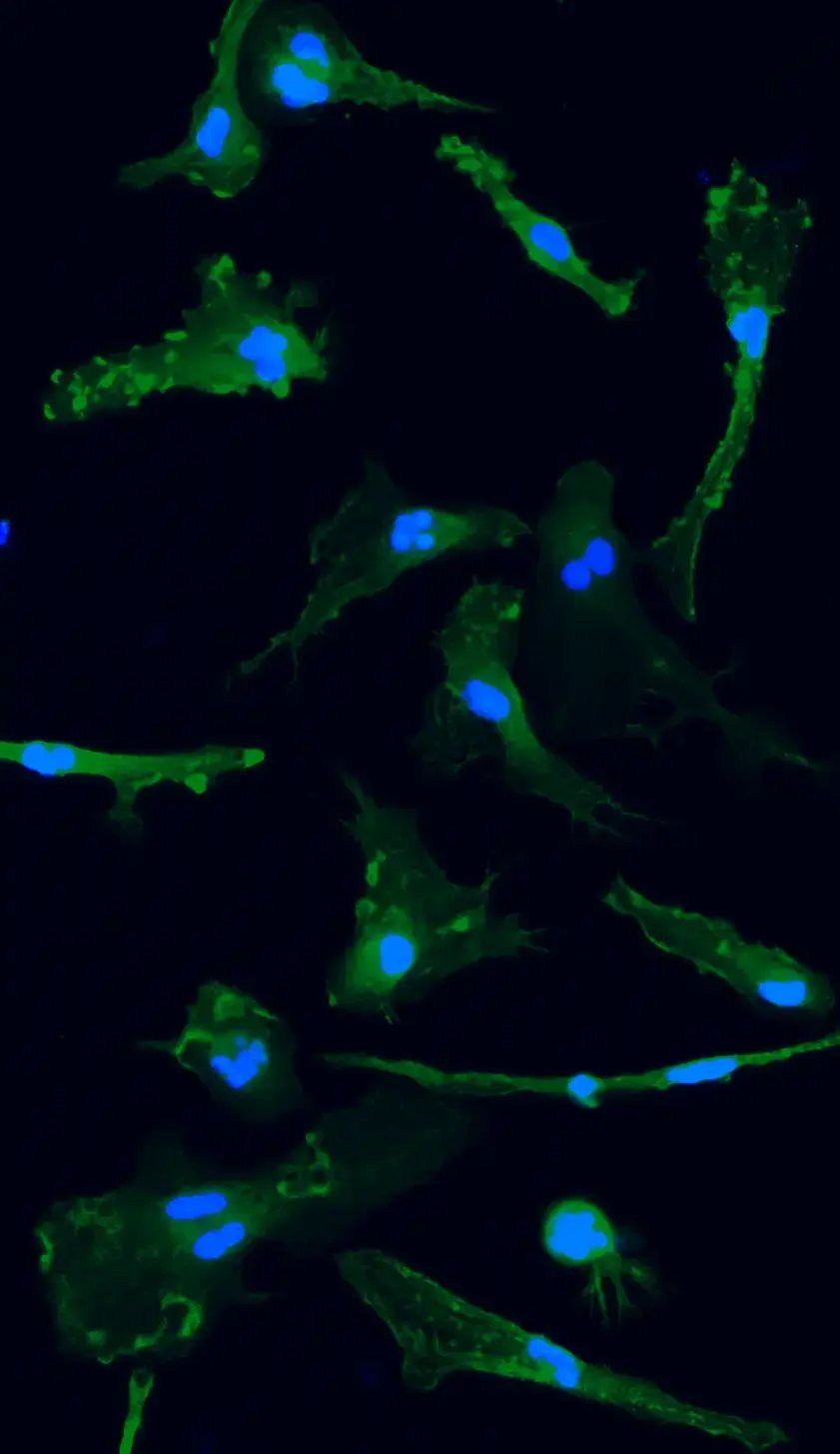
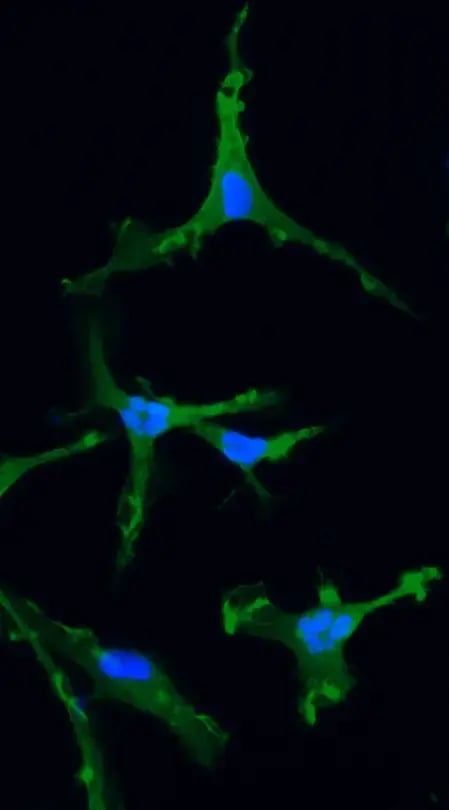
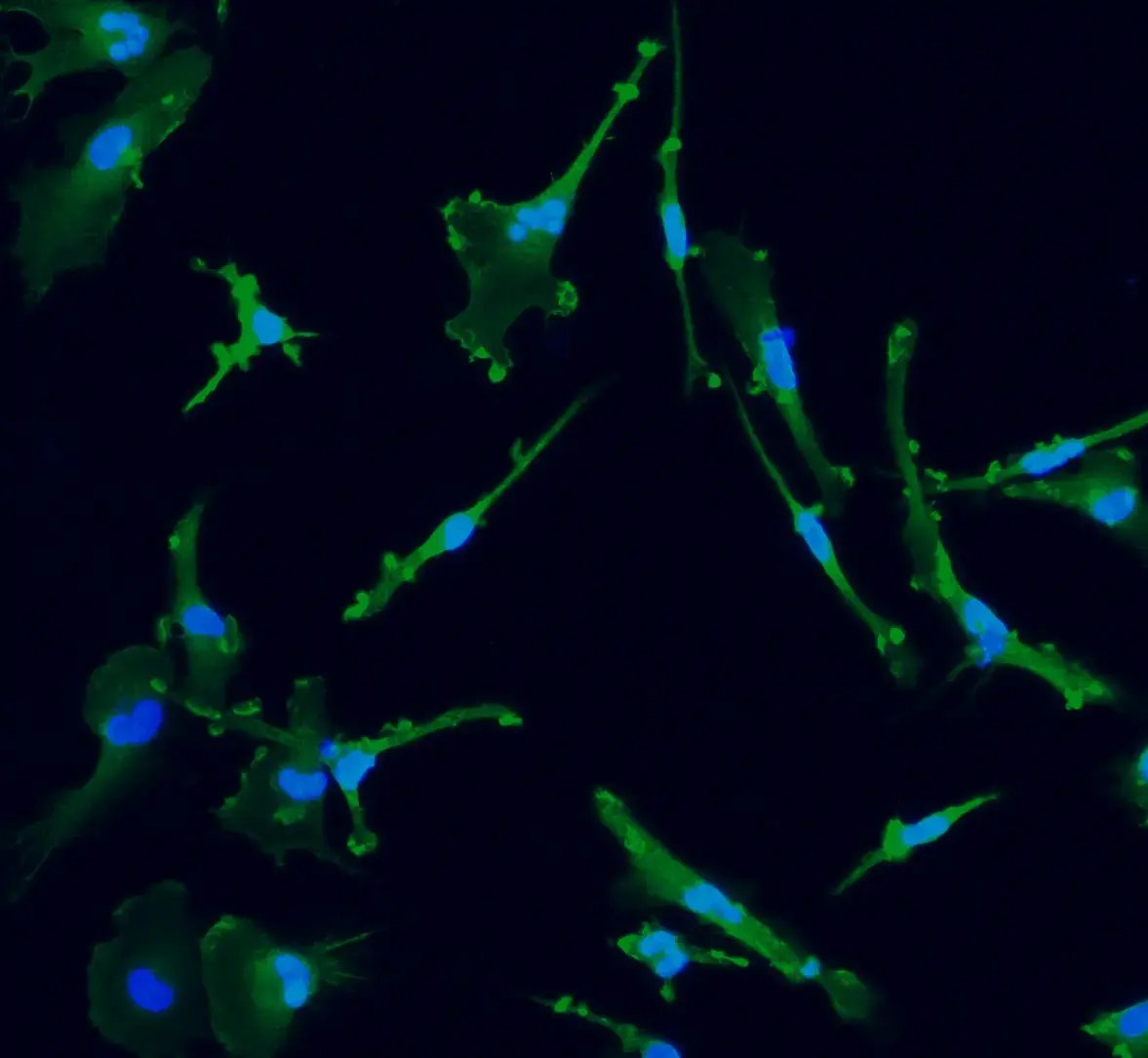
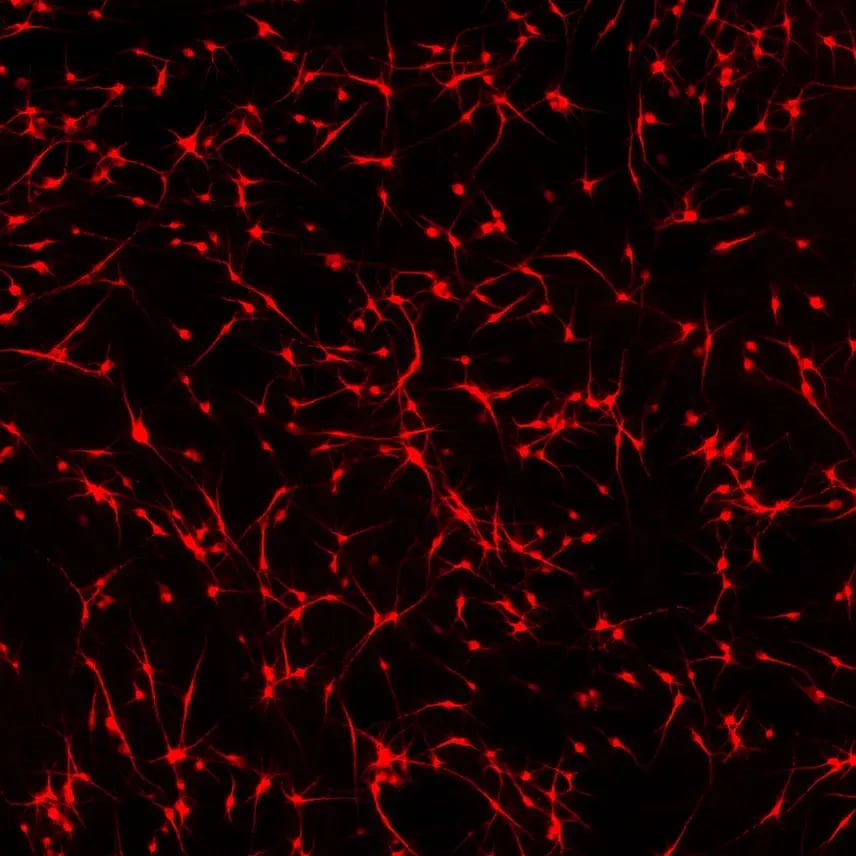
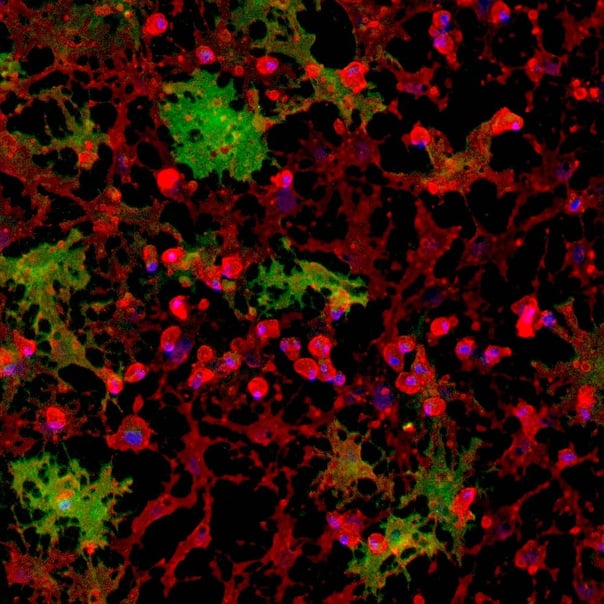
Hoescht(blue)TUBB3(blue)_day4.png?width=604&name=bit.bio_ioGlutamatergic%20Neurons_60xMAP2(red)Hoescht(blue)TUBB3(blue)_day4.png)

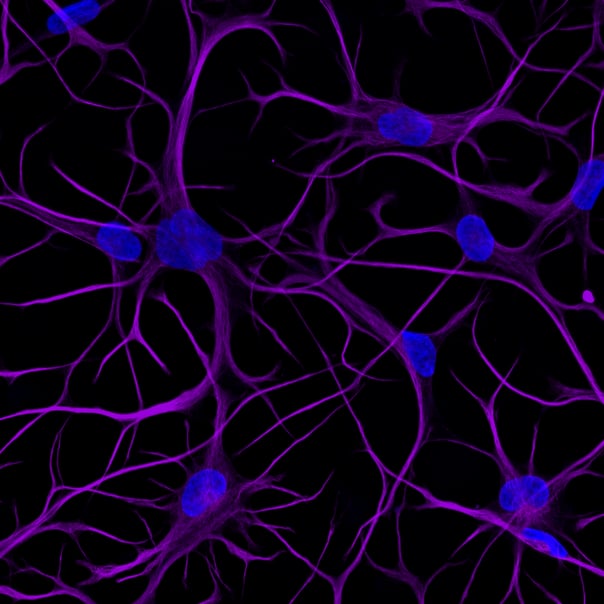
ioAstrocytes_2.0_Hero_image_VIM_DAPI.webp?width=604&name=(UPDATED)ioAstrocytes_2.0_Hero_image_VIM_DAPI.webp)