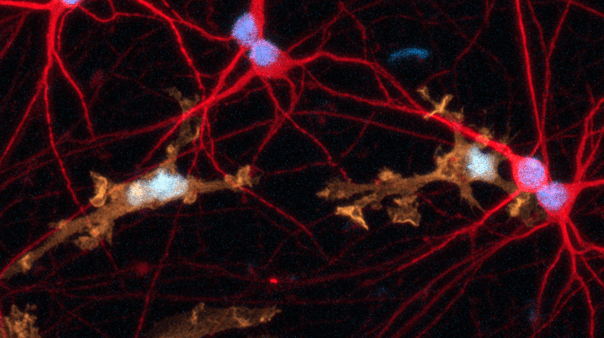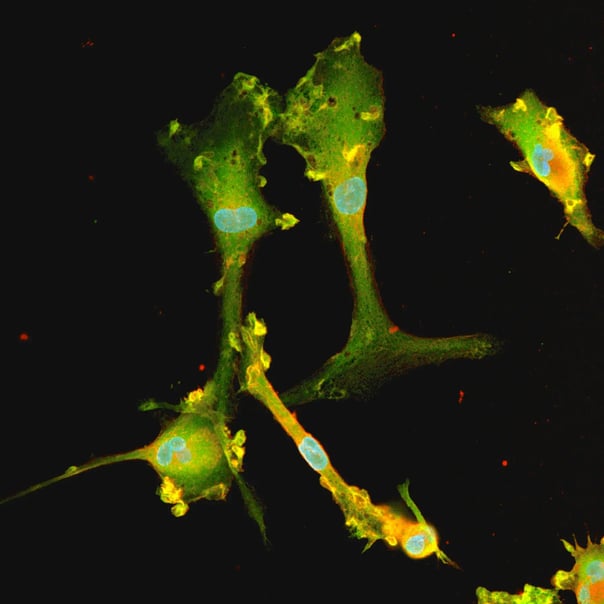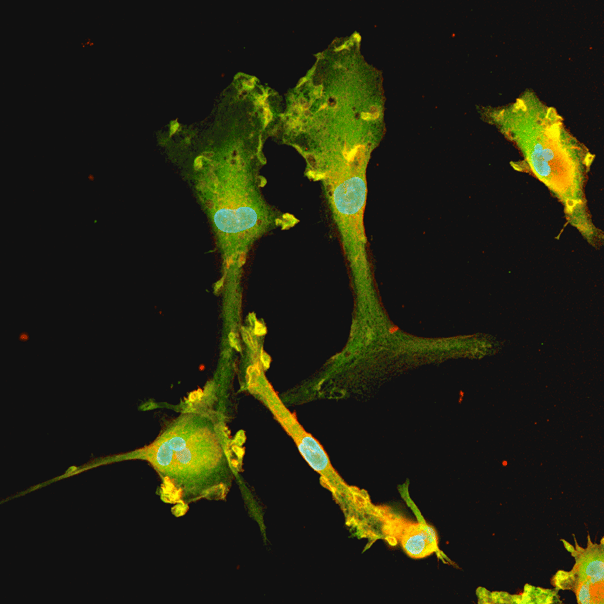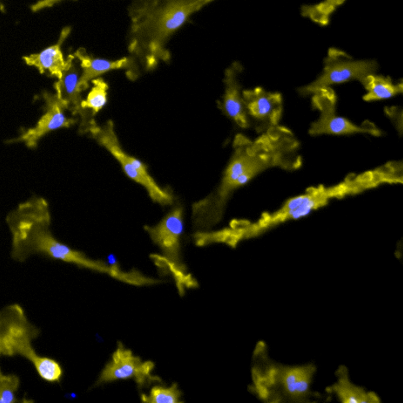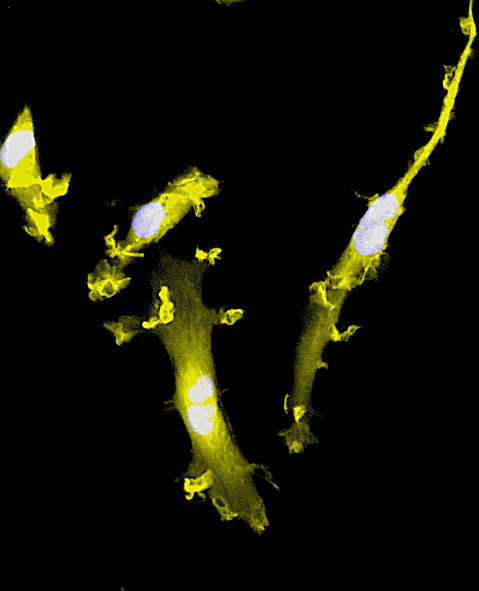
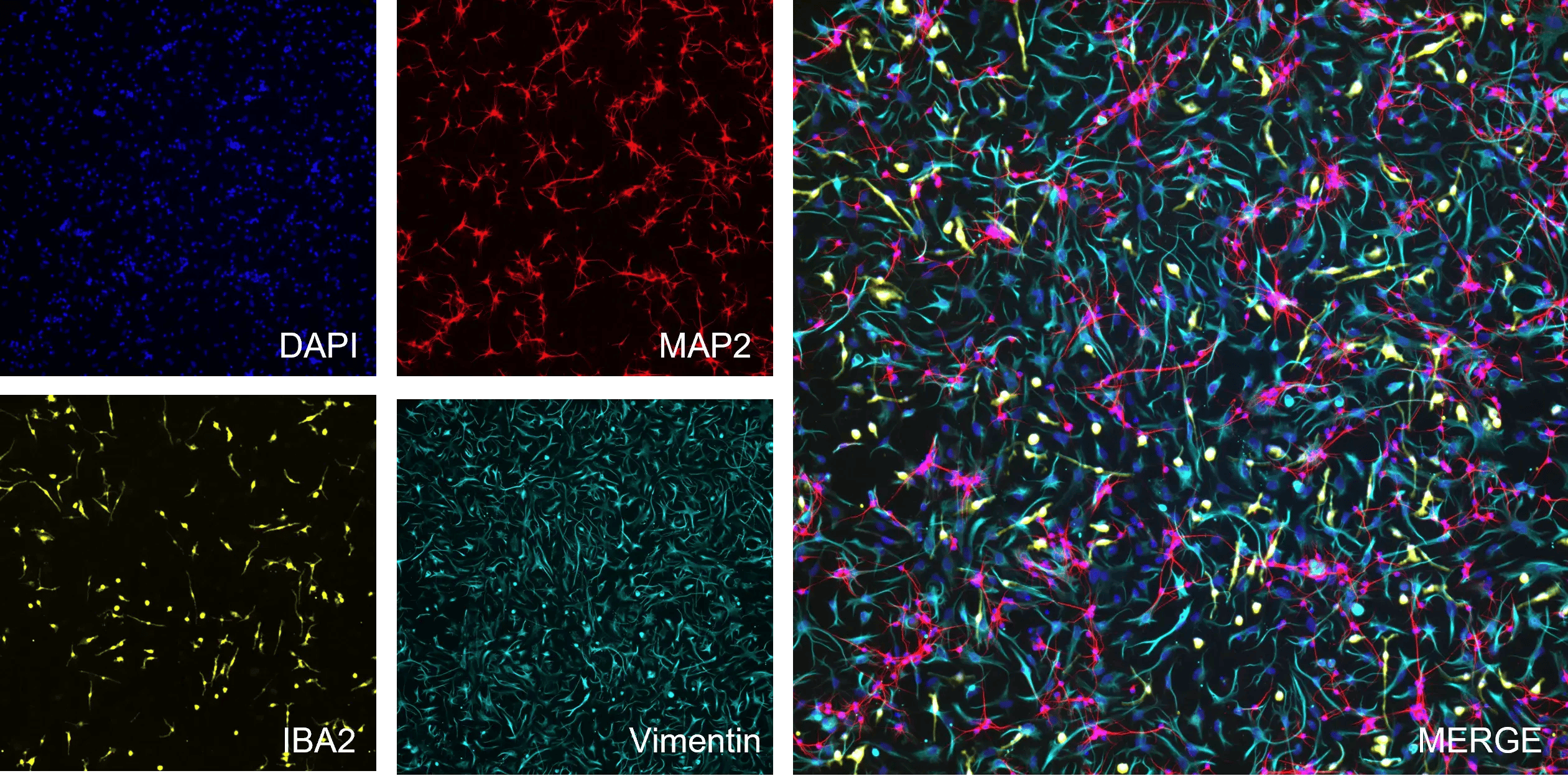
Hero image for microglia P2RY12 knockout null null
ioMicroglia P2RY12 knockout het and hom phagocytosis
ioMicroglia P2RY12 knockout het and hom cytokine secretion
P2RY12 microglia KO HOM ICC
P2RY12 microglia KO HOM BF
P2RY12 knockout hom flow cytometry plot
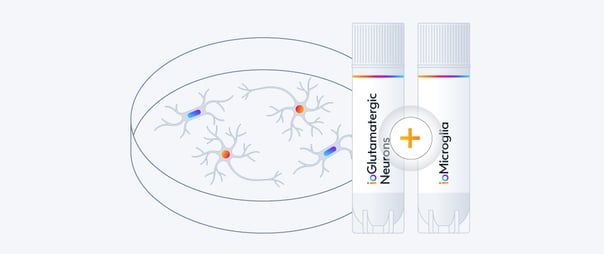
bit.bio-co-culture-neurons-and-microglia
ioMicroglia mRNA transfection
Hero image for microglia P2RY12 knockout null null
ioMicroglia P2RY12 knockout het and hom phagocytosis
ioMicroglia P2RY12 knockout het and hom cytokine secretion
P2RY12 microglia KO HOM ICC
P2RY12 microglia KO HOM BF
P2RY12 knockout hom flow cytometry plot
bit.bio-co-culture-neurons-and-microglia
ioMicroglia mRNA transfection

cat no | io6012

ioMicroglia P2RY12 null/null

Human iPSC-derived microglia model

  • Cryopreserved human iPSC-derived cells powered by opti-ox, that are ready for functional experiments in 4 days

  • Built to investigate the impact of P2RY12 knockout for neuroinflammation research

  • Consistently perform key phagocytic and cytokine secretion functions, and are co-culture compatible

Place your order

Hero image for microglia P2RY12 knockout null null

Human iPSC-derived microglia for neuroinflammation research

ioMicroglia P2RY12 knockout het and hom phagocytosis

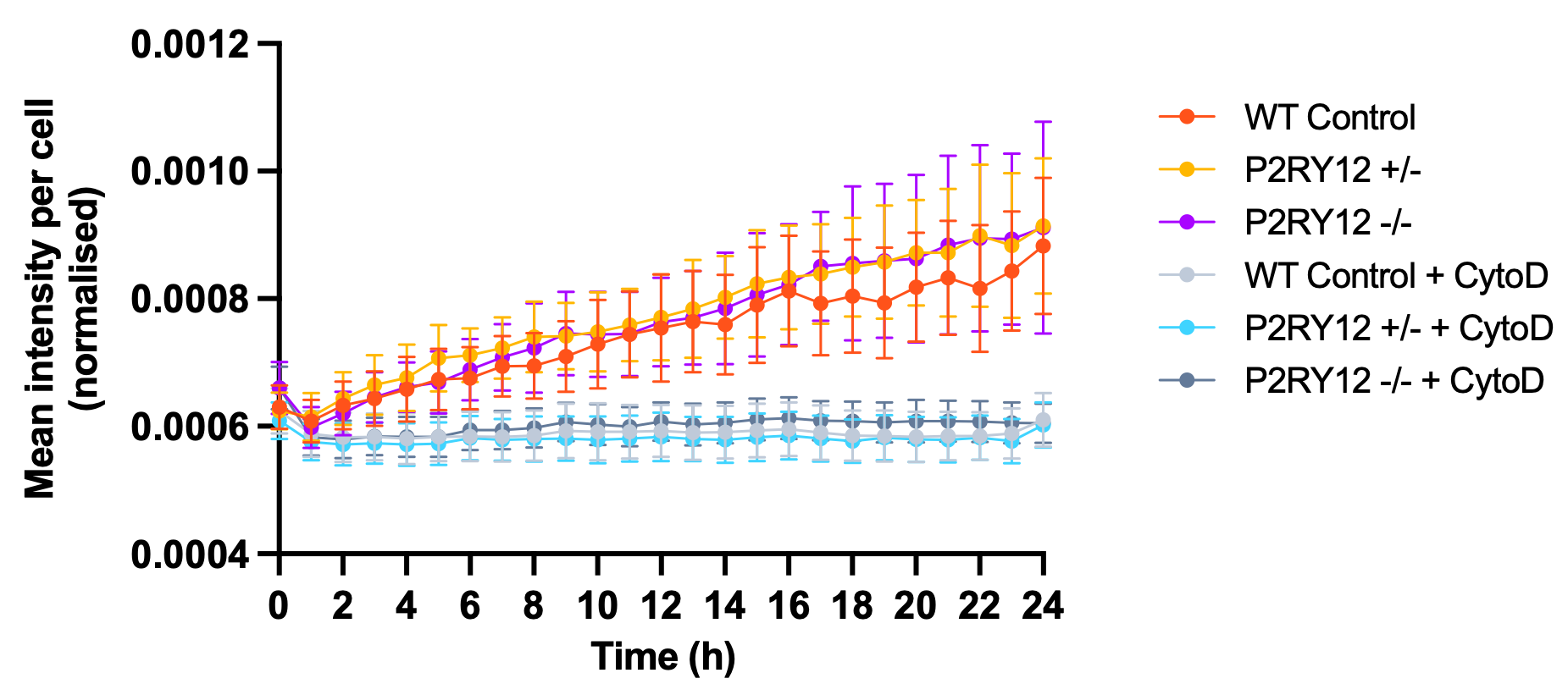
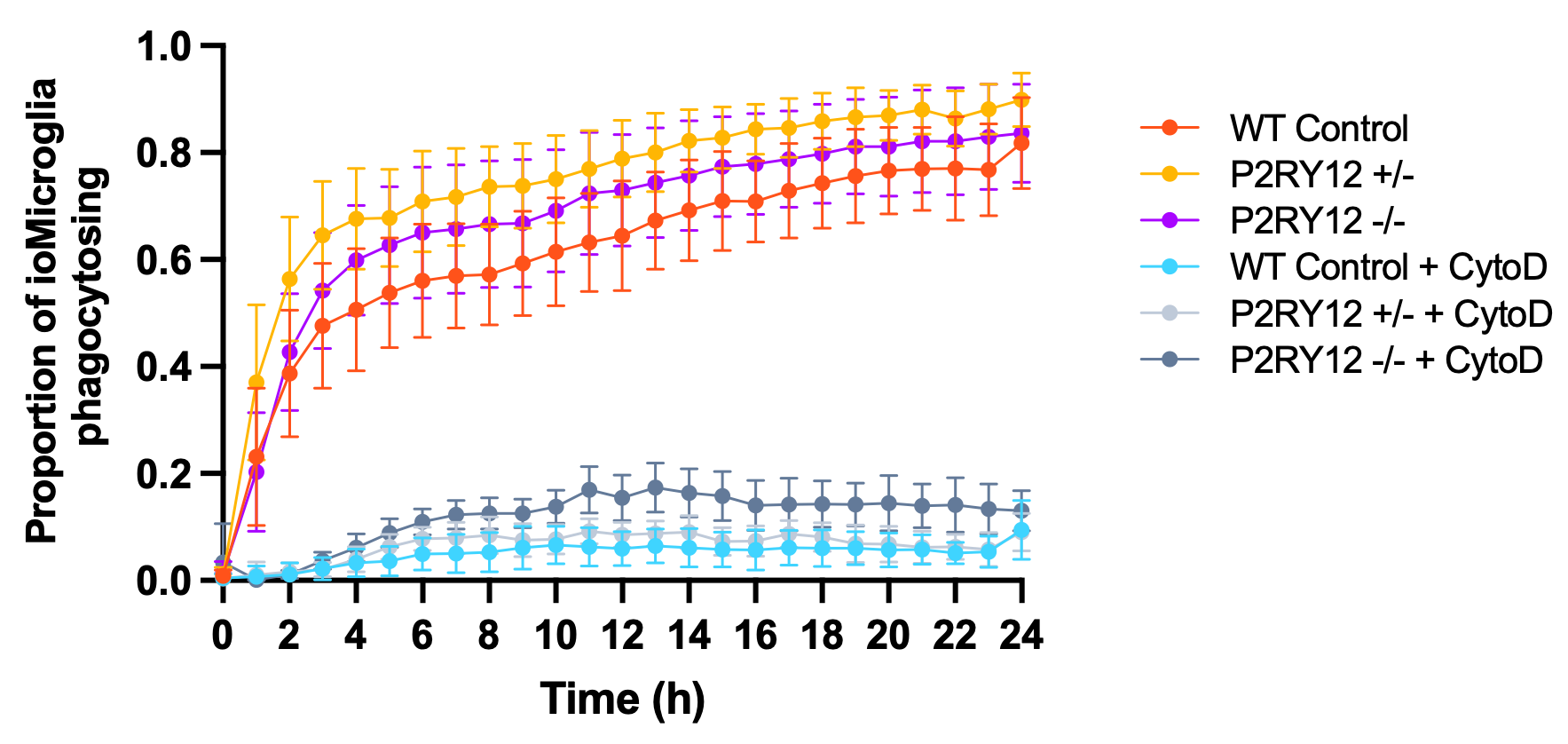
Phagocytosis capability of ioMicroglia P2RY12 null/null is comparable to the WT control and ioMicroglia P2RY12 null/WT

Phagocytosis was analysed at day 10 post-revival after incubation with 1 µg/0.33 cm2 pHrodo RED labelled E. coli particles for 24 hours +/- cytochalasin D control. The graph displays the proportion of cells phagocytosing E.coli over 24 hours. ioMicroglia P2RY12 null/null cells display a similar  proportion of phagocytosis compared to the ioMicroglia P2RY12 null/WT and WT control. Images were acquired every 30 mins on the Incucyte® looking at red fluorescence and phase contrast. Three technical replicates were performed experiment. 

ioMicroglia P2RY12 knockout het and hom cytokine secretion

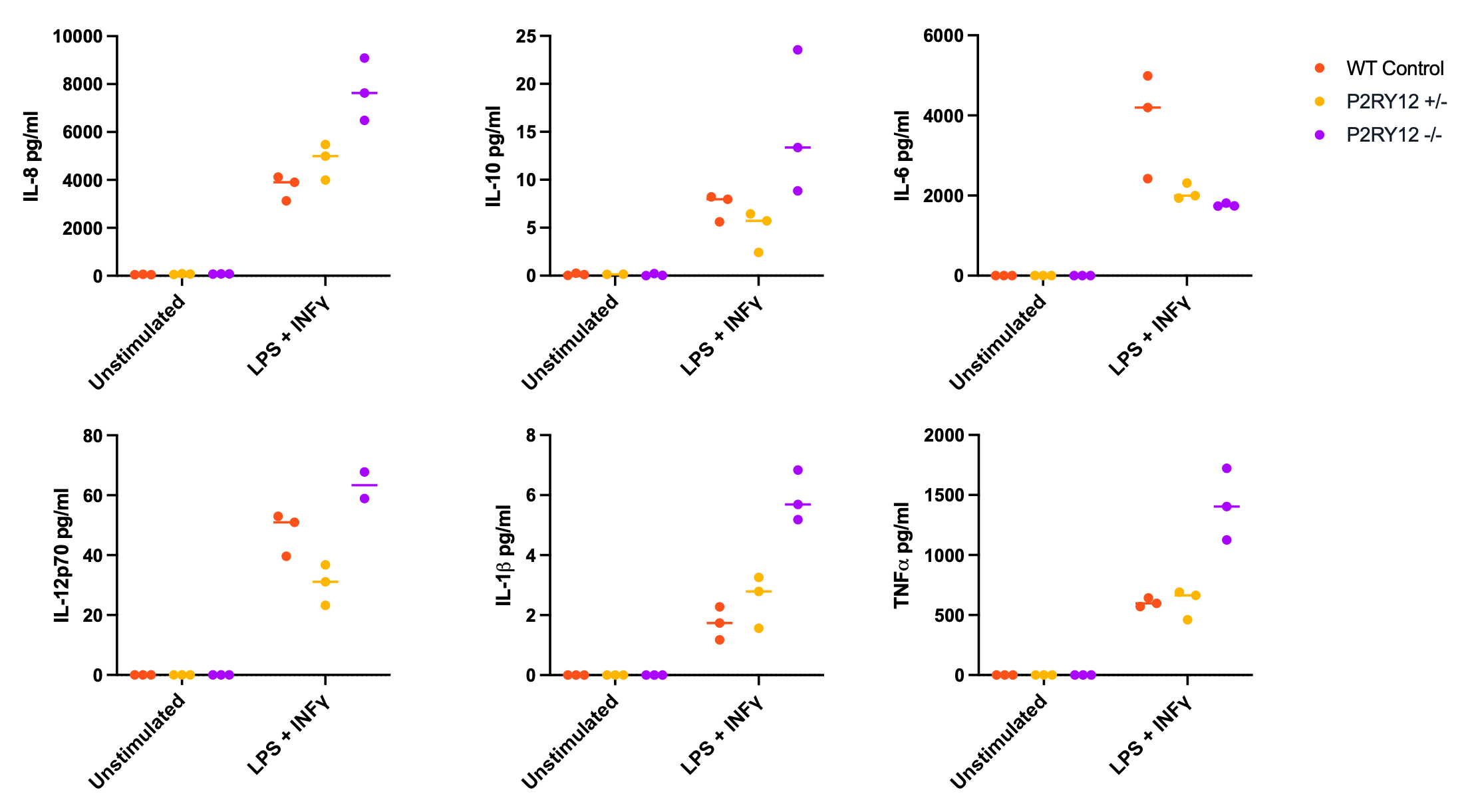
Key cytokine secretion function displayed by ioMicroglia P2RY12 null/null 

Cytokine secretion was analysed at day 10 post-revival after stimulation with LPS 100 ng/ml and IFNɣ 20 ng/ml for 24 hours. This revealed that ioMicroglia P2RY12 null/null cells display a similar level of cytokine secretion compared to the ioMicroglia P2RY12 null/WT and WT control. Supernatants were harvested and analysed using MSD V-plex Proinflammatory Kit. Three technical replicates were performed per experiment.

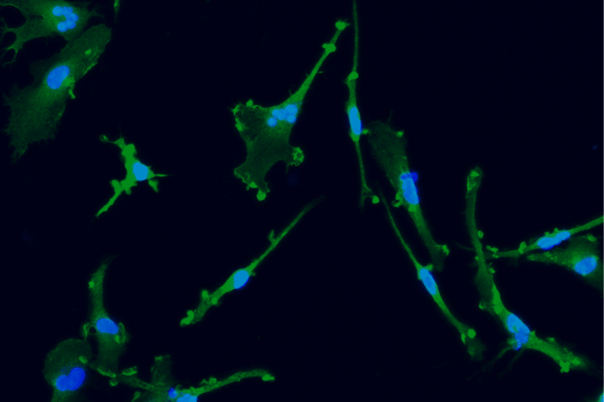
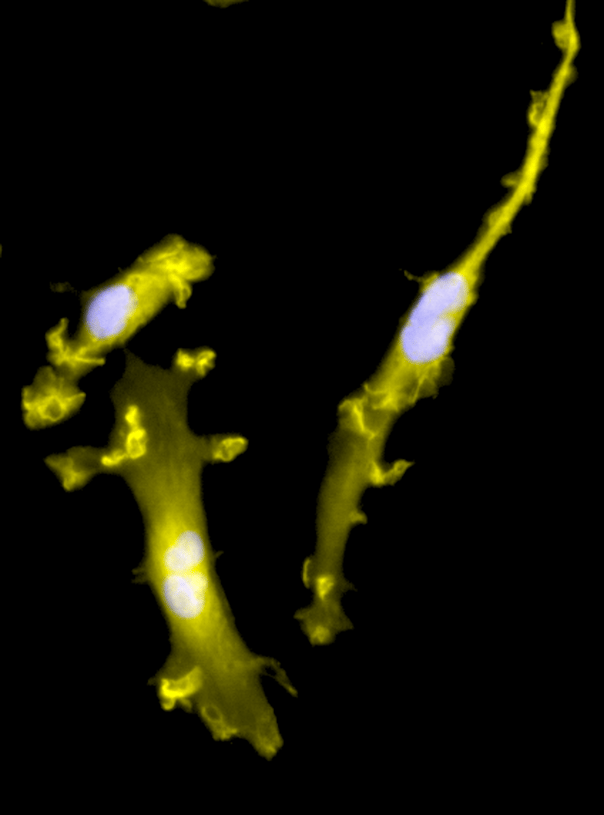
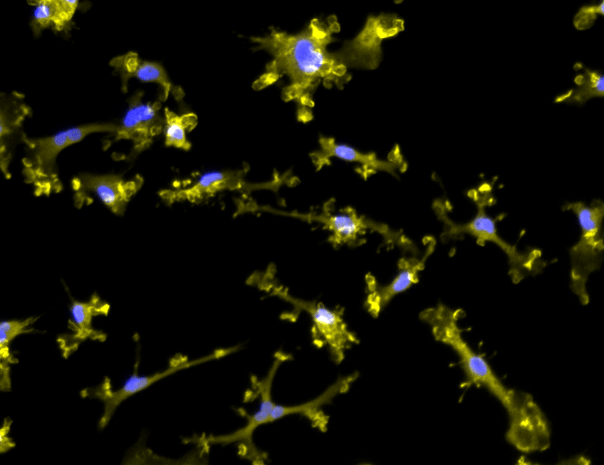
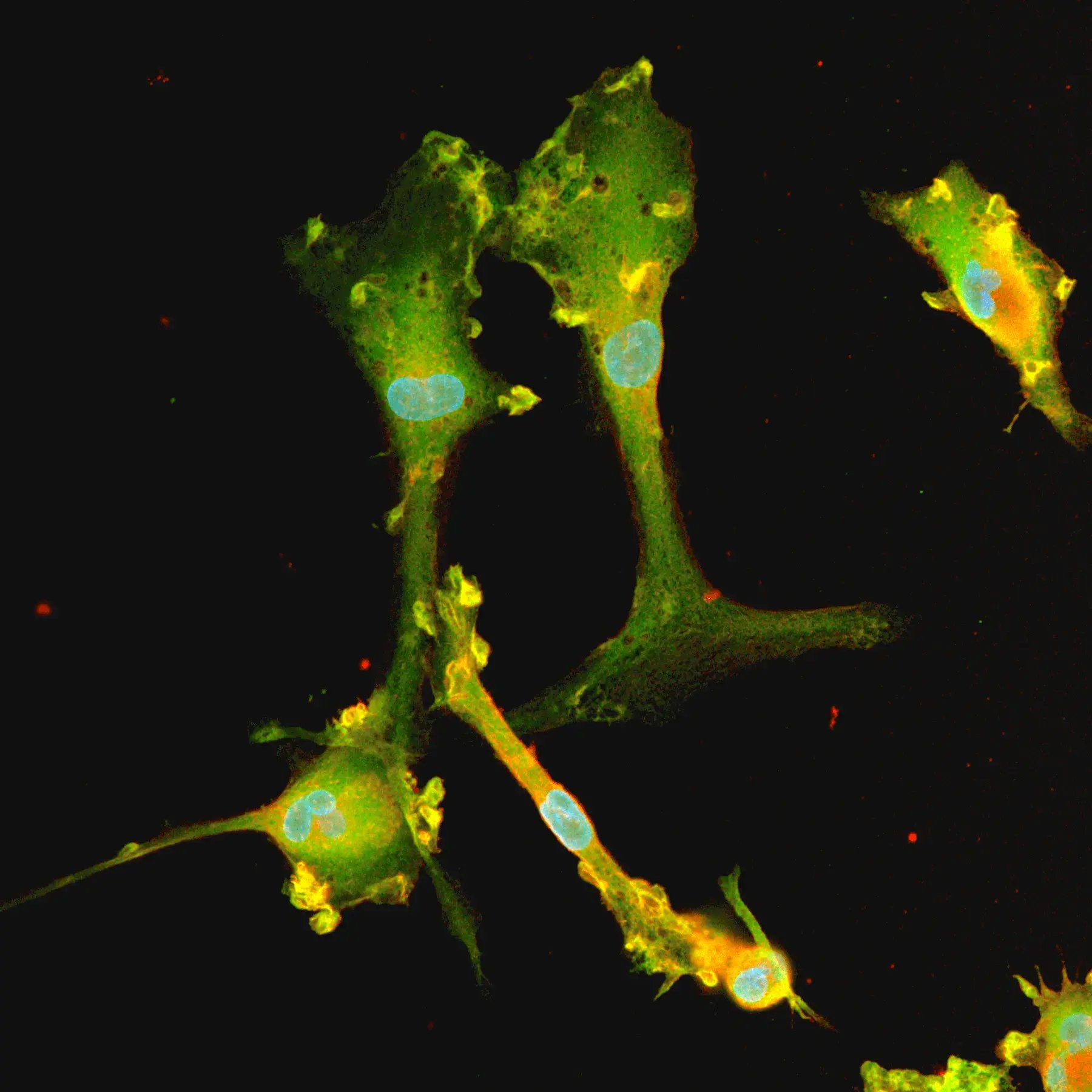
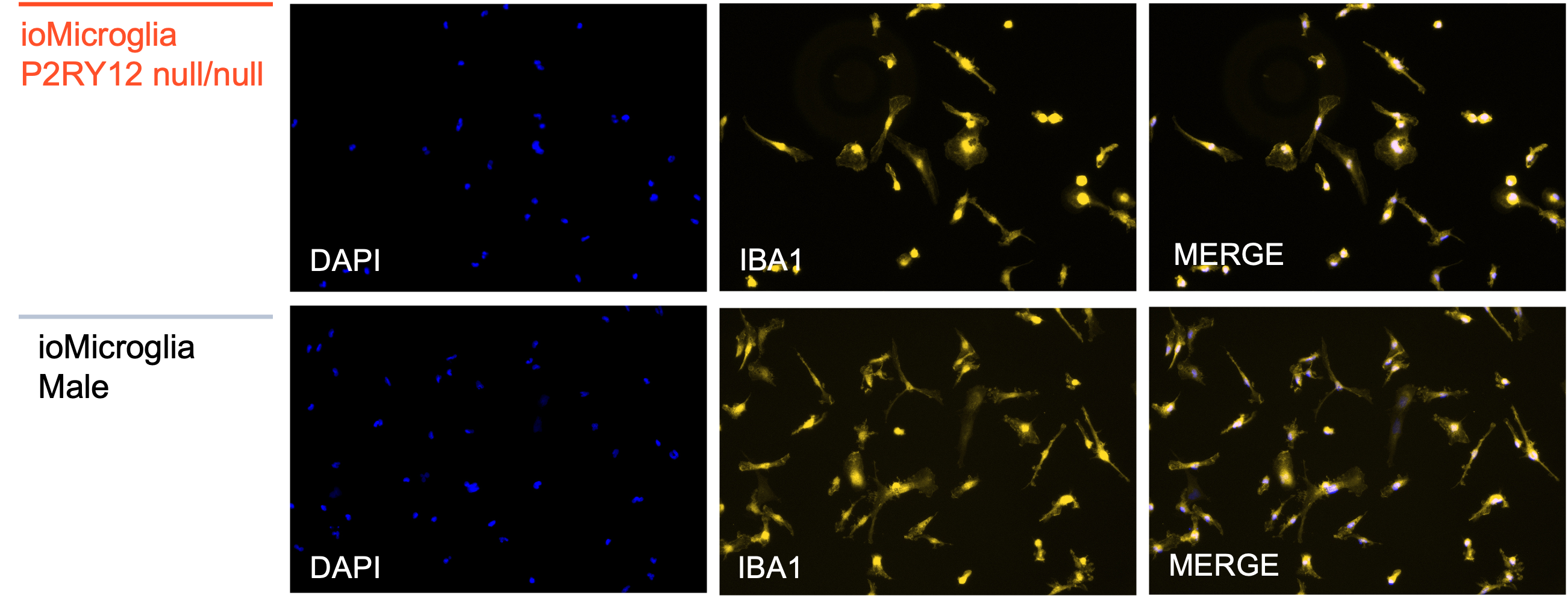
P2RY12 microglia KO HOM ICC

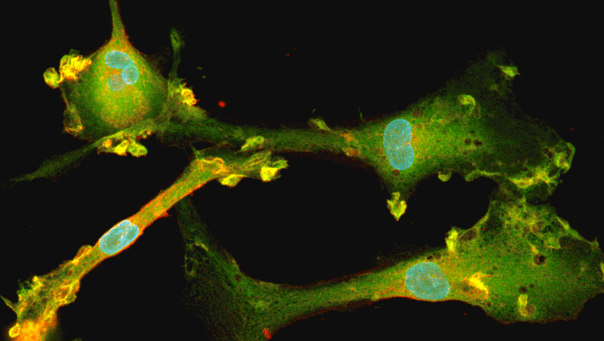
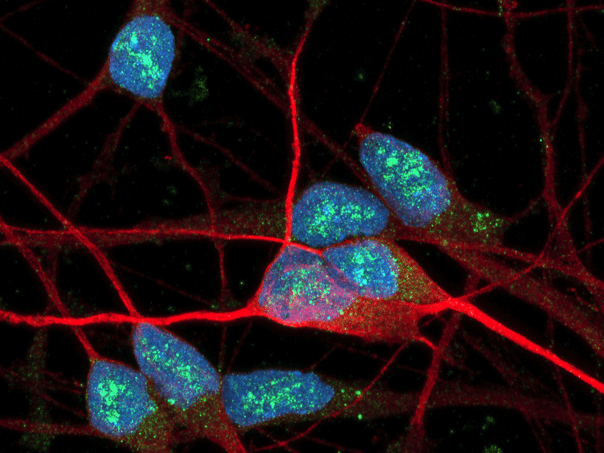
ioMicroglia P2RY12 null/null express IBA1 comparably to the genetically matched wild-type control

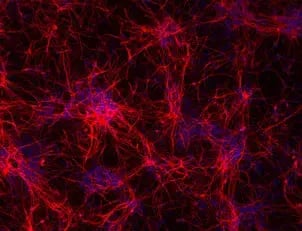
Immunofluorescent staining on day 10 post-revival demonstrates similar homogenous expression of the microglia marker IBA1 and ramified morphology in ioMicroglia P2RY12 null/null cells compared to the genetically matched wild-type control, ioMicroglia Male. 100X magnification.

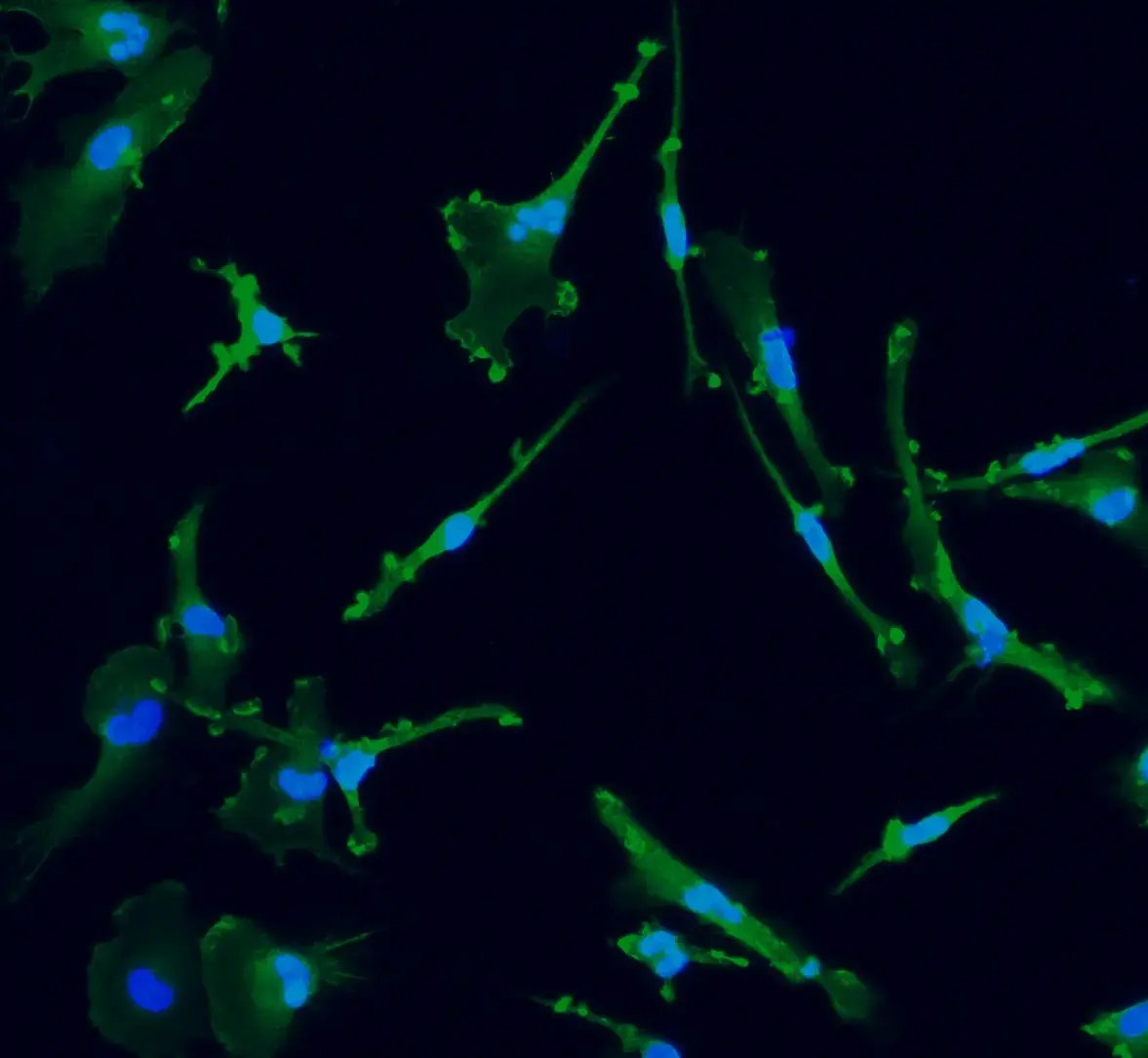
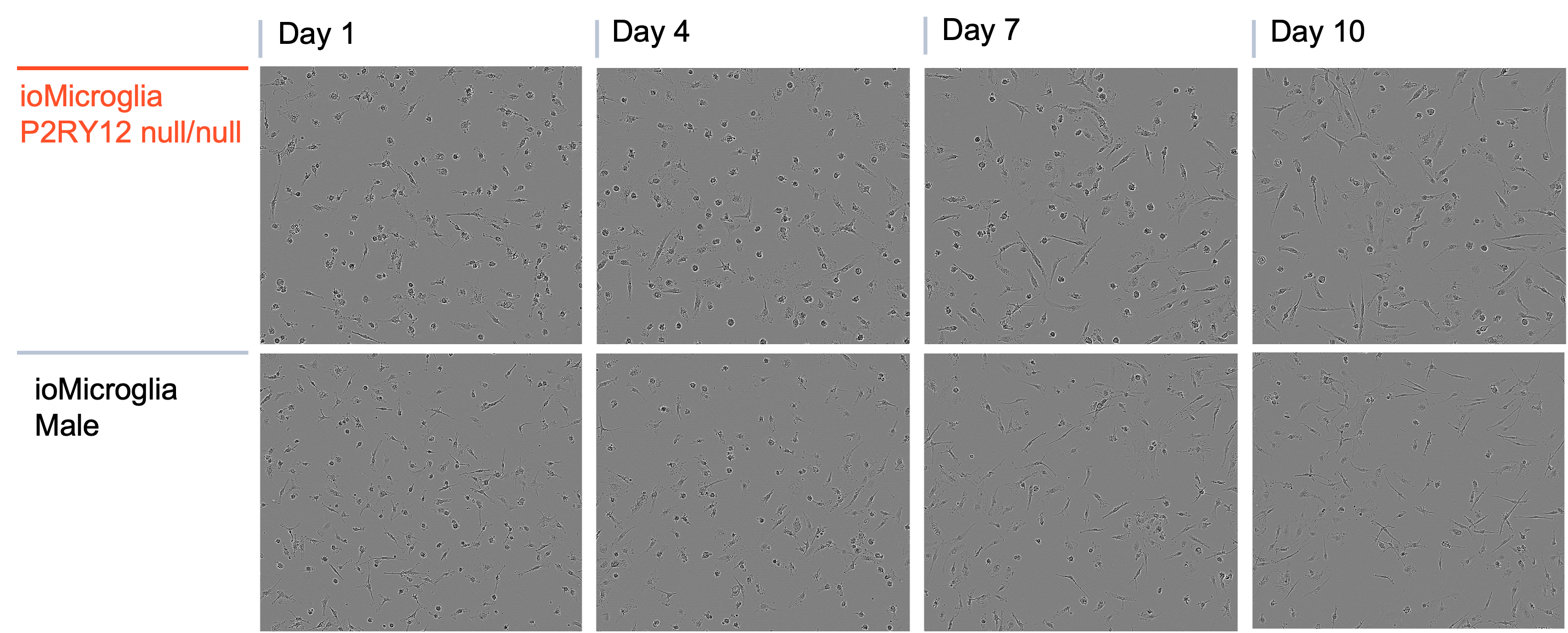
P2RY12 microglia KO HOM BF

ioMicroglia P2RY12 null/null show expected ramified morphology by day 10

ioMicroglia P2RY12 null/null cells mature rapidly and key ramified morphology can be identified by day 4 and continues through to day 10, similarly to the WT control. Day 1 to 10 post-thawing; 100x magnification.

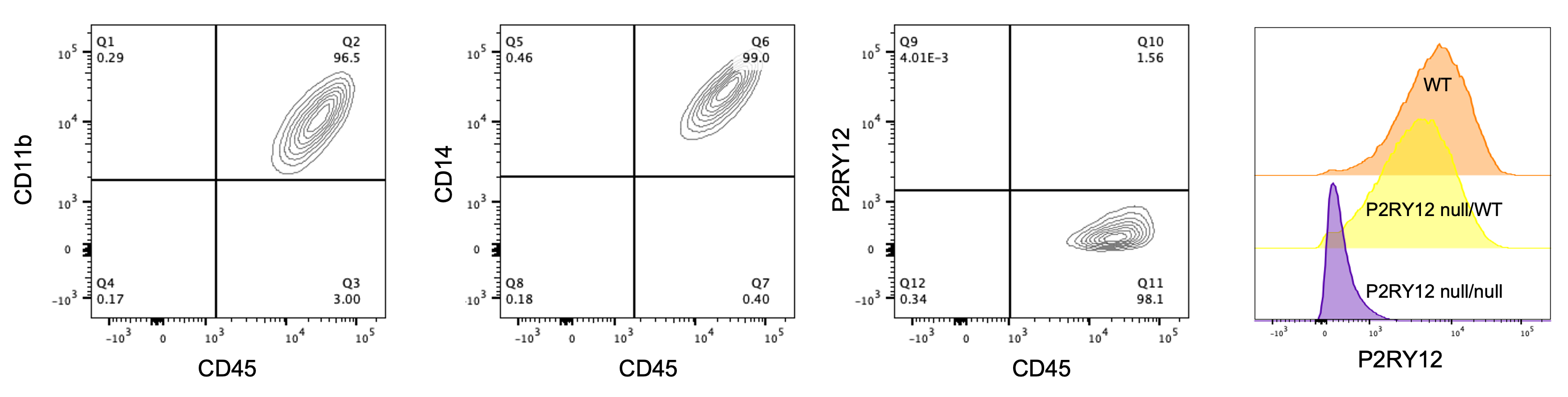
P2RY12 knockout hom flow cytometry plot

P2RY12 null/null homozygous knockout confirmed by flow cytometry analysis

Flow cytometry analysis of ioMicroglia P2RY12 null/null demonstrates homozygous knockout of the P2RY12 gene translating to the protein level. Microglia purity demonstrated by >95% expression of CD45, CD11b and CD14 expression.

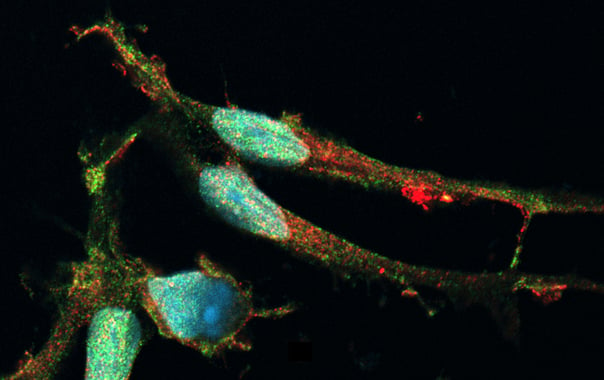
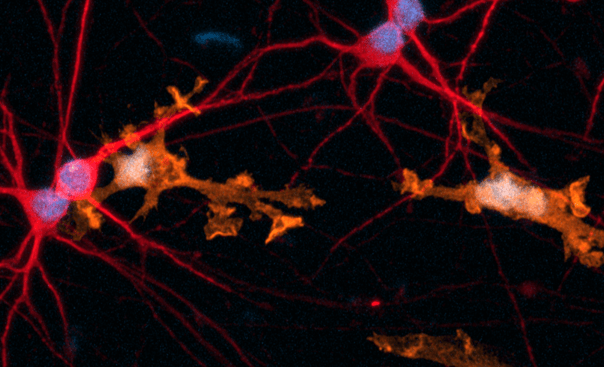
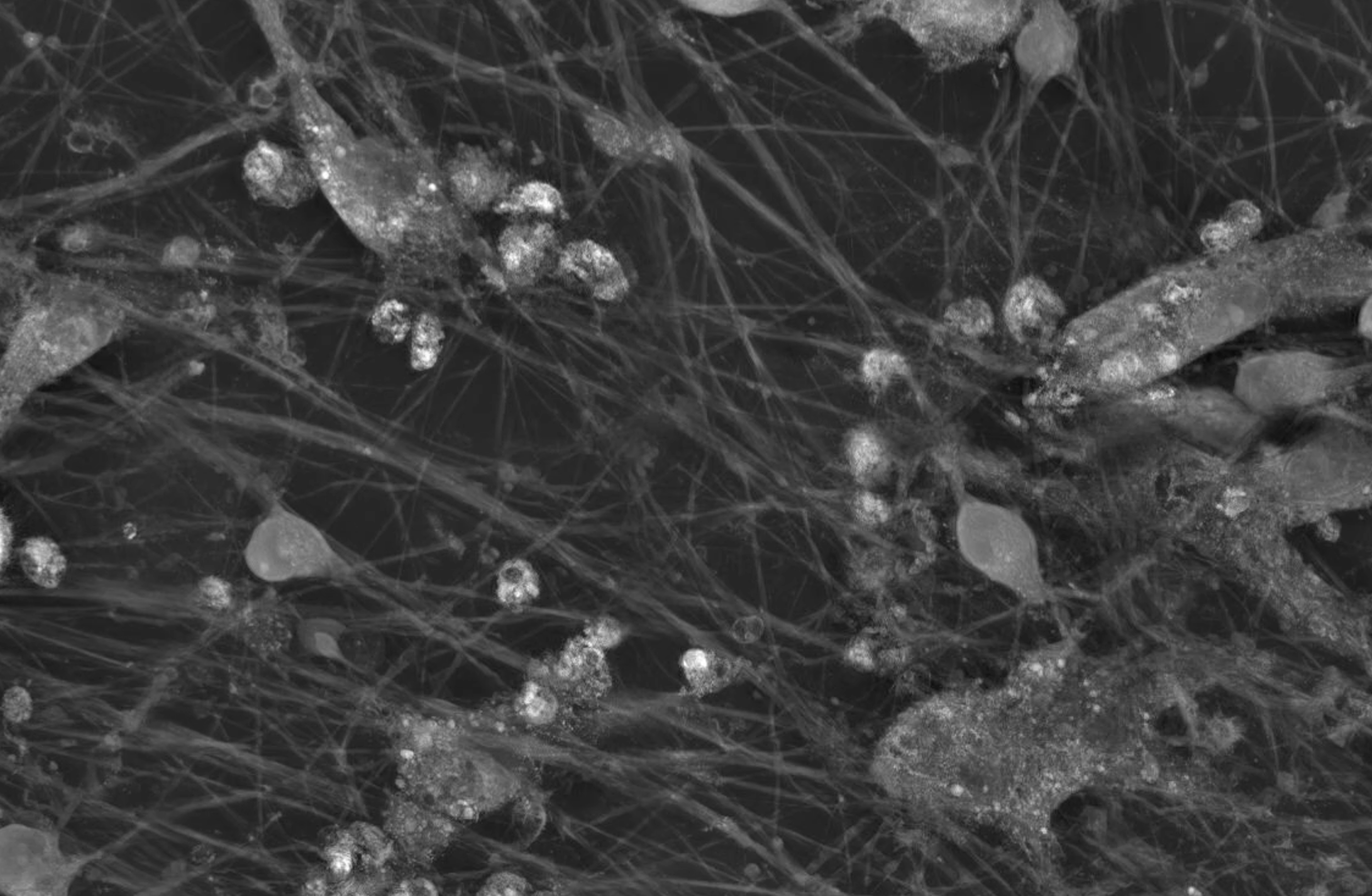
Female donor-derived ioMicroglia form co-cultures with  ioGlutamatergic Neurons 

ioGlutamatergic Neurons (io1001) were cultured to day 10 post-thaw. Female donor-derived ioMicroglia (io1029) cultured to either day 1 or day 10 post-thaw were added directly to day 10 ioGlutamatergic Neurons. The co-cultures were maintained for a further 6 days. Representative video showing that female donor-derived ioMicroglia form a stable co-culture with ioGlutamatergic Neurons. Live imaging was performed in 6.5-minute intervals over a time period of 3 hours and 31 minutes using the 3D Cell Explorer 96focus Nanolive Imaging system.

View the co-culture protocol used to generate this data.

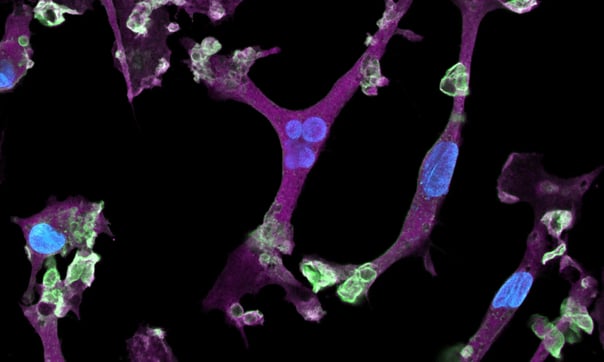
ioMicroglia mRNA transfection

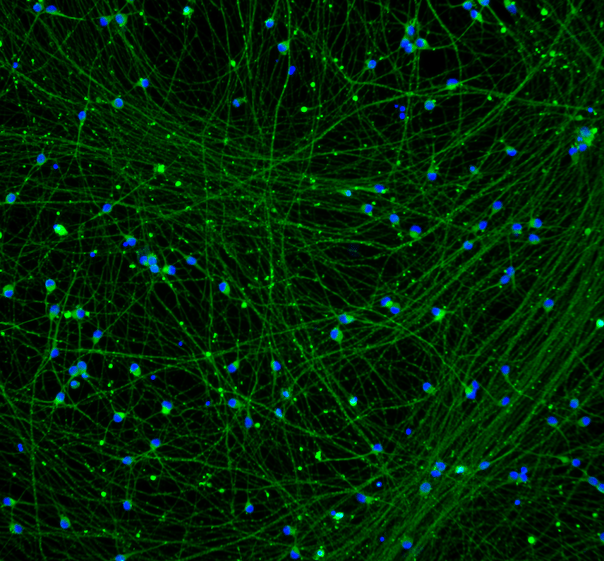
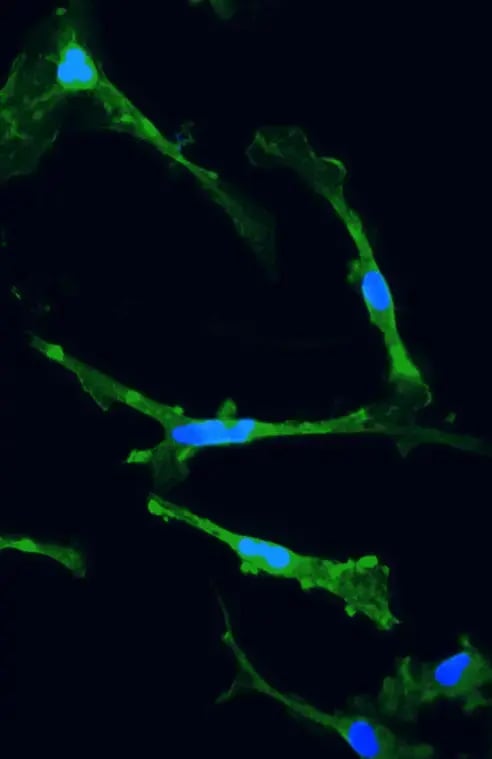
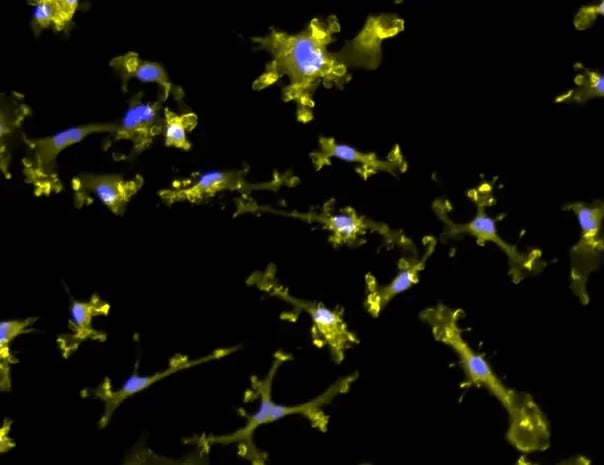
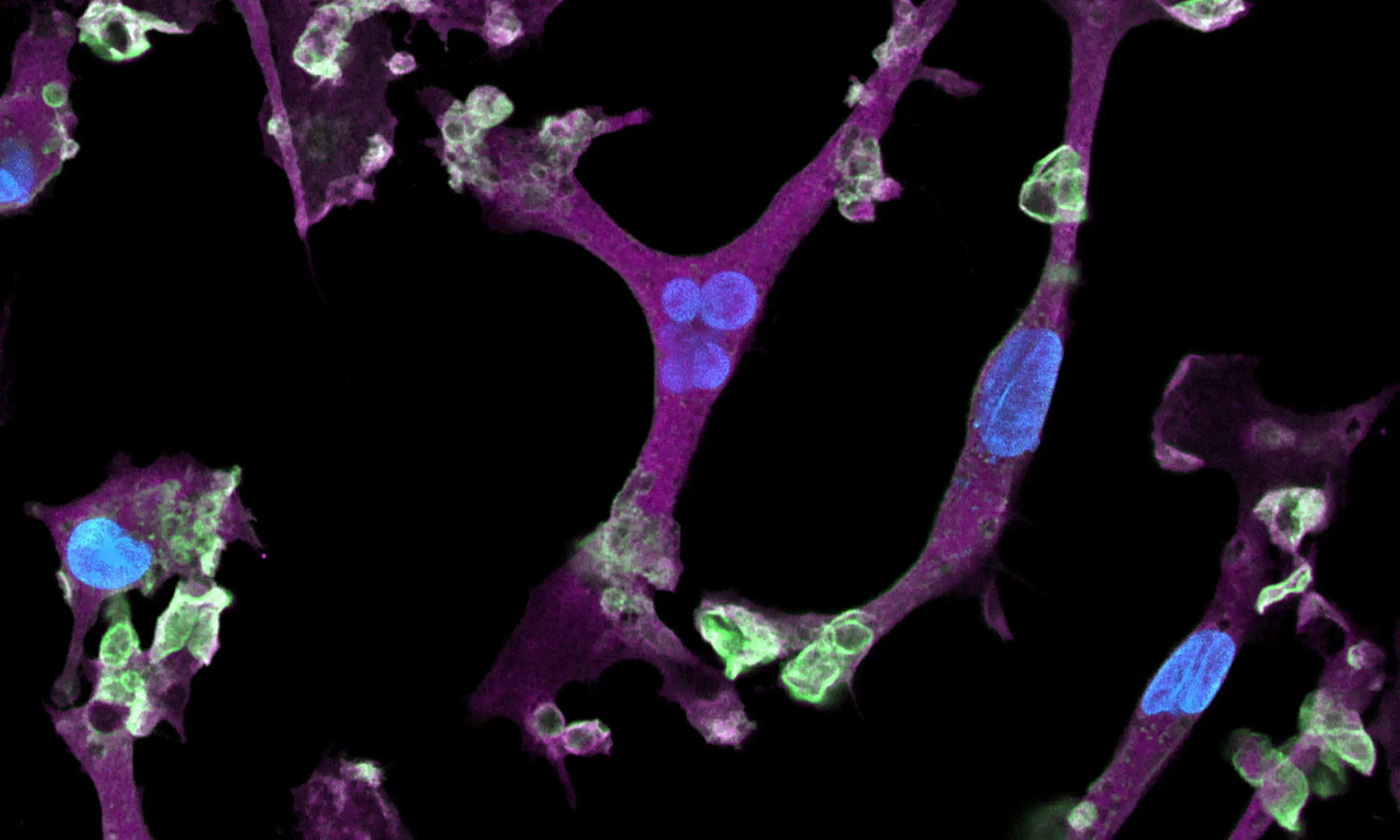
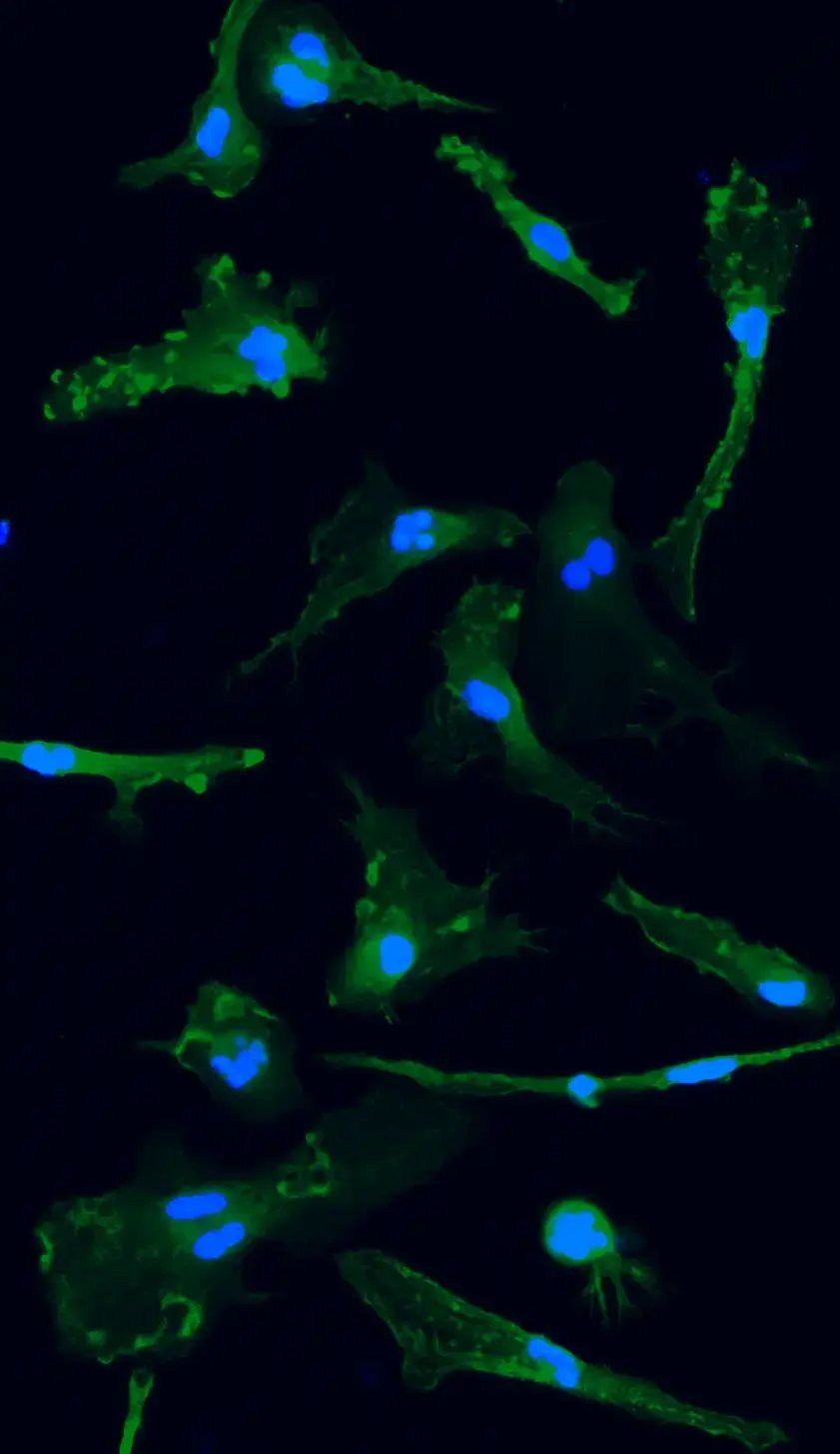
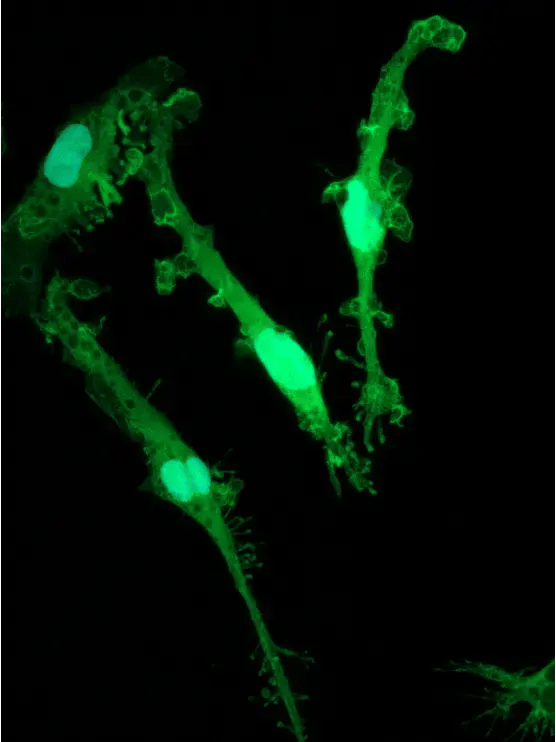
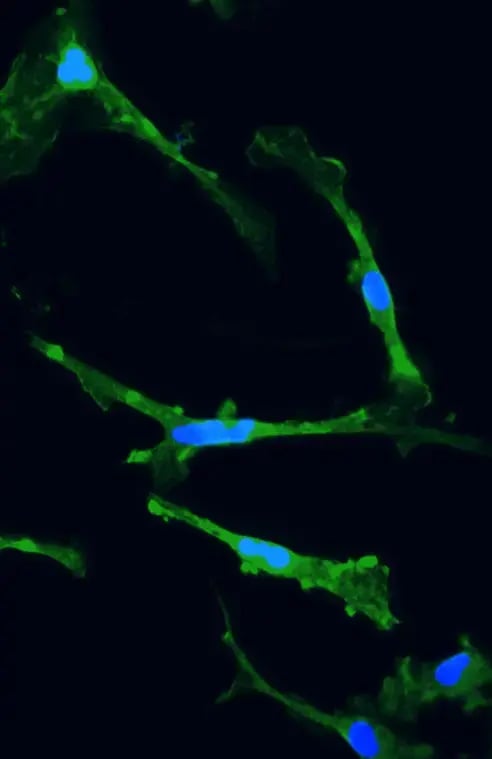
ioMicroglia are efficiently transfected with mRNA encoding GFP

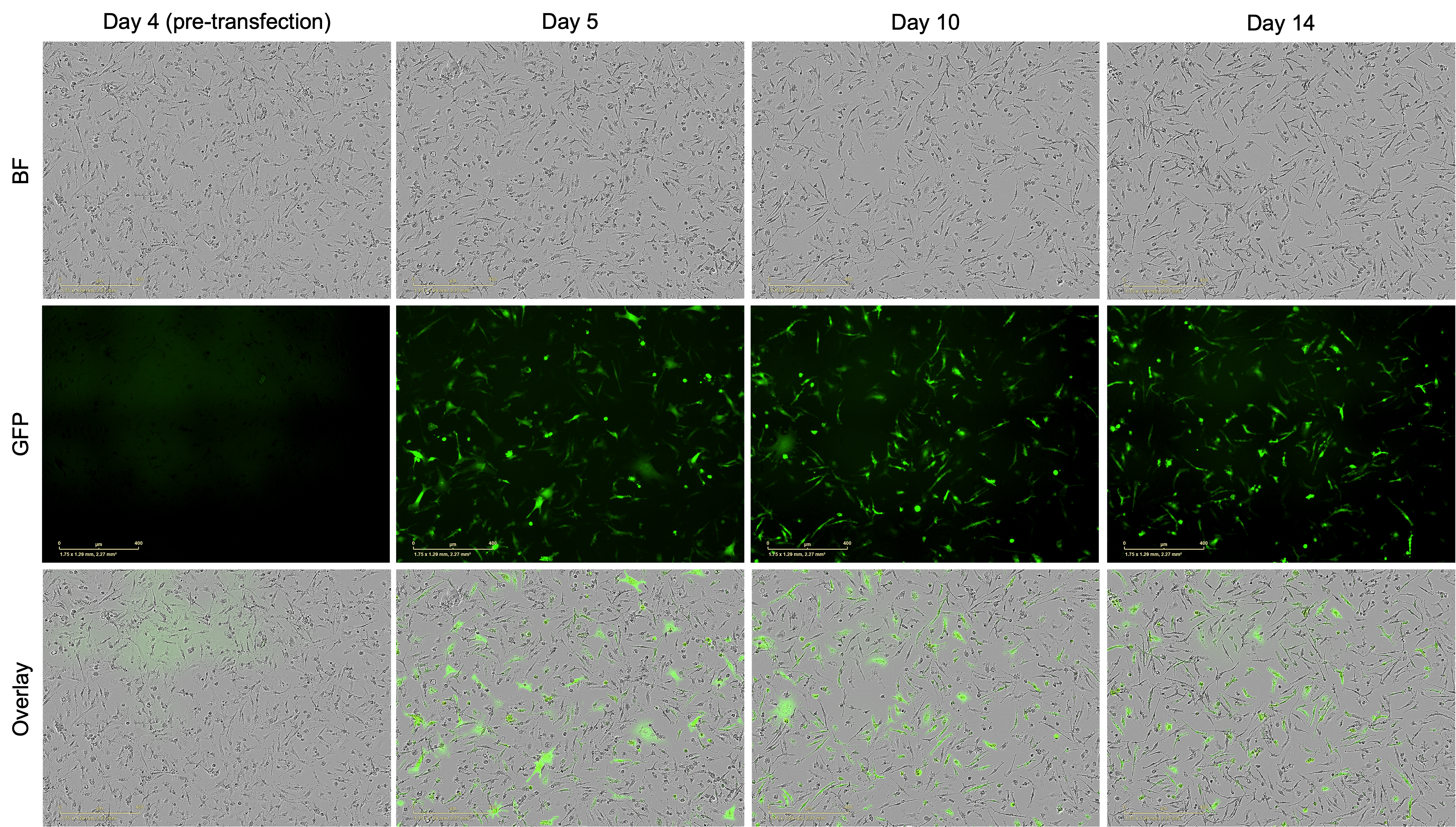
ioMicroglia Male are efficiently transfected and show sustained long-term expression of mRNA encoding GFP. Cells were imaged throughout the experiment to assess transfection efficiency and evaluate potential cytotoxic effects of the transfection protocol. Day 4 images were captured prior to transfections on the same day.

Download the step-by-step protocol for lipid-based delivery of synthetic mRNA into ioMicroglia.

Vial limit exceeded

A maximum number of 20 vials applies. If you would like to order more than 20 vials, please contact us at orders@bit.bio.


Human iPSC-derived

model for neuroinflammation research

ioMicroglia P2RY12 null/null are opti-ox deterministically programmed microglia engineered as a homozygous knockout of the  P2RY12 gene. P2RY12 is a purinergic receptor that plays essential roles in microglia motility and migration, and is critical for initiating microglial responses to inflammation and damage.

These cells offer a functional, rapidly maturing model to study the role of P2RY12 in neuroinflammation research, alongside a genetically matched wild-type control.

Two clones are available on request, all genetically matched to the wild type control, ioMicroglia Male. The knockout model cells and the wild-type control offer a physiologically relevant model to investigate the effect of P2RY12 on microglia cellular and molecular mechanisms.

Benchtop benefits

comparison_0

Making True Comparisons

Pair with the heterozygous knockout and the genetically matched wild-type ioMicroglia to directly investigate the effect of P2RY12.

quick_0

Quick

Rapidly maturing cells that are ready to use in 4 days post-revival, in mono- and co-cultures.

functional_0

Functional

Display key phagocytic and cytokine secretion functions.

Cells arrive ready to plate


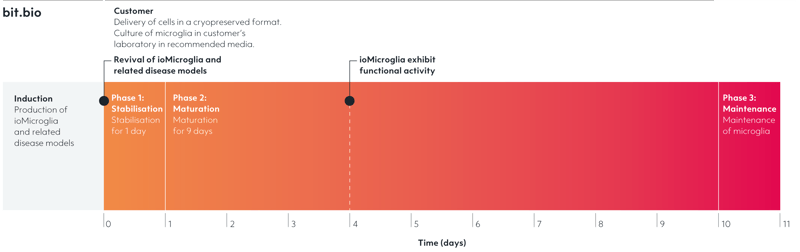
Microglia_timeline_4_days

ioMicroglia P2RY12 null/null are delivered in a cryopreserved format and are programmed to rapidly mature upon revival in the recommended media. The protocol for the generation of these cells is a three-phase process: an Induction phase that is carried out at bit.bio, Phase 1: Stabilisation for 24 hours, Phase 2: Maturation for a further 9 days, Phase 3: the Maintenance phase. Cells are ready to use from day 4 for functional experiments as determined by the genetically matched wild type control ioMicroglia Male (io1021).

Product specifications

Starting material

Human iPSC line

Seeding compatibility

6, 12, 24, 96 & 384 well plates

Shipping info

Dry ice

Donor

Caucasian adult male (skin fibroblast),
Genotype APOE 3/3

Vial size

Small: >1.5 x 10⁶ viable cells, Evaluation pack*: 3 small vials of >1.5 x 10⁶ viable cells

Quality control

Sterility, protein expression (ICC), and functional phagocytosis

Differentiation method

opti-ox deterministic cell programming

Recommended seeding density

40,000 to 80,000 cells/cm²

User storage

LN2 or -150°C

Format

Cryopreserved cells

Product use

ioCells are for research use only

Genetic modification

Homozygous knockout mutation in the P2RY12 gene

Applications

Drug discovery and development
Neuroinflammation modelling
Phagocytosis assays
cytokine response assays
Co-culture studies

Available clones

io6012S: ioMicroglia P2RY12 null/null (clone 747P1F1)
io6013S: ioMicroglia P2RY12 null/null (clone 747P2A9)

* Evaluation packs are intended for first-time users, or for existing users testing a new cell type or derivative. A user can request multiple evaluation packs as long as each one is for a different product, with only one pack allowed per product.

Technical data

Highly characterised and defined

ioMicroglia P2RY12 null/null express IBA1 comparably to the genetically matched wild-type control
P2RY12 microglia KO HOM ICC
Immunofluorescent staining on day 10 post-revival demonstrates similar homogenous expression of the microglia marker IBA1 and ramified morphology in ioMicroglia P2RY12 null/null cells compared to the genetically matched wild-type control, ioMicroglia Male. 100X magnification.

ioMicroglia P2RY12 null/null show expected ramified morphology by day 10

P2RY12 microglia KO HOM BF

ioMicroglia P2RY12 null/null cells mature rapidly and key ramified morphology can be identified by day 4 and continues through to day 10, similarly to the WT control. Day 1 to 10 post-thawing; 100x magnification.

 
P2RY12 null/null homozygous knockout confirmed by flow cytometry analysis
P2RY12 knockout hom flow cytometry plot
Flow cytometry analysis of ioMicroglia P2RY12 null/null demonstrates the homozygous knockout of the P2RY12 gene is translated to the protein level. Microglia purity demonstrated by >95% expression of CD45, CD11b and CD14 expression.

Cytokine secretion

Key cytokine secretion function displayed by ioMicroglia P2RY12 null/null 

ioMicroglia P2RY12 knockout het and hom cytokine secretion

Cytokine secretion was analysed at day 10 post-revival after stimulation with LPS 100 ng/ml and IFNɣ 20 ng/ml for 24 hours. This revealed that ioMicroglia P2RY12 null/null cells display a similar level of cytokine secretion compared to the ioMicroglia P2RY12 null/WT and WT control. Supernatants were harvested and analysed using MSD V-plex Proinflammatory Kit. Three technical replicates were performed per experiment. 

Phagocytosis of E. coli

Phagocytosis capability of ioMicroglia P2RY12 null/null is comparable to the WT control and ioMicroglia P2RY12 null/WT
ioMicroglia P2RY12 knockout het and hom phagocytosis
ioMicroglia P2RY12 knockout het and hom degree of phagocytosis
Phagocytosis was analysed at day 10 post-revival after incubation with 1 µg/0.33 cm2 pHrodo RED labelled E. coli particles for 24 hours +/- cytochalasin D control. The graph displays 1) the proportion of cells phagocytosing E.coli and 2) the fluorescence intensity per cell demonstrating the degree of phagocytosis over 24 hours. ioMicroglia P2RY12 null/null cells display a similar  proportion of phagocytosis compared to the ioMicroglia P2RY12 null/WT and WT control. Images were acquired every 30 mins on the Incucyte® looking at red fluorescence and phase contrast. Three technical replicates were performed experiment. 
Technical data

Cytokine secretion measured by MSD assay

Key cytokine secretion function displayed by ioMicroglia P2RY12 null/null 

ioMicroglia P2RY12 knockout het and hom cytokine secretion

Cytokine secretion was analysed at day 10 post-revival after stimulation with LPS 100 ng/ml and IFNɣ 20 ng/ml for 24 hours. This revealed that ioMicroglia P2RY12 null/null cells display a similar level of cytokine secretion compared to the ioMicroglia P2RY12 null/WT and WT control. Supernatants were harvested and analysed using MSD V-plex Proinflammatory Kit. Three technical replicates were performed per experiment. 

Multi-cellular models

Female donor-derived ioMicroglia form co-cultures with  ioGlutamatergic Neurons 

ioGlutamatergic Neurons (io1001) were cultured to day 10 post-thaw. Female donor-derived ioMicroglia (io1029) cultured to either day 1 or day 10 post-thaw were added directly to day 10 ioGlutamatergic Neurons. The co-cultures were maintained for a further 6 days. Representative video showing that female donor-derived ioMicroglia form a stable co-culture with ioGlutamatergic Neurons. Live imaging was performed in 6.5-minute intervals over a time period of 3 hours and 31 minutes using the 3D Cell Explorer 96focus Nanolive Imaging system.

mRNA transfection

ioMicroglia are efficiently transfected with mRNA encoding GFP
ioMicroglia mRNA transfection

ioMicroglia Male are efficiently transfected and show sustained long-term expression of mRNA encoding GFP. Cells were imaged throughout the experiment to assess transfection efficiency and evaluate potential cytotoxic effects of the transfection protocol. Day 4 images were captured prior to transfections on the same day.

How to culture ioMicroglia

In this video, our scientist will take you through the step-by-step process of how to thaw, seed and culture ioMicroglia.

Product resources

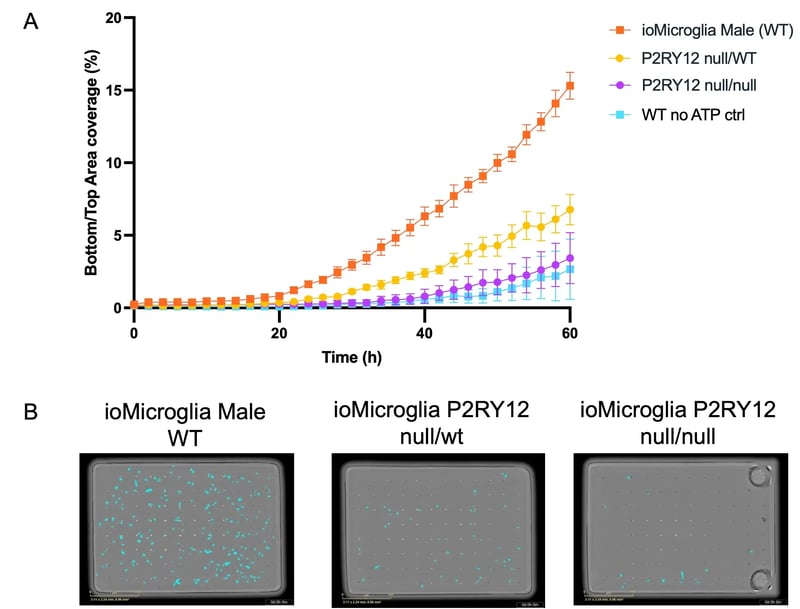
Quantifying C5a-mediated chemotaxis in precision reprogrammed hiPSC-derived ioMicroglia Application note
Quantifying C5a-mediated chemotaxis in precision reprogrammed hiPSC-derived ioMicroglia

bit.bio | Medicines Discovery Catapult

2024

Download
Sartorius application note - Advanced in vitro Modeling of Human iPSC-derived Neuronal Mono- and Co-cultures with Microglia Application note
Sartorius application note - Advanced in vitro Modeling of Human iPSC-derived Neuronal Mono- and Co-cultures with Microglia
Trigg et al.,
Sartorius
2024
Download
Improving physiological relevance in neurological disease drug development Case study
Improving physiological relevance in neurological disease drug development

Elise Malavasi, PhD
Principal Scientist
Concept Life Sciences

Download
ioMicroglia product family Brochure
ioMicroglia product family
bit.bio
Download
Rapid and consistent generation of functional microglia from reprogrammed hiPSCs to study neurodegeneration and neuroinflammation Poster
Rapid and consistent generation of functional microglia from reprogrammed hiPSCs to study neurodegeneration and neuroinflammation

Raman, et al

bit.bio

2022

View poster
Generation and characterisation of a panel of human iPSC-derived neurons and microglia carrying early and late onset relevant mutations for Alzheimer’s disease Poster
Generation and characterisation of a panel of human iPSC-derived neurons and microglia carrying early and late onset relevant mutations for Alzheimer’s disease

Smith, et al. 

bit.bio

2024

View poster
CRISPR knockout screening for drug target identification and validation using CRISPR-Ready ioMicroglia Poster
CRISPR knockout screening for drug target identification and validation using CRISPR-Ready ioMicroglia

Schmidt, et al

bit.bio

2024

Download poster
An in vitro toolkit to study the cell-specific roles of glutamatergic neurons and glia in Alzheimer’s disease Poster
An in vitro toolkit to study the cell-specific roles of glutamatergic neurons and glia in Alzheimer’s disease

Oosterveen et al.

bit.bio

2025

View poster
An iPSC-derived neuroinflammation/neurotoxicity in vitro model of neurons and glial cells Poster
An iPSC-derived neuroinflammation/neurotoxicity in vitro model of neurons and glial cells

Bsibsi et al.

Courtesy of Charles River Laboratories

2024

View poster
Driving experimental reproducibility and lot-to-lot biological consistency in human iPSC-derived cells enabled by opti-ox technology Poster
Driving experimental reproducibility and lot-to-lot biological consistency in human iPSC-derived cells enabled by opti-ox technology

Newman et al.

bit.bio

2024

View poster
Harnessing CRISPR-Ready ioCells as functional genomics tools for drug target identification and validation Poster
Harnessing CRISPR-Ready ioCells as functional genomics tools for drug target identification and validation

Grabner et al.

bit.bio

2025

View poster
iPSC-derived Alzheimer's disease models show increased secretion of pathogenic amyloid beta peptides in glutamatergic neurons and responses to amyloid beta 42 in microglia Poster
iPSC-derived Alzheimer's disease models show increased secretion of pathogenic amyloid beta peptides in glutamatergic neurons and responses to amyloid beta 42 in microglia

Veteleanu et al.

bit.bio

2025

Download poster
A versatile toolbox of human iPSC-derived microglia for disease modelling and multicellular in vitro models for neurodegeneration drug discovery Poster
A versatile toolbox of human iPSC-derived microglia for disease modelling and multicellular in vitro models for neurodegeneration drug discovery

Yates et al.

bit.bio

2025

Download poster
Optimisation of mRNA delivery to overcome transfection challenges in hiPSC-derived neurons and microglia Poster
Optimisation of mRNA delivery to overcome transfection challenges in hiPSC-derived neurons and microglia

Tatar Ozkan et al.

bit.bio

2025

Download poster
Reprogramming the stem cell for a new generation of cures Publication
Reprogramming the stem cell for a new generation of cures

Davenport A, Frolov T & Kotter M

Drug Discovery World

2020


Read more
Circadian clocks in human cerebral organoids Publication
Circadian clocks in human cerebral organoids

Rzechorzek, et al

bioRxiv

2024

Featuring opti-ox enabled microglia male iPS cell line and opti-ox enabled glutamatergic neurons iPS cell line

Read more
Precision Cellular Reprogramming for Scalable and Consistent Human Neurodegenerative Disease Models Talk
Precision Cellular Reprogramming for Scalable and Consistent Human Neurodegenerative Disease Models

Madeleine Garrett | Field Application Specialist | bit.bio

Watch now
Comparing human iPSC-derived ioMicroglia to immortalised HMC3 cell line: A case study Talk
Comparing human iPSC-derived ioMicroglia to immortalised HMC3 cell line: A case study

Euan Yates | Scientist | bit.bio


Human Cell Forum 2025
Session 2 | bit.bio insider: Tools, tips, and what’s coming next

Watch now
ioMicroglia | User manual User manual
ioMicroglia | User manual

V9

bit.bio

2025

Download
How to culture ioMicroglia Video tutorial
How to culture ioMicroglia
Prachi Bhagwatwar​​​​ | ​Research Assistant | bit.bio
Watch now
Modelling human neurodegenerative diseases in research & drug discovery Webinar
Modelling human neurodegenerative diseases in research & drug discovery

Dr Mariangela Iovino | Group Leader | Charles River

Dr Tony Oosterveen | Senior Scientist | bit.bio

Watch now
Alzheimer’s Disease Pathogenesis: Emerging Role of Microglia Webinar
Alzheimer’s Disease Pathogenesis: Emerging Role of Microglia

Dr Matthias Pawlowski | Head, Dementia-Sensitive Hospital | University of Münster

Dr Malathi Raman | Senior Product Manager | bit.bio

Watch now
Rethinking Developmental Biology With Cellular Reprogramming Webinar
Rethinking Developmental Biology With Cellular Reprogramming

Mark Kotter | CEO and founder | bit.bio

Marius Wernig | Professor Departments of Pathology and Chemical and Systems Biology |  Stanford University

Watch now
Mastering Cell Identity In A Dish: The Power Of Cellular Reprogramming Webinar
Mastering Cell Identity In A Dish: The Power Of Cellular Reprogramming

Prof Roger Pedersen | Adjunct Professor and Senior Research Scientist at Stanford University 

Dr Thomas Moreau | Director of Cell Biology Research | bit.bio

Watch now
Sex differences in neurological research Webinar
Sex differences in neurological research

Antonella Santuccione Chadha, MD | Founder and CEO | Women’s Brain Foundation

Melanie Einsiedler, PhD | Scientific Contributor | Women’s Brain Foundation


Rebecca Northeast, PhD | Senior Product Manager | bit.bio

Watch now
mRNA transfection of ioMicroglia Protocol
mRNA transfection of ioMicroglia
Download protocol
Phagocytosis assessment of ioMicroglia Protocol
Phagocytosis assessment of ioMicroglia
Download protocol
Stimulation for cytokine secretion in ioMicroglia Protocol
Stimulation for cytokine secretion in ioMicroglia
Download protocol
Cell detachment protocol for ioMicroglia Protocol
Cell detachment protocol for ioMicroglia
Download protocol
Cell counting protocol for ioCells Protocol
Cell counting protocol for ioCells
Download protocol
Co-culturing ioMicroglia and ioGlutamatergic Neurons Protocol
Co-culturing ioMicroglia and ioGlutamatergic Neurons
Download protocol
Immunocytochemistry staining for ioMicroglia Protocol
Immunocytochemistry staining for ioMicroglia
Download protocol

Alzheimer’s Disease Pathogenesis - Emerging Role of Microglia

In this GEN webinar, hear from our distinguished expert, Dr Matthias Pawlowski, and learn about the emerging role of microglia in the pathogenesis of Alzheimer’s disease and their potential as a therapeutic target to treat this disease effectively.

5C_ioMicrogliaConfocal image-1-1

Expand your research

Click on the icons to find out more

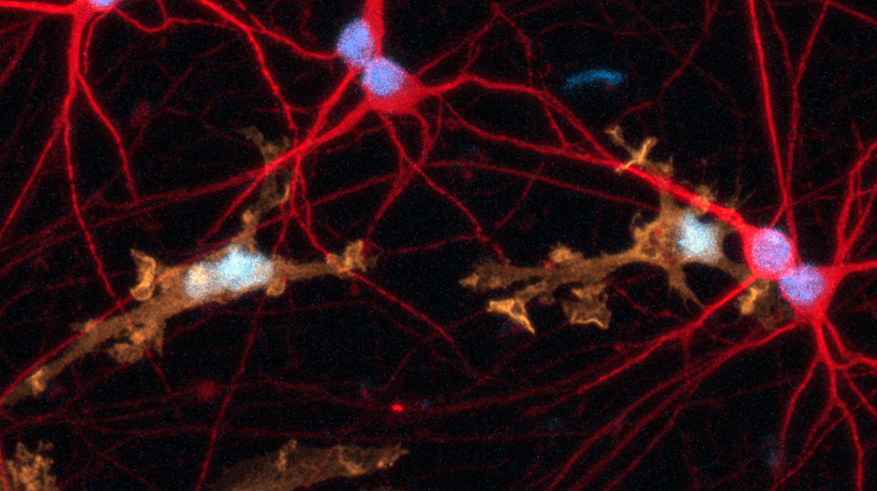
GFP-expressing cells enable easy visualisation, tracking and isolation in complex multi-cell cultures
Light up your co-cultures
Track GFP ioMicroglia in complex multi-cell cultures
Expand your research
Light up your co-cultures
Track GFP ioMicroglia in complex multi-cell cultures
GFP-expressing cells enable easy visualisation, tracking and isolation in complex multi-cell cultures

Human iPSC-derived microglia engineered to constitutively express GFP enable easy visualisation, tracking and isolation of cells in complex multi-cell cultures.

Discover the data

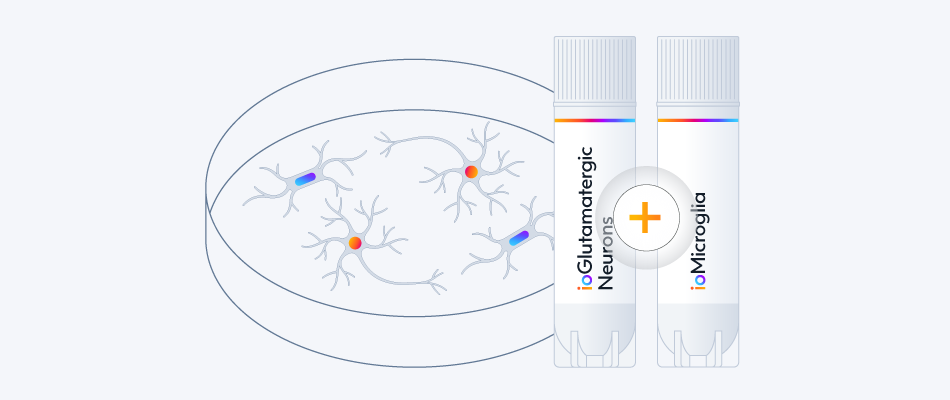
Study disease mechanisms in microglia-neuron interactions in an in vitro co-culture model.
Model neurodegenerative disease with physiologically relevant co-cultures
Study disease mechanisms in microglia-neuron interactions
Expand your research
Model neurodegenerative disease with physiologically relevant co-cultures
Study disease mechanisms in microglia-neuron interactions
Study disease mechanisms in microglia-neuron interactions in an in vitro co-culture model.

Access 20 neuronal disease models and 4 microglia disease models with a single co-culture protocol.


View the co-culture protocol

Explore ioGlutamatergic Neuron Disease Models
Explore ioMicroglia Disease Models

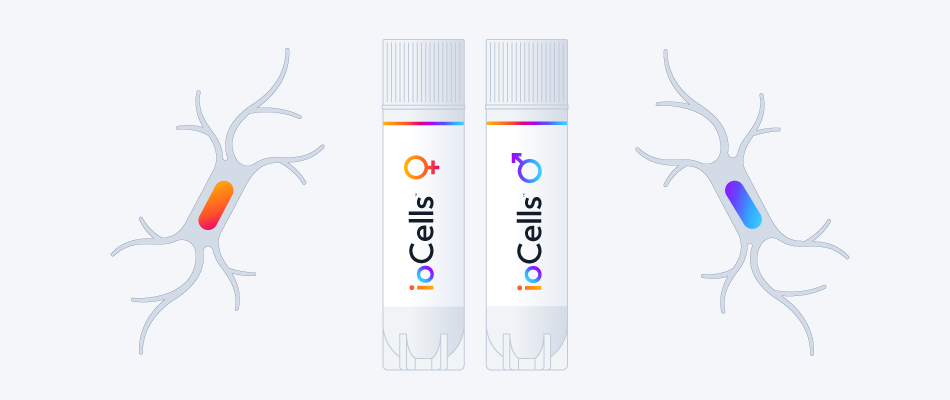
hIPSC-derived microglial cells in multiple donor backgrounds for neuroinflammation studies.
Model diversity with ioMicroglia Female
De-risk compound screening with microglia from diverse backgrounds
Expand your research
Model diversity with ioMicroglia Female
De-risk compound screening with microglia from diverse backgrounds
hIPSC-derived microglial cells in multiple donor backgrounds for neuroinflammation studies.

Women are greatly underrepresented in drug development and clinical trials.
Introducing female-derived cells into the early stage of research and drug discovery can help to better address this disparity.

Key applications for Female ioMicroglia in neurodegeneration drug discovery
- Neuroinflammatory in vitro modelling
- Target ID and validation
- Compound screening

Discover the data

CRISPR-ready human iPSC-derived cells, which constitutively express Cas9.
Simplify gene knockouts and CRISPR screens
Have you considered CRISPRko-Ready ioMicroglia?
Expand your research
Simplify gene knockouts and CRISPR screens
Have you considered CRISPRko-Ready ioMicroglia?
CRISPR-ready human iPSC-derived cells, which constitutively express Cas9.

Built from our ioMicroglia Male and engineered to constitutively express Cas9.
With optimised guide RNA delivery protocols and high knockout efficiency, start measuring readouts from gene knockouts and CRISPR screens within days.
Save months of work by skipping complex cell line engineering and cell differentiation workflows.

Discover the data

ioCells catalogue

Human iPSC-derived cells

powered by opti-ox

Consistent. Defined. Scalable.

bitbio-cell_catalogue_header-with-tracker-Desktop-2500x1664