Alzheimer’s Disease Pathogenesis | Emerging Role of Microglia

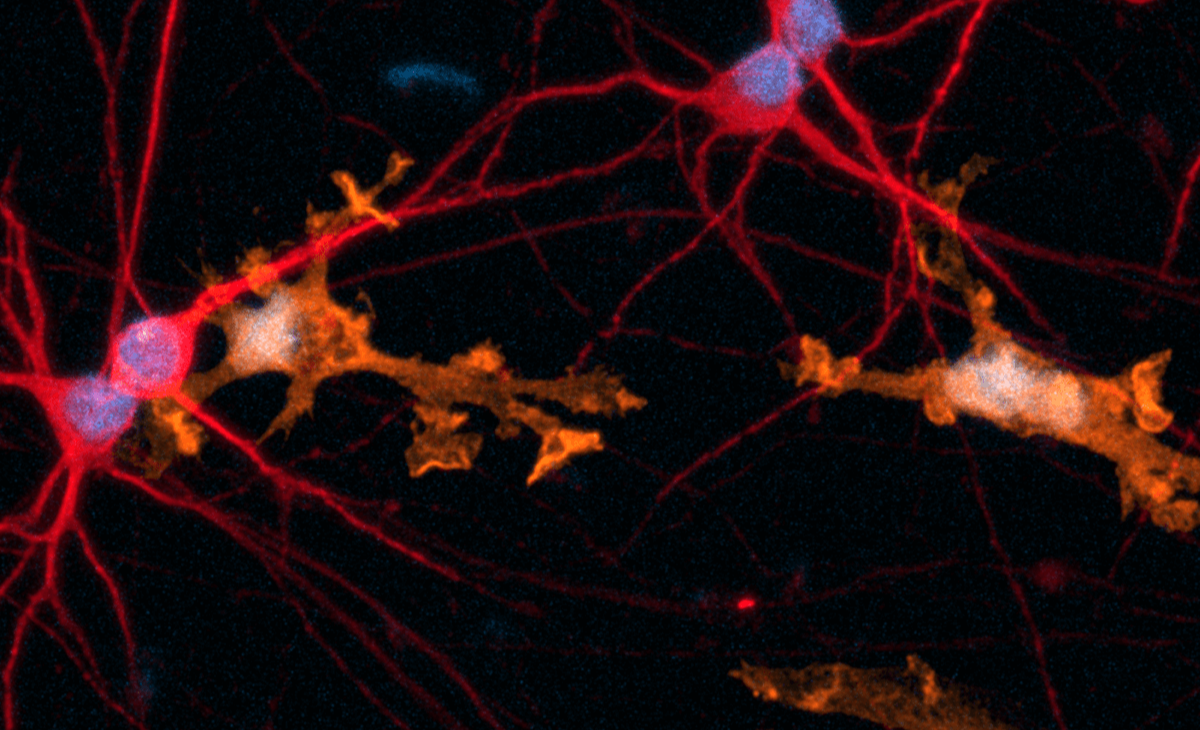
Alzheimer’s disease is the most common form of neurodegenerative disease, estimated to contribute to 60–70% of all cases of dementia worldwide. Increasing evidence suggests that neuroinflammation, primarily mediated by microglia, contributes to the onset and progression of Alzheimer’s disease. Hence, microglia are considered a major therapeutic target that could potentially yield effective disease-modifying treatments for Alzheimer’s disease. However, despite the interest in studying microglia as Alzheimer’s disease drug targets, the lack of accurate, consistent, and scalable microglial cellular models hinders drug discovery and development.
In this GEN webinar, hear from our distinguished expert, Dr Matthias Pawlowski, and learn about the emerging role of microglia in the pathogenesis of Alzheimer’s disease and their potential as a therapeutic target to treat this disease effectively. Additionally, Dr Malathi Raman will present data on the validation of bit.bio’s hiPSC-derived ioMicroglia cells as a potential human-based cellular model for Alzheimer’s disease research and drug development, including the expression of specific markers (TMEM119, P2RY12, IBA1), key phagocytic & cytokine secretion functions, and co-culture compatibility with glutamatergic neurons.
For accessing webinar, please fill out the form below.
Watch webinar