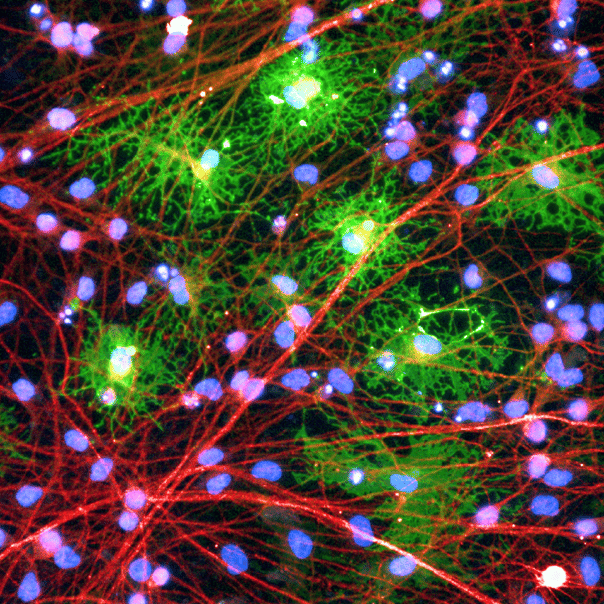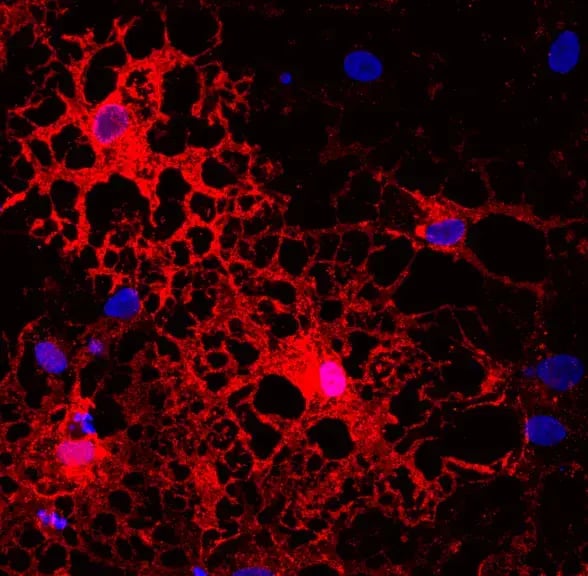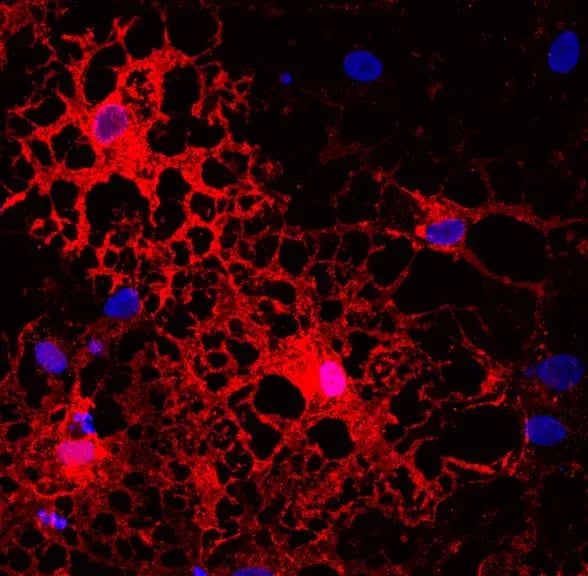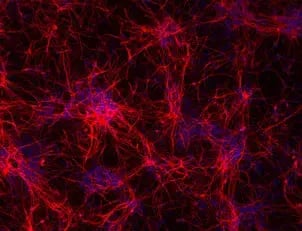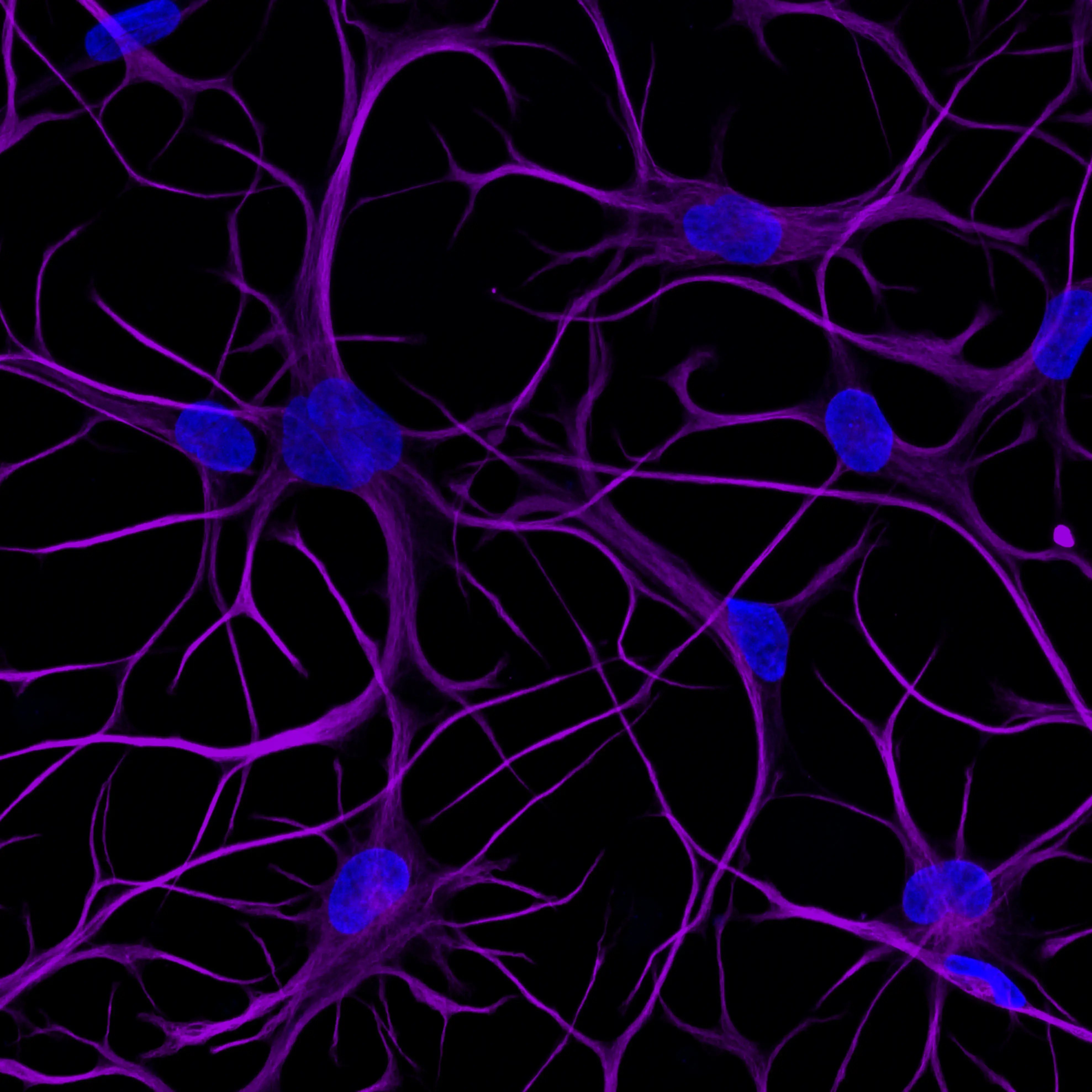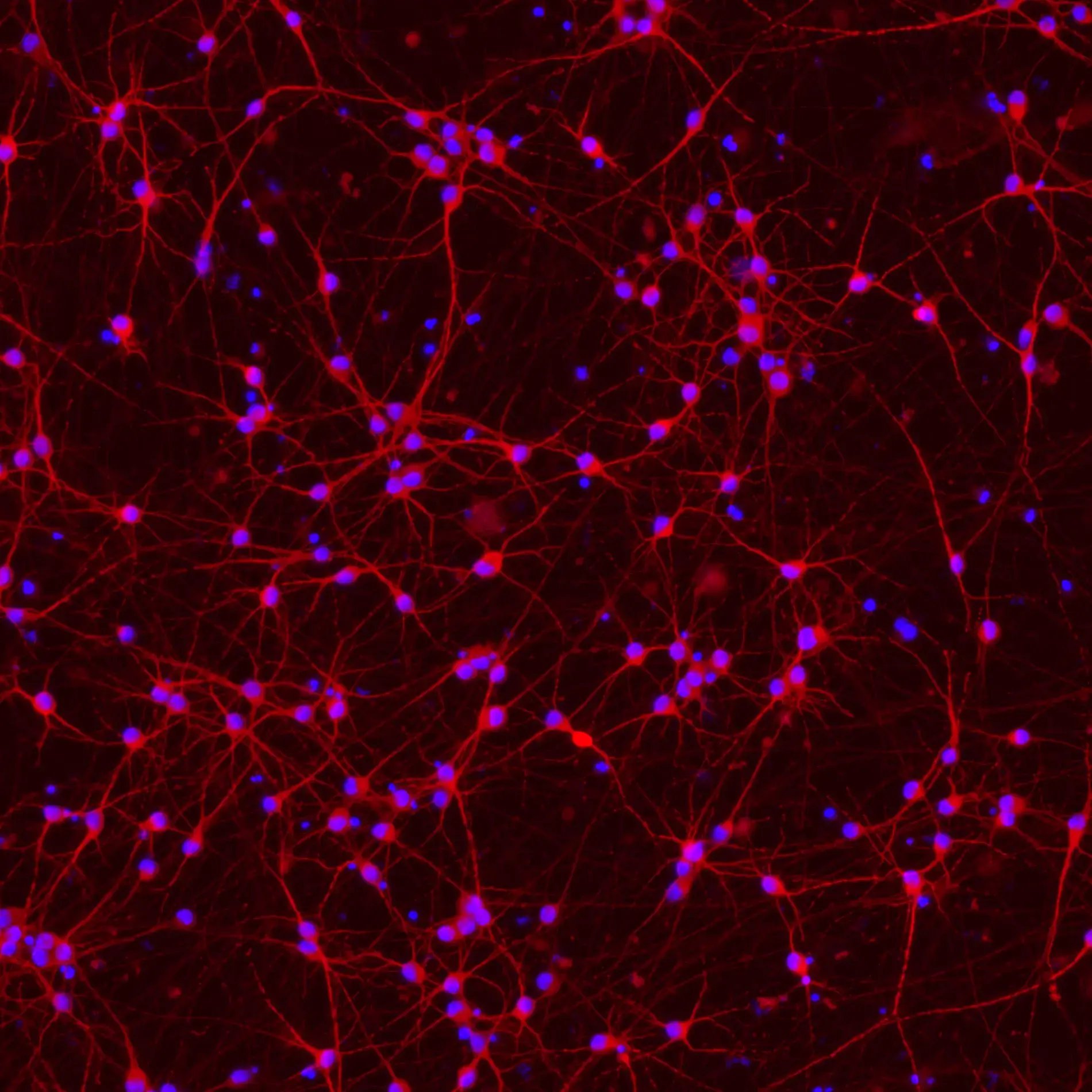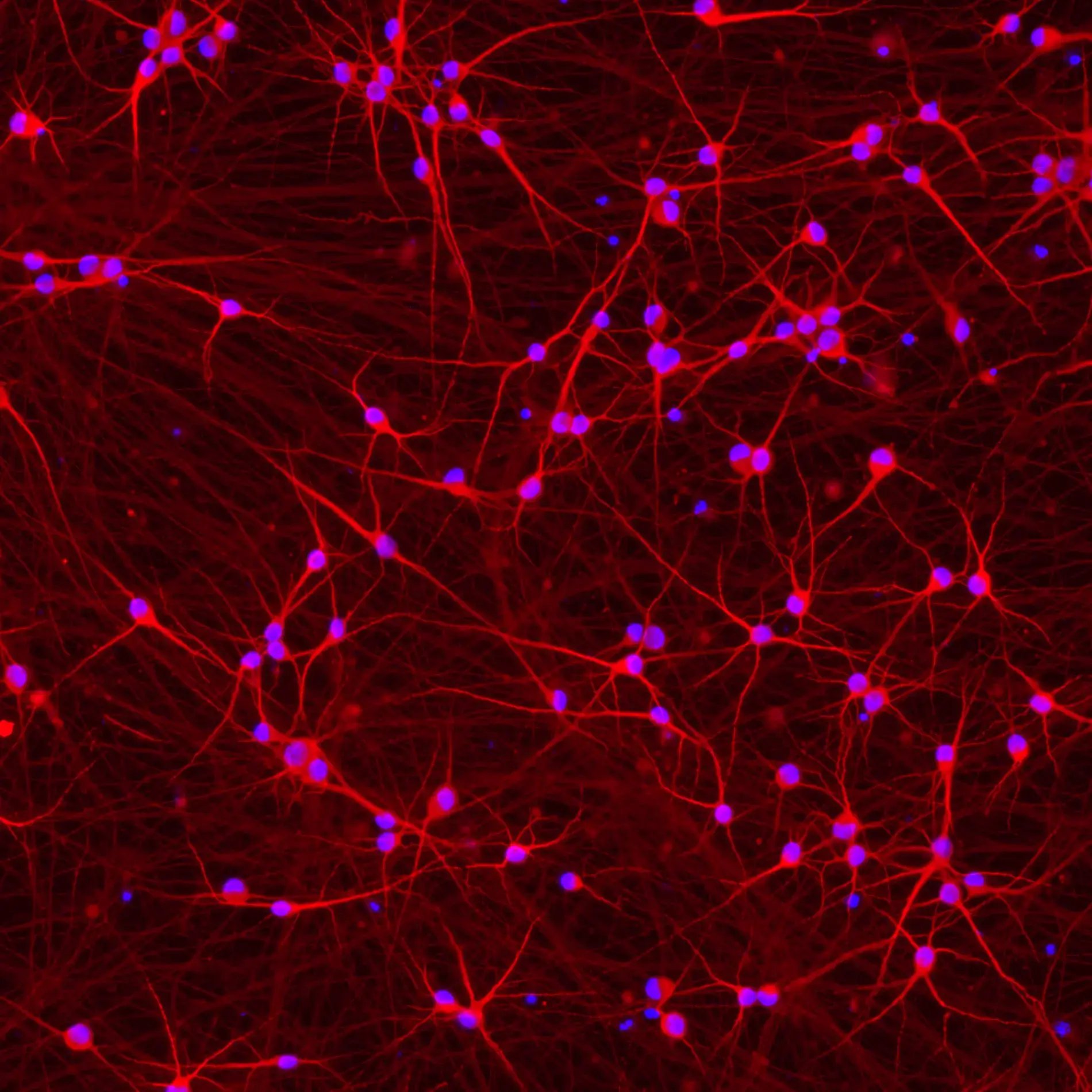
Immunocytochemistry staining of human iPSC-derived ioOPC-like cells with O4 and DAPI
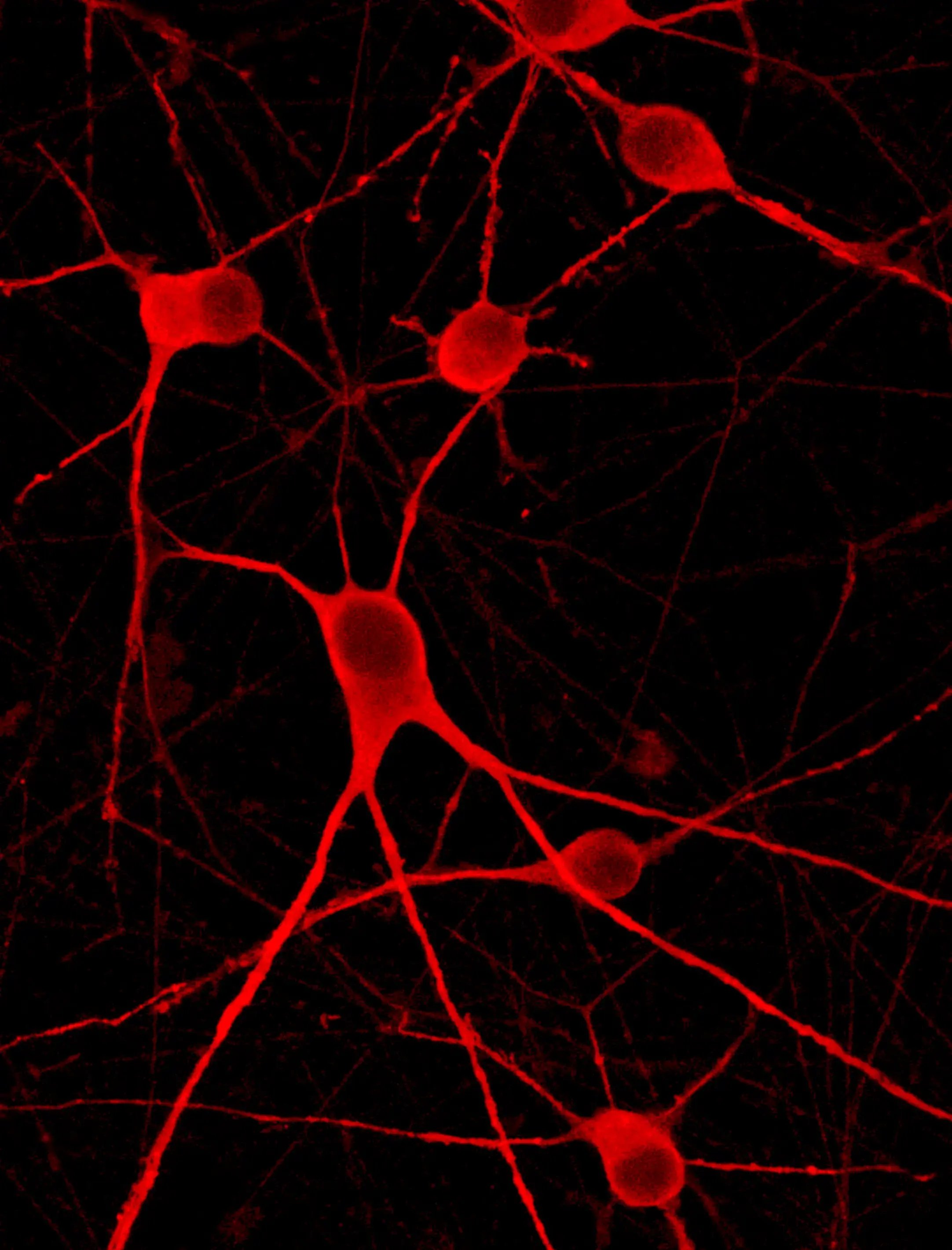
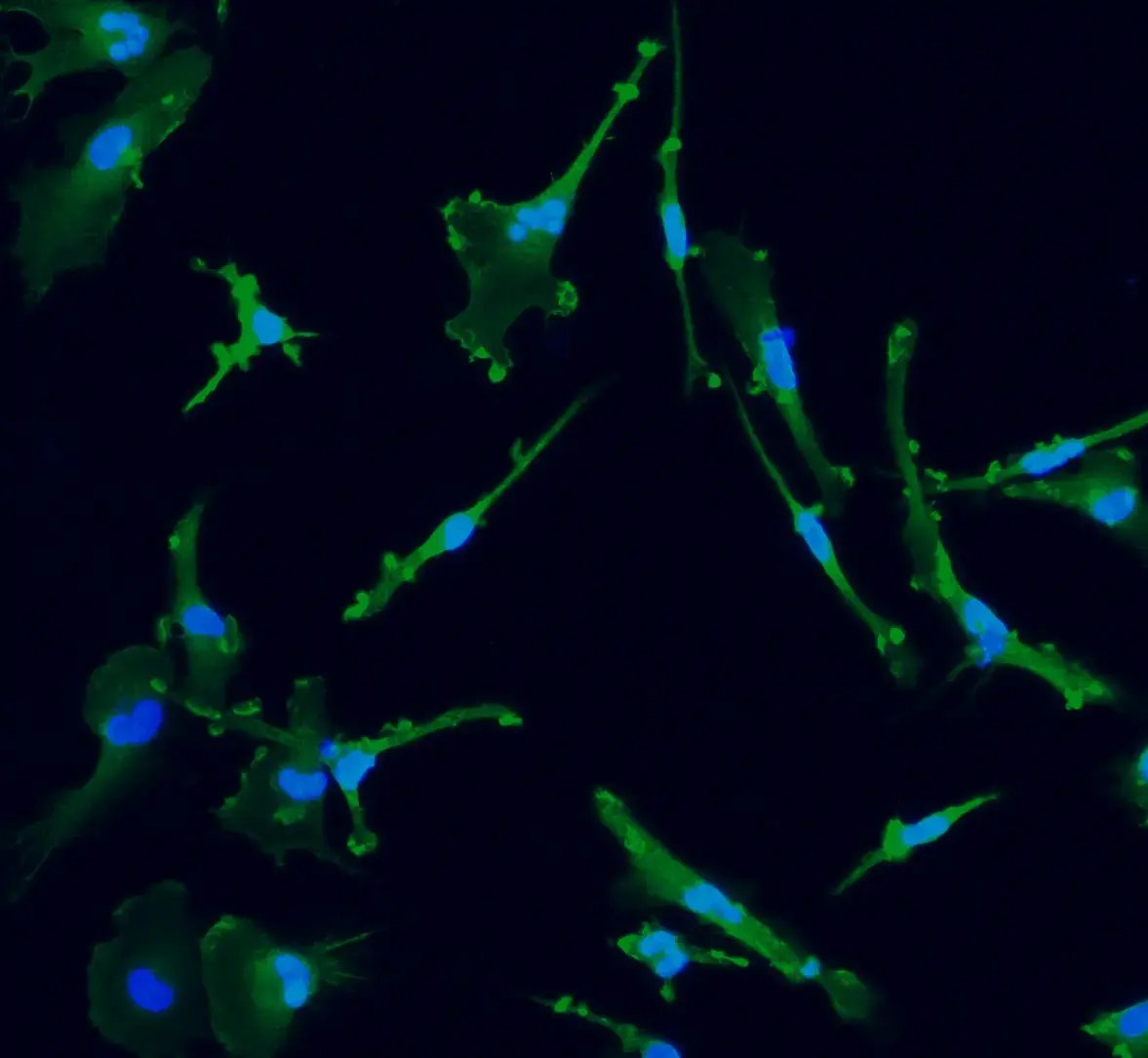
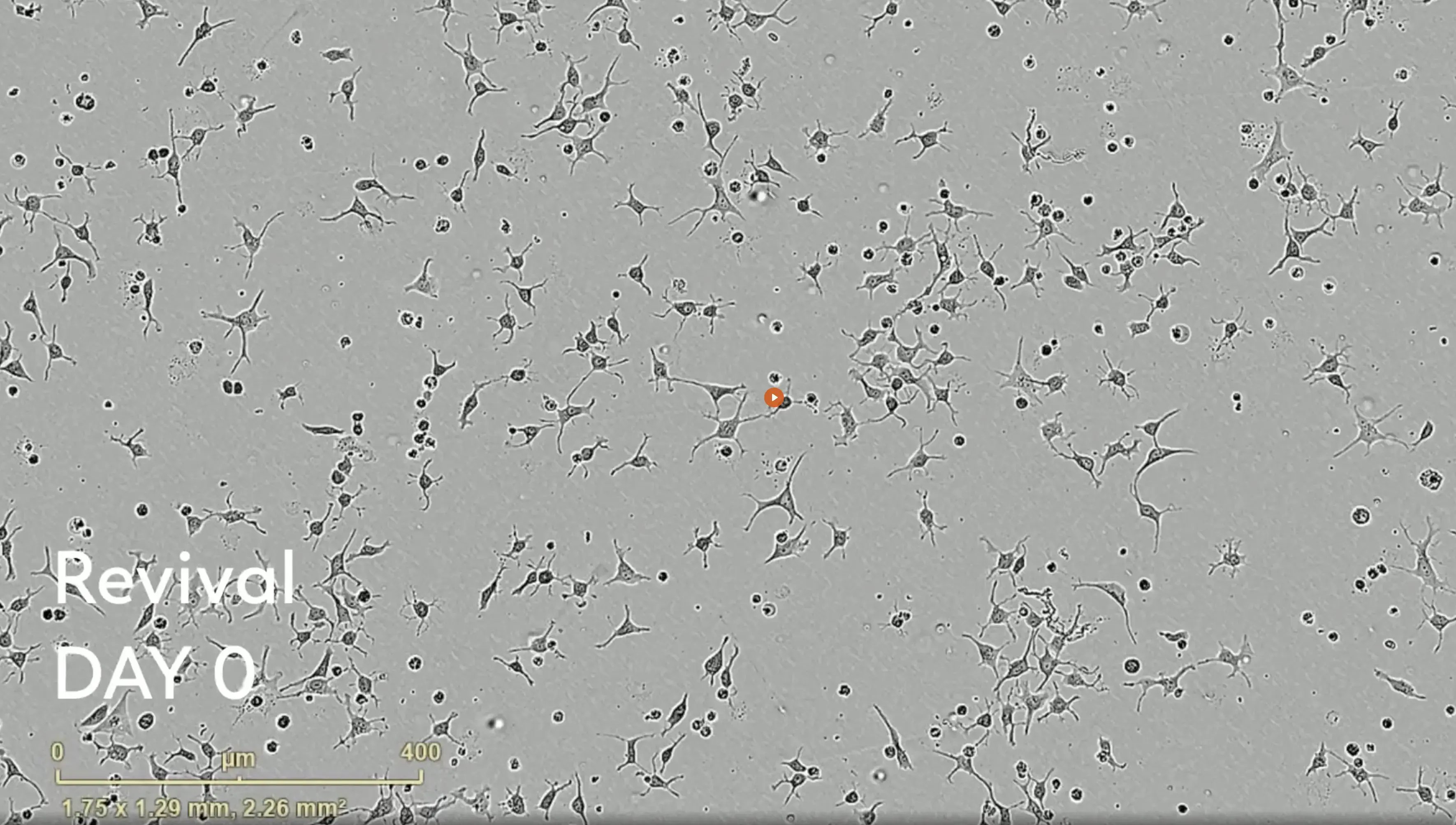
Human ioOPC-like cells morphology image upon revival on day 0
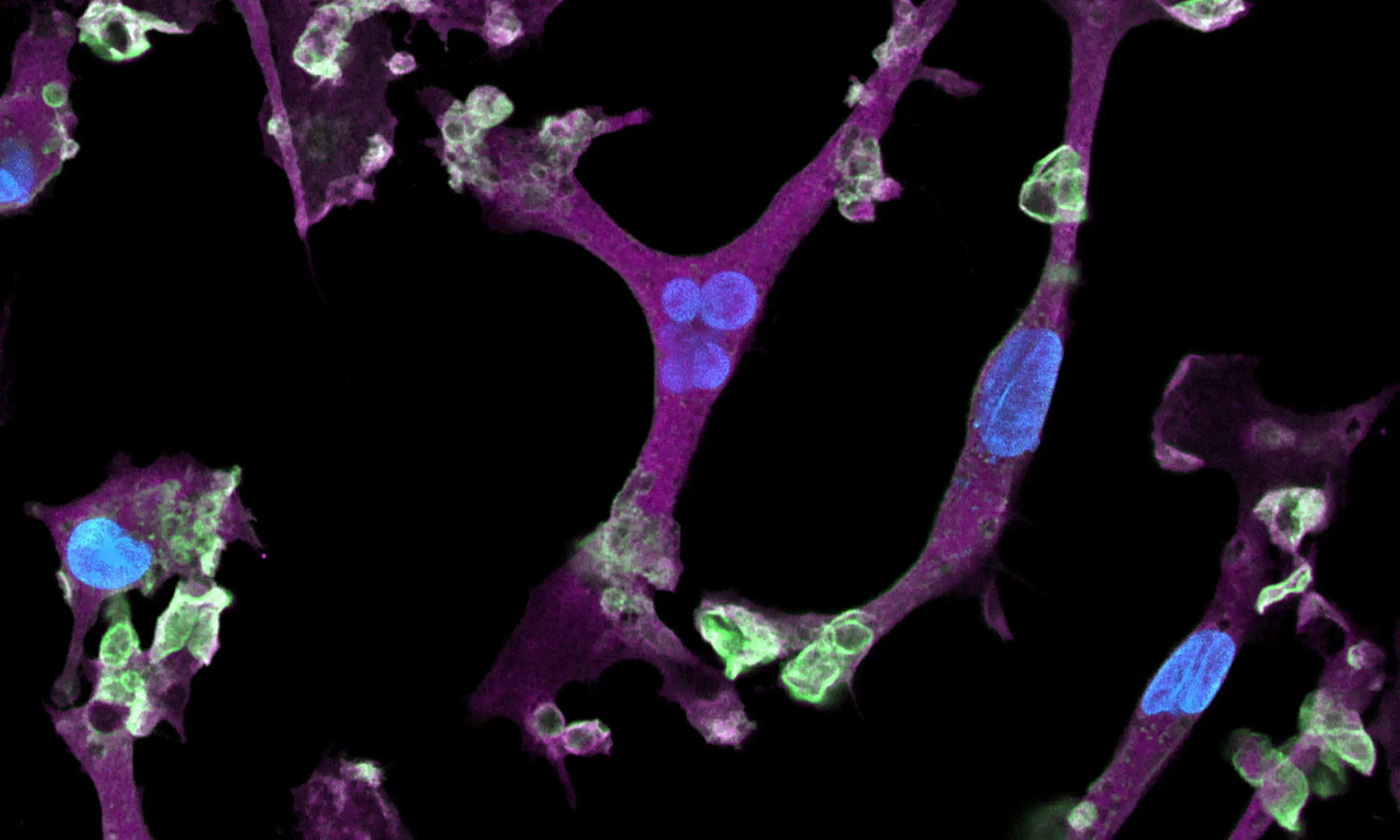
Human iPSC-derived ioOPC0like cells show proliferation demonstrated by EdU assay
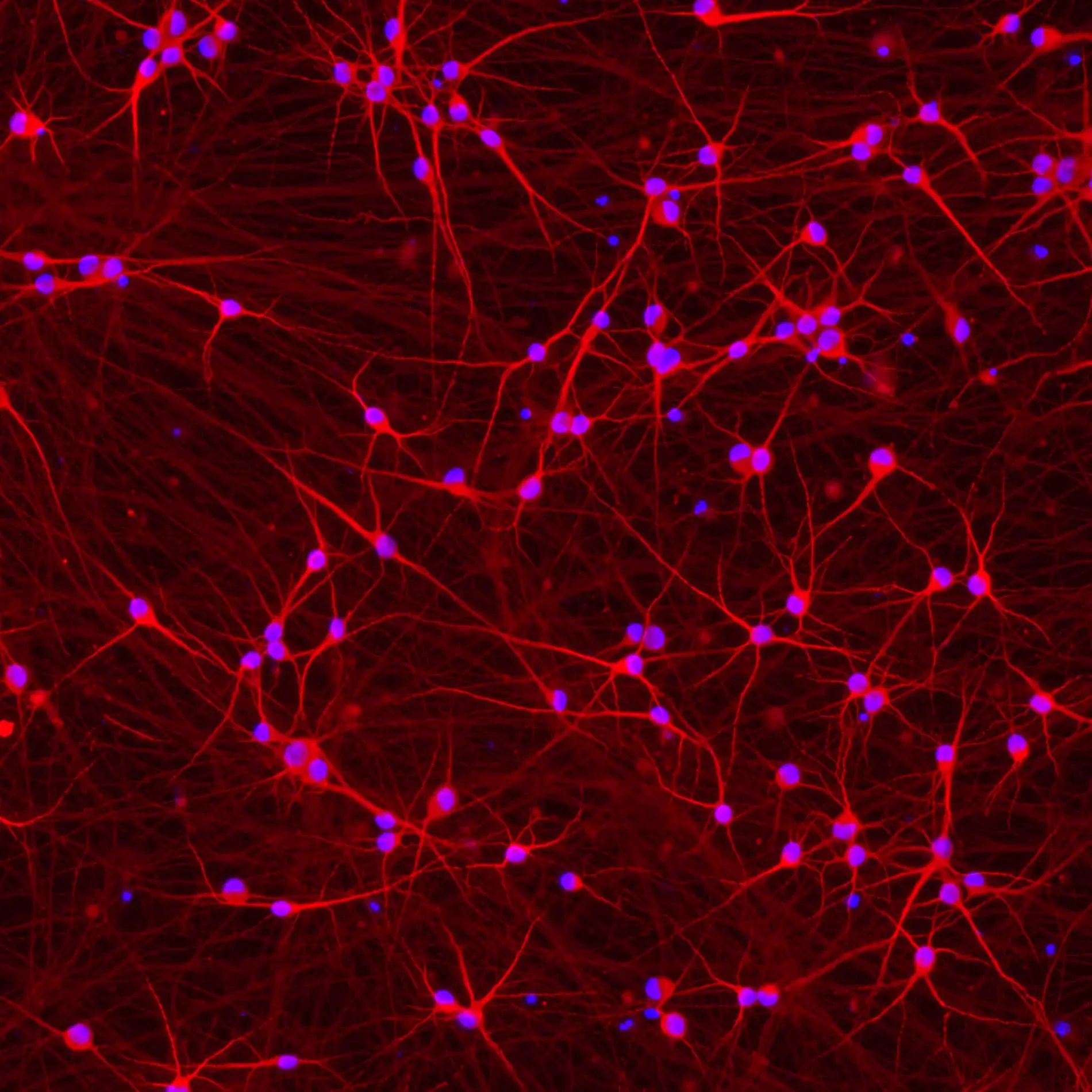
An immunostaining panel of human iPSC-derived OPC-like cells from proliferation to maturation with O4 and MBP.
Human iPSC-derived OPC-like cells have an OPC-like morphology from thawing, which can be maintained for a 2-week period.
Oligodendroglial genes, such as PDGFRA, CSPG4, CNP, PLP1, and MBP, are expressed by human iPSC-derived ioOPC-like cells.
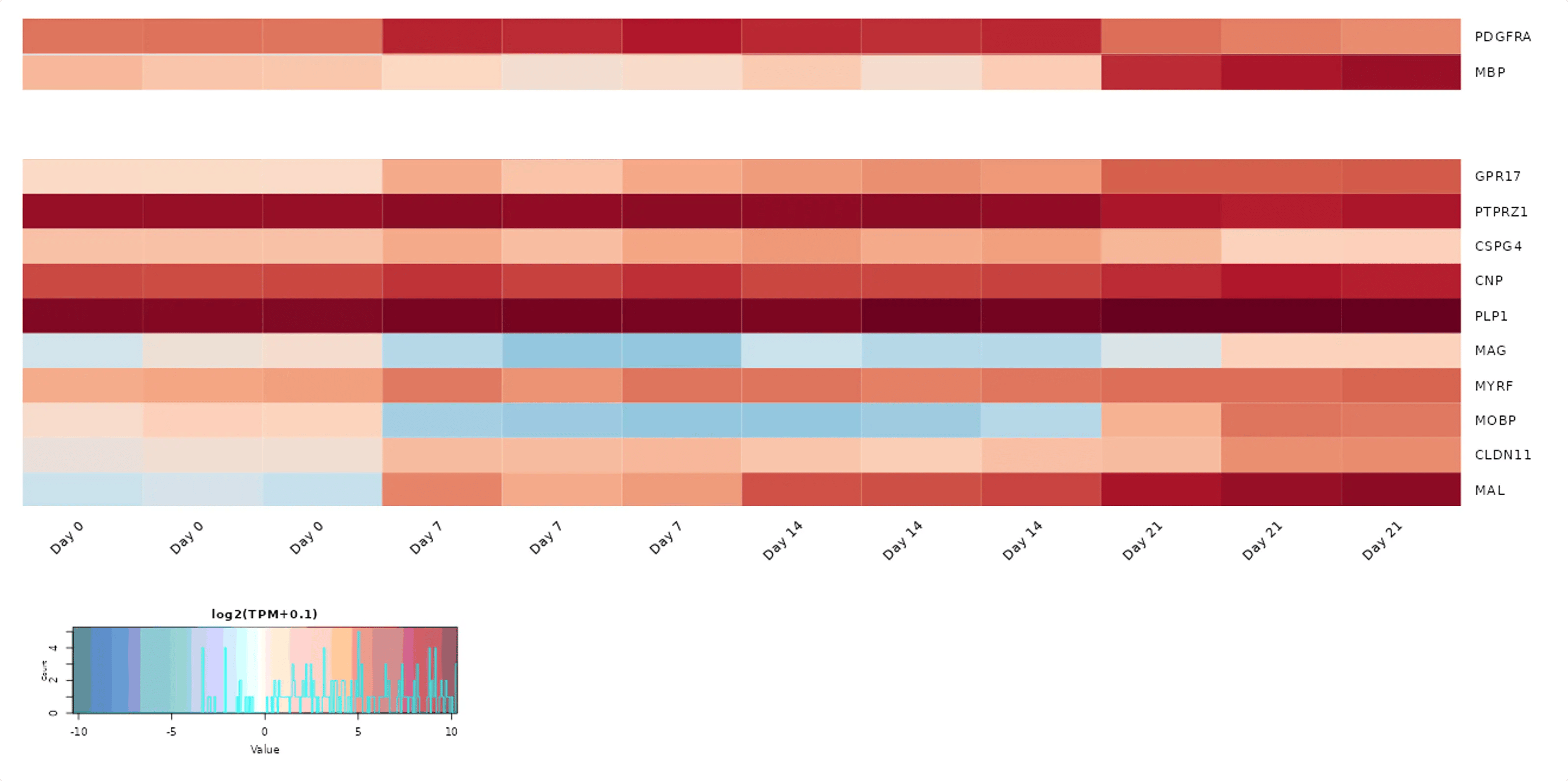
Heatmap for ioOPC-like cells showing expression of key oligodendroglial cells demonstrated by bulk RNA sequencing
Immunocytochemistry staining of human iPSC-derived ioOPC-like cells with O4 and DAPI
Human ioOPC-like cells morphology image upon revival on day 0
Human iPSC-derived ioOPC0like cells show proliferation demonstrated by EdU assay
An immunostaining panel of human iPSC-derived OPC-like cells from proliferation to maturation with O4 and MBP.
Human iPSC-derived OPC-like cells have an OPC-like morphology from thawing, which can be maintained for a 2-week period.
Oligodendroglial genes, such as PDGFRA, CSPG4, CNP, PLP1, and MBP, are expressed by human iPSC-derived ioOPC-like cells.
Heatmap for ioOPC-like cells showing expression of key oligodendroglial cells demonstrated by bulk RNA sequencing

cat no | io1100 Early Access

ioOPC-like cells

Human iPSC-derived OPC-like cells

  • Cryopreserved human iPSC-derived cells powered by opti-ox, that are ready for experiments in days
  • Ideal for proliferation assays for demyelinating disease
  • Resemble human OPC phenotype and mature to oligodendrocyte-like cells
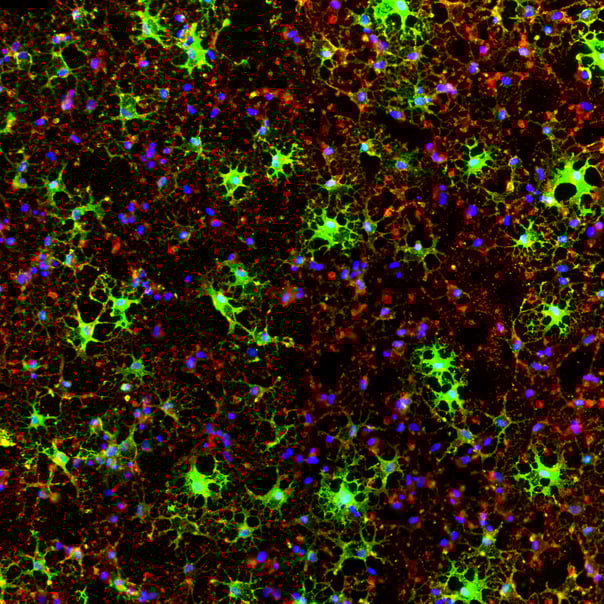
Immunocytochemistry staining of human iPSC-derived ioOPC-like cells with O4 and DAPI

Human iPSC-derived OPC-like cells

Cells are programmed to be maintained as OPC-like cells and then mature to oligodendrocyte-like cells

Time-lapse video capturing the rapid and homogeneous acquisition of an OPC-like morphology from day 1. Cells proliferate for a 2-week period, and can undergo 2 passages. By switching to maturation media, the cells rapidly acquire a complex, mature oligodendrocyte-like morphology with multiple branched processes. 21 day time course; scale bar: 400 μm. 

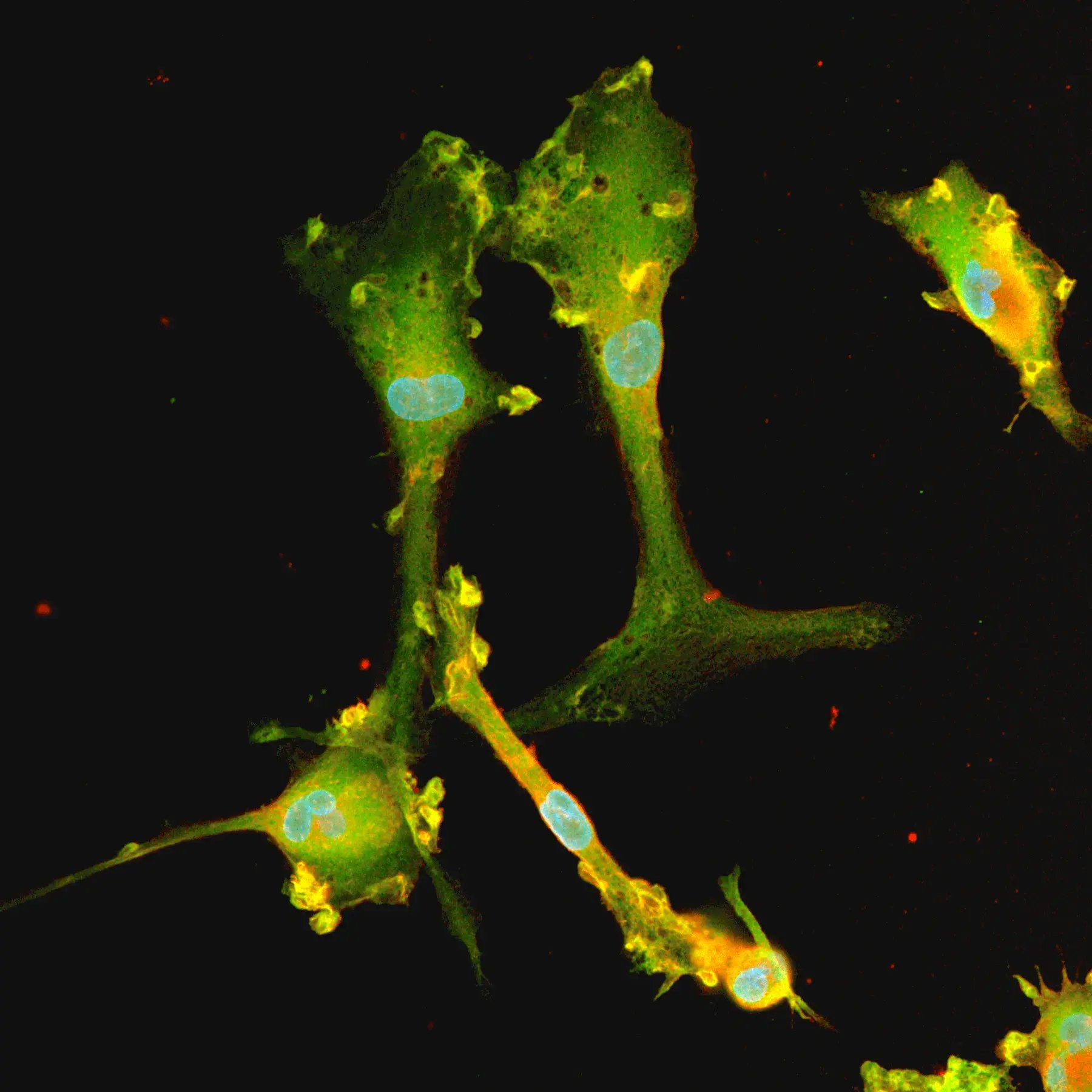
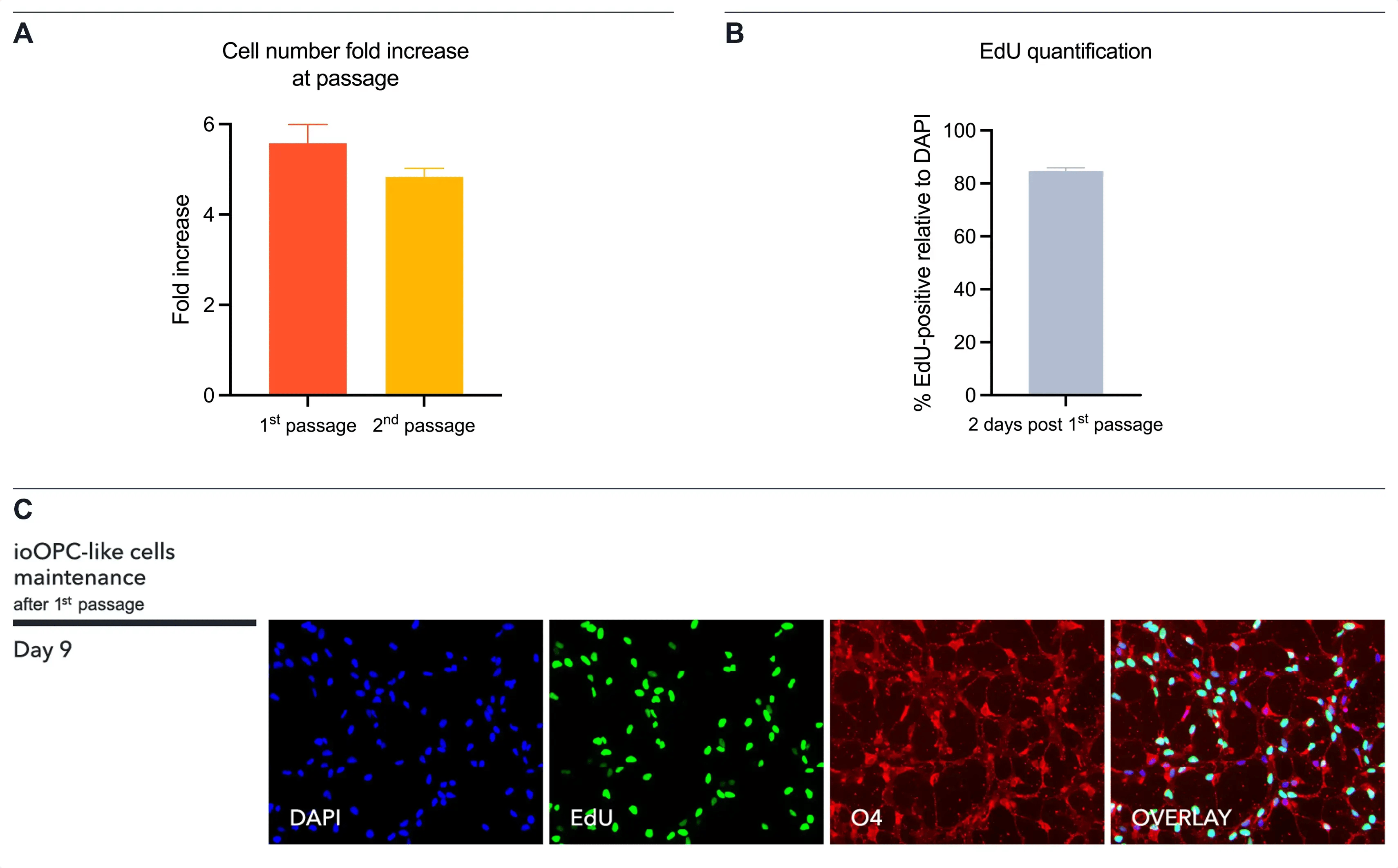
Human iPSC-derived ioOPC0like cells show proliferation demonstrated by EdU assay

ioOPC-like cells have limited proliferative ability and can be passaged

Assessment of cell fold increase in ioOPC-like cells after treatment with Click-iT™ EdU cell proliferation assay from ThermoFisher.

(A) Cell expansion during the OPC-maintenance phases, over 7-day periods, shows the cell number increasing by approximately 4- to 5-fold. n=3 biological replicates.

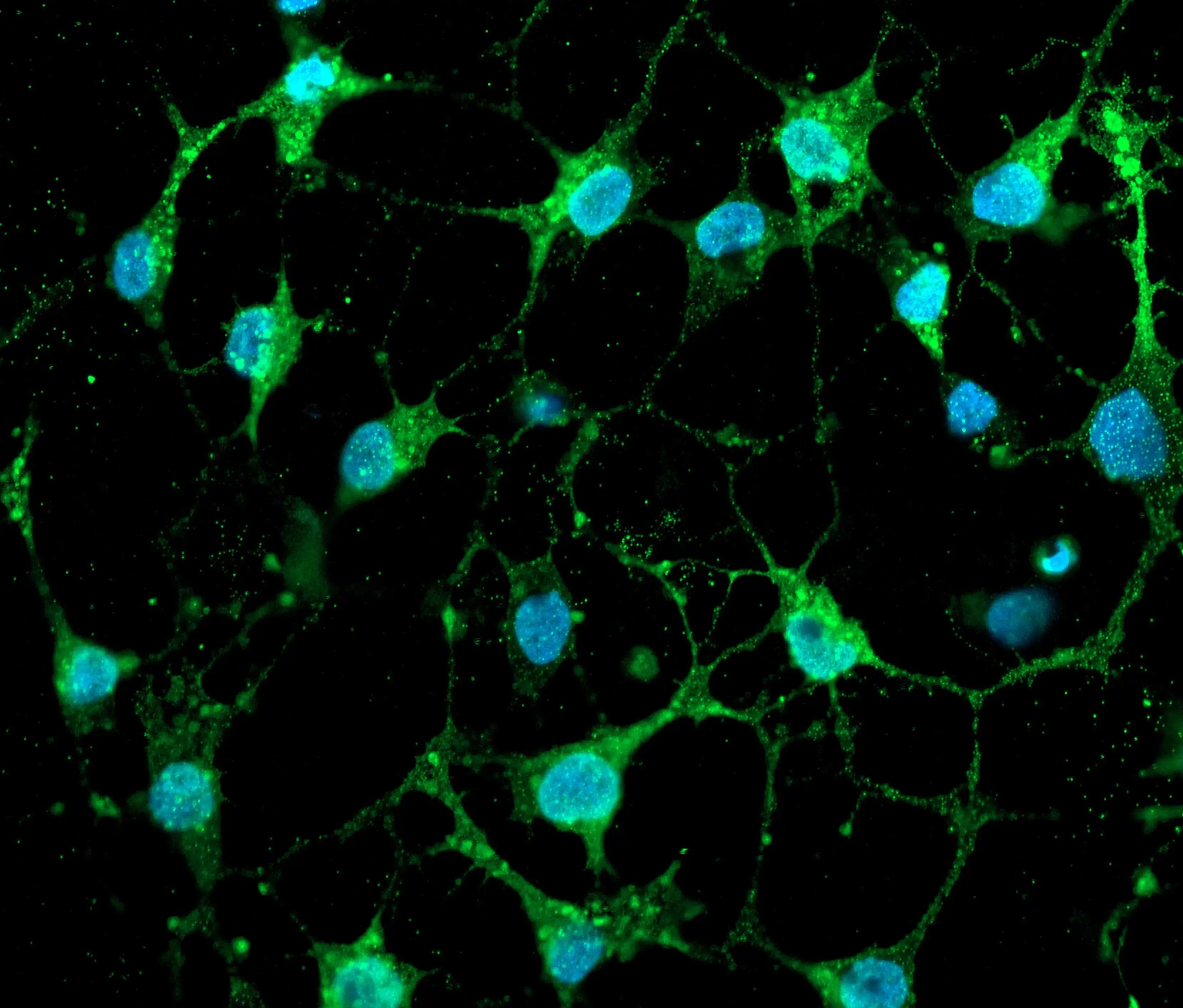
(B) Quantification of EdU incorporation at day 9 (2 days post-1st passage) shows approximately 80% positive cells. n=3 biological replicates.

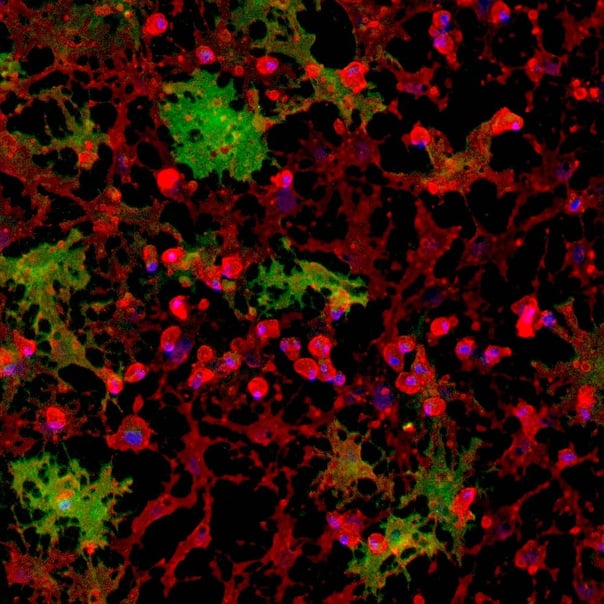
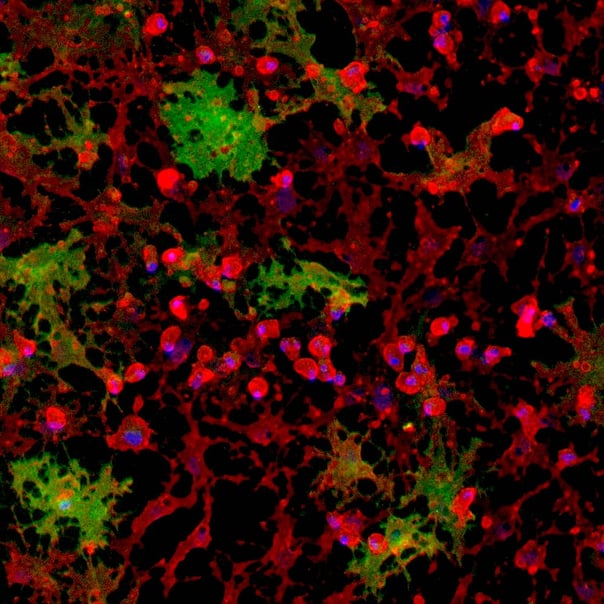
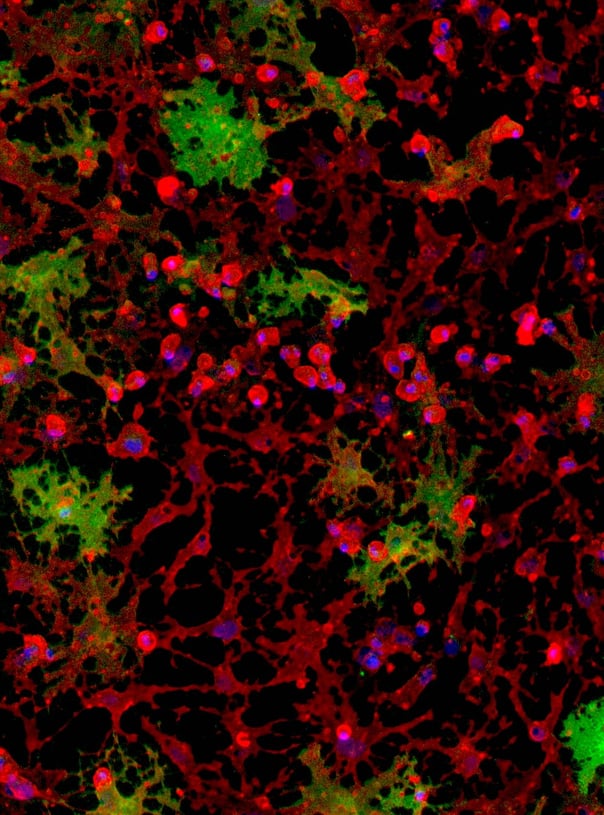
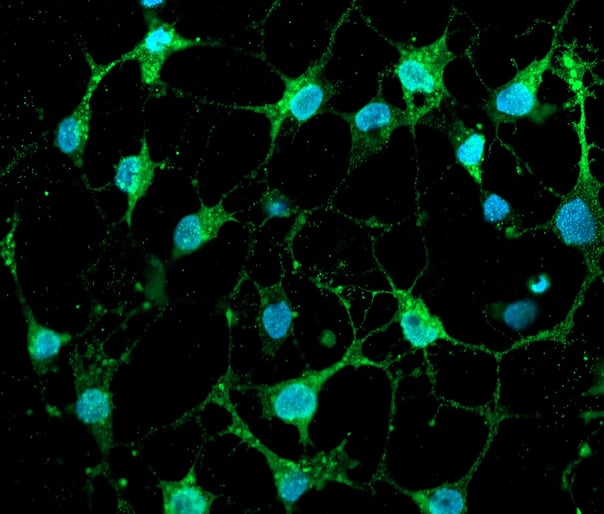
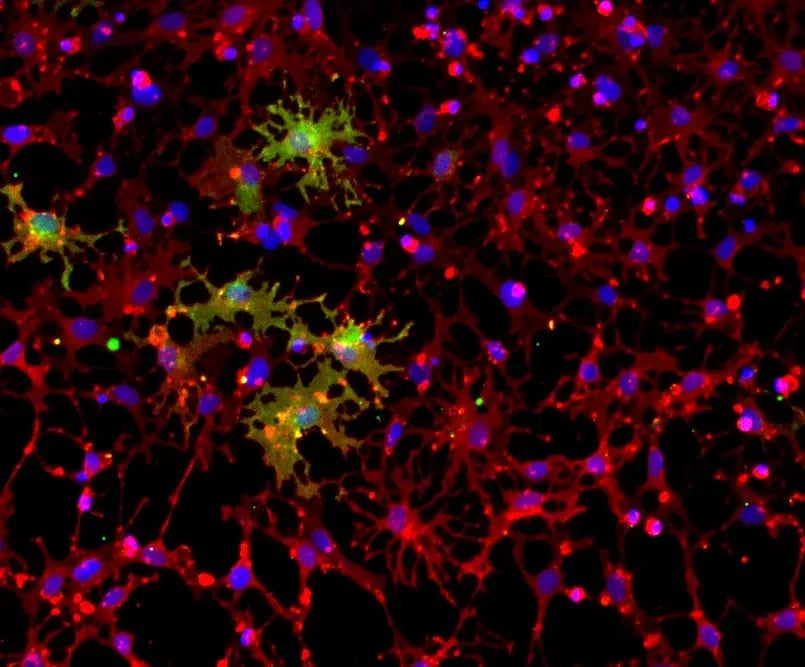
(C) Immunostaining imaging of the cells after treatment of Click-iT EdU
at day 9 (2 days post-1st passage). Cells are positive for O4 (red), the EdU marker (green), and the DAPI counterstain (blue).

View the step-by-step EdU proliferation assay protocol used to generate this data

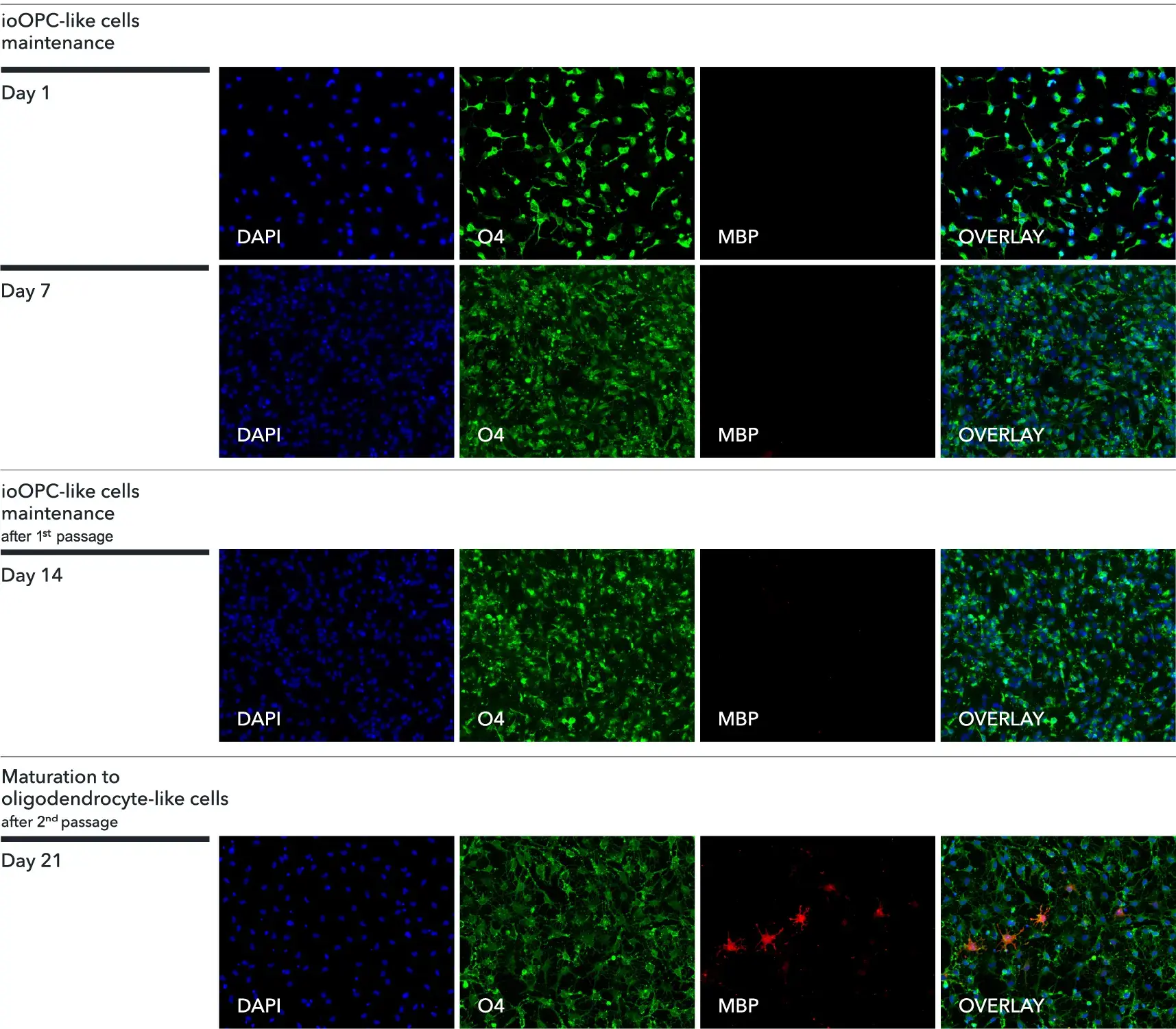
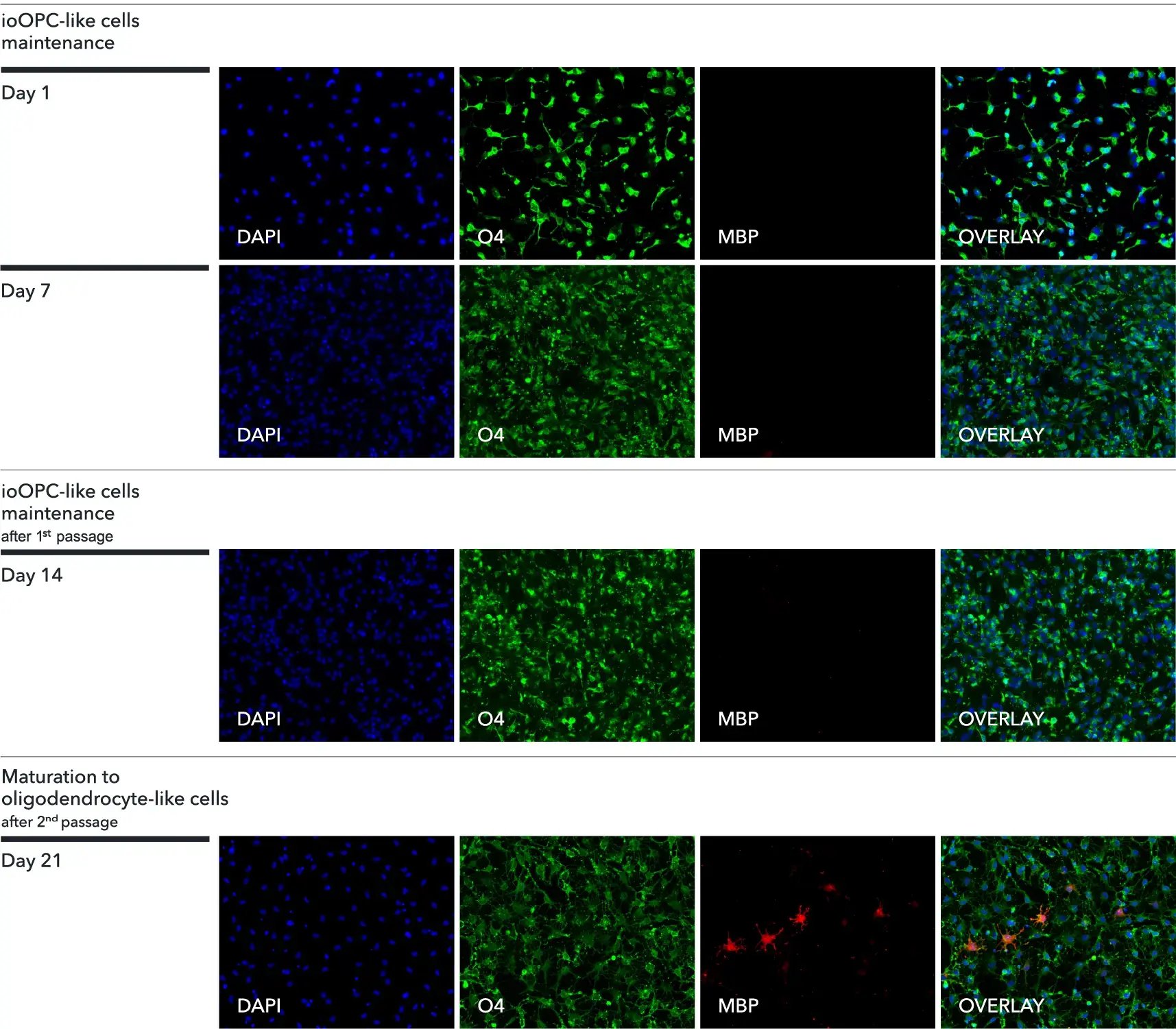
An immunostaining panel of human iPSC-derived OPC-like cells from proliferation to maturation with O4 and MBP.

ioOPC-like cells express oligodendroglial-specific markers

Immunocytochemistry staining of cells shows expression of key markers. At day 1, 7 and 14, the cells are positive for the oligodendrocyte-specific marker O4 (green), and the DAPI counterstain (blue).
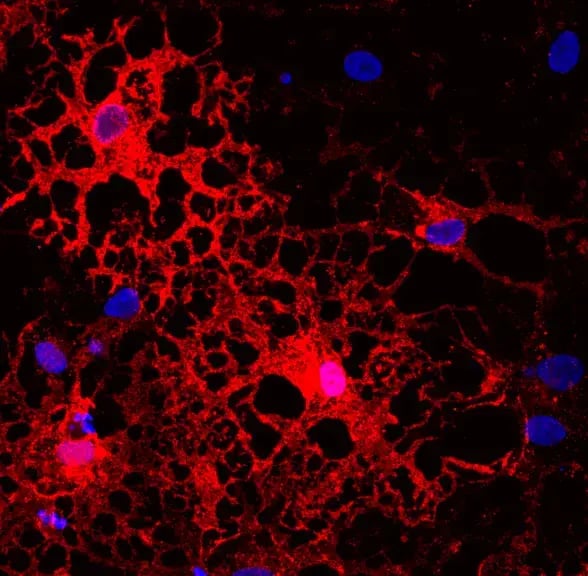
By day 21, after the 2nd passage, and upon switching to maturation media, cells show an increased complexity and are positive for O4 (green), the myelin basic protein (MBP) (red), and the DAPI counterstain (blue). Images acquired on the Echo Revolve microscope (10X objective).

View the step-by-step immunofluorescent staining protocol used to generate this data

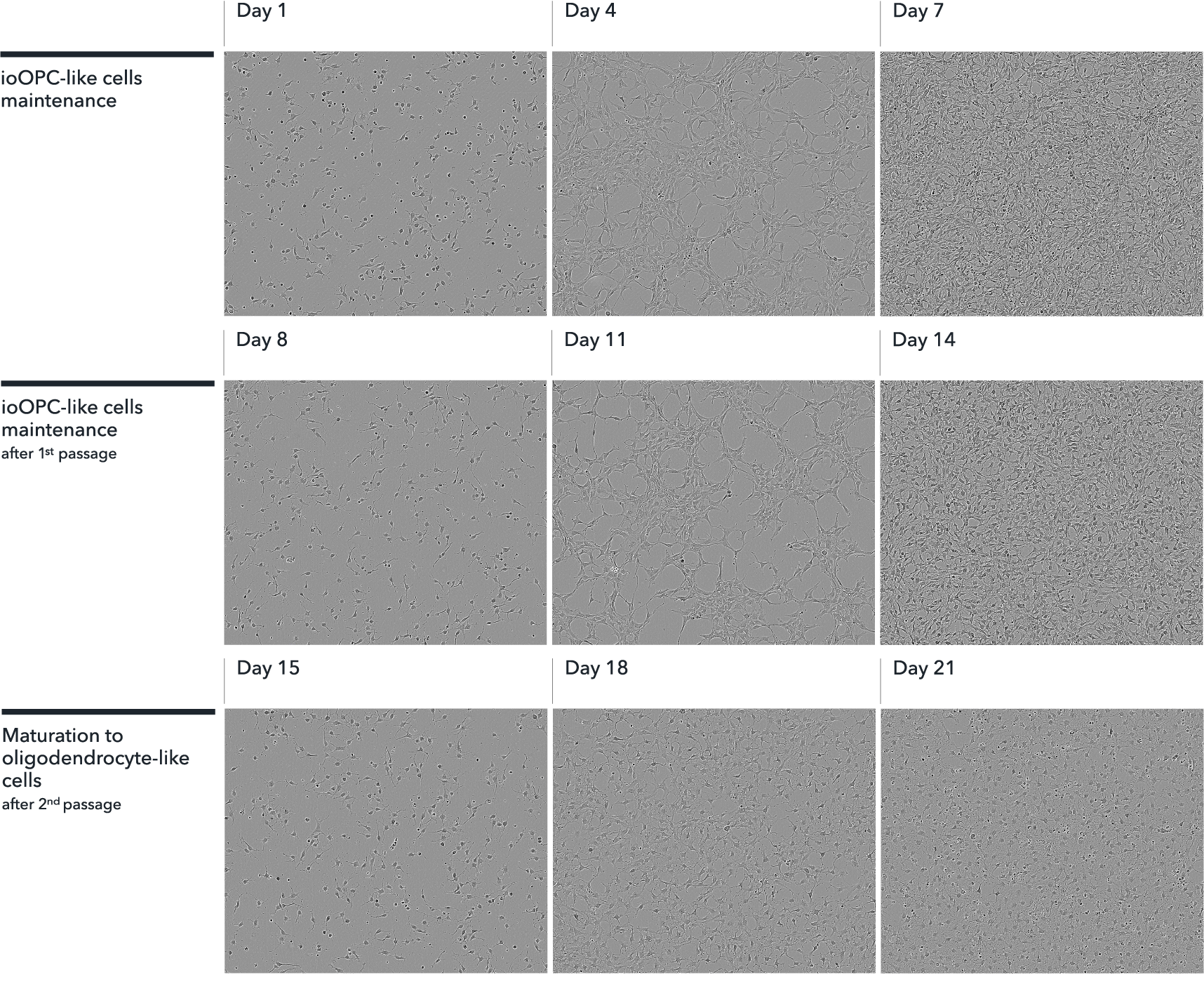
Human iPSC-derived OPC-like cells have an OPC-like morphology from thawing, which can be maintained for a 2-week period.

Cells display an OPC-like morphology during maintenance phases, whilst keeping the ability to mature towards mature oligodendrocyte-like cells

Upon deterministic programming, cells show rapid morphological changes, during the different phases of culture, from maintenance to maturation. From day 1 to day 7, the cells display an OPC-like morphology. After the 1st passage, from day 8 to day 14, the cells continue to display an OPC-like morphology. After the 2nd passage, the cells mature rapidly and by day 21 display an oligodendrocyte-like morphology. Images acquired on the Incucyte® (10X objective). 

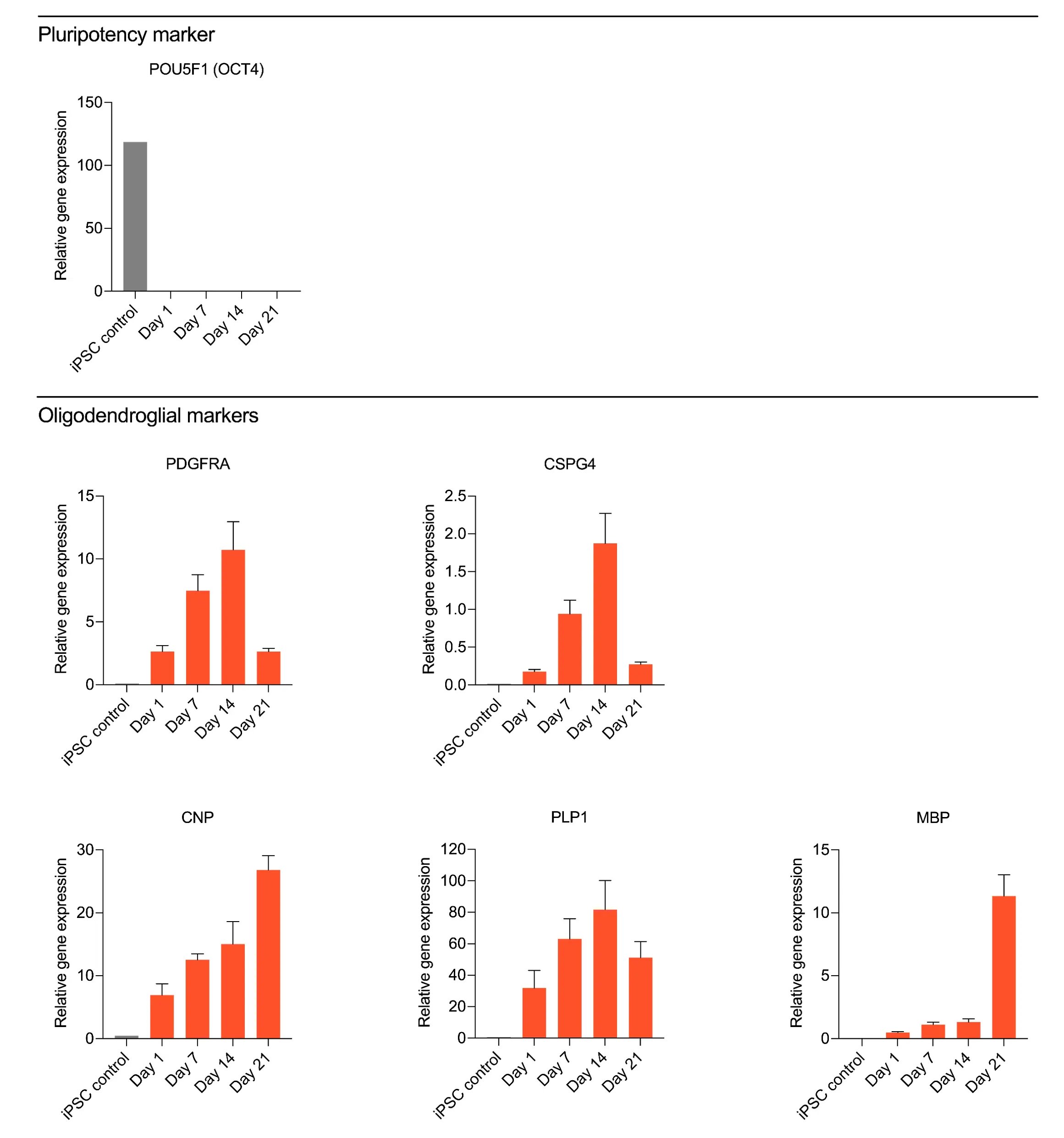
Oligodendroglial genes, such as PDGFRA, CSPG4, CNP, PLP1, and MBP, are expressed by human iPSC-derived ioOPC-like cells.

Key oligodendroglial genes are expressed by ioOPC-like cells

Following deterministic programming, the cells downregulate expression of the pluripotency gene OCT4. The cells show robust expression of relevant oligodendroglial markers, including PDGFRA, GSPG4, CNP, PLP1, and MBP. Gene expression levels assessed by RT-qPCR, data expressed relative to the reference (housekeeping) gene, HMBS. Data represents day 1, 7, 14, and 21 post-revival samples; n=3 technical replicates. 

Heatmap for ioOPC-like cells showing expression of key oligodendroglial cells demonstrated by bulk RNA sequencing

Bulk RNA-sequencing demonstrates expression of key oligodendroglial genes

ioOPC-like cells express key oligodendroglial genes as demonstrated on this heatmap generated from bulk RNA-sequencing analysis of the cells at multiple timepoints (day 0, day 7, day 14 and day 21).

During OPC maintenance phases, on day 7 and day 14, the cell population express oligodendrocyte progenitor genes, such as PDGFRA. Whilst on day 21, during the maturation phase, there is an increase in the expression of genes associated with mature oligodendrocytes, such as MBP, indicating that the cell population has matured towards an oligodendrocyte-like identity. Day 21 data was generated with 1 μM db-cAMP rather than the recently optimised medium formulation containing 100 μM db-cAMP (refer to this technical note to learn more). 

A maximum number of 20 vials applies. If you would like to order more than 20 vials, please contact us at orders@bit.bio.


Human iPSC-derived OPC-like cells

ioOPC-like cells are human iPSC-derived cells, deterministically programmed using opti-ox technology, meaning consistency is built-in. 

Upon revival, the cells immediately exhibit typical oligodendrocyte precursor cell (OPC) morphology and express key oligodendroglial progenitor genes, such as PDGFRA. During the maintenance phases, ioOPC-like cells remain proliferative for up to one passage, giving scientists a 2-week experimental window to conduct proliferation assays.

With a simple media change to maturation media, the cells can be matured towards an oligodendrocyte-like cell identity. After only 7 days in maturation media, the cells exhibit a complex morphology with multiple branched processes and express key mature oligodendrocyte markers, such as MBP.

Together, ioOPC-like cells and ioOligodendrocyte-like cells (cat no io1028) provide scientists easy access to human, physiologically relevant oligodendroglial cell models, ideal for studying the biology underlying  demyelinating and neurodegenerative diseases.

Benchtop benefits

efficient2_0

Access

Reliable access to challenging-to-obtain human cell types enables efficient experiment planning and reproducible results.

The ioOligodendrocyte protocol has been developed so even inexperienced users can generate consistent cells in days

Phenotypically relevant

Cells show expected morphology and express key oligodendroglial lineage markers. OPC-like cells can be maintained and then mature to oligodendrocyte-like cells.

O4-positive cells, oligodendroglial cells, ready from day 1 for experiments.

Quick

OPC-like cells are ready from day 1 post-revival and can be maintained for a 2-week period.

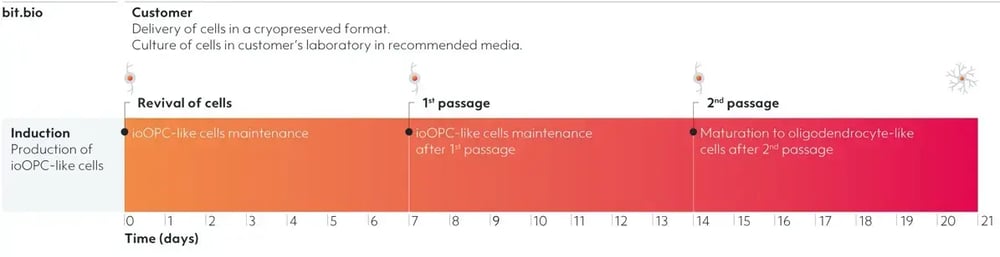
Schematic overview of the timeline in the user manual


bit.bio-OPC-like-cells-schematics-timeline-of-cell-cuilture

Schematic representation on how to culture ioOPC-like cells. ioOPC-like cells are delivered in a cryopreserved format and are programmed to be experiment-ready from day 1 upon revival in the recommended media.

Download the user manual

Product specifications

Starting material

Human iPSC line

Karyotype

46, XY*

Seeding compatibility

6, 12, 24 and 96 well plates

Shipping info

Dry ice

Donor

Caucasian adult male (skin fibroblast),
Genotype APOE 3/4

Vial size

Small: >1 x 10⁶ viable cells

Quality control

Sterility, protein expression (ICC) and gene expression (RT-qPCR)

Differentiation method

opti-ox deterministic cell programming

Recommended seeding density

Maintenance: 27,000 cells/cm²; Maturation: 34,000 cells/cm²

User storage

LN2 or -150°C

Format

Cryopreserved cells

Product use

ioCells are for research use only

Applications

Proliferation assays
Screening of compounds that modulate proliferation and/or maturation
Phenotypic assays
Target validation
Neurotoxicity assays
Neuroinflammation assays

*High-resolution Optical Genome Mapping (OGM) has identified a ∼35mb gain of the short arm of chromosome 12


Scale your study with volume pricing

Enabling scientists to use human cells in their research, running additional experiments without rationing cells or limiting experimental scale


Order quantity Total vials received Pricing tier 
1 - 9 packs 2 - 18 vials Standard price
10 - 49 packs 20 - 98 vials Automatic 10% discount
> 50 packs > 100 vials > Contact us for a quote
Academic pricing: Academic users can purchase any ioCells in 3-vial packs ($/€/£ 999 per pack), available year-round with any cell type combination.
Technical data

Ready within days

Cells are programmed to be maintained as OPC-like cells and then mature to oligodendrocyte-like cells

Time-lapse video capturing the rapid and homogeneous acquisition of an OPC-like morphology from day 1. Cells proliferate for a 2-week period, and can undergo 2 passages. By switching to maturation media, the cells rapidly acquire a complex, mature oligodendrocyte-like morphology with multiple branched processes. 21 day time course; scale bar: 400 μm.

Highly characterised and defined

ioOPC-like cells express oligodendroglial-specific markers

An immunostaining panel of human iPSC-derived OPC-like cells from proliferation to maturation with O4 and MBP.

Immunocytochemistry staining of cells shows expression of key markers. At day 1, 7 and 14, the cells are positive for the oligodendrocyte-specific marker O4 (green), and the DAPI counterstain (blue). 
By day 21, after the 2nd passage, and upon switching to maturation media, cells show an increased complexity and are positive for O4 (green), the myelin basic protein (MBP) (red), and the DAPI counterstain (blue). Images acquired on the Echo Revolve microscope (10X objective).

View the step-by-step immunofluorescent staining protocol used to generate this data

Cells display an OPC-like morphology during maintenance phases, whilst keeping the ability to mature towards mature oligodendrocyte-like cells

Human iPSC-derived OPC-like cells have an OPC-like morphology from thawing, which can be maintained for a 2-week period.

Upon deterministic programming, cells show rapid morphological changes, during the different phases of culture, from maintenance to maturation. From day 1 to day 7, the cells display an OPC-like morphology. After the 1st passage, from day 8 to day 14, the cells continue to display an OPC-like morphology. After the 2nd passage, the cells mature rapidly and by day 21 display an oligodendrocyte-like morphology. Images acquired on the Incucyte® (10X objective).

Key oligodendroglial genes are expressed by ioOPC-like cells

Oligodendroglial genes, such as PDGFRA, CSPG4, CNP, PLP1, and MBP, are expressed by human iPSC-derived ioOPC-like cells.
Following deterministic programming, the cells downregulate expression of the pluripotency gene OCT4. The cells show robust expression of relevant oligodendroglial markers, including PDGFRA, GSPG4, CNP, PLP1, and MBP. Gene expression levels assessed by RT-qPCR, data expressed relative to the reference (housekeeping) gene, HMBS. Data represents day 1, 7, 14, and 21 post-revival samples; n=3 technical replicates.

Bulk RNA-sequencing demonstrates expression of key oligodendroglial genes

Heatmap for ioOPC-like cells showing expression of key oligodendroglial cells demonstrated by bulk RNA sequencing

ioOPC-like cells express key oligodendroglial genes as demonstrated on this heatmap generated from bulk RNA-sequencing analysis of the cells at multiple timepoints (day 0, day 7, day 14 and day 21).

During OPC maintenance phases, on day 7 and day 14, the cell population express oligodendrocyte progenitor genes, such as PDGFRA. Whilst on day 21, during the maturation phase, there is an increase in the expression of genes associated with mature oligodendrocytes, such as MBP, indicating that the cell population has matured towards an oligodendrocyte-like identity. Day 21 data was generated with 1 μM db-cAMP rather than the recently optimised medium formulation containing 100 μM  db-cAMP (refer to this technical note to learn more).

Fold increase in cell numbers

ioOPC-like cells have limited proliferative ability and can be passaged
Human iPSC-derived ioOPC0like cells show proliferation demonstrated by EdU assay

Assessment of cell fold increase in ioOPC-like cells after treatment with Click-iT™ EdU cell proliferation assay from ThermoFisher.

(A) Cell expansion during the OPC-maintenance phases, over 7-day periods, shows the cell number increasing by approximately 4- to 5-fold. n=3 biological replicates.

(B) Quantification of EdU incorporation at day 9 (2 days post-1st passage) shows approximately 80% positive cells. n=3 biological replicates. 

(C) Immunostaining imaging of the cells after treatment of Click-iT EdU 
at day 9 (2 days post-1st passage). Cells are positive for O4 (red), the EdU marker (green), and the DAPI counterstain (blue).

View the step-by-step EdU proliferation assay protocol used to generate this data 

Technical data

Fold increase in cell numbers

ioOPC-like cells have limited proliferative ability and can be passaged 2 times

Human iPSC-derived ioOPC0like cells show proliferation demonstrated by EdU assay

Assessment of cell fold increase in ioOPC-like cells after treatment with Click-iT™ EdU cell proliferation assay from ThermoFisher.

(A) Cell expansion during the OPC-maintenance phases, over 7-day periods, shows the cell number increasing by approximately 4- to 5-fold. n=3 biological replicates.

(B) Quantification of EdU incorporation at day 9 (2 days post-1st passage) shows approximately 80% positive cells. n=3 biological replicates.

(C) Immunostaining imaging of the cells after treatment of Click-iT EdU
at day 9 (2 days post-1st passage). Cells are positive for O4 (red), the EdU marker (green), and the DAPI counterstain (blue).

View the step-by-step EdU proliferation assay protocol used to generate this data

Product resources

Enhancement of MBP expression in human iPSC-derived oligodendrocyte-like cells by optimising db-cAMP concentration in media Technical note
Enhancement of MBP expression in human iPSC-derived oligodendrocyte-like cells by optimising db-cAMP concentration in media
Download technical note
ioOligodendrocyte-like cells Brochure
ioOligodendrocyte-like cells
bit.bio
Download
An iPSC-derived neuroinflammation/neurotoxicity in vitro model of neurons and glial cells Poster
An iPSC-derived neuroinflammation/neurotoxicity in vitro model of neurons and glial cells

Bsibsi et al.

Courtesy of Charles River Laboratories

2024

View poster
Driving experimental reproducibility and lot-to-lot biological consistency in human iPSC-derived cells enabled by opti-ox technology Poster
Driving experimental reproducibility and lot-to-lot biological consistency in human iPSC-derived cells enabled by opti-ox technology

Newman et al.

bit.bio

2024

View poster
Rapid and consistent generation of human iPSC-derived oligodendrocyte-like cells using opti-ox technology Poster
Rapid and consistent generation of human iPSC-derived oligodendrocyte-like cells using opti-ox technology

Herrera-Vaquero et al.

bit.bio

2024

View poster
Establishment and validation of an in vitro co-culture model to study myelination using human iPSC-derived glutamatergic neurons and oligodendrocytes Poster
Establishment and validation of an in vitro co-culture model to study myelination using human iPSC-derived glutamatergic neurons and oligodendrocytes

Bsibsi et al.

Courtesy of Charles River Laboratories

2024

View poster
In vitro model to study demyelinating disease using human OPC- and oligodendrocyte-like cells generated by deterministic cell programming Poster
In vitro model to study demyelinating disease using human OPC- and oligodendrocyte-like cells generated by deterministic cell programming

Veteleanu et al.

bit.bio

2025

Download poster
Cellular reprogramming to enable the precise and scalable manufacturing of human cells for therapeutic applications Talk
Cellular reprogramming to enable the precise and scalable manufacturing of human cells for therapeutic applications

Dr Alex Davenport | Senior Scientist | bit.bio

Talk at ELRIG Cell & Gene Therapy

2021

Watch now
ioOligodendrocyte-like cells user manual | bit.bio User manual
ioOligodendrocyte-like cells user manual | bit.bio

bit.bio

2026

Download
CRISPRko-Ready ioOligodendrocyte-like cells user manual | bit.bio User manual
CRISPRko-Ready ioOligodendrocyte-like cells user manual | bit.bio
V1
2025
bit.bio
Download
How to culture ioOligodendrocyte-like cells Video tutorial
How to culture ioOligodendrocyte-like cells
Prachi Bhagwatwar​​​​ | ​Research Assistant | bit.bio
Watch now
Human iPSC-Based Models of Glial Cells for Studying Neurodegenerative Disease | bit.bio Webinar
Human iPSC-Based Models of Glial Cells for Studying Neurodegenerative Disease | bit.bio
Valentina Fossati, PhD | Senior Research Investigator | The New York Stem Cell Foundation

Inês Ferreira | Senior Product Manager | bit.bio
Watch now
Compound treatment in ioOligodendrocyte-like cells | bit.bio Protocol
Compound treatment in ioOligodendrocyte-like cells | bit.bio
Download protocol
Co-culturing ioOligodendrocyte-like cells and ioGlutamatergic Neurons | bit.bio Protocol
Co-culturing ioOligodendrocyte-like cells and ioGlutamatergic Neurons | bit.bio
Download protocol
ioOPC- and ioOligodendrocyte-like cells ICC staining protocol | bit.bio Protocol
ioOPC- and ioOligodendrocyte-like cells ICC staining protocol | bit.bio
Download protocol
EdU protocol for ioOPC-like cells | bit.bio Protocol
EdU protocol for ioOPC-like cells | bit.bio
Download protocol

Expand your research

Click on the icons to find out more

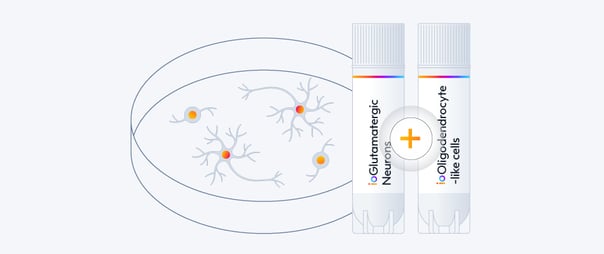
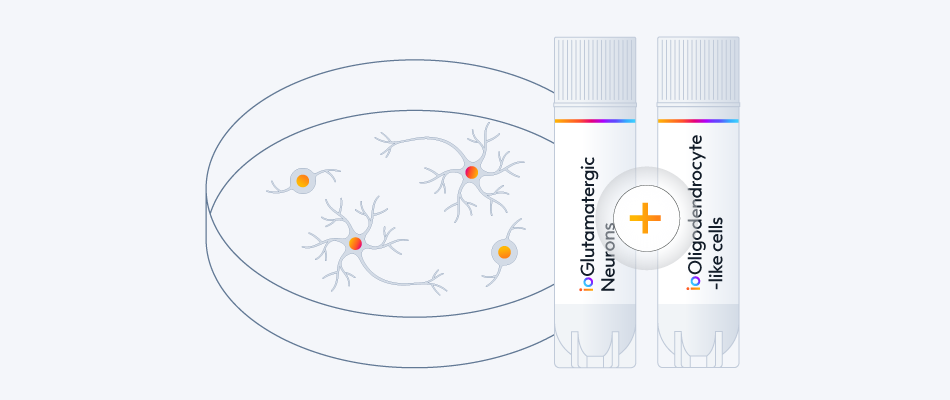
Oligodendrocyte-like cells in co-culture with neurons for an in vitro myelination model
Build a co-culture model
Study MBP expression in co-culture with ioGlutamatergic Neurons
Expand your research
Build a co-culture model
Study MBP expression in co-culture with ioGlutamatergic Neurons
Oligodendrocyte-like cells in co-culture with neurons for an in vitro myelination model
Developing a myelination model in vitro?
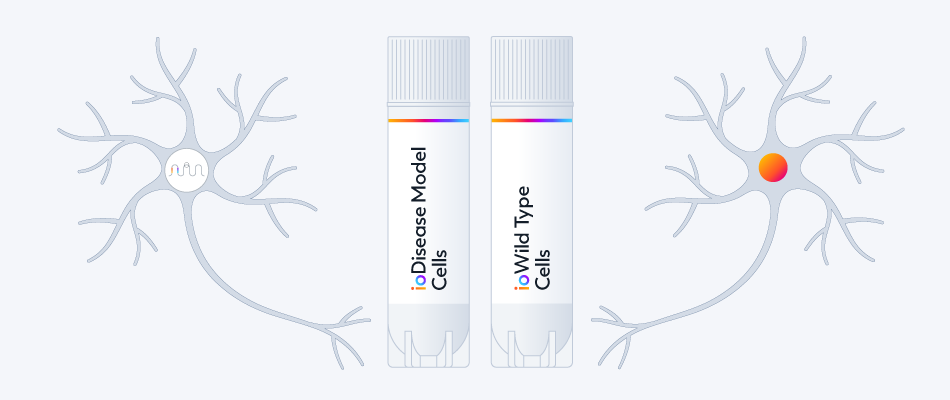
Include ioGlutamatergic Neurons wild type or tailor experimental conditions to answer your scientific question by including ioDisease Model Cells with disease-related mutations, for example,

ioGlutamatergic Neurons APP V717I/V717I
ioGlutamatergic Neurons PSEN1 M146L/M146L
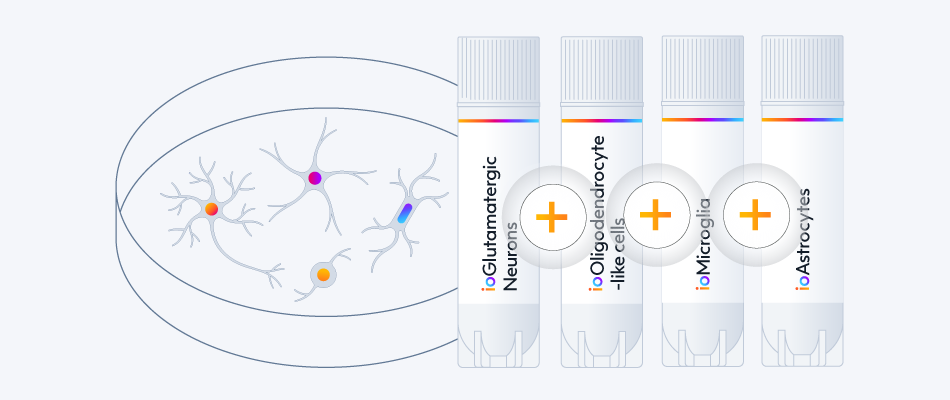
Multi cellular model for neuroinflammation studies with neurons and glia.
Study neuroinflammation in complex models
Assess cell damage, microglia activation and cytokine release
Expand your research
Study neuroinflammation in complex models
Assess cell damage, microglia activation and cytokine release
Multi cellular model for neuroinflammation studies with neurons and glia.
Interested in optimising your neuroinflammation studies?
Move into a multi-cellular model using different cell types:

ioMicroglia Male
ioGlutamatergic Neurons
ioAstrocytes

Tailor experimental conditions to answer your scientific question by including ioDisease Model Cells with disease-related mutations.
Modeling disease with your mutation of interest in comparison with isogenic control in oligodendrocyte-like cells
Study disease-related phenotypes
Make true comparisons with a genetically-matched control
Expand your research
Study disease-related phenotypes
Make true comparisons with a genetically-matched control
Modeling disease with your mutation of interest in comparison with isogenic control in oligodendrocyte-like cells
Build your custom disease model into the ioOligodendrocyte-like cells wild type. Use the genetically matched control in your experiments to make true comparisons in your data, being confident that even subtle variances in your data are attributable to your mutation of interest.

Start the conversation today
CRISPR-ready hiPSC-derived cells for efficient knockouts and CRISPR screens.
Simplify gene knockouts
Use CRISPRko-Ready ioOligodendrocyte-like cells to study your gene of interest
Expand your research
Simplify gene knockouts
Use CRISPRko-Ready ioOligodendrocyte-like cells to study your gene of interest
CRISPR-ready hiPSC-derived cells for efficient knockouts and CRISPR screens.
Interested in gene knockouts and CRISPR screens? 
CRISPRko-Ready ioOligodendrocyte-like cells are engineered to constitutively express Cas9 nuclease for the quick and easy generation of gene knockouts and CRISPR screens. 

Explore CRISPRko-Ready ioOligodendrocyte-like cells.

ioCells catalogue

Human iPSC-derived cells

powered by opti-ox

Consistent. Defined. Scalable.

bitbio-cell_catalogue_header-with-tracker-Desktop-2500x1664