ioMotor Neurons FUS P525L/WT
ioMotor DM HERO RECT
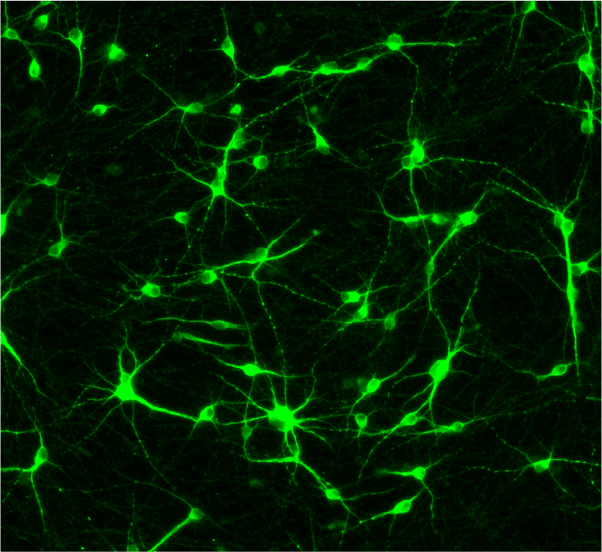
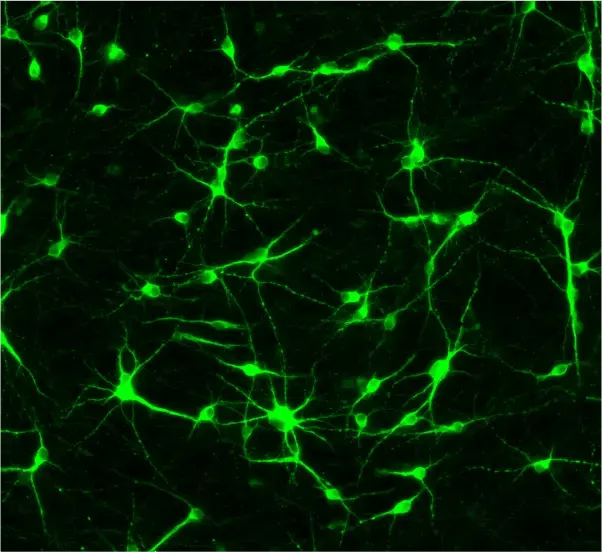
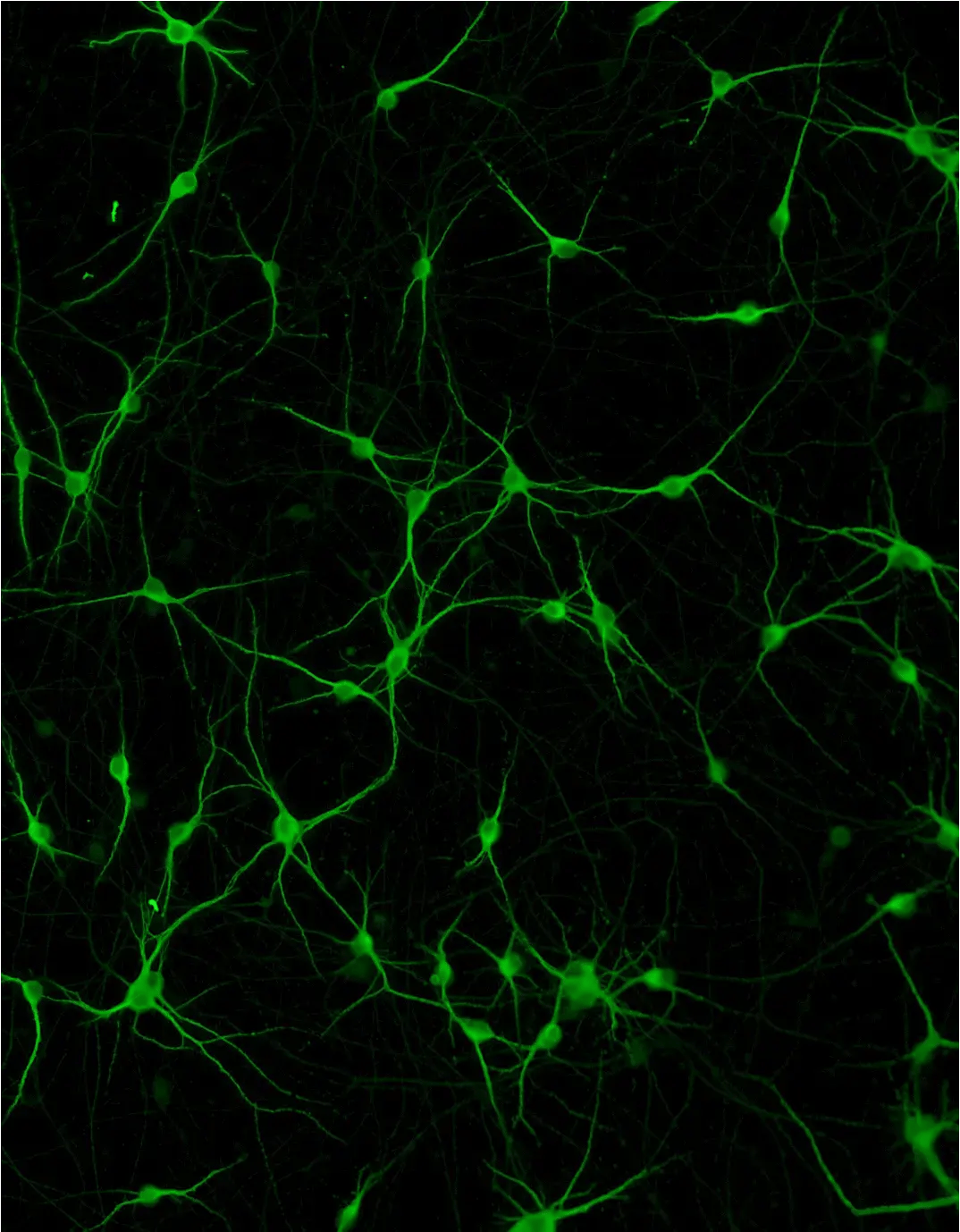
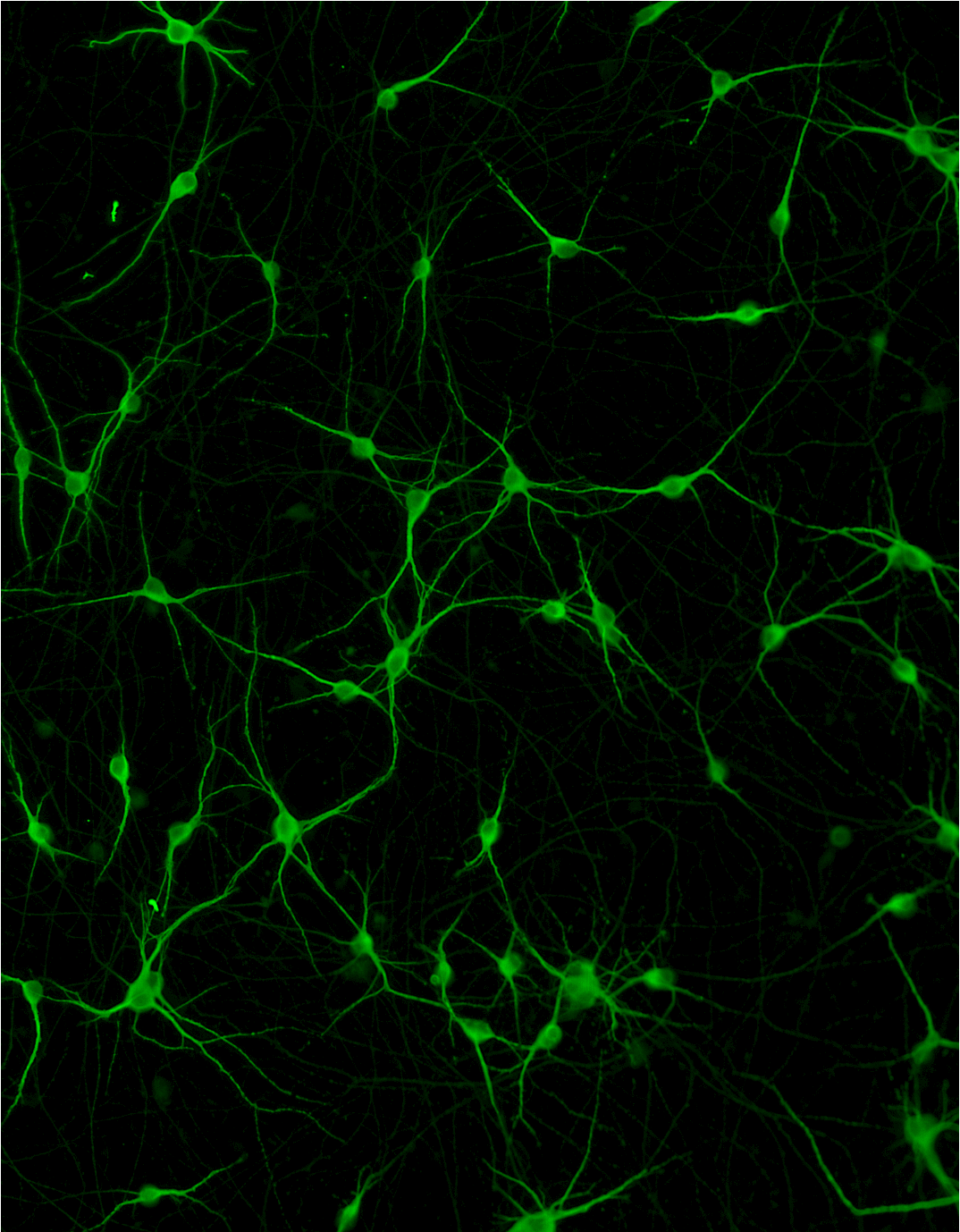
Human motor neurons form homogenous neuronal networks, without clumping of cells
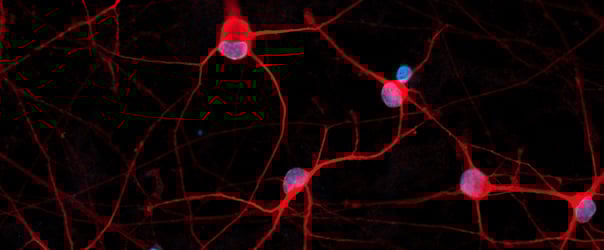
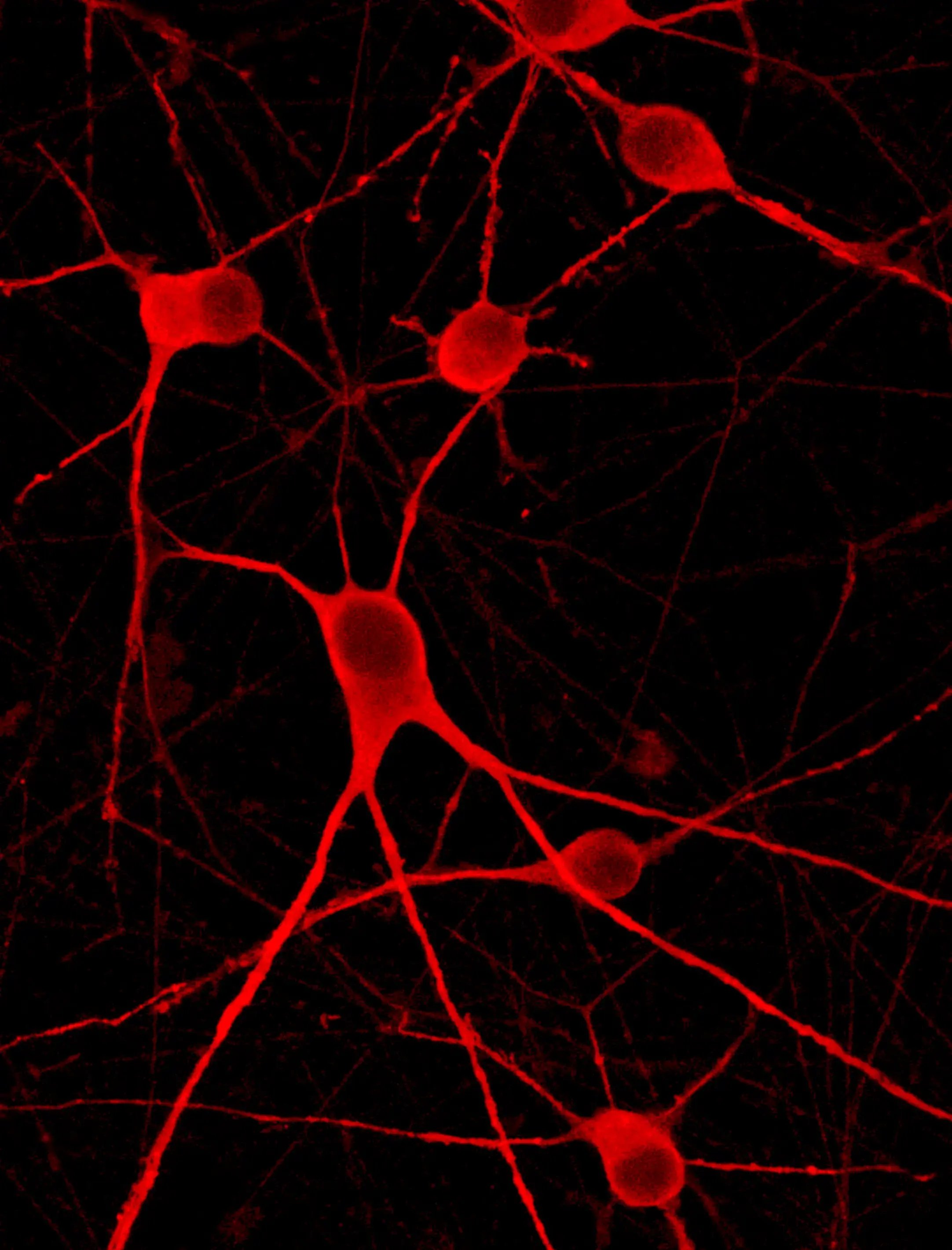
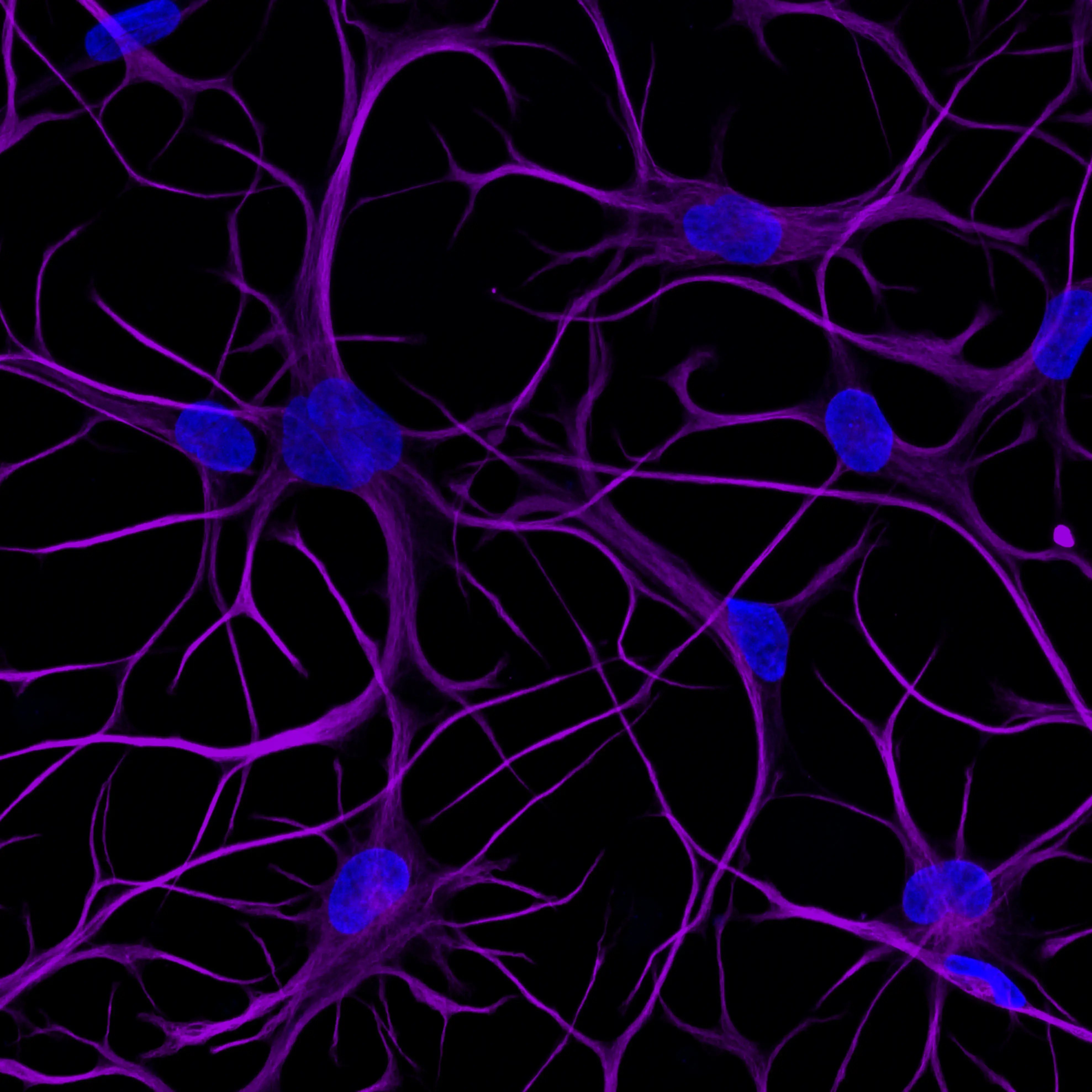
Immunofluorescent staining of pan-neuronal protein TUBB3, motor neuron specific marker ISL2 and cholinergic marker VAChT
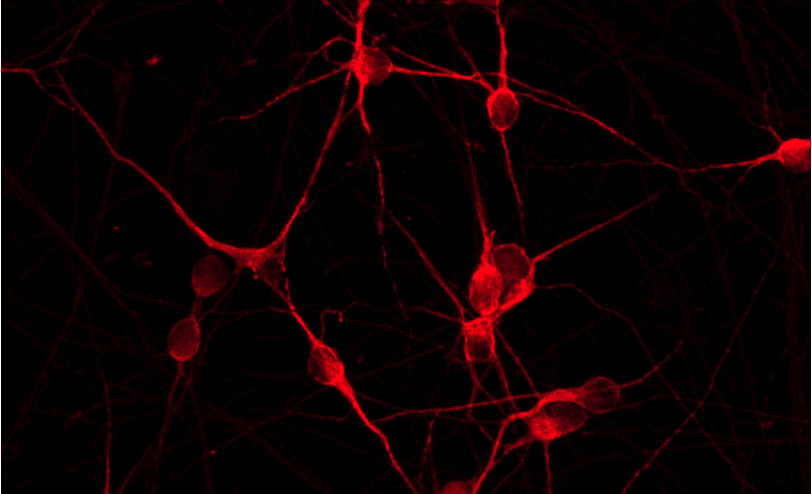
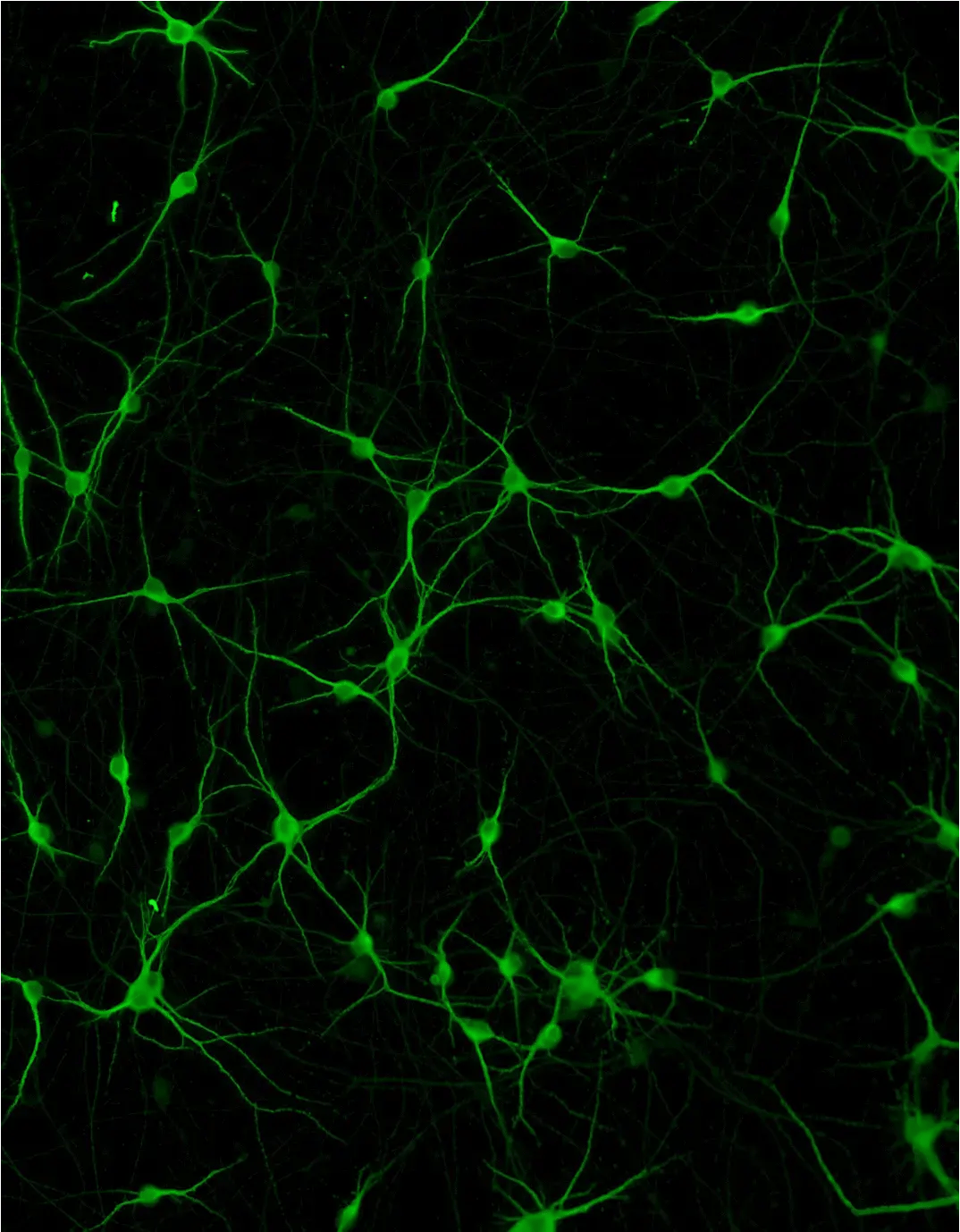
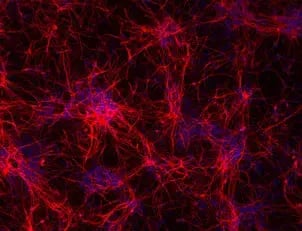
Immunofluorescent staining of pan-neuronal protein MAP2, motor neuron specific marker HB9 and cholinergic marker VAcHT
Gene expression analysis of disease model on human iPSC-derived motor neurons
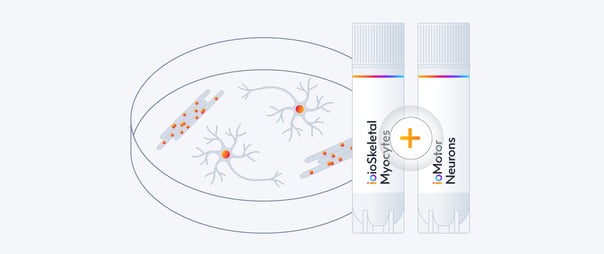
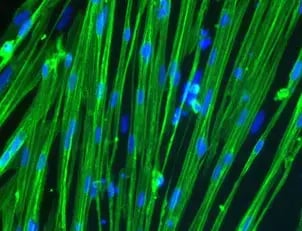
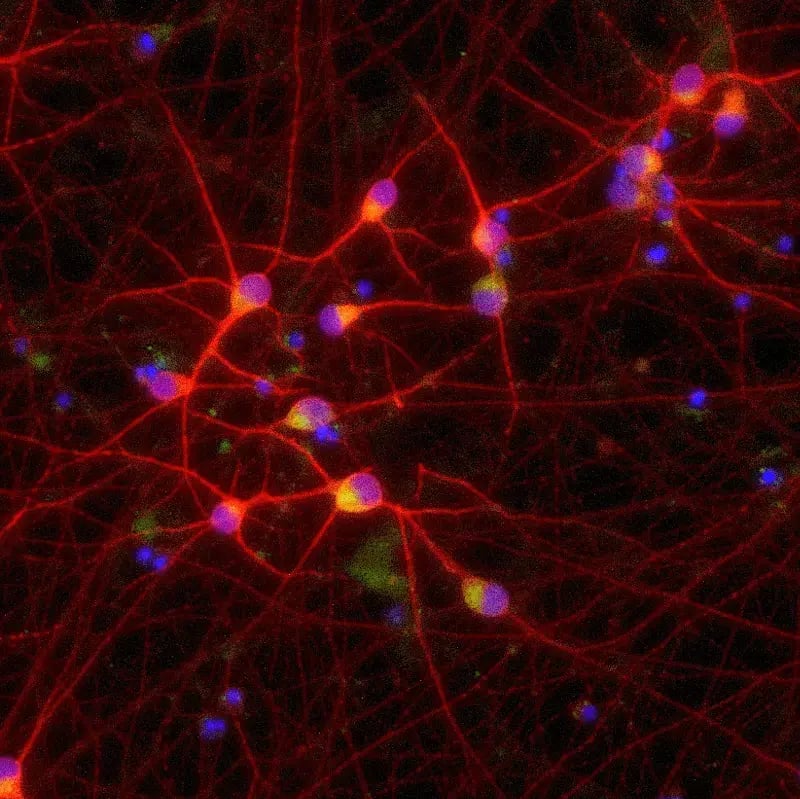
Human iPSC-derived skeletal myocytes and motor neurons in co-culture.
The seeding density of our human iPSC-derived ioMotor Neurons and related disease models has been optimised and validated so 1million cells seeds 1 96-well plate
ioMotor DM HERO RECT
Human motor neurons form homogenous neuronal networks, without clumping of cells
Immunofluorescent staining of pan-neuronal protein TUBB3, motor neuron specific marker ISL2 and cholinergic marker VAChT
Immunofluorescent staining of pan-neuronal protein MAP2, motor neuron specific marker HB9 and cholinergic marker VAcHT
Gene expression analysis of disease model on human iPSC-derived motor neurons
Human iPSC-derived skeletal myocytes and motor neurons in co-culture.
The seeding density of our human iPSC-derived ioMotor Neurons and related disease models has been optimised and validated so 1million cells seeds 1 96-well plate

cat no | io1055

ioMotor Neurons FUS P525L/WT

Human iPSC-derived ALS disease model

  • Cryopreserved human iPSC-derived cells powered by opti-ox, that are ready for experiments in days

  • Engineered to enable investigations into the impact of mutant FUS protein on neurodegenerative disease

  • Clump free, highly-pure motor neurons, that form functional neuronal networks in co-culture with astrocytes

ioMotor DM HERO RECT

Human iPSC-derived ALS disease model

Human motor neurons form homogenous neuronal networks, without clumping of cells

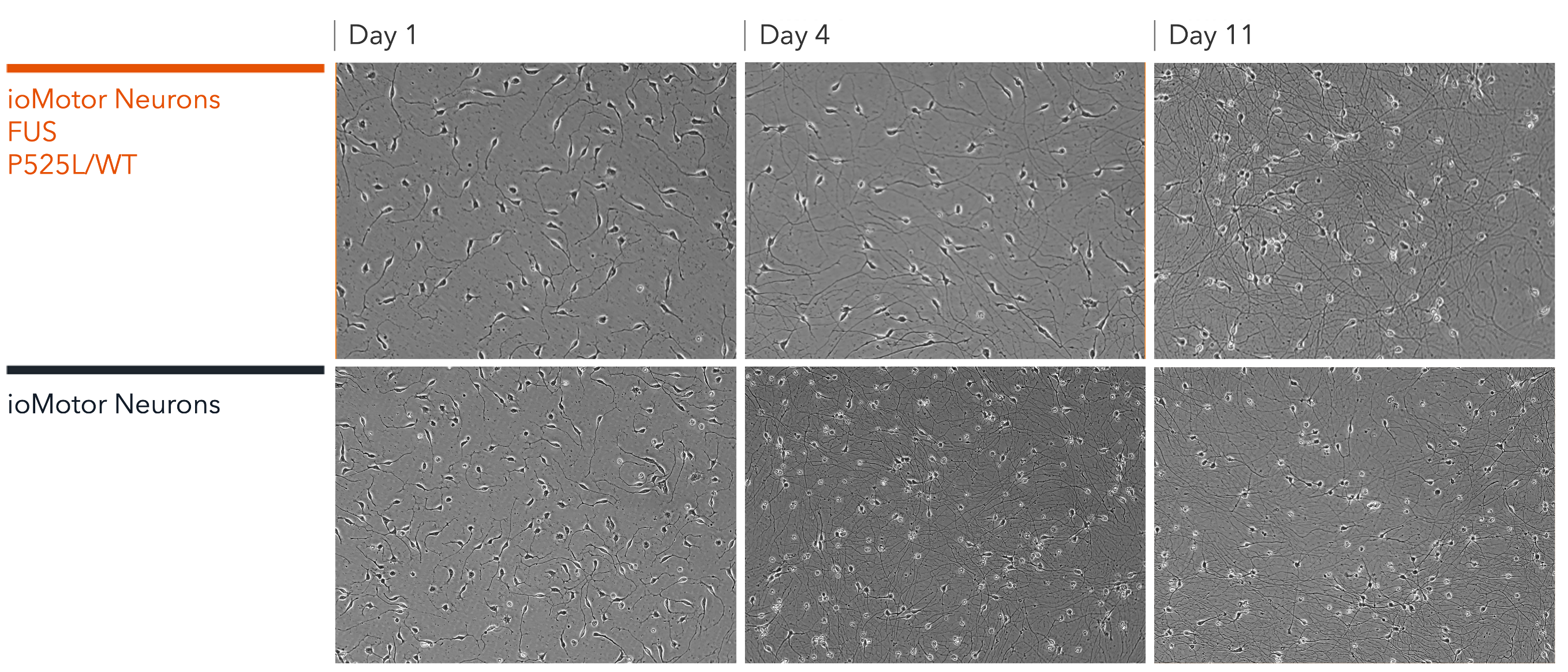
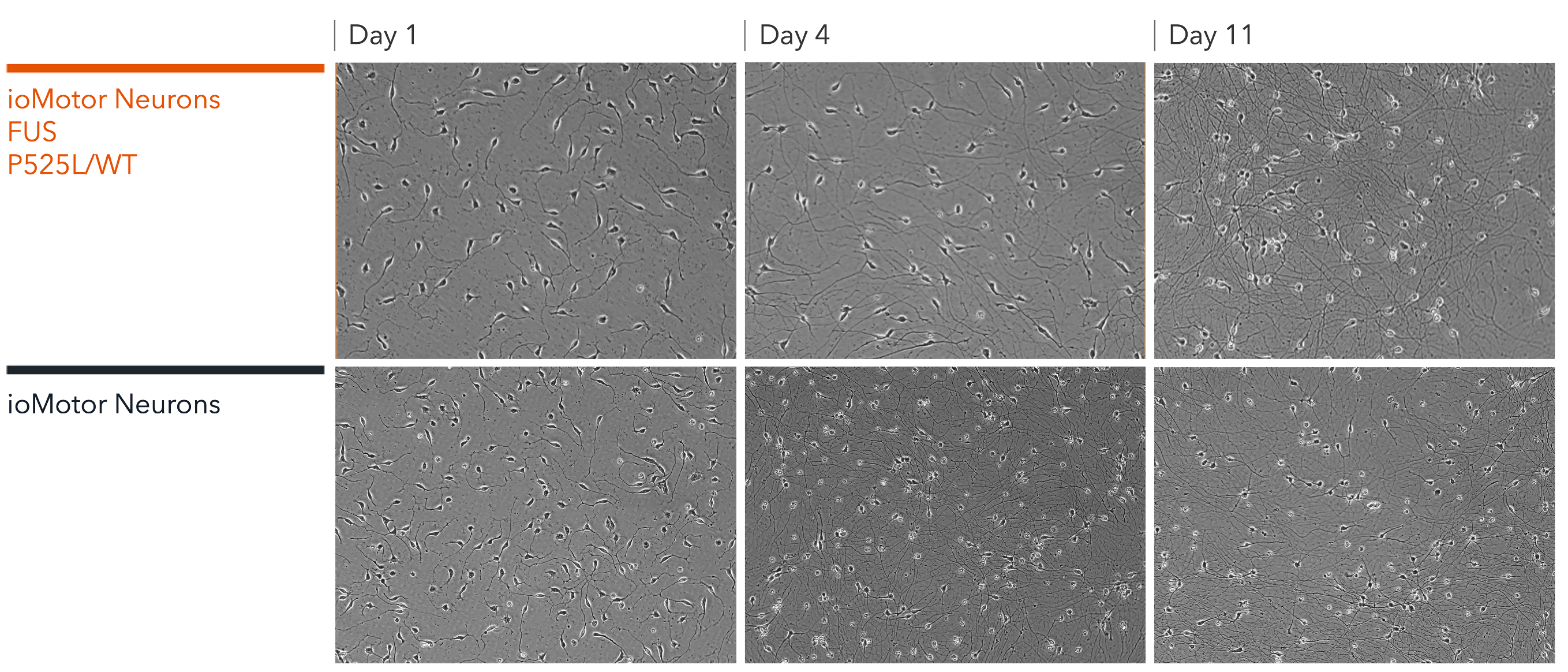
ioMotor Neurons FUS P525L/WT form a homogenous neuronal network by day 4

ioMotor Neurons FUS P525L/WT rapidly acquire a motor neuronal phenotype, forming homogenous neuronal networks, without clumping of cells. Compared to the genetically matched wild type control, ioMotor Neurons. Day 1 to 11 post thawing; 100X magnification.

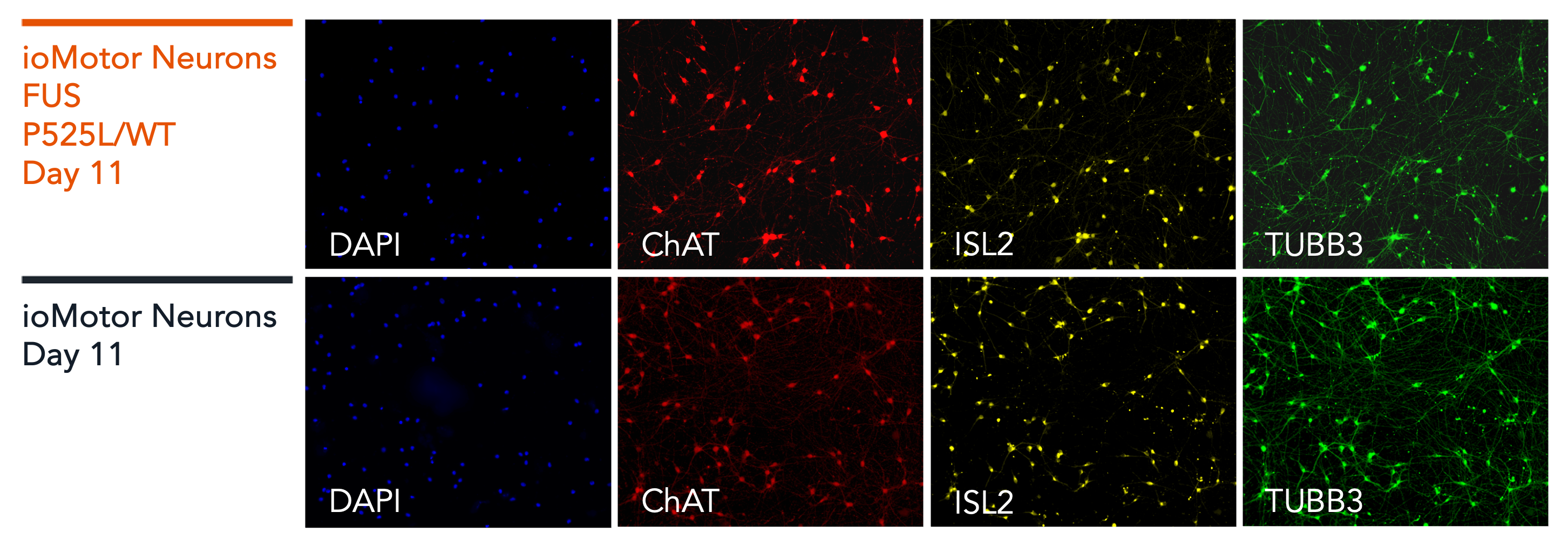
Immunofluorescent staining of pan-neuronal protein TUBB3, motor neuron specific marker ISL2 and cholinergic marker VAChT

ioMotor Neurons FUS P525L/WT express motor neuron-specific markers with protein expression highly reminiscent to the genetically matched control

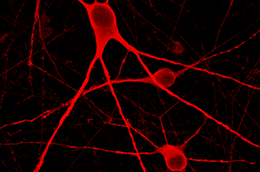
Immunofluorescent staining on post-revival day 11 demonstrates similar homogenous expression of pan-neuronal protein TUBB3, motor neuron specific marker ISL2 and the cholinergic marker VAChT in ioMotor Neurons FUS P525L/WT compared to the genetically matched control, ioMotor Neurons

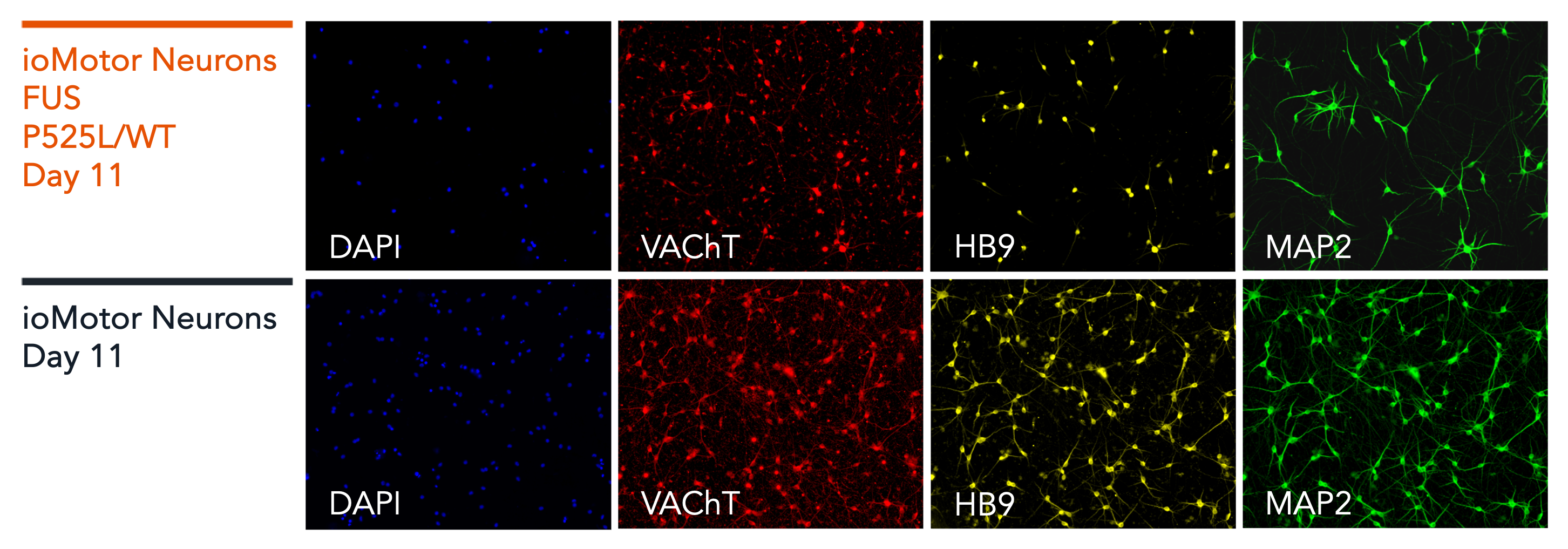
Immunofluorescent staining of pan-neuronal protein MAP2, motor neuron specific marker HB9 and cholinergic marker VAcHT

ioMotor Neurons FUS P525L/WT express motor neuron-specific markers with protein expression highly reminiscent to the genetically matched control

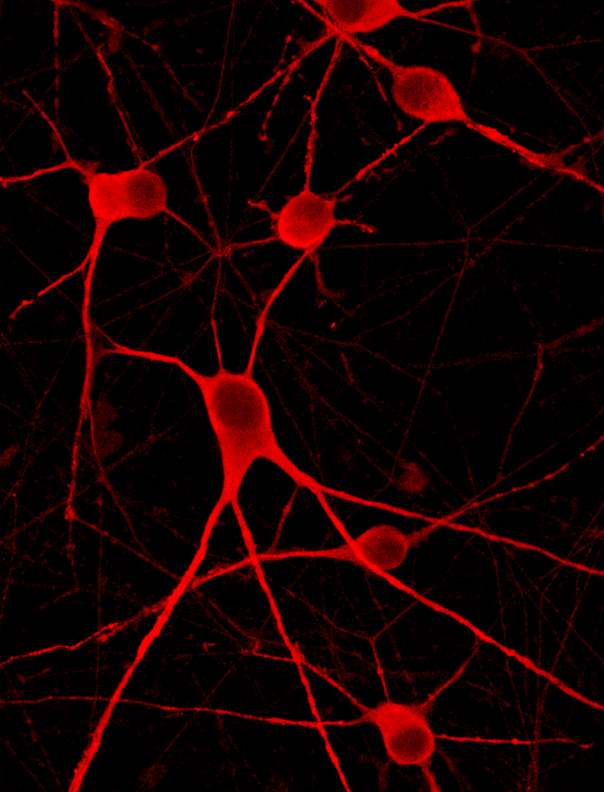
Immunofluorescent staining on post-revival day 11 demonstrates similar homogenous expression of pan-neuronal protein MAP2, motor neuron specific marker HB9 and the cholinergic marker VAChT in ioMotor Neurons FUS P525L/WT compared to the genetically matched control, ioMotor Neurons

Gene expression analysis of disease model on human iPSC-derived motor neurons

Disease-related FUS is expressed in ioMotor Neurons FUS P525L/WT following deterministic programming

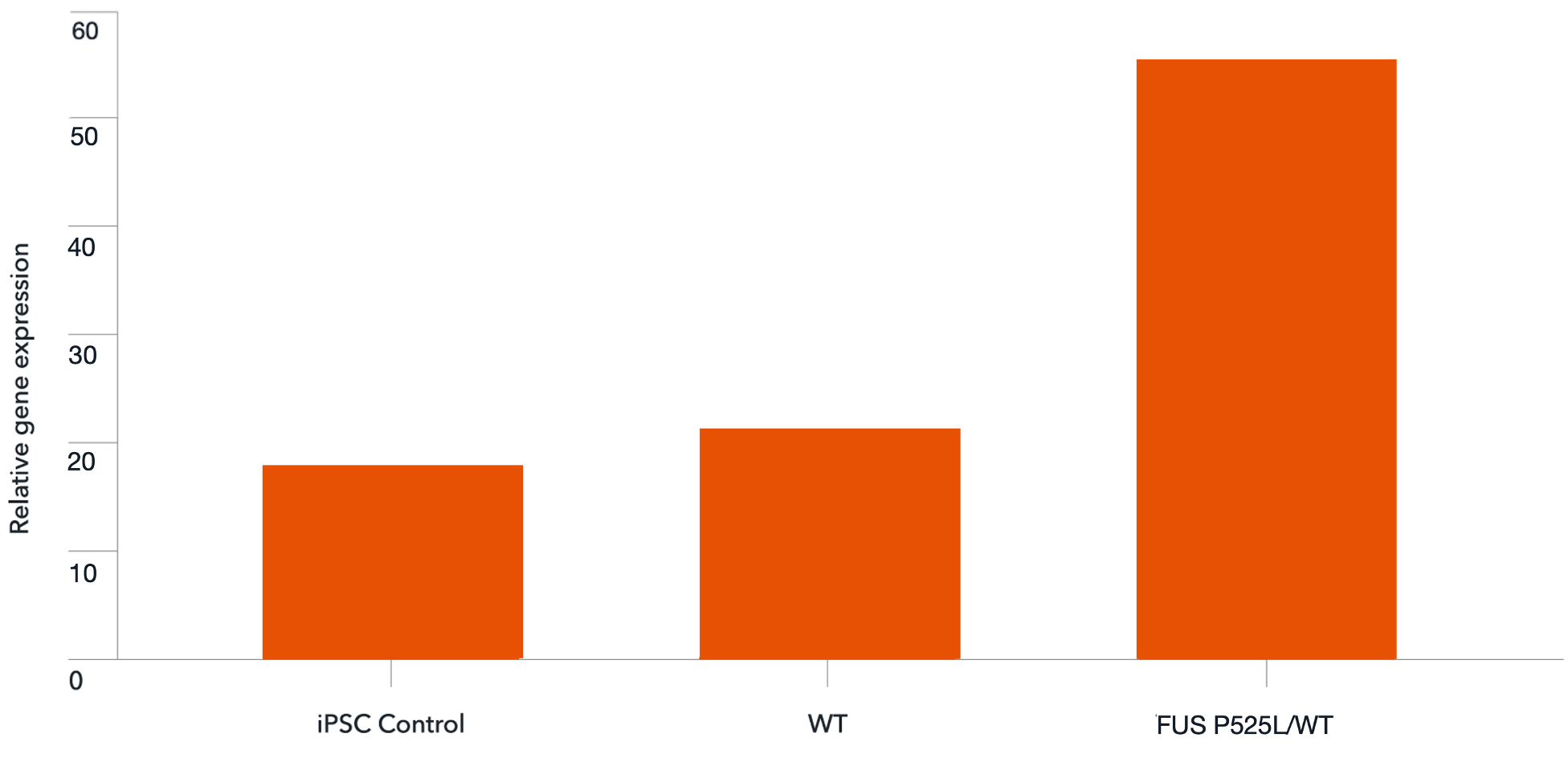
Gene expression analysis demonstrates that ioMotor Neurons FUS P525L/WT and the genetically matched control (WT) express the FUS gene encoding the Fused in Sarcoma protein. Gene expression levels were assessed by RT-qPCR (data expressed relative to the parental hiPSC control (iPSC Control), normalised to HMBS). Data represents day 11 post-revival samples.

Human iPSC-derived skeletal myocytes and motor neurons in co-culture.

Co-culture of ioMotor Neurons and ioSkeletal Myocytes

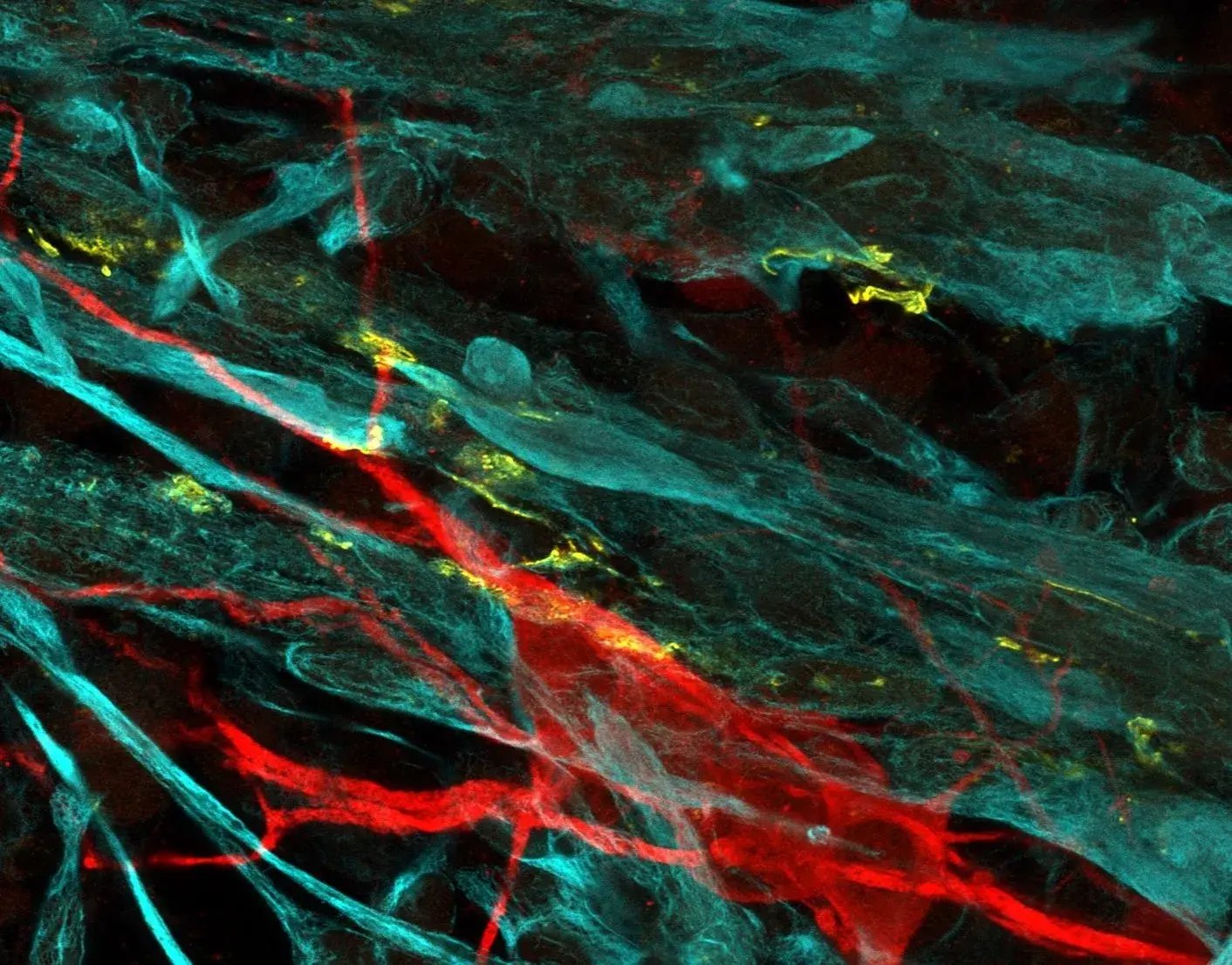
High resolution confocal imaging of ioSkeletal Myocytes (io1002) and ioMotor Neurons wild-type co-culture. Staining with alpha-bungarotoxin (yellow) highlights acetylcholine receptor expression on co-cultured ioSkeletal Myocytes. Desmin (cyan) and microtubule-associated protein 2 (red) define ioSkeletal Myocytes and ioMotor Neurons respectively. Co-culture imaged at day 30, 40X magnification.

Download the step-by-step protocol for culturing ioSkeletal Myocytes and ioMotor Neurons.

The seeding density of our human iPSC-derived ioMotor Neurons and related disease models has been optimised and validated so 1million cells seeds 1 96-well plate

Do more with every vial

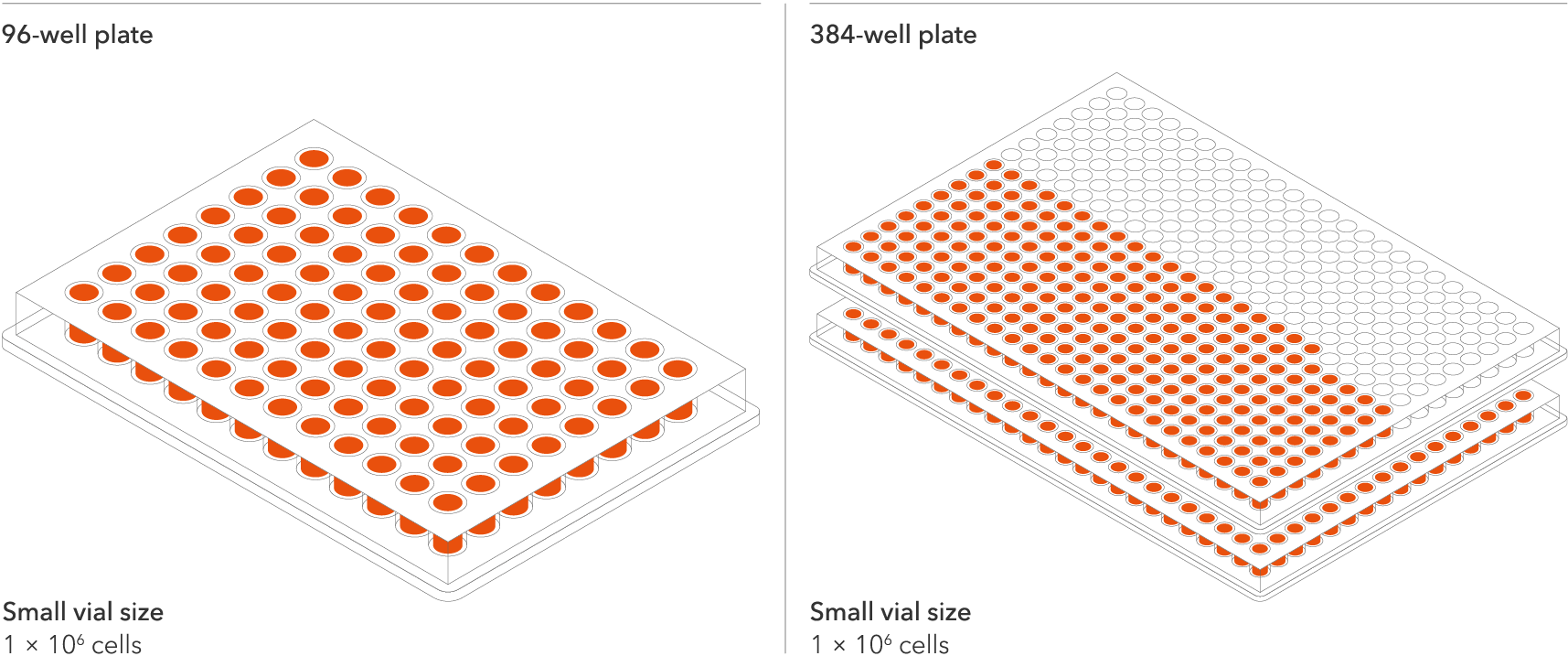
The seeding density of our human iPSC-derived ioMotor Neurons and related disease models has been optimised and validated to a recommended seeding density of 30,000 cells/cm². This means scientists can do more with every vial and expand experimental design within budget without losing out on quality. Resulting in more experimental conditions, more repeats, and more confidence in the data. One Small vial can plate a minimum of 0.7 x 24-well plate, 1 x 96-well plate, or 1.5 x 384-well plate.

Vial limit exceeded

A maximum number of 20 vials applies. If you would like to order more than 20 vials, please contact us at orders@bit.bio.


Human iPSC-derived ALS disease model

ioMotor Neurons FUS P525L/WT are opti‑ox deterministically programmed ioMotor Neurons carrying a genetically engineered heterozygous mutation in the FUS gene encoding the Fused in Sarcoma protein. 

Within days, cells convert to a defined and scalable genetically matched system for investigating the molecular and cellular significance of a heterozygous P525L mutation in ALS.

Related disease model cells are available with a homozygous FUS P525L/P525L mutation, and both can be used alongside their genetically matched control, ioMotor Neurons.

Additional disease models are available in ioGlutamatergic Neurons with mutations in TDP‑43 and MAPT, creating a comprehensive toolkit to study the genetic and pathological overlap between ALS and FTD.

Benchtop benefits

comparison_9

Make True Comparisons

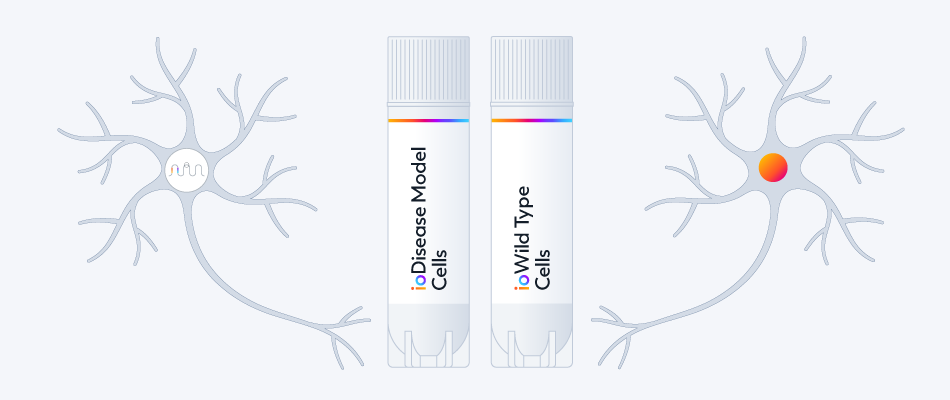
Pair the ioDisease Model Cells with genetically matched wild-type ioMotor Neurons to investigate the impact of mutant FUS protein on disease progression.

quick_0

Quick and easy

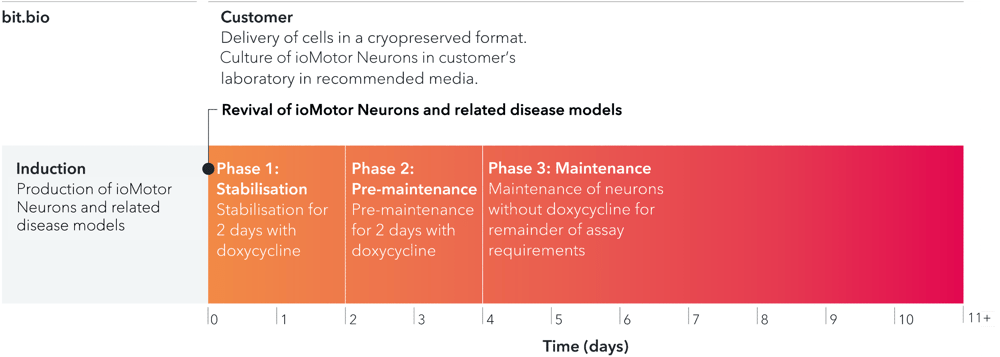
Within 4 days post revival cells are ready for experimentation, displaying motor neuronal morphology without clumping.

defined_0

Defined

>80% cells express key lower motor neuron markers indicating a spinal motor neuron identity (cervical region). >99.9% neuronal population.

Schematic overview of the timeline in the user manual


ioMotor Neuron + DM timeline-1

ioMotor Neurons FUS P525L/WT are delivered in a cryopreserved format and are programmed to rapidly mature upon revival in the recommended media.

Product specifications

Starting material

Human iPSC line

Seeding compatibility

6, 12, 24, 96 and 384 well plates

Shipping info

Dry ice

Donor

Caucasian adult male (skin fibroblast),
Genotype APOE 3/4

Vial size

Small: >1 x 10⁶ viable cells

Quality control

Sterility, protein expression (ICC) and gene expression (RT-qPCR)

Differentiation method

opti-ox deterministic cell programming

Recommended seeding density

30,000 cells/cm²

User storage

LN2 or -150°C

Format

Cryopreserved cells

Product use

ioCells are for research use only

Applications

Neurodegeneration research
ALS disease modelling
Electrophysiological analysis
Drug development & discovery
Neuromuscular research
Neurotoxicology


Scale your study with volume pricing

Enabling scientists to use human cells in their research, running additional experiments without rationing cells or limiting experimental scale


Order quantity Total vials received Pricing tier 
1 - 9 packs 3 - 27 vials Standard price
10 - 33 packs 30 - 99 vials Automatic 10% discount
> 34 packs > 100 vials > Contact us for a quote


Academic pricing: Academic users can purchase any ioCells in 3-vial packs ($/€/£ 999 per pack), available year-round with any cell type combination.
Technical data

Ready within days

ioMotor Neurons FUS P525L/WT form a homogenous neuronal network by day 4

Brightfield image - ioMotor_FUS_P525L HET

ioMotor Neurons FUS P525L/WT rapidly acquire a motor neuronal phenotype, forming homogenous neuronal networks, without clumping of cells. Compared to the genetically matched wild type control, ioMotor Neurons. Day 1 to 11 post thawing; 100X magnification.

Highly characterised and defined

ioMotor Neurons FUS P525L/WT express motor neuron-specific markers with protein expression highly reminiscent to the genetically matched control

ICC Panel 1 - ioMotor_FUS-P525L HET
ICC Panel 2 - ioMotor_FUS-P525L HET

Click on the tabs to explore the data.

Immunofluorescent staining on post-revival day 11 demonstrates similar homogenous expression of pan-neuronal proteins TUBB3 and MAP2, motor neuron specific markers ISL2 and HB9 and the cholinergic markers VAcHT and VAChT in ioMotor Neurons FUS P525L/WT compared to the genetically matched control, ioMotor Neurons

View the step-by-step immunofluorescent staining protocol used to generate this data 

ioMotor Neurons FUS P525L/WT demonstrate gene expression of neuronal-specific and motor neuron-specific markers following deterministic programming

FUS HET

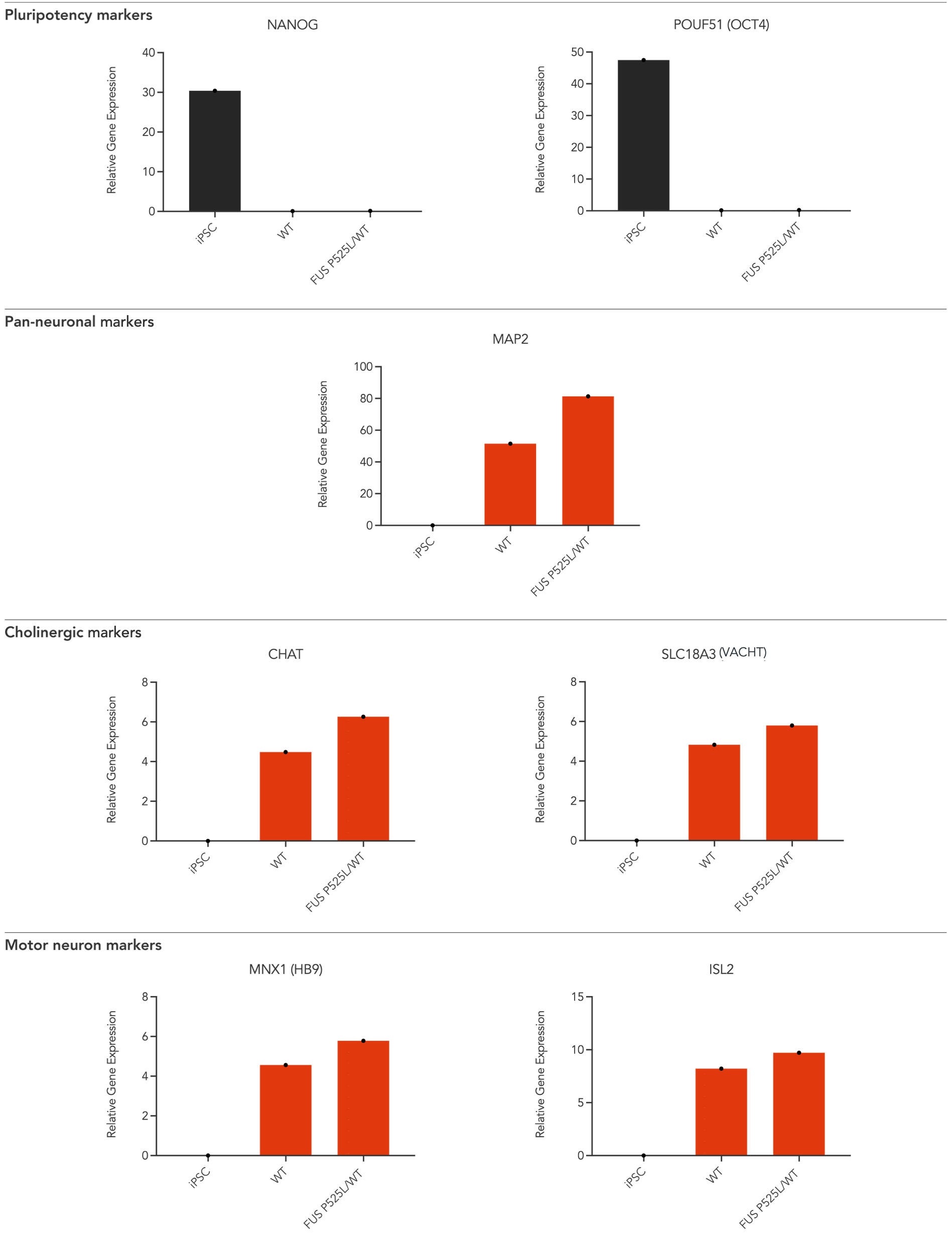
Gene expression analysis demonstrates that ioMotor Neurons FUS P525L/WT and the genetically matched control (WT) lack the expression of pluripotency makers (NANOG and OCT4), at day 11, whilst robustly expressing pan-neuronal (MAP2), cholinergic (CHAT and VACHT) and motor neuron-specific (MNX1 and ISL2) markers. Gene expression levels were assessed by RT-qPCR (data expressed relative to the parental hiPSC control (iPSC Control), normalised to HMBS). Data represents day 11 post-revival samples.

View the step-by-step RNA extraction and RT-qPCR protocol used to generate this data

Disease-related FUS is expressed in ioMotor Neurons FUS P525L/WT following deterministic programming

FUSHET GE

Gene expression analysis demonstrates that ioMotor Neurons FUS P525L/WT and the genetically matched control (WT) express the FUS gene encoding the Fused in Sarcoma protein. Gene expression levels were assessed by RT-qPCR (data expressed relative to the parental hiPSC control (iPSC Control), normalised to HMBS). Data represents day 11 post-revival samples.

Industry leading seeding density

Do more with every vial

UPDATED ioMotor seeding graphic

The seeding density of our human iPSC-derived ioMotor Neurons and related disease models has been optimised and validated to a recommended seeding density of 30,000 cells/cm². This means scientists can do more with every vial and expand experimental design within budget without losing out on quality. Resulting in more experimental conditions, more repeats, and more confidence in the data. One Small vial can plate a minimum of 0.7 x 24-well plate, 1 x 96-well plate, or 1.5 x 384-well plate.

Technical data

Morphological assessments

ioMotor Neurons FUS P525L/WT form a homogenous neuronal network by day 4

Brightfield image - ioMotor_FUS_P525L HET

ioMotor Neurons FUS P525L/WT rapidly acquire a motor neuronal phenotype, forming homogenous neuronal networks, without clumping of cells. Compared to the genetically matched wild type control, ioMotor Neurons. Day 1 to 11 post thawing; 100X magnification.

Immunocytochemistry analysis

ioMotor Neurons FUS P525L/WT express motor neuron-specific markers with protein expression highly reminiscent to the genetically matched control

ICC Panel 1 - ioMotor_FUS-P525L HET
ICC Panel 2 - ioMotor_FUS-P525L HET

Click on the tabs to explore the data.

Immunofluorescent staining on post-revival day 11 demonstrates similar homogenous expression of pan-neuronal proteins TUBB3 and MAP2, motor neuron specific markers ISL2 and HB9 and the cholinergic markers VAcHT and VAChT in ioMotor Neurons FUS P525L/WT compared to the genetically matched control, ioMotor Neurons

View the step-by-step immunofluorescent staining protocol used to generate this data 

Co-culture with ioSkeletal Myocytes

Co-culture of ioMotor Neurons and ioSkeletal Myocytes

Human iPSC-derived skeletal myocytes and motor neurons in co-culture.

High resolution confocal imaging of ioSkeletal Myocytes (io1002) and ioMotor Neurons wild-type co-culture. Staining with alpha-bungarotoxin (yellow) highlights acetylcholine receptor expression on co-cultured ioSkeletal Myocytes. Desmin (cyan) and microtubule-associated protein 2 (red) define ioSkeletal Myocytes and ioMotor Neurons respectively. Co-culture imaged at day 30, 40X magnification.

How to culture ioMotor Neurons


In this video, our scientist will take you through the step-by-step process of how to thaw, seed and culture ioMotor Neurons.

Product resources

ioMotor Neurons Brochure
ioMotor Neurons
bit.bio
Download
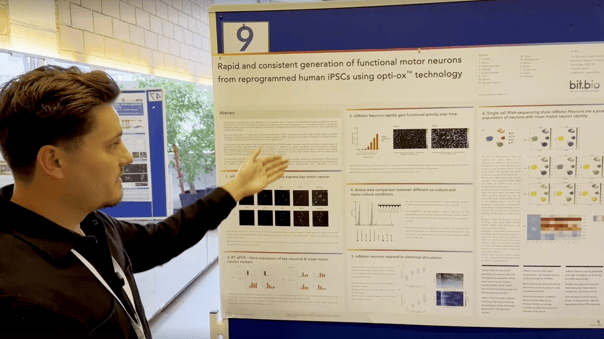
Rapid and consistent generation of functional motor neurons from reprogrammed human iPSCs using opti-ox technology Poster
Rapid and consistent generation of functional motor neurons from reprogrammed human iPSCs using opti-ox technology

Vaquero, et al

bit.bio

2023

View poster
Generation and functional characterisation of motor neurons derived through transcription factor mediated programming of human pluripotent stem cells Poster
Generation and functional characterisation of motor neurons derived through transcription factor mediated programming of human pluripotent stem cells

Foulser, et al 

bit.bio

2024

View poster
Generation and functional characterisation of motor neurons derived through transcription factor mediated programming of human pluripotent stem cells Poster
Generation and functional characterisation of motor neurons derived through transcription factor mediated programming of human pluripotent stem cells

Brown et al.

bit.bio

2024

View poster
Modelling neurodegeneration using a human genetically matched system: a next generation approach to study frontotemporal dementia and amyotrophic lateral sclerosis Poster
Modelling neurodegeneration using a human genetically matched system: a next generation approach to study frontotemporal dementia and amyotrophic lateral sclerosis

Smith et al.

bit.bio

2024

View poster
Identification of neuronal subtype-specific splice variants in iPSC-derived cell models of ALS and FTD Poster
Identification of neuronal subtype-specific splice variants in iPSC-derived cell models of ALS and FTD

Veteleanu et al.

bit.bio

2025

Download poster
A robust platform of human iPSC-derived motor neurons for ALS disease modelling and neurodegeneration-focussed drug discovery Poster
A robust platform of human iPSC-derived motor neurons for ALS disease modelling and neurodegeneration-focussed drug discovery

Foulser et al.

bit.bio

2025

Download poster
Development of automated high-throughput workflows for drug discovery using iPSC-derived cell types Poster
Development of automated high-throughput workflows for drug discovery using iPSC-derived cell types

Hill et al.

bit.bio

2026

Download poster
Reprogramming the stem cell for a new generation of cures Publication
Reprogramming the stem cell for a new generation of cures

Davenport A, Frolov T & Kotter M

Drug Discovery World

2020


Read more
Cell-Type Specific Molecular and Functional Consequences of TDP-43 Loss-of-Function in Human Induced Neurons Publication
Cell-type specific molecular and functional consequences of TDP-43 loss-of-function in human induced neurons

Filippa VG, et al.
bioRxiv
2026
Using ioGlutamatergic Neurons and ioMotor Neurons


Read more
Characterising disease relevant signatures in iPSC-derived motor neurons to test the therapeutic potential of homeoprotein EN1 Talk
Characterising disease relevant signatures in iPSC-derived motor neurons to test the therapeutic potential of homeoprotein EN1

Dr Elizabeth Di Lullo | Associate Scientific Director | BrainEver

Human Cell Forum 2025
Session 1 Track 1 | Modelling neurodegeneration in vitro with human iPSC-derived cells

Watch now
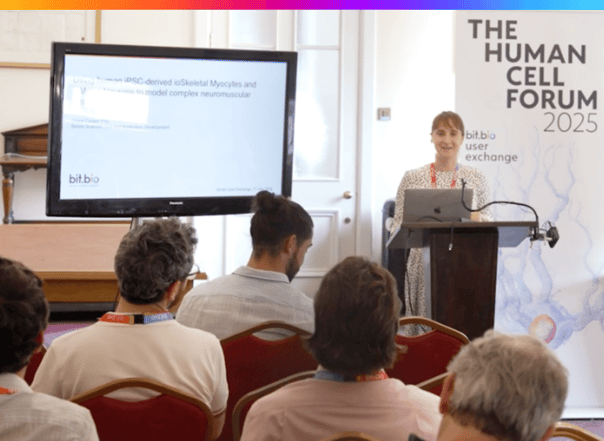
Using human iPSC-derived ioSkeletal Myocytes and ioMotor Neurons to model complex neuromuscular systems in vitro Talk
Using human iPSC-derived ioSkeletal Myocytes and ioMotor Neurons to model complex neuromuscular systems in vitro

Dr Grace Cooper | Senior Scientist | bit.bio


Human Cell Forum 2025
Session 1 Track 2 | From cells to systems: Building human iPSC-derived models of pain, neuromuscular junctions, and glial dynamics

Watch now
Targeting Neurodegeneration: An AI-guided Visual Biology Approach to discover drug targets for neurodegenerative disease Talk
Targeting Neurodegeneration: An AI-guided Visual Biology Approach to discover drug targets for neurodegenerative disease

Dr Ben Bar-Sadeh | Senior Scientist | Anima Biotech


Human Cell Forum 2025 
Session 3 | Making complex human biology compatible with modern drug discovery workflows

Watch now
ioMotor Neurons and disease models user manual | bit.bio User manual
ioMotor Neurons portfolio

 bit.bio 

Download
CRISPRko-Ready ioMotor Neurons user manual | bit.bio User manual
CRISPRko-Ready ioMotor Neurons

 bit.bio 

Download
MaxWell Summit 2024 Poster Presentation with Luke Foulser ioMotor Neurons Video
Rapid and consistent generation of functional motor neurons from reprogrammed human iPSCs using opti-ox technology

Luke Foulser | Scientist | bit.bio

Watch
How to culture ioMotor Neurons Video tutorial
How to culture ioMotor Neurons
Prachi Bhagwatwar​​​​ | ​Research Assistant | bit.bio
Watch now
Mastering Cell Identity In A Dish: The Power Of Cellular Reprogramming | bit.bio Webinar
Mastering Cell Identity In A Dish: The Power Of Cellular Reprogramming

Prof Roger Pedersen | Adjunct Professor and Senior Research Scientist at Stanford University 

Dr Thomas Moreau | Director of Cell Biology Research | bit.bio

Watch now
Empowering motor neuron disease research and drug discovery with a new class of functional, reproducible hiPSC-derived motor neurons | bit.bio Webinar
Empowering motor neuron disease research and drug discovery with a new class of functional, reproducible hiPSC-derived motor neurons

Tom Brown | Senior Product Manager | bit.bio

Marcos Herrera Vaquero, PhD | Senior Scientist | bit.bio
Watch now
Harnessing AI-guided visual biology to discover drug targets for neurodegenerative disease | bit.bio Webinar
Harnessing AI-guided visual biology to discover drug targets for neurodegenerative disease

Ben Bar-Sadeh, PhD | Senior Scientist | Anima Biotech

Tom Brown | Senior Product Manager | bit.bio

Watch now
mRNA transfection of ioMotor Neurons | bit.bio Protocol
mRNA transfection of ioMotor Neurons
Download protocol
Culturing ioMotor Neurons in 96-well plates | bit.bio Protocol
Culturing ioMotor Neurons in 96-well plates
Download protocol
Co-culturing ioSkeletal Myocytes and ioMotor Neurons | bit.bio Protocol
Co-culturing ioSkeletal Myocytes and ioMotor Neurons
Download protocol
Co-culturing ioMotor Neurons with astrocytes for MEA assays | bit.bio Protocol
Co-culturing ioMotor Neurons with astrocytes for MEA assays
Download protocol
Lentiviral transduction of ioMotor Neurons | bit.bio Protocol
Lentiviral transduction of ioMotor Neurons
Download protocol
ioMotor Neurons ICC staining protocol | bit.bio Protocol
Immunocytochemistry staining for ioMotor Neurons
Download protocol
RNA extraction and RT-qPCR protocol for ioCells | bit.bio Protocol
RNA extraction and RT-qPCR protocol for ioCells
Download protocol

See phenotypic data on our ALS and FTD disease models

This poster presented at AD/PD 2023 shows FTD and ALS disease-related phenotypic data for ioGlutamatergic Neurons disease model cells carrying a mutation in MAPT or TDP-43 (TARDBP).

ICC N279K MAP2

Expand your research

Click on the icons to find out more

ALS and FTD disease models with disease-related mutations such as SOD1, FUS, MAPT and TDP-43.
Build neurodegeneration disease models in vitro
Model ALS and FTD with human iPSC-derived neurons
Expand your research
Build neurodegeneration disease models in vitro
Model ALS and FTD with human iPSC-derived neurons
ALS and FTD disease models with disease-related mutations such as SOD1, FUS, MAPT and TDP-43.

Access 14 ALS and FTD disease models with disease-related mutations such as SOD1, FUS, MAPT and TDP-43 (TARDBP) genetically engineered in ioGlutamatergic Neurons and ioMotor Neurons.

Find out more

CRISPRko-Ready Motor Neurons to study your gene of interest in CRISPR screens
Simplify gene knockouts
Use CRISPRko-Ready ioMotor Neurons cells to study your gene of interest
Expand your research
Simplify gene knockouts
Use CRISPRko-Ready ioMotor Neurons cells to study your gene of interest
CRISPRko-Ready Motor Neurons to study your gene of interest in CRISPR screens

Interested in gene knockouts and CRISPR screens? 
CRISPRko-Ready ioMotor Neurons cells are engineered to constitutively express Cas9 nuclease for the quick and easy generation of gene knockouts and CRISPR screens.

Explore CRISPRko-Ready ioMotor Neurons.

Co-culture hiPSC-derived with motor neurons and astrocytes for in vitro disease modeling.
Study ALS in complex cultures
Co-culture motor neurons with astrocytes to gain insights into electrical activity
Expand your research
Study ALS in complex cultures
Co-culture motor neurons with astrocytes to gain insights into electrical activity
Co-culture hiPSC-derived with motor neurons and astrocytes for in vitro disease modeling.

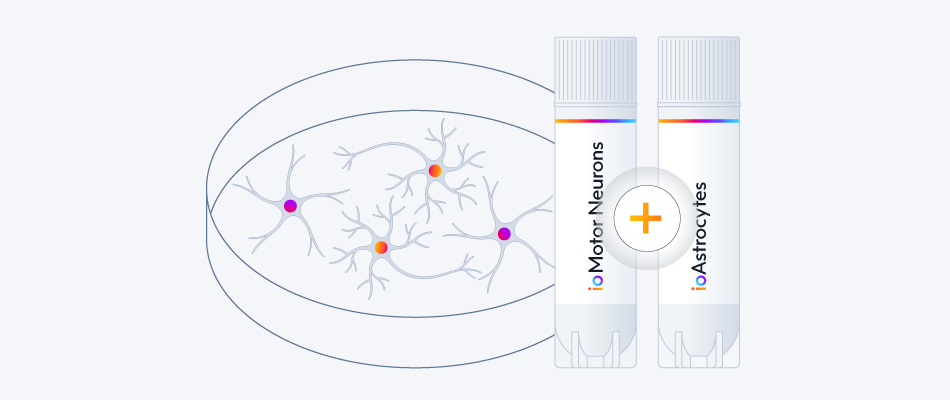
Study neuronal networks and the impact of ALS-disease-related mutations by co-culturing ioMotor Neurons with astrocytes. Access 14 disease models and the single co-culture protocol for MEA.

View the co-culture protocol 
Explore
ALS & FTD Disease Model
ioMotor Neurons 
ioAstrocytes

Build your custom disease model or reporter line to pair with wild-type Motor Neurons as the genetically matched control
Custom cell development
Generate custom disease models or reporter lines
Expand your research
Custom cell development
Generate custom disease models or reporter lines
Build your custom disease model or reporter line to pair with wild-type Motor Neurons as the genetically matched control

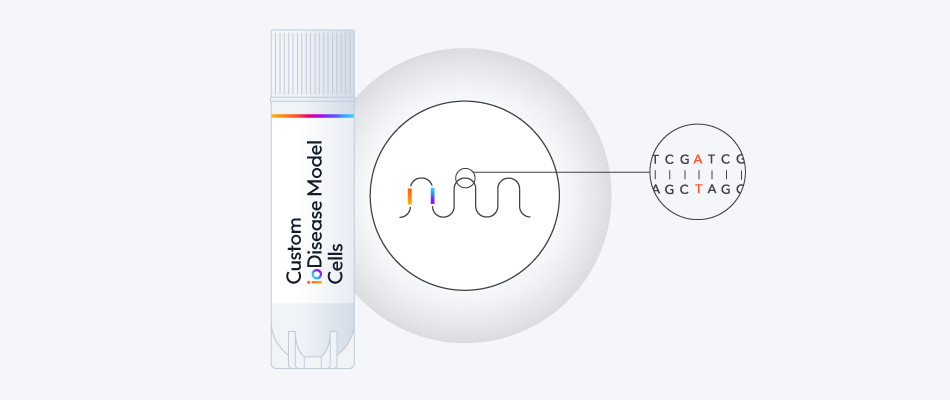
Build your custom disease model or reporter line to pair with wild-type ioMotor Neurons as the genetically matched control.
Throughout the custom process, our experts will bring your project to life, and be on hand to support you with any technical queries.

Start the conversation today

ioCells catalogue

Human iPSC-derived cells

powered by opti-ox

Consistent. Defined. Scalable.

bitbio-cell_catalogue_header-with-tracker-Desktop-2500x1664