cat no | io1112 Early Access
Human iPSC-derived motor neurons constitutively expressing GFP
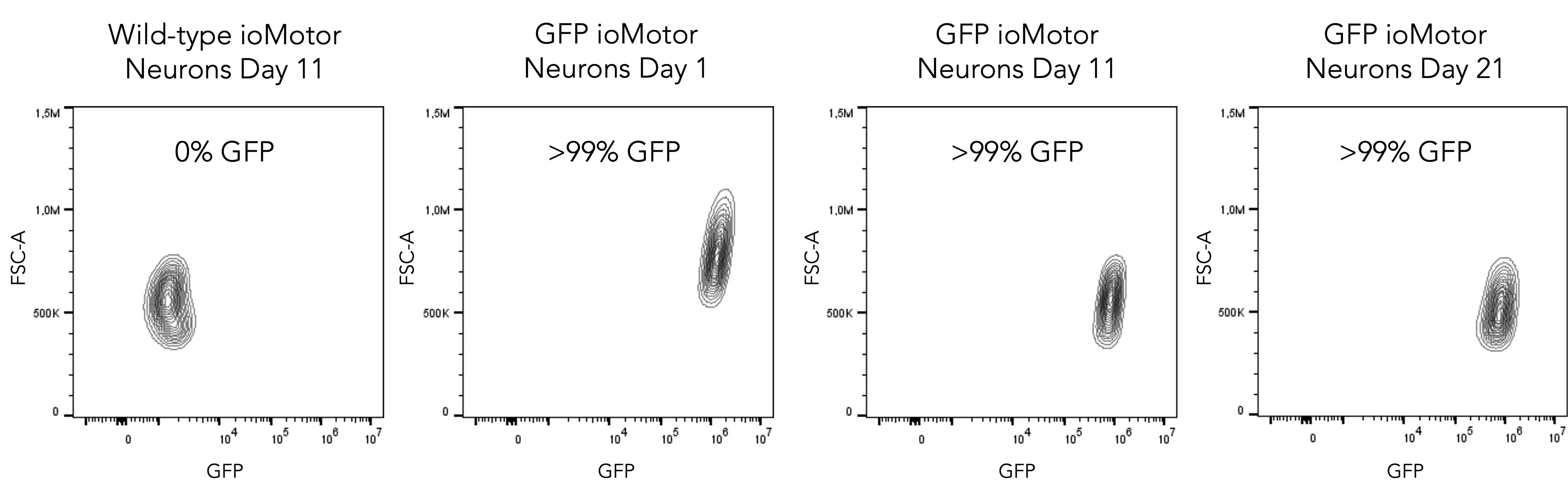
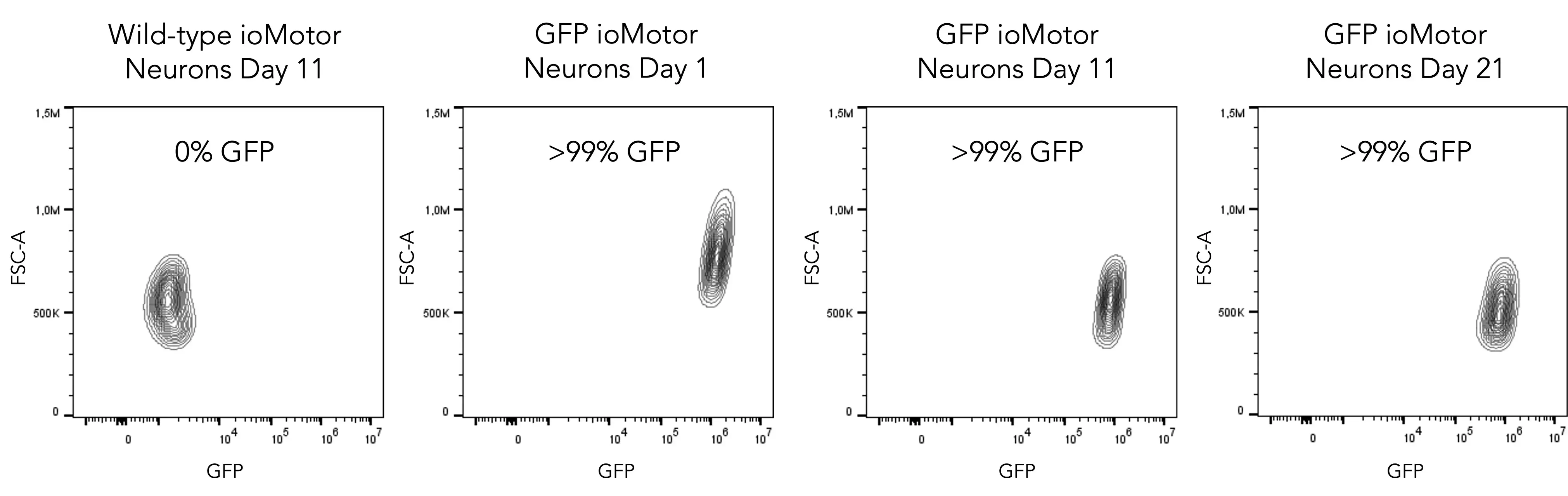
Flow cytometry analysis of GFP expression at day 1, day 11 and day 21
Flow cytometry analysis demonstrating GFP expression in >99% of cells for GFP ioMotor Neurons at Day 1 (centre-left) and Day 11 (centre-right). No GFP expression seen in wild-type ioMotor Neurons (left). At day 21, the percentage of cells expressing GFP has not decreased, indicating there is no silencing of the reporter gene (right).
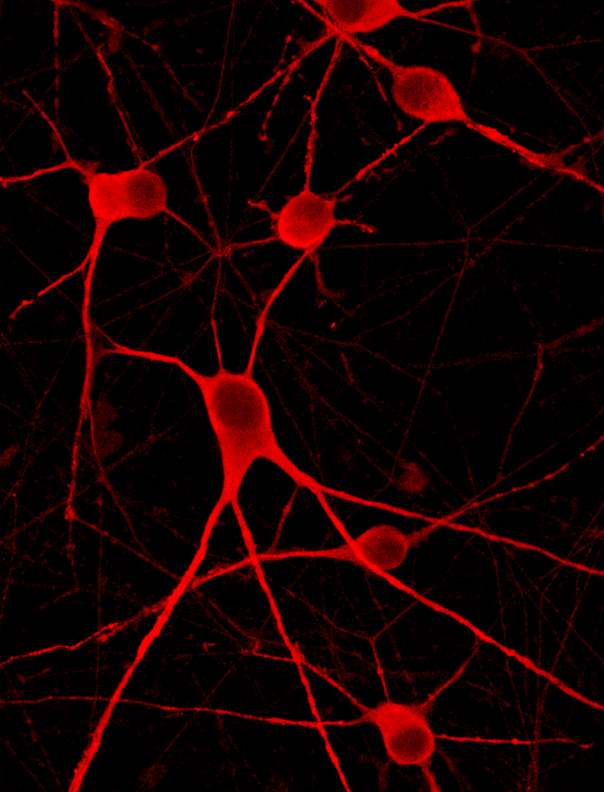
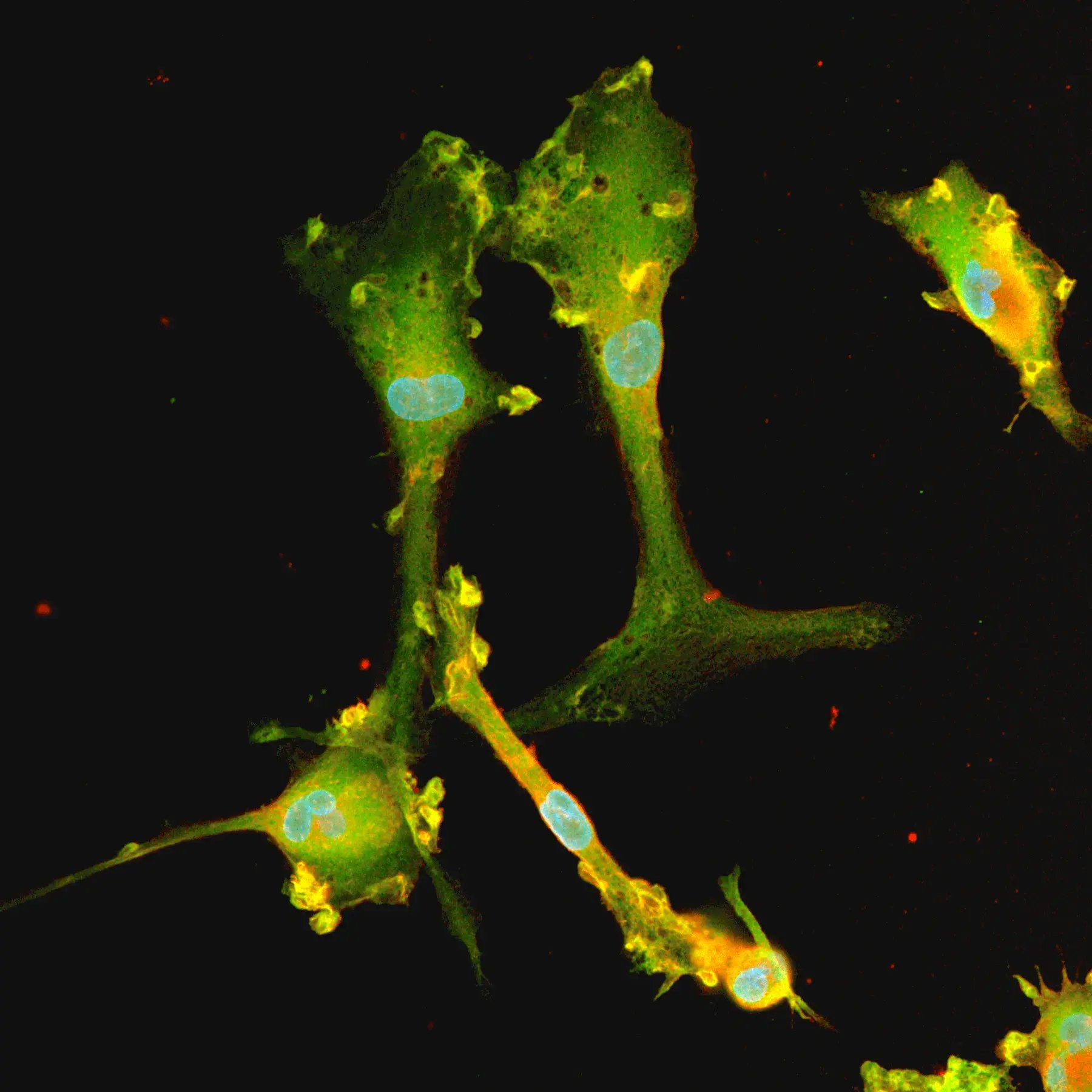
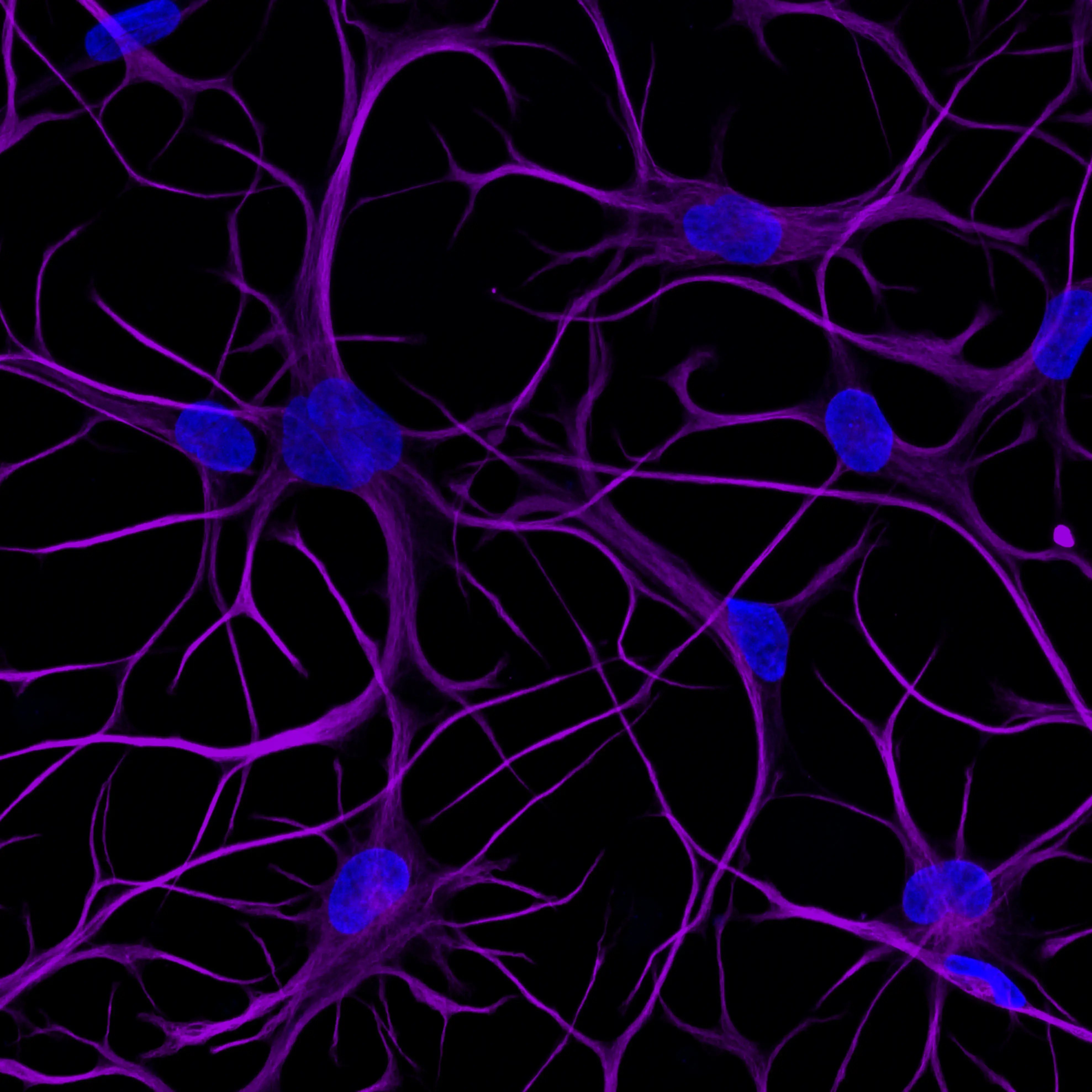
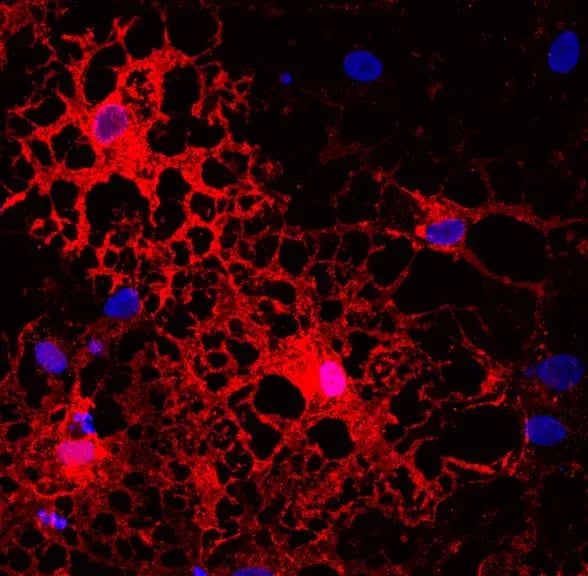
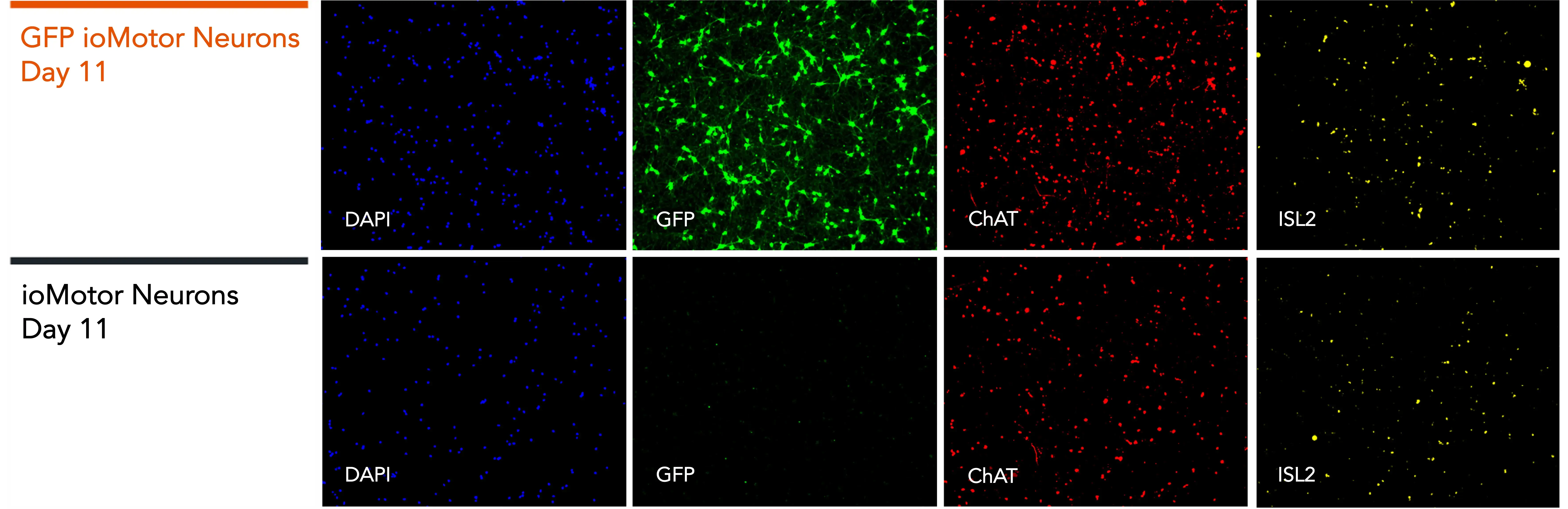
GFP ioMotor Neurons exhibit comparable expression of neuron-specific markers to the wild-type control
Immunofluorescent staining 11 days post-revival shows similar homogenous expression of cholinergic marker (ChAT), and motor neuron marker (ISL2) in both GFP ioMotor Neurons and the wild-type control.
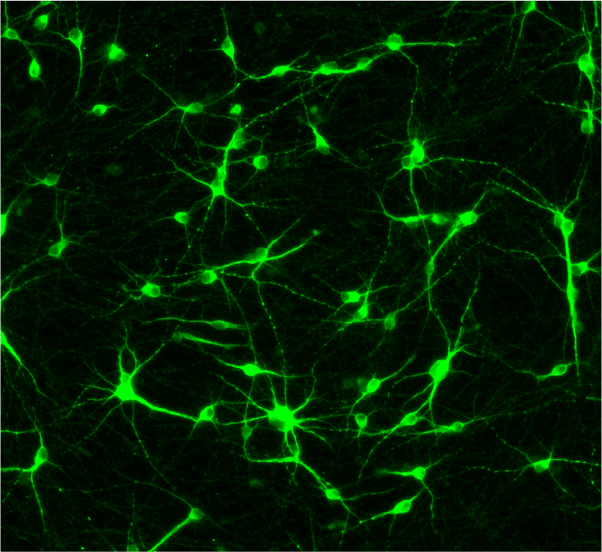
The GFP signal is visible exclusively in GFP ioMotor Neurons and absent in the wild-type control.
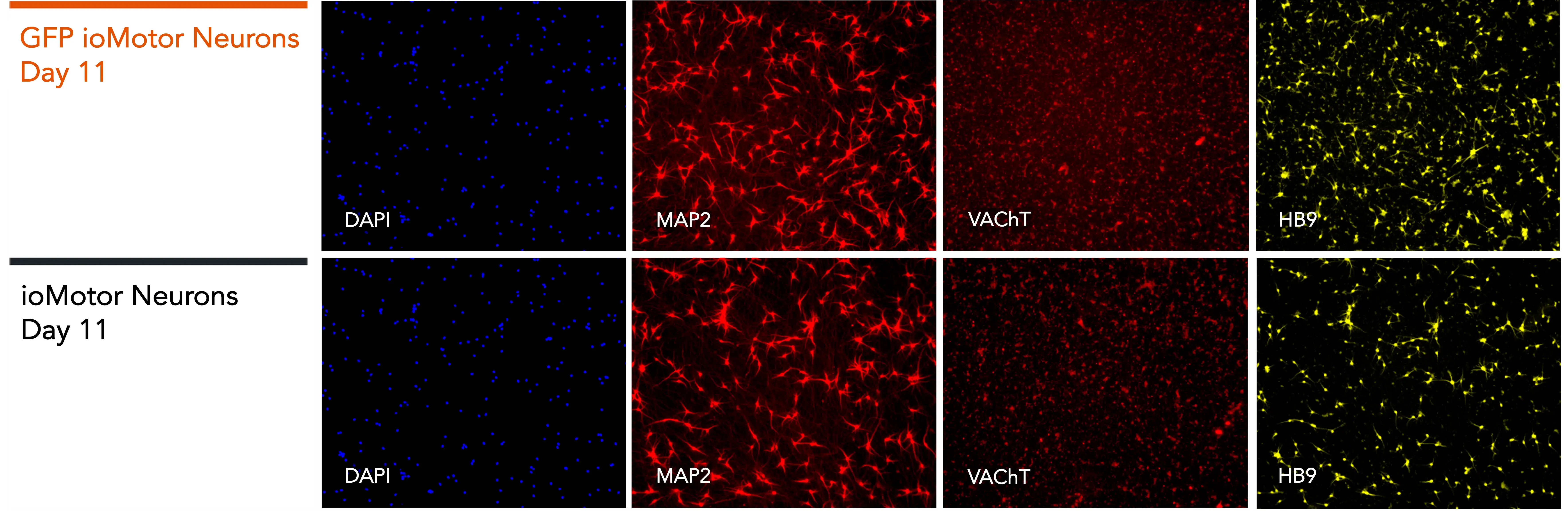
GFP ioMotor Neurons exhibit comparable expression of neuron-specific markers to the wild-type control
Immunofluorescent staining 11 days post-revival shows similar homogenous expression of pan-neuronal marker (MAP2), cholinergic marker (VAChT), and motor neuron marker (HB9) in both GFP ioMotor Neurons and the wild-type control.
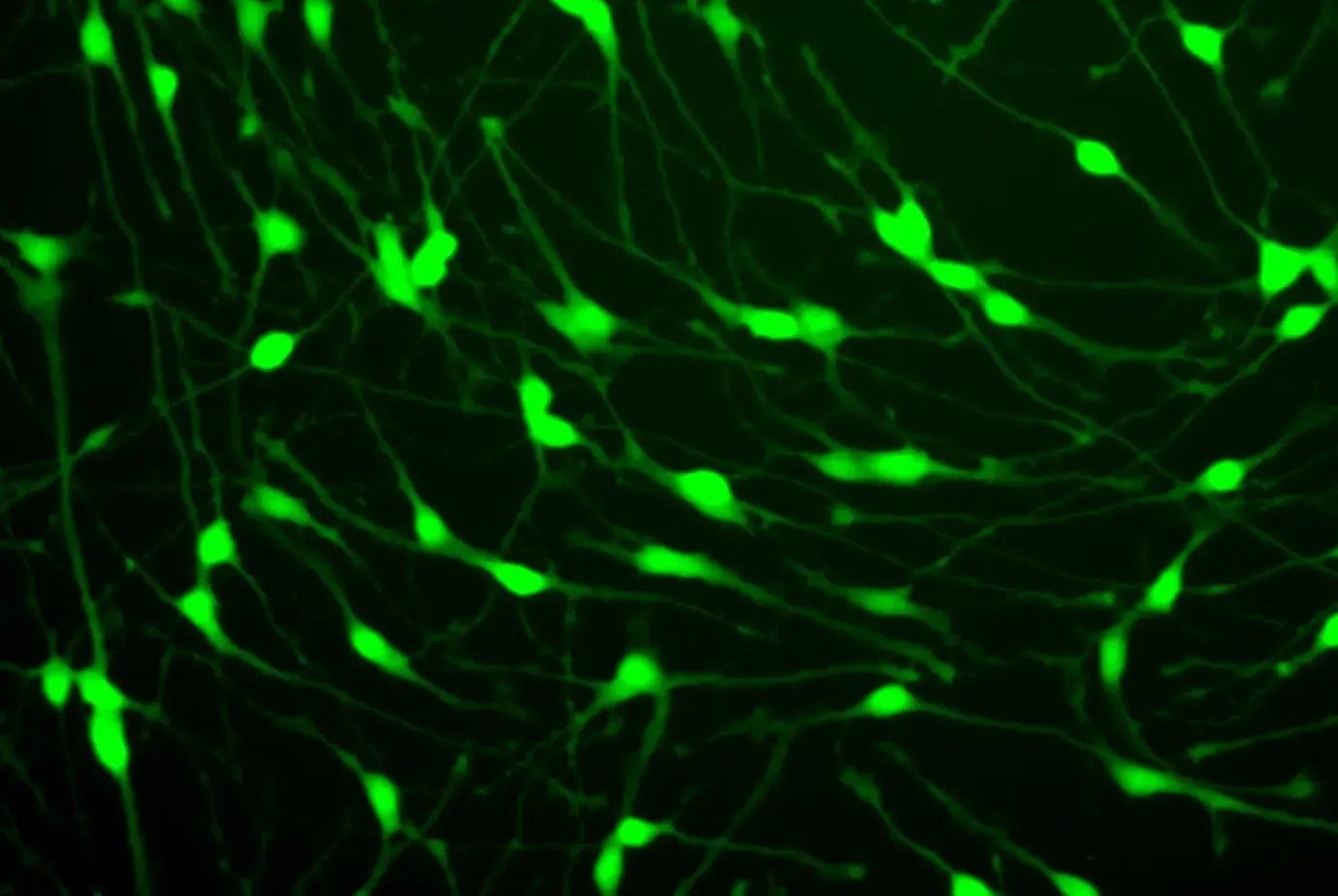
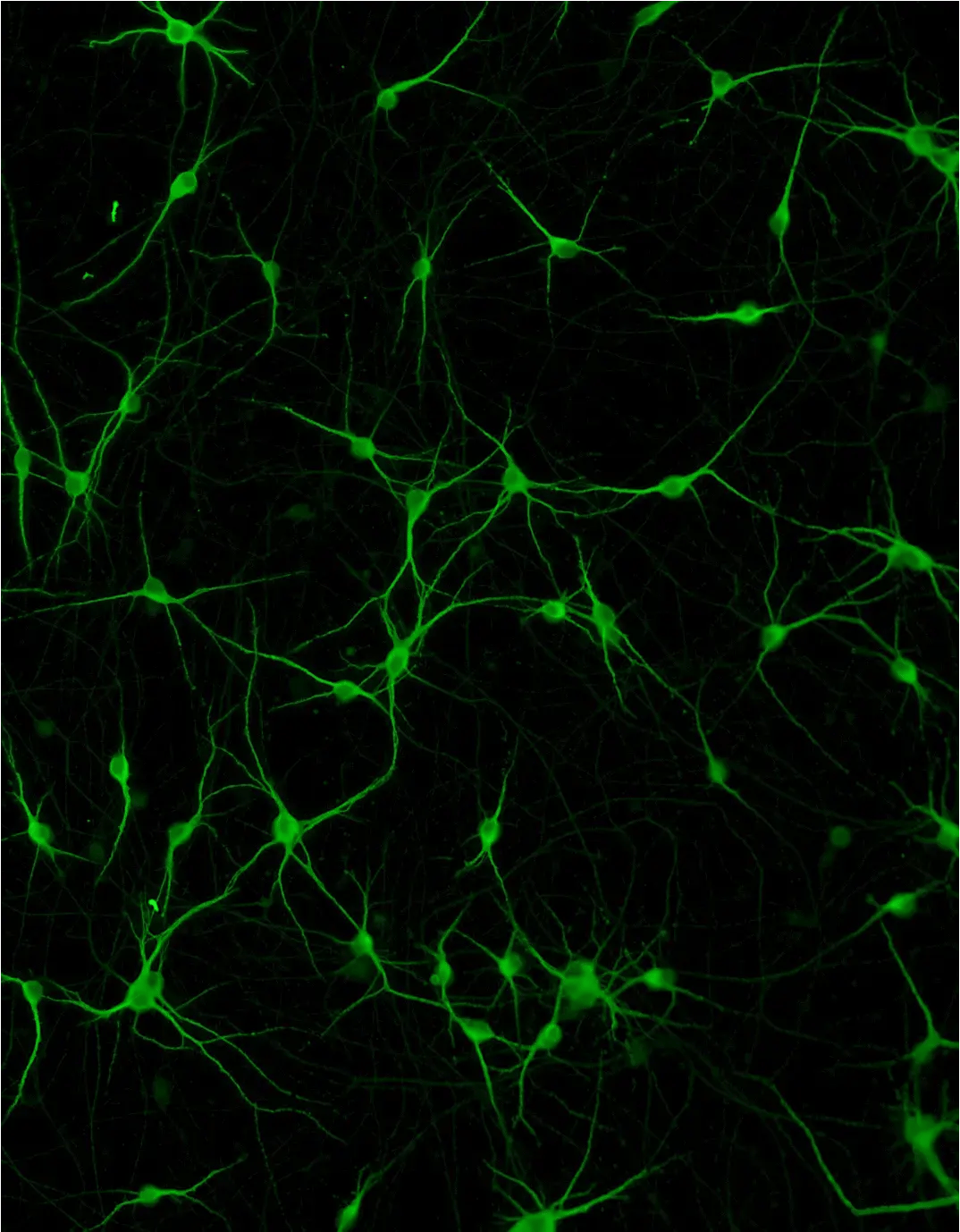
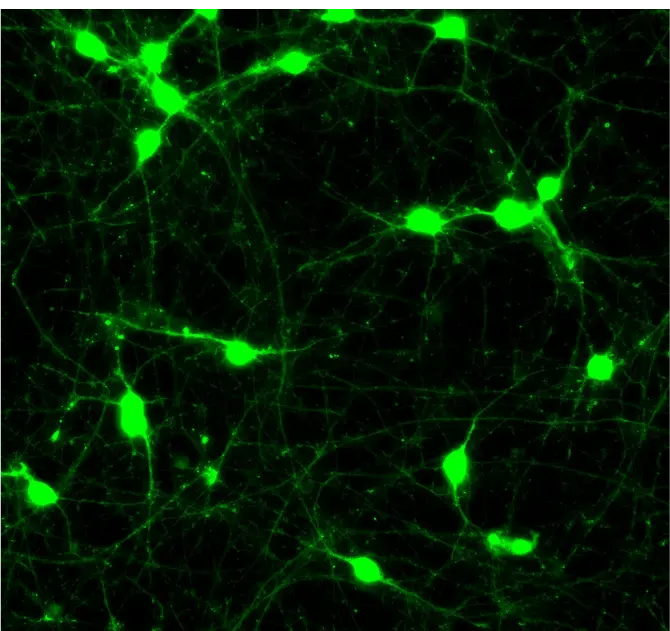
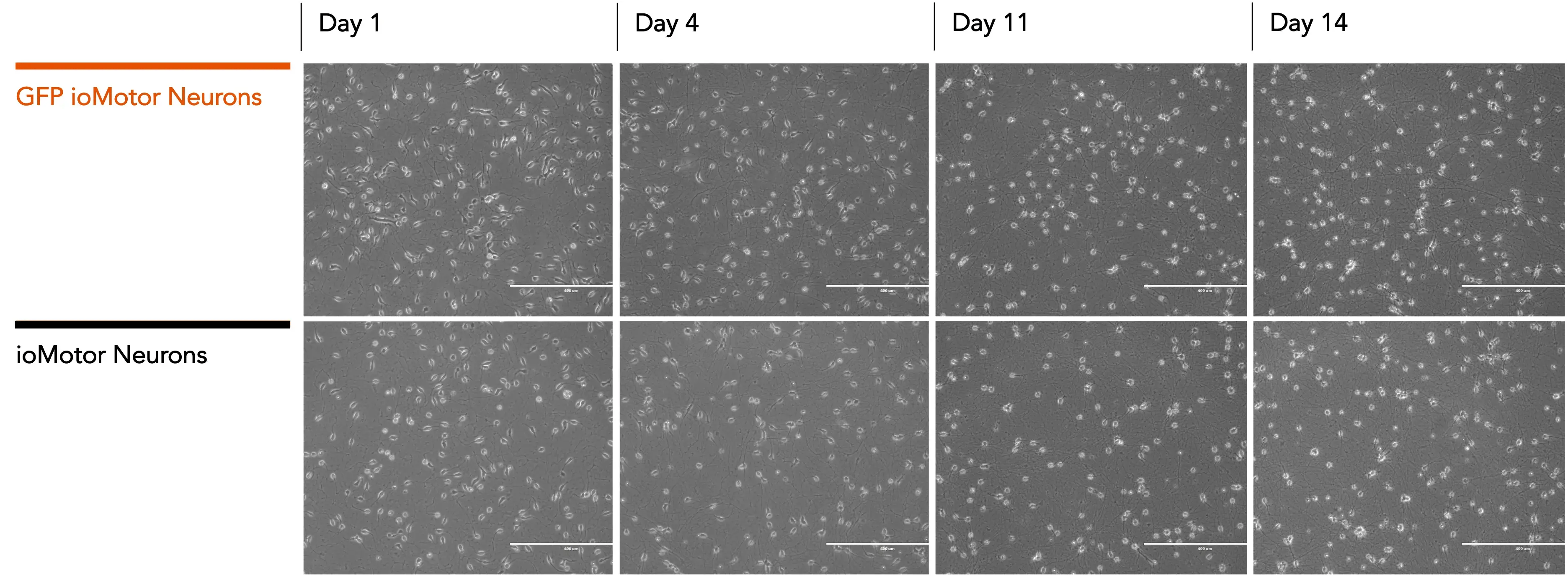
GFP ioMotor Neurons form a homogenous neuronal network by day 4, without clumping
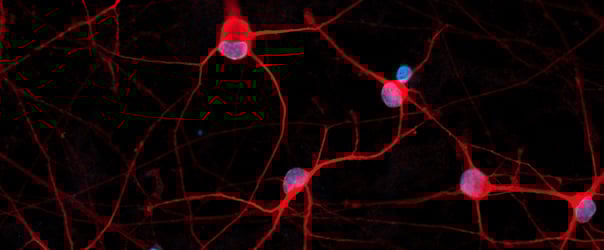
GFP ioMotor Neurons mature rapidly, show motor neuron morphology and form structural neuronal networks over 14 days with no sign of clumping of coalescing of cell bodies. Day 1 to 14 post thawing. 400 µm scale bar.
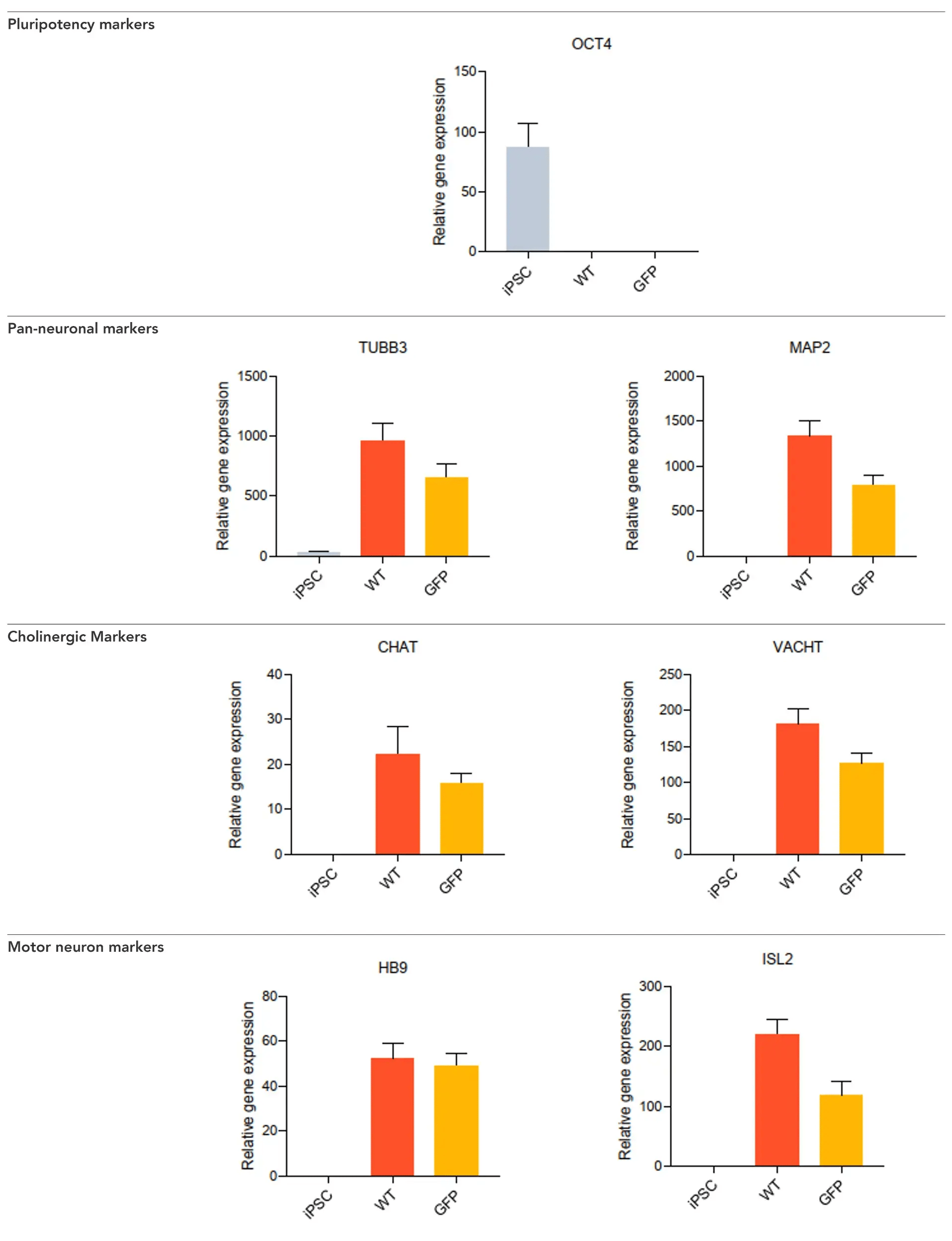
GFP ioMotor Neurons demonstrate gene expression of neuronal-specific and motor-neuron-specific markers following deterministic programming
Gene expression analysis demonstrates that GFP ioMotor Neurons (GFP) and wild-type ioMotor Neurons (WT) lack the expression of pluripotency marker OCT4 (POU5F1) at day 11, while robustly expressing pan-neuronal (TUBB3 and MAP2), motor-neuron-specific (HB9 and ISL2) markers, as well as cholinergic markers (CHAT & VACHT).
Gene expression levels were assessed by RT-qPCR, data normalised to HMBS; cDNA samples of the parental human iPSC line (iPSC) were included as reference. Data represents day 11 post-revival samples.
A maximum number of 20 vials applies. If you would like to order more than 20 vials, please contact us at orders@bit.bio.

GFP ioMotorNeurons are a fluorescent human lower motor neuronal model derived from our well-established wild-type ioMotor Neurons. These cells are engineered to constitutively express green fluorescent protein (GFP), and provide a powerful, ready-to-use tool for diverse applications.
Stable GFP expression enables easy, real-time tracking in complex, multi-cellular systems, facilitating the study of cellular interactions with glia, or neuro-muscular interactions when cultured with our ioSkeletal Myocytes. The cells are ideal for live cell imaging for assessment of neurite outgrowth, neuronal morphology and survival in response to compound treatment.
GFP ioMotor Neurons are delivered cryopreserved and ready-to-culture. This eliminates the time and effort required to engineer your own GFP-expressing iPSC lines and manage complex directed differentiation protocols.
Live-cell imaging ready
Assess neurite outgrowth, neuronal morphology and survival in real-time.
Co-culture compatible
Easily track GFP motor neurons in complex cultures with glia or skeletal myocytes.
Easy-to-use
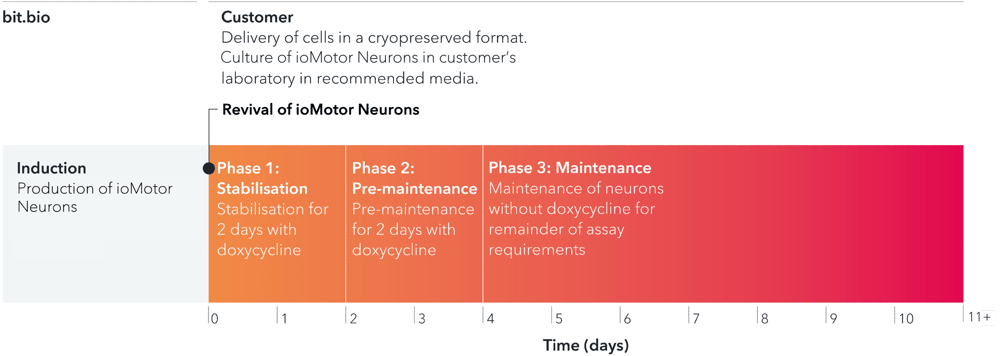
Within 4 days post revival cells are ready for experimentation, displaying motor neuronal morphology, without clumping.
GFP ioMotor Neurons are delivered in a cryopreserved format and are programmed to rapidly mature upon revival in the recommended media.
Starting material
Human iPSC line
Seeding compatibility
6, 12, 24, 96 & 384 well plates
Shipping info
Dry ice
Donor
Caucasian adult male, age 55-60 years old (skin fibroblast),
Genotype APOE 3/4
Vial size
Small: >1 x 10⁶ viable cells
Quality control
Sterility, protein expression (ICC), gene expression (RT-qPCR) and GFP expression (flow cytometry)
Differentiation method
opti-ox deterministic cell programming
Recommended minimum seeding density
30,000 cells/cm²
User storage
LN2 or -150°C
Format
Cryopreserved cells
Product use
ioCells are for research use only
Applications
Live-cell imaging
Co-culture
High-content screening
Neurotoxicology
Drug discovery
Enabling scientists to use human cells in their research, running additional experiments without rationing cells or limiting experimental scale
| Order quantity | Total vials received | Pricing tier |
| 1 - 9 packs | 3 - 27 vials | Standard price |
| 10 - 33 packs | 30 - 99 vials | Automatic 10% discount |
| > 34 packs | > 100 vials | > Contact us for a quote |
Dr Irit Reichenstein
Senior Scientist | Anima Biotech
Dr Elizabeth Di Lullo
Associate Scientific Director | Brainever
Flow cytometry analysis of GFP expression at day 1, day 11 and day 21
Flow cytometry analysis demonstrating GFP expression in >99% of cells for GFP ioMotor Neurons at Day 1 (centre-left) and Day 11 (centre-right). No GFP expression seen in wild-type ioMotor Neurons (left). At day 21, the percentage of cells expressing GFP has not decreased, indicating there is no silencing of the reporter gene (right).
GFP ioMotor Neurons exhibit comparable expression of neuron-specific markers to the wild-type control
Immunofluorescent staining 11 days post-revival shows similar homogenous expression of pan-neuronal markers (MAP2 & TUBB3), cholinergic markers (ChAT & VAChT), and motor neuron markers (HB9 & ISL2) in both GFP ioMotor Neurons and the wild-type control.
The GFP signal is visible exclusively in GFP ioMotor Neurons and absent in the wild-type control.
GFP ioMotor Neurons form a homogenous neuronal network by day 4, without clumping
GFP ioMotor Neurons mature rapidly, show motor neuron morphology and form structural neuronal networks over 14 days with no sign of clumping of coalescing of cell bodies. Day 1 to 14 post thawing. 400 µm scale bar.
GFP ioMotor Neurons demonstrate gene expression of neuronal-specific and motor-neuron-specific markers following deterministic programming
Gene expression analysis demonstrates that GFP ioMotor Neurons (GFP) and wild-type ioMotor Neurons (WT) lack the expression of pluripotency marker OCT4 (POU5F1) at day 11, while robustly expressing pan-neuronal (TUBB3 and MAP2), motor-neuron-specific (HB9 and ISL2) markers, as well as cholinergic markers (CHAT & VACHT).
Gene expression levels were assessed by RT-qPCR, data normalised to HMBS; cDNA samples of the parental human iPSC line (iPSC) were included as reference. Data represents day 11 post-revival samples.
In this video, our scientist will take you through the step-by-step process of how to thaw, seed and culture ioMotor Neurons.
DOC-2862 v2.0
bit.bio
2025
DOC-3073 V2
2025
bit.bio
Prof Roger Pedersen | Adjunct Professor and Senior Research Scientist at Stanford University
Dr Thomas Moreau | Director of Cell Biology Research | bit.bio
Tom Brown | Senior Product Manager | bit.bio
Marcos Herrera Vaquero, PhD | Senior Scientist | bit.bioBen Bar-Sadeh, PhD | Senior Scientist | Anima Biotech
Tom Brown | Senior Product Manager | bit.bio
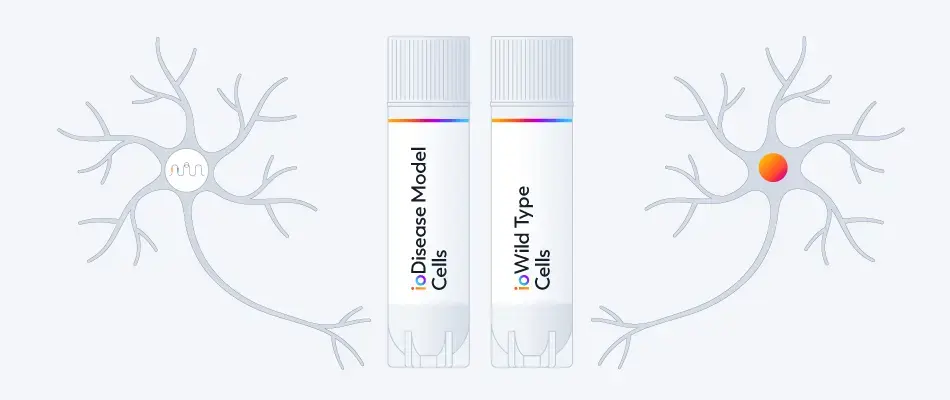
Access 14 ALS and FTD disease models with disease-related mutations such as SOD1, FUS, MAPT and TDP-43 (TARDBP) genetically engineered in ioGlutamatergic Neurons and ioMotor Neurons.
Interested in gene knockouts and CRISPR screens?
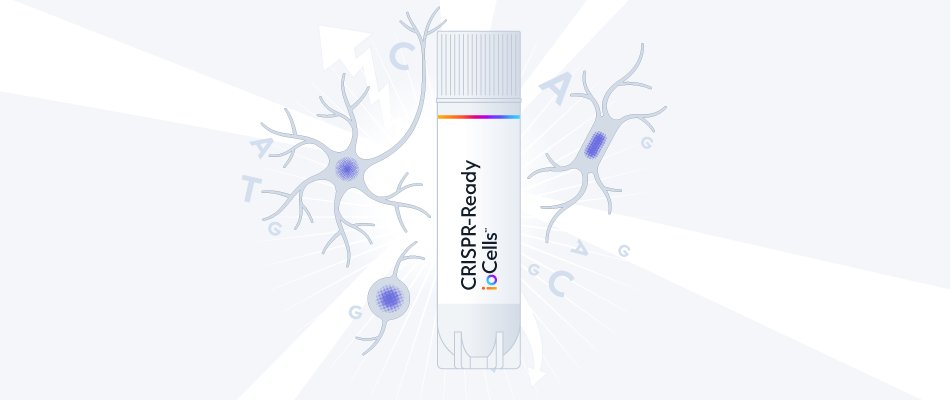
CRISPRko-Ready ioMotor Neurons cells are engineered to constitutively express Cas9 nuclease for the quick and easy generation of gene knockouts and CRISPR screens.
Explore CRISPRko-Ready ioMotor Neurons.
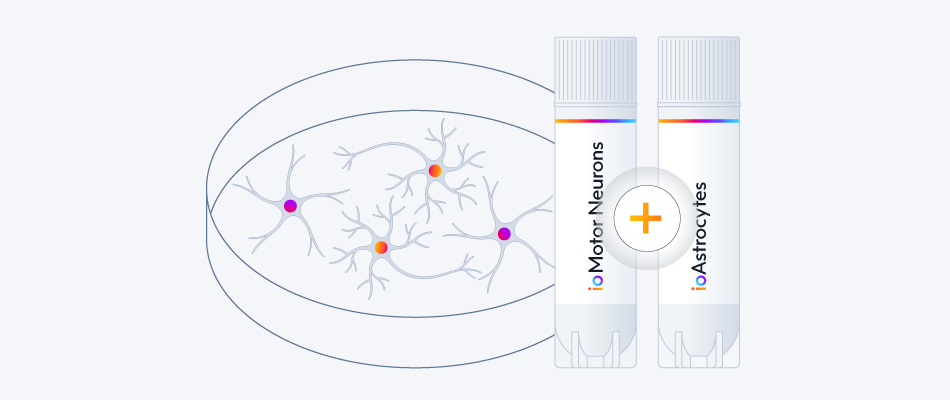
Study neuronal networks and the impact of ALS-disease-related mutations by co-culturing ioMotor Neurons with astrocytes. Access 14 disease models and the single co-culture protocol for MEA.
View the co-culture protocol
Explore ALS & FTD Disease Models
Explore ioAstrocytes
Build your custom disease model or reporter line to pair with wild-type ioMotor Neurons as the genetically matched control.
Throughout the custom process, our experts will bring your project to life, and be on hand to support you with any technical queries.
Start the conversation today
Consistent. Defined. Scalable.