Explore how NAMs are advancing DILI prediction in preclinical toxicology and why hepatic cell quality is key to improving liver safety assessment.
21.07.2026
Explore how NAMs are advancing DILI prediction in preclinical toxicology and why hepatic cell quality is key to improving liver safety assessment.
21.07.2026 Published by bit.bio
iPSC-derived cells and the future of NAMs after FDA Modernization Act 2.0
Discover how the FDA Modernization Act 2.0 and human iPSCs are moving drug discovery beyond animal models to improve predictive va...
Decision-making in drug development: A changing landscape
Discover how the FDA Modernization Act 2.0 and human iPSCs are moving drug discovery beyond animal models to improve predictive va...
Neuroscience 2025: The shift toward integrated human models
In this article, we recapitulate the highlights of SfN 2025.
Cell-based drug discovery: Why human iPSC-derived models are gaining ground
Explore how iPSC-derived models are transforming cell-based drug discovery with scalable, human-relevant assays that improve trans...
The power of expression data in rare disease research
In this article, we explore how easy access to gene expression data can help advance treatments for ultra-rare diseases.
Still using HMC3? Why labs are switching to hiPSC-derived microglia
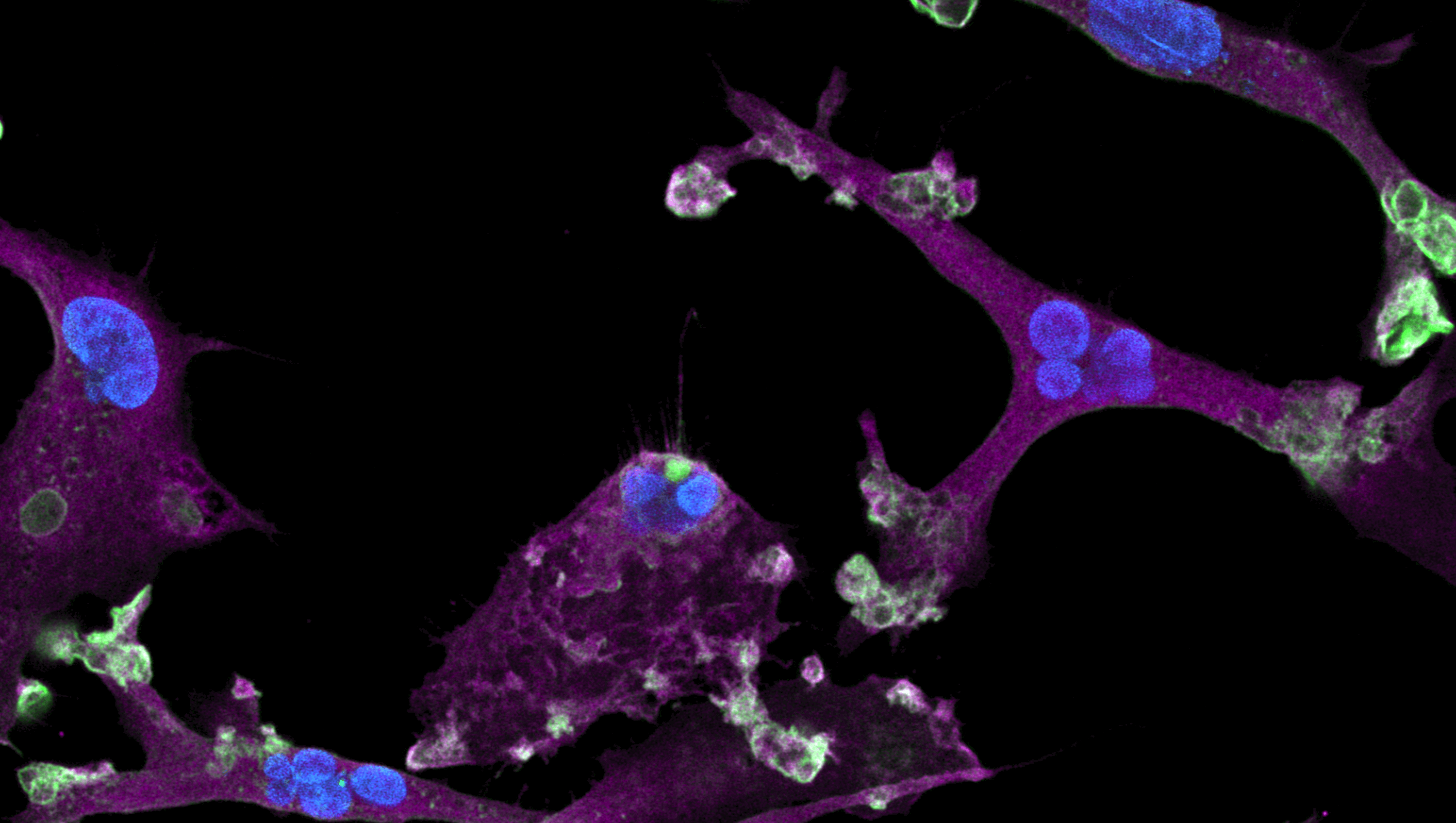
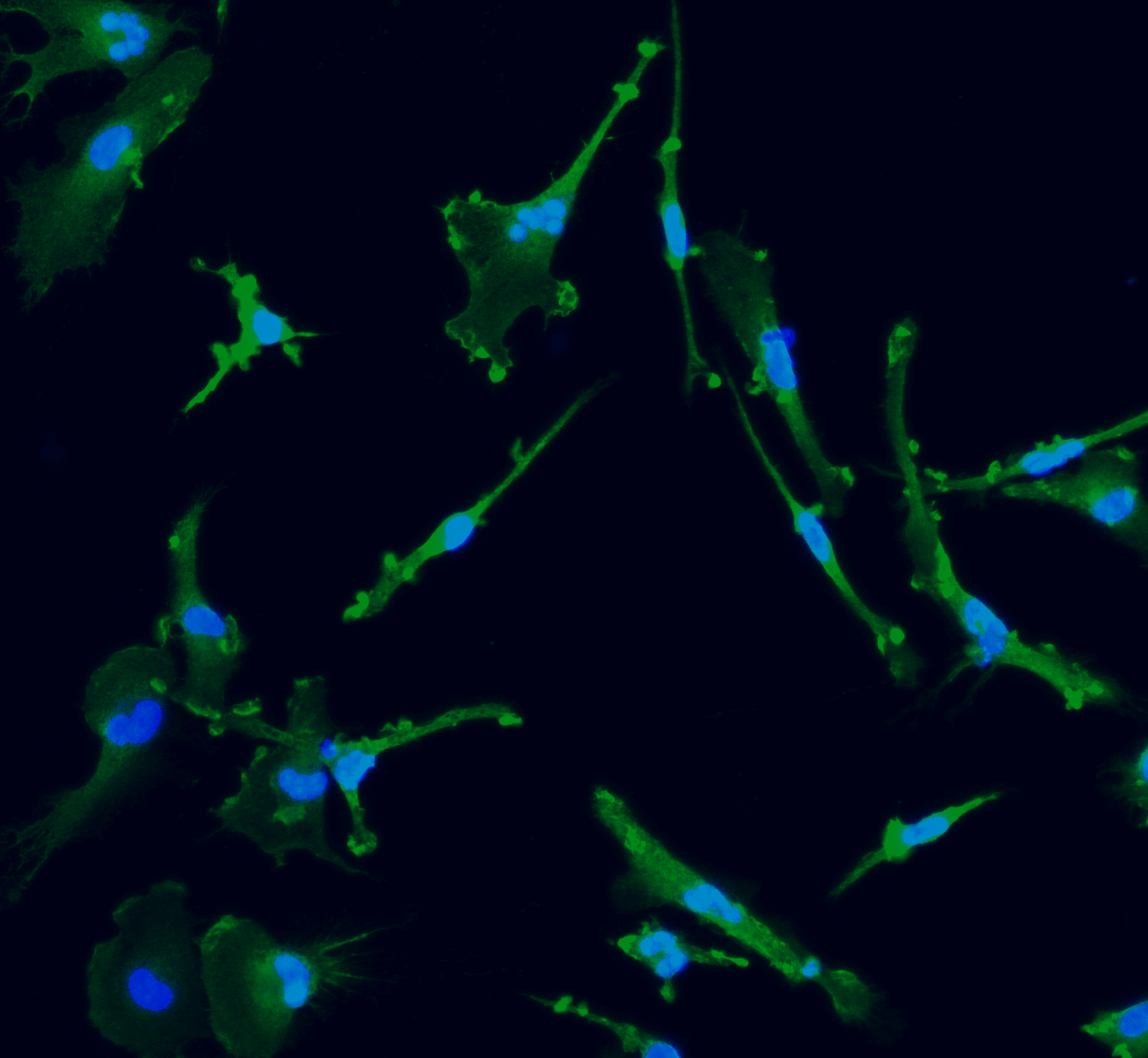
HMC3 cells lack key microglial features. Learn why labs are switching to ioMicroglia—human iPSC-derived, functional, and consisten...
“When, not if” for animal-free science - WC13 reflections
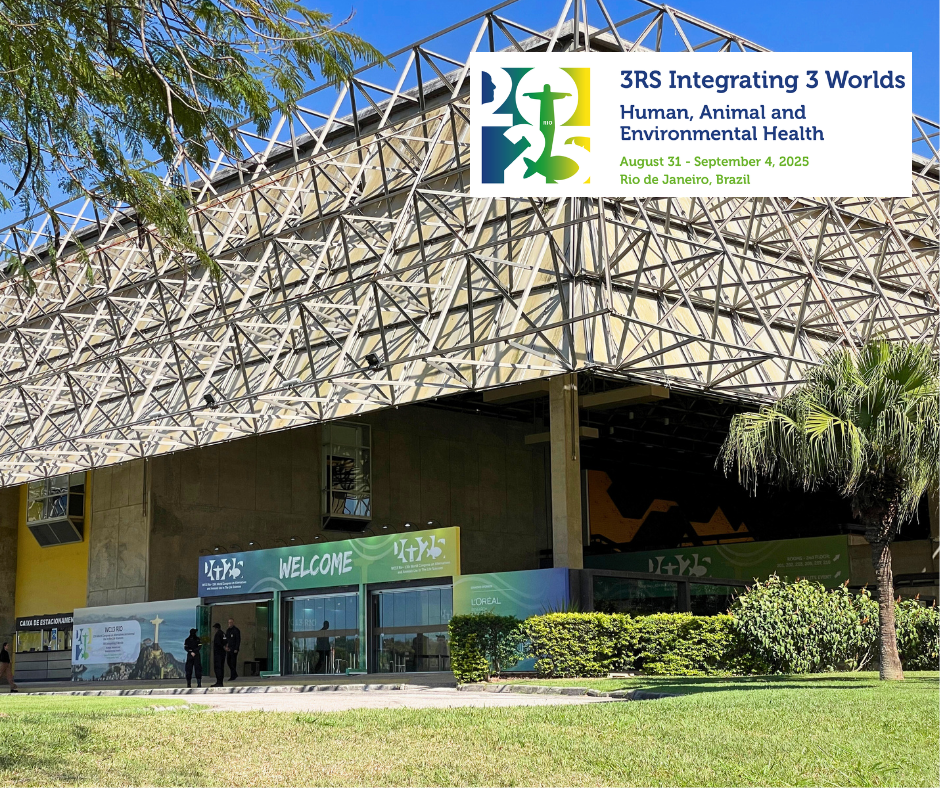
Reflections from WC13 in Rio: animal-free testing is inevitable. Key insights from leaders on NAMs, AI, and ethical research caree...
Raising the bar for reproducibility in stem-cell based research: Standards, best practices, and programmed cells as a potential solution
Reproducibility in stem-cell based research how bit.bio is driving standards, best practices, and programmed cells as a solution.