Cells that don’t accurately recapitulate human disease in vitro cannot support quality cell-based assays. How can you generate quality assays that can scale if you're battling with poorly defined cells that behave inconsistently in every experiment?
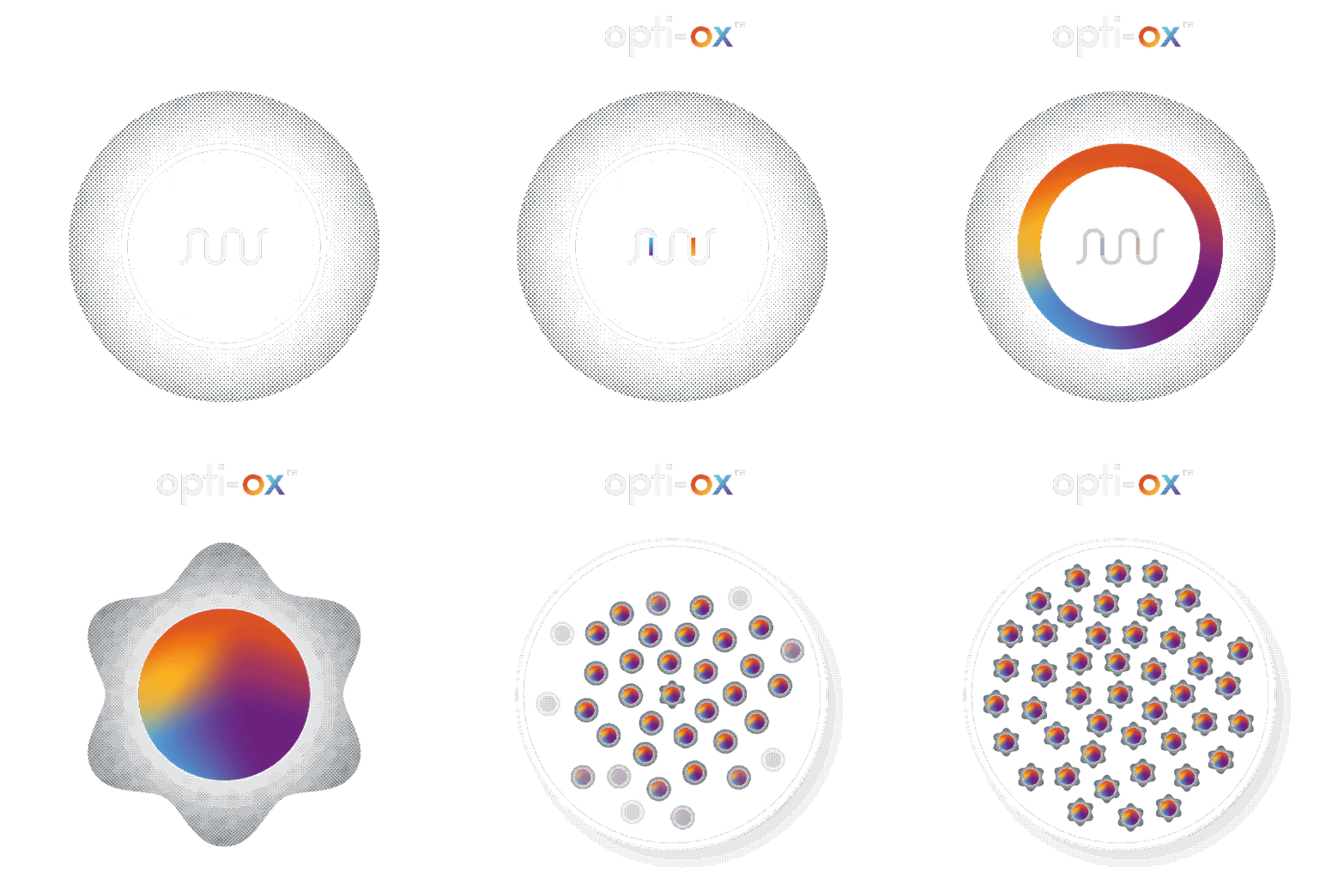
Every cell we make starts as a human induced pluripotent stem cell. Into this, we introduce opti‑ox, our precision reprogramming technology that gives us control over the transcription factors that define cell fate.
By flicking a single genetic switch, entire populations of opti‑ox powered human stem cells are precisely reprogrammed into a chosen cell identity. Every cell in every lot is functional, consistent and clearly defined.
Our ioDisease Model Cells are engineered with CRISPR to contain precise mutations associated with devastating diseases. Our cells are subject to rigorous quality control before being delivered to your lab cryopreserved, ready for your next experiment.
ioDisease Model Cells are highly characterised and defined
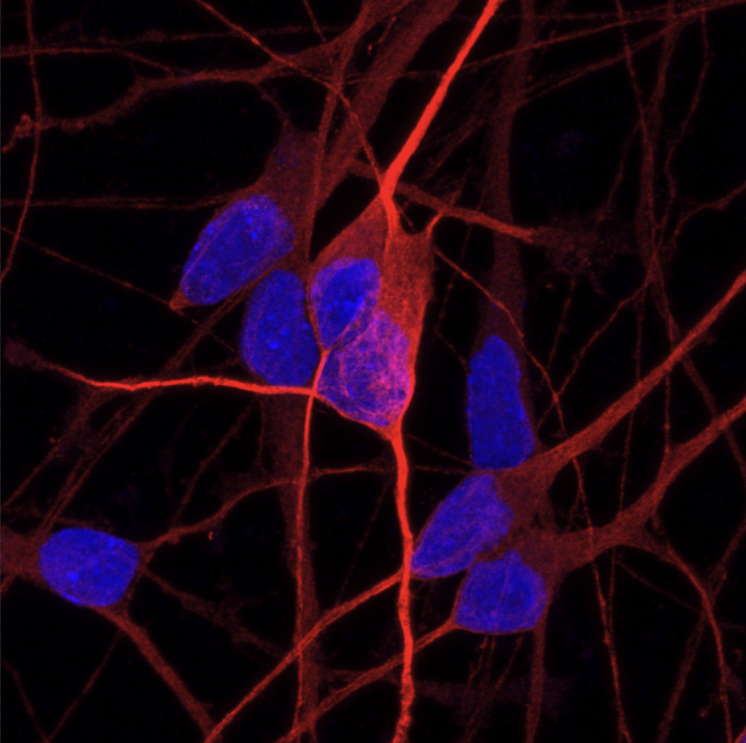
Our precision reprogrammed cells are highly defined - proven and characterised by ICC imaging, RT‑qPCR, RNA‑sequencing and functional assays so you always know exactly what is in every vial.
Our cells have consistency built in
Be confident that every cell in every experiment will be consistent, helping you eliminate variance in cell-based assays.
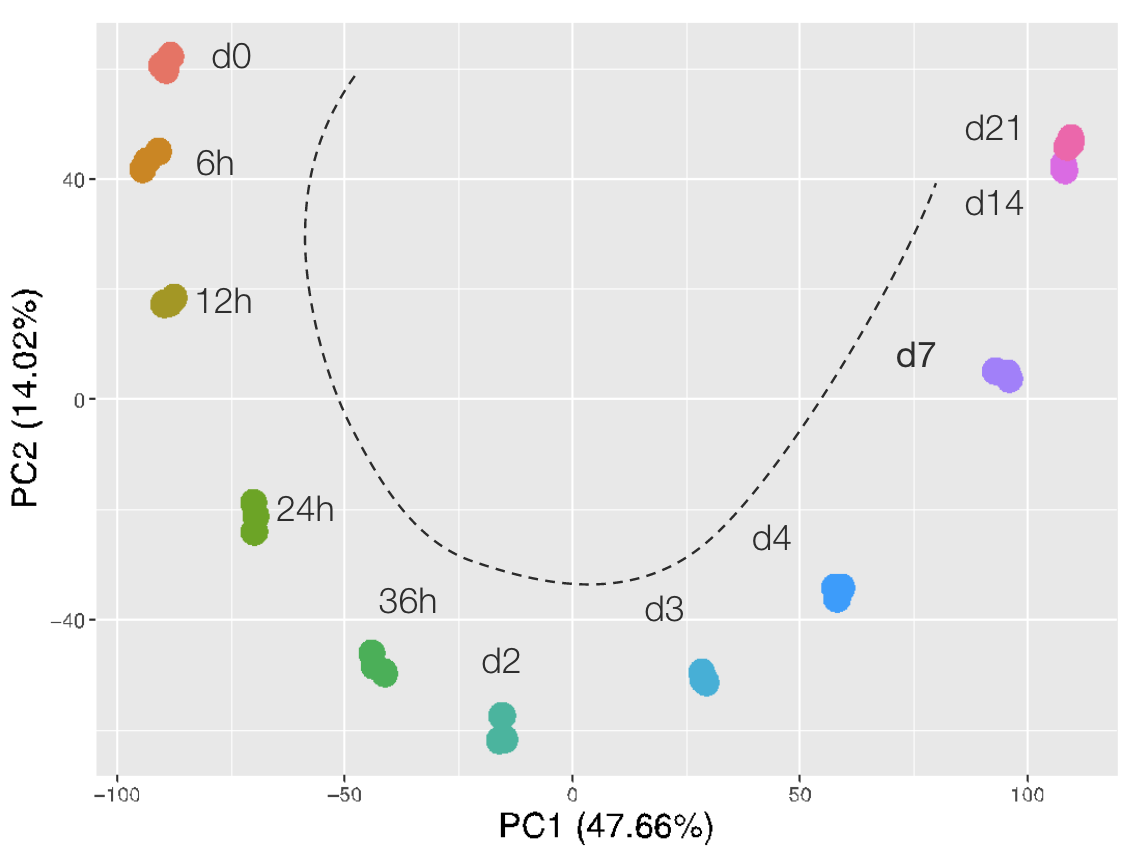
This PCA plot shows bulk RNA-sequencing data from three independent lots of precision reprogrammed cells. The two principal components distribute the samples chronologically, whilst the replicates are tightly clustered.
This demonstrates that our cells undergo highly consistent expression profile changes over time during precision reprogramming, meaning every vial and lot will be the same.
Meaningful insights start with a genetically matched control
Our disease models can always be paired with a genetically matched isogenic control.
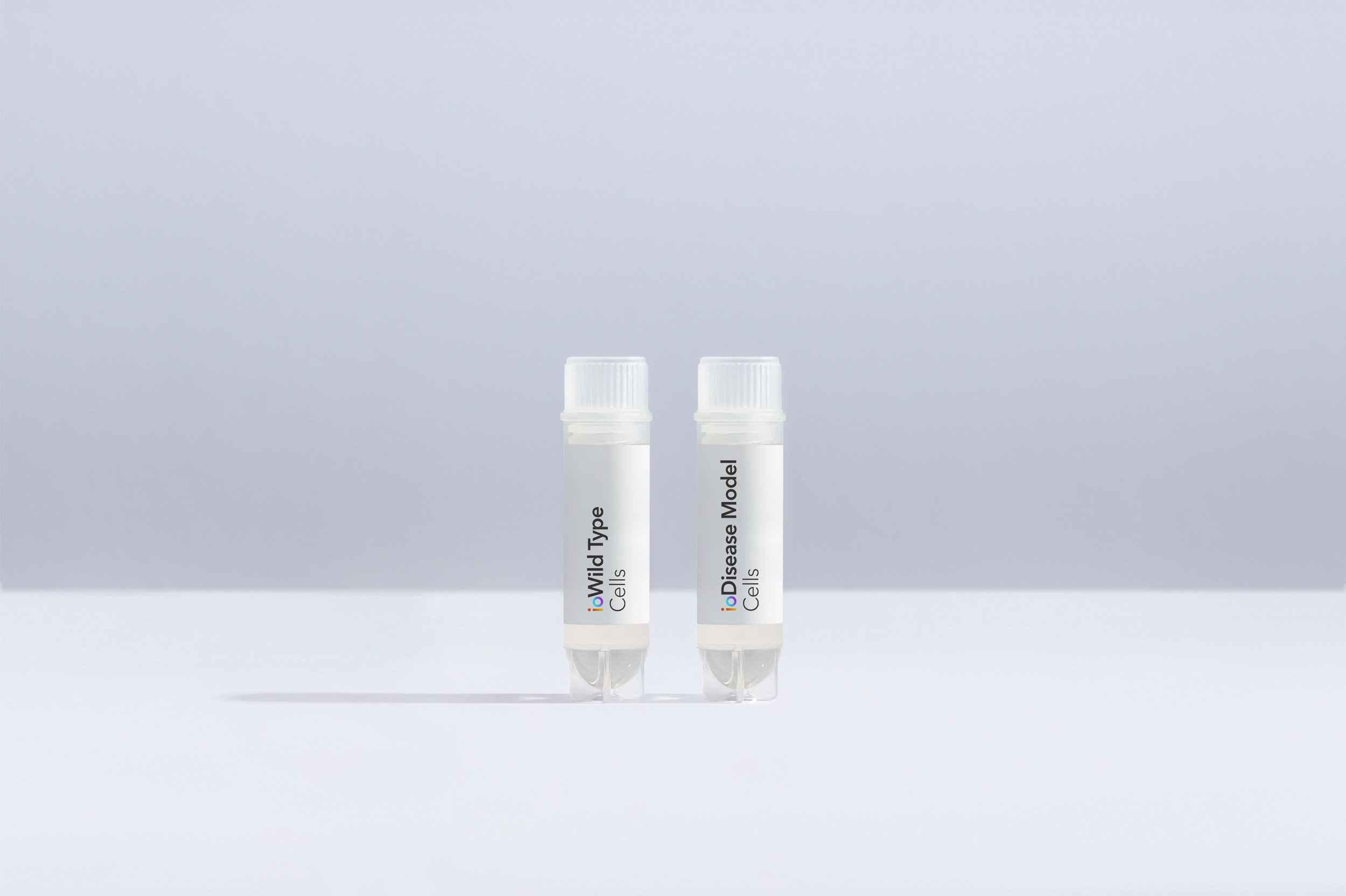
ioWild Type Cells™ are genetically identical to our ioDisease Model Cells, without the disease-relevant mutation.
Never settle for a disease model without an accurate control again. Use this isogenic pairing to make true comparisons in your data, and confidently link genotype to phenotype.

Customers identify intrinsic phenotypes in ioDisease Model Cells
Charles River Laboratories used a multi-electrode array-based assay to show that our Huntington's disease model (ioGlutamatergic Neurons HTT 50CAG/WT™) demonstrates a significant decrease in firing rate compared to wild-type isogenic control.
Now, Charles River Laboratories use this disease model in their End-to-End Huntington’s Disease Studies offering. Their customers can access high-content imaging assays using a disease model that recapitulates the Huntington’s disease phenotype in vitro.

Consistent
Get reproducible results from every vial with high lot-to-lot consistency, confirmed with bulk RNA sequencing

Cost effective
ioCells generate quality data at industry leading seeding densities. You can do more with every vial as every well saves you money

Defined
Every ioCell has its identity characterised by ICC, rt-qPCR and RNA-seq at minimum

Easy to use
ioCells are delivered cryopreserved and require a simple protocol using an open-source medium to get started

Quick
Precision reprogrammed cells mature rapidly, meaning cells are ready for experimentation and data gathering within days post-revival

Scalable
With opti-ox we can make billions of consistently reprogrammed cells, surpassing the demands of industrial workflows
 ioDisease Model Cells
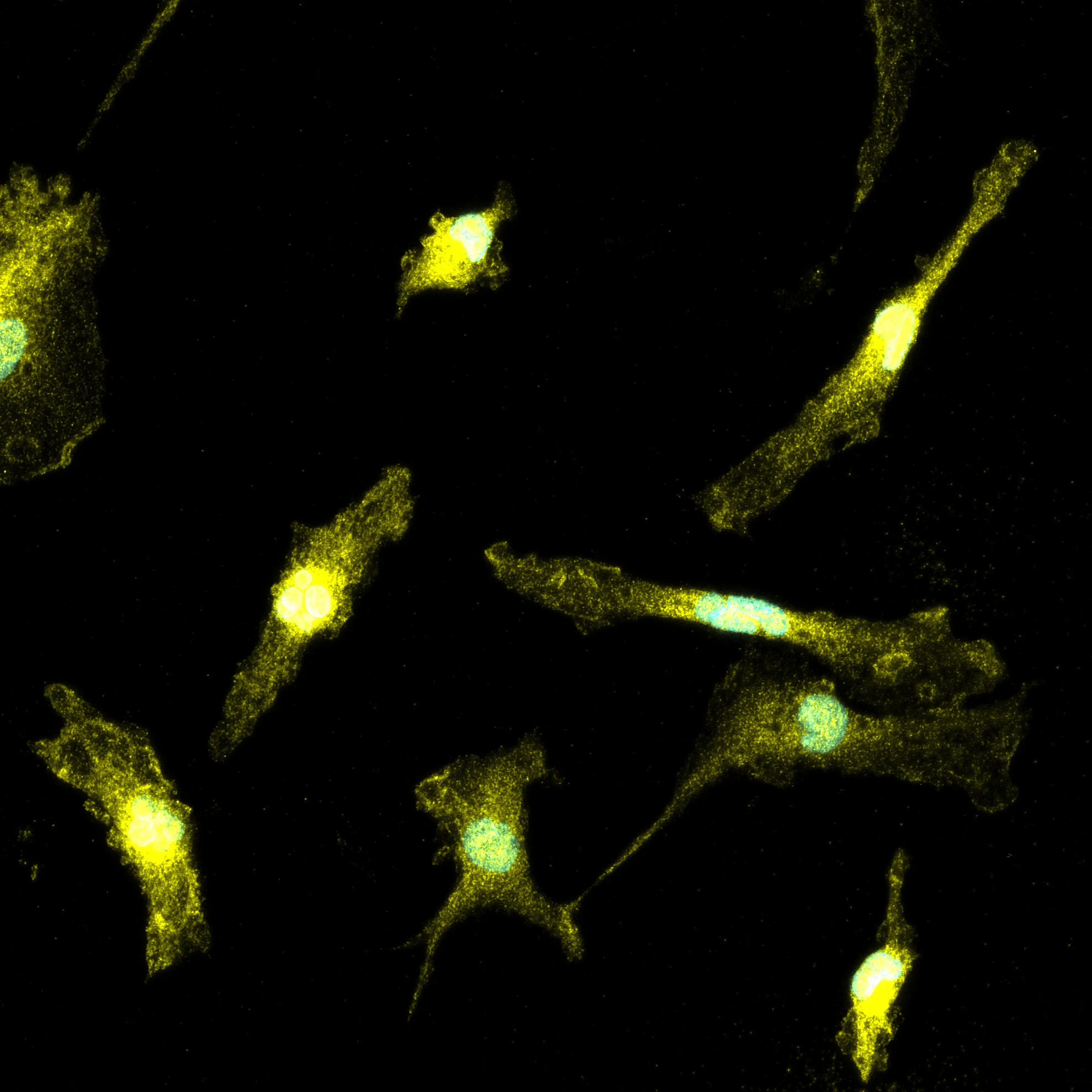
ioMicroglia P2RY12 null/null
cat no | io6012
Order now
 ioDisease Model Cells
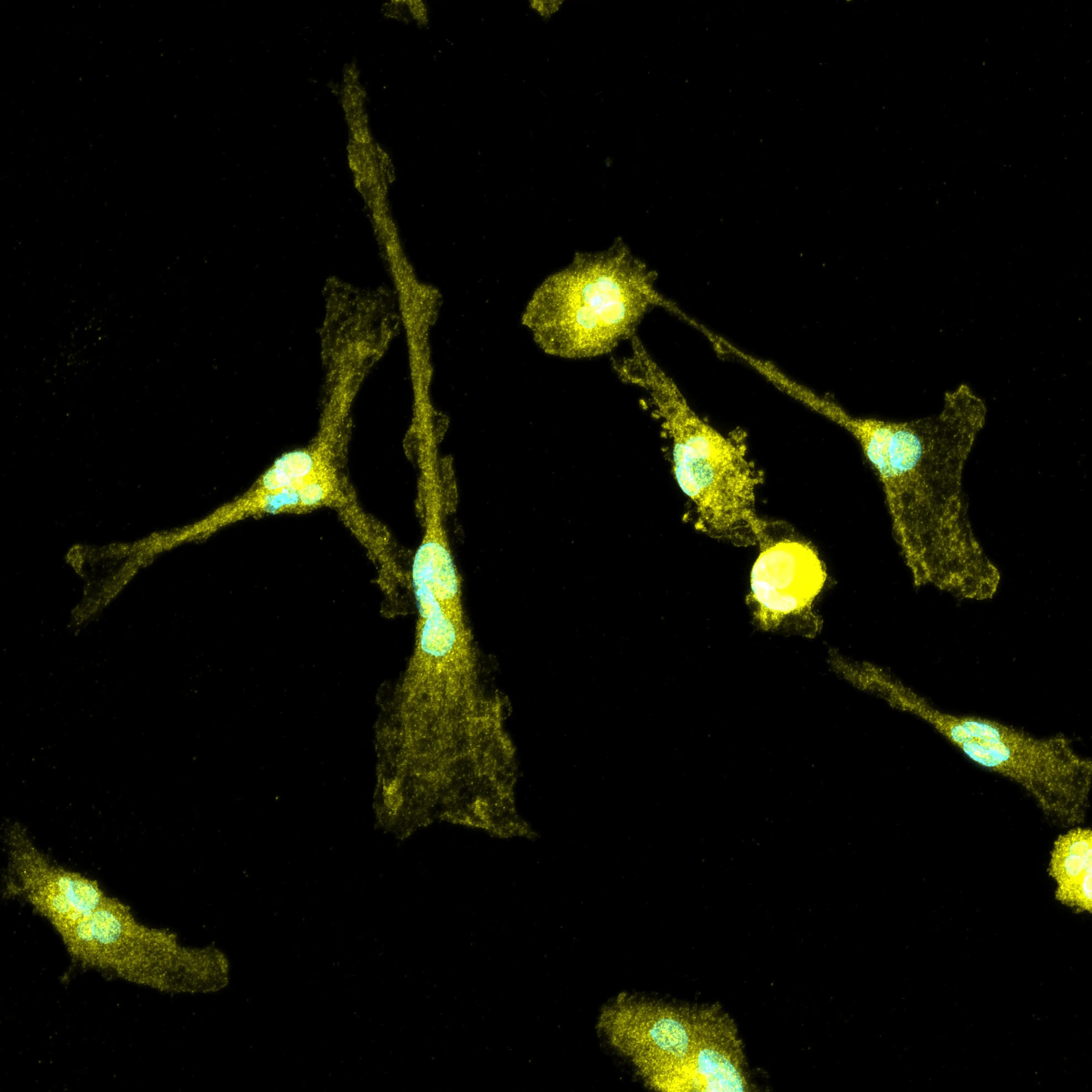
ioMicroglia P2RY12 null/WT
cat no | io6015
Order now
 ioDisease Model Cells
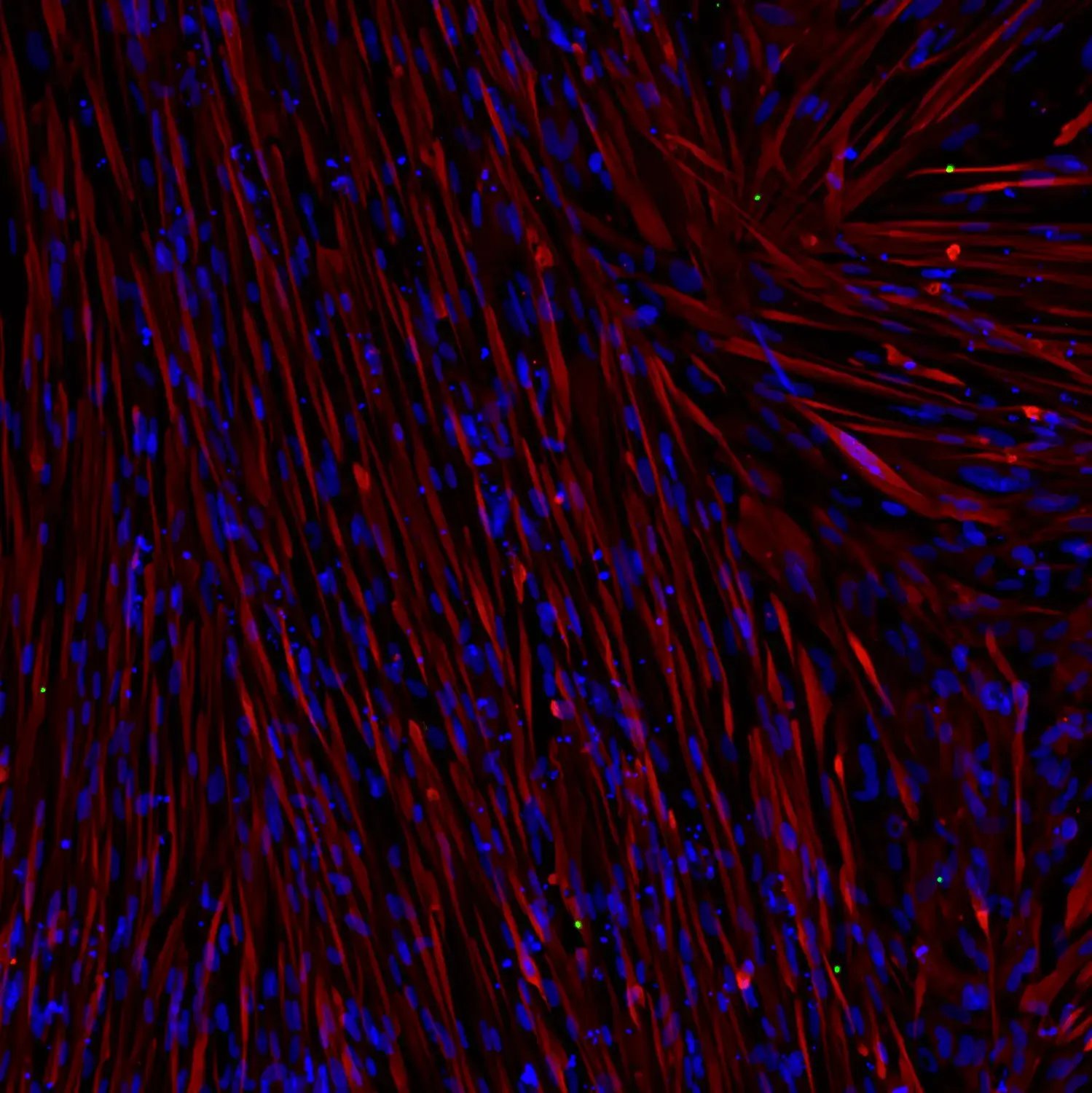
ioSkeletal Myocytes DMD Exon 51 Deletion
cat no | io6023
Order now
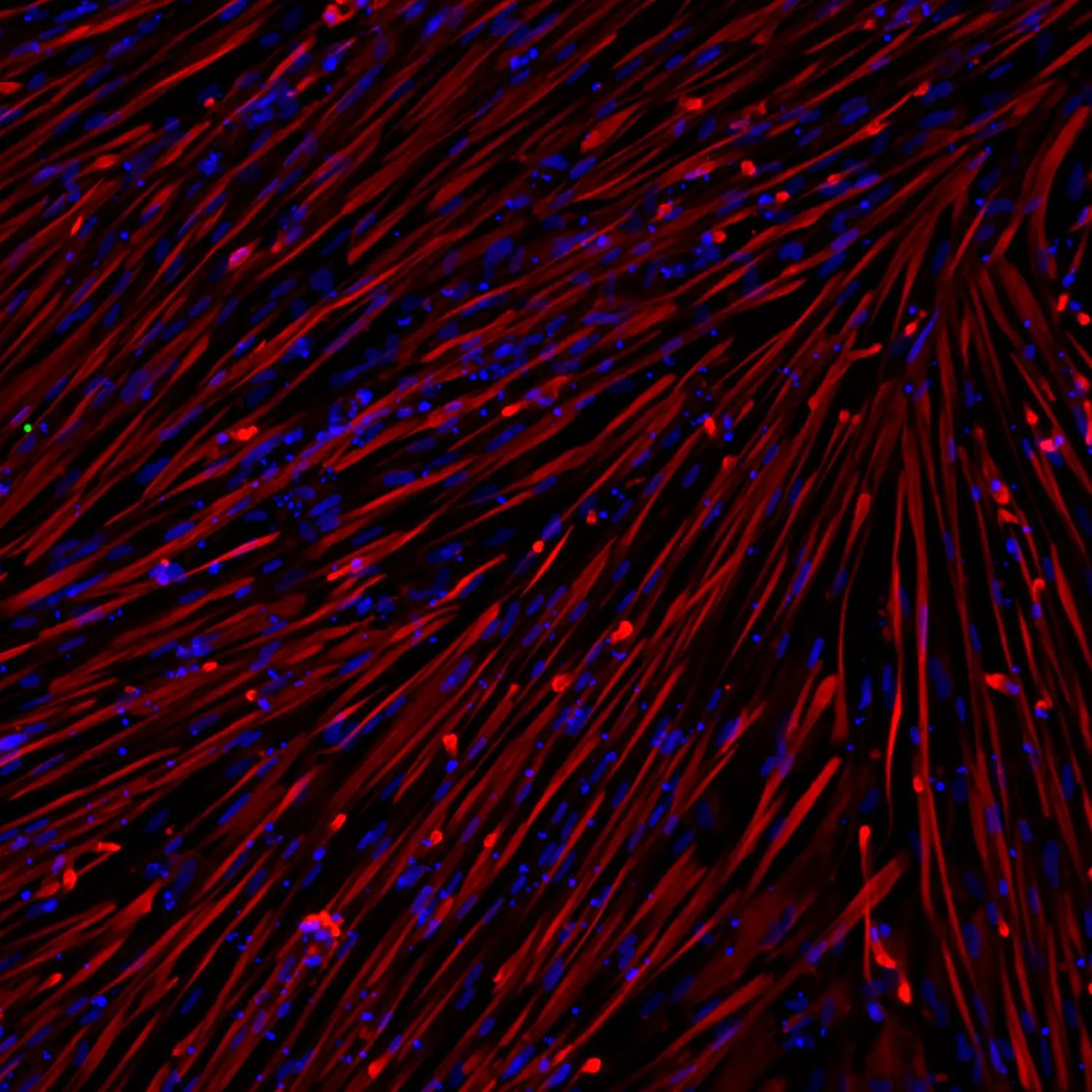 ioDisease Model Cells
ioSkeletal Myocytes DMD Exon 45 Deletion
cat no | io6021
Order now
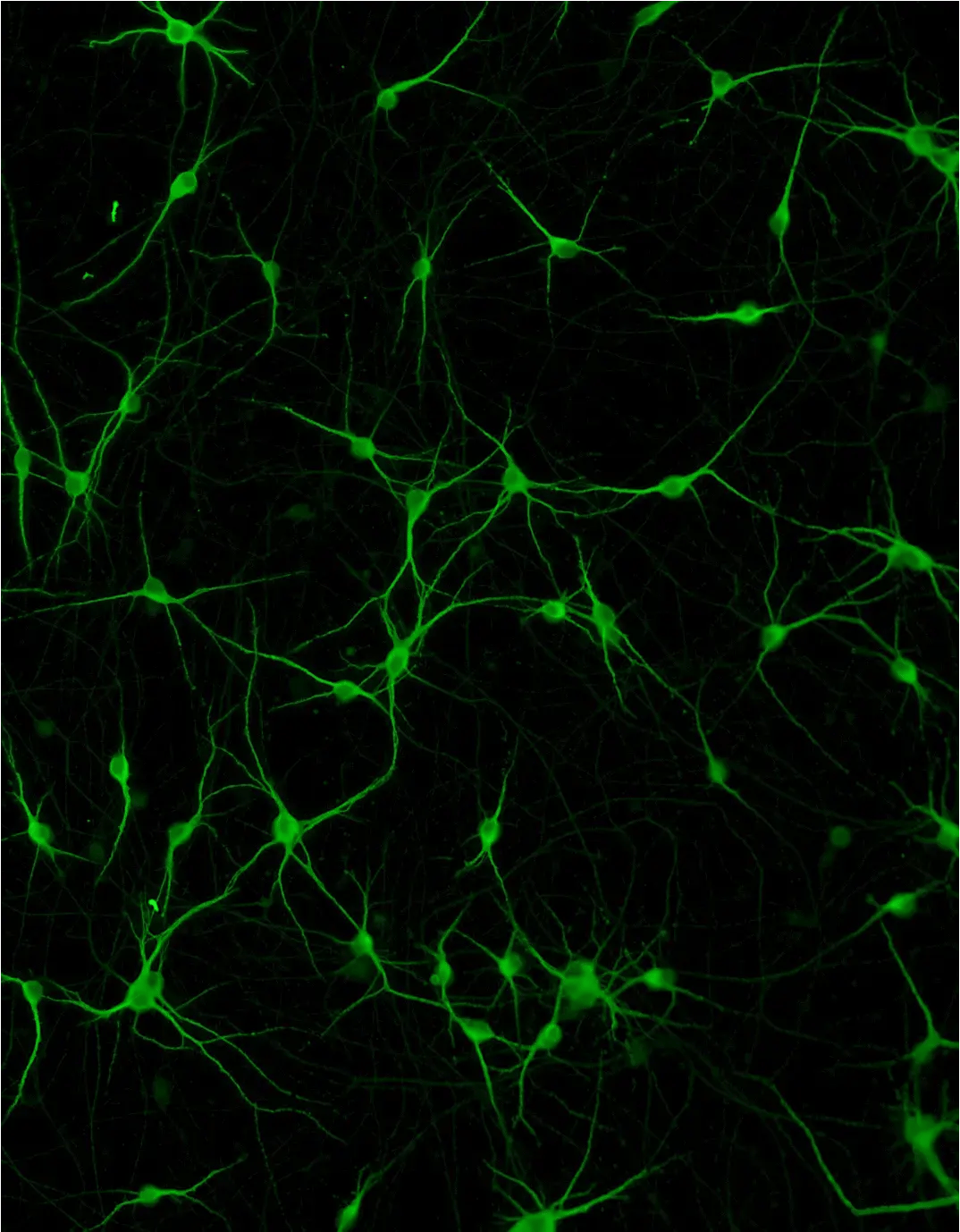 ioDisease Model Cells
ioMotor Neurons TDP-43 N352S/WT
cat no | io6017
Order now
ioDisease Model Cells
ioMotor Neurons TDP-43 A382T/WT
cat no | io6019
Order now
ioDisease Model Cells
ioMotor Neurons TDP-43 M337V/M337V
cat no | io1046
Order now
ioDisease Model Cells
ioMotor Neurons TDP-43 M337V/WT
cat no | io1050
Order now
ioDisease Model Cells
ioMotor Neurons FUS P525L/P525L
cat no | io1052
Order now
ioDisease Model Cells
ioMotor Neurons FUS P525L/WT
cat no | io1055
Order now
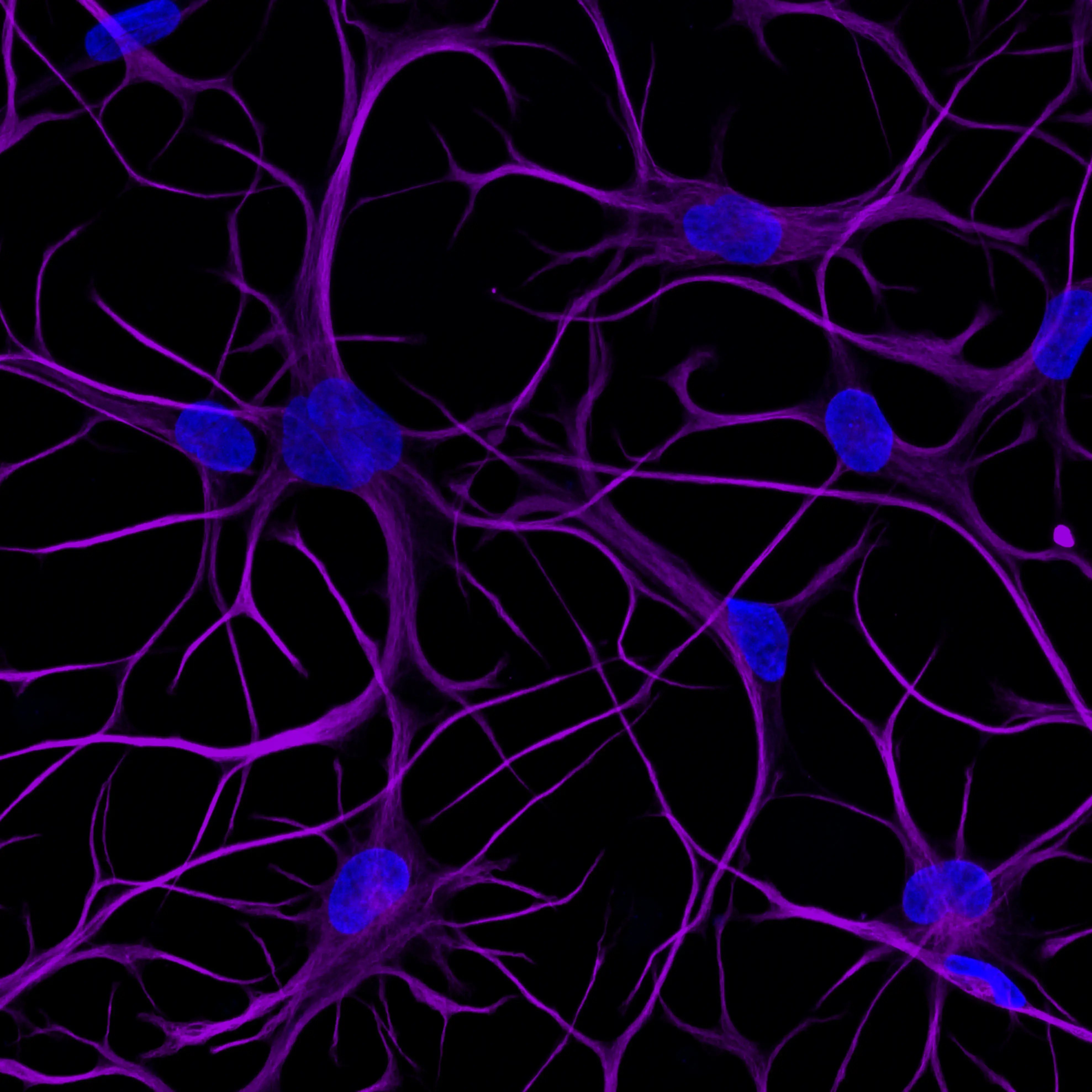 ioWild Type Cells
ioAstrocytes
cat no | ioEA1093
Order now
 ioWild Type Cells
Custom Cell Development
Enquire now
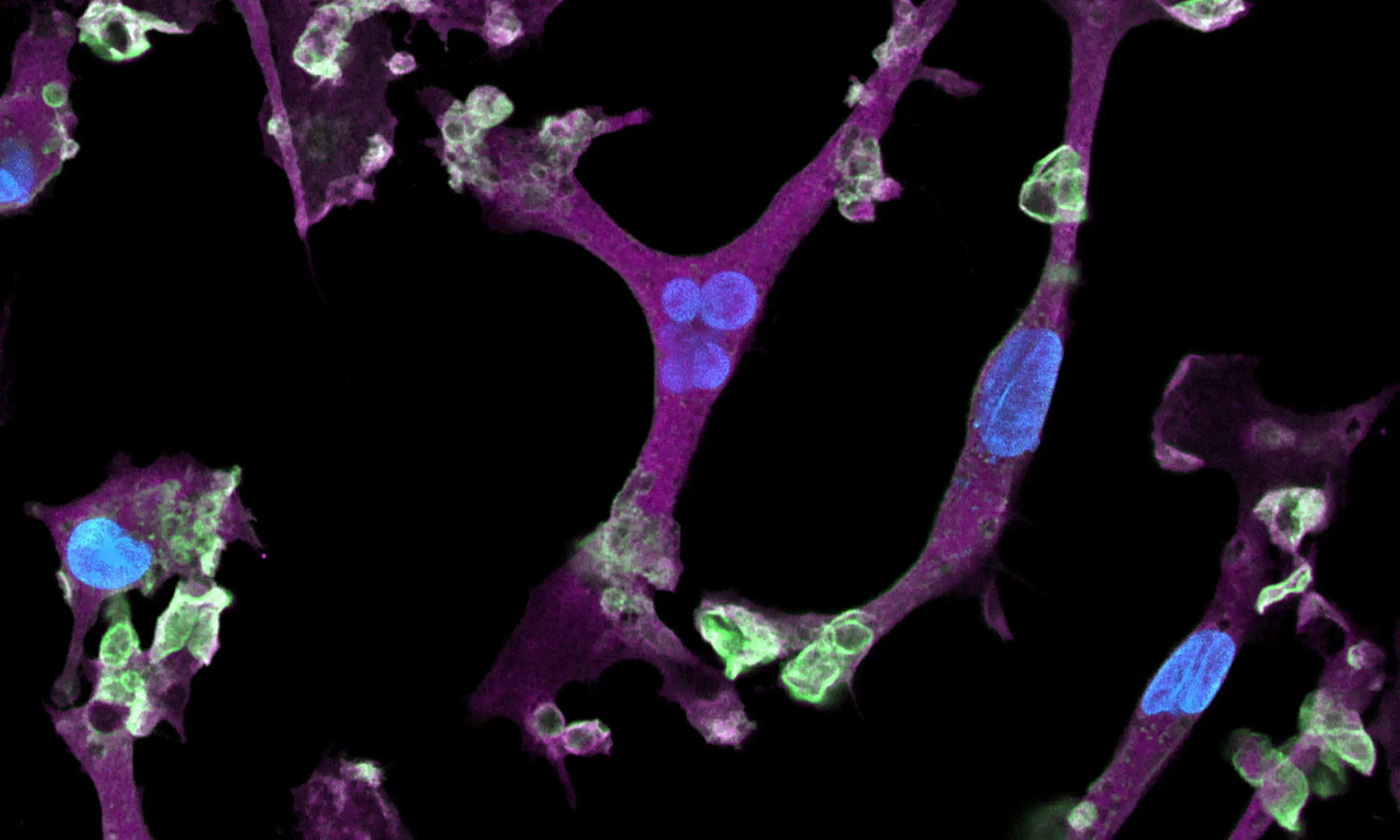 ioWild Type Cells
ioMicroglia | Female
cat no | io1029
Order now
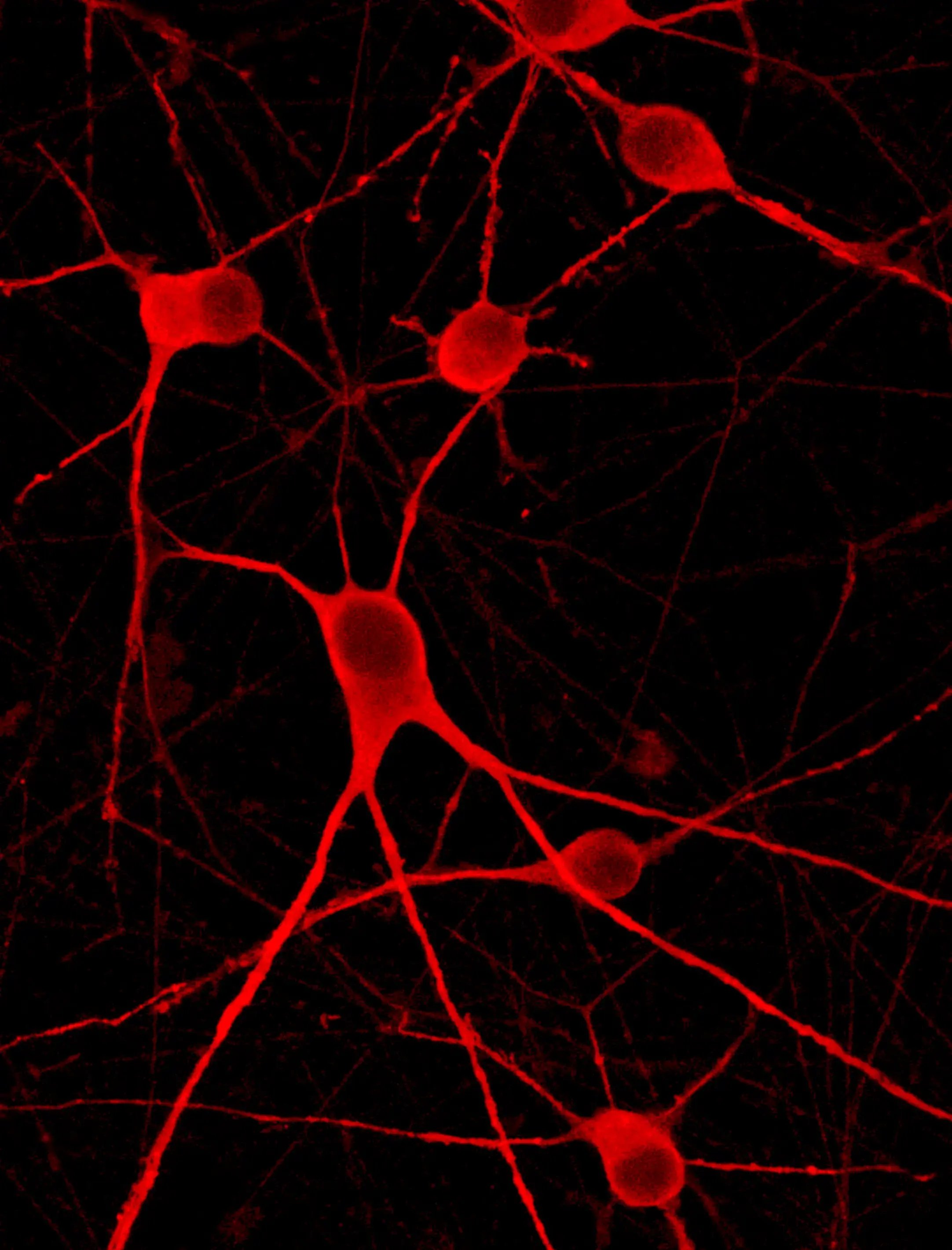 ioWild Type Cells
ioMotor Neurons
cat no | io1027
Order now
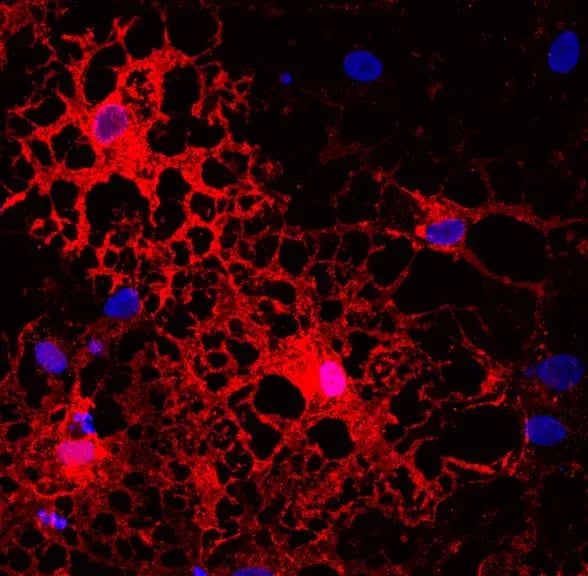 ioWild Type Cells
ioOligodendrocyte-like cells
cat no | io1028
Order now
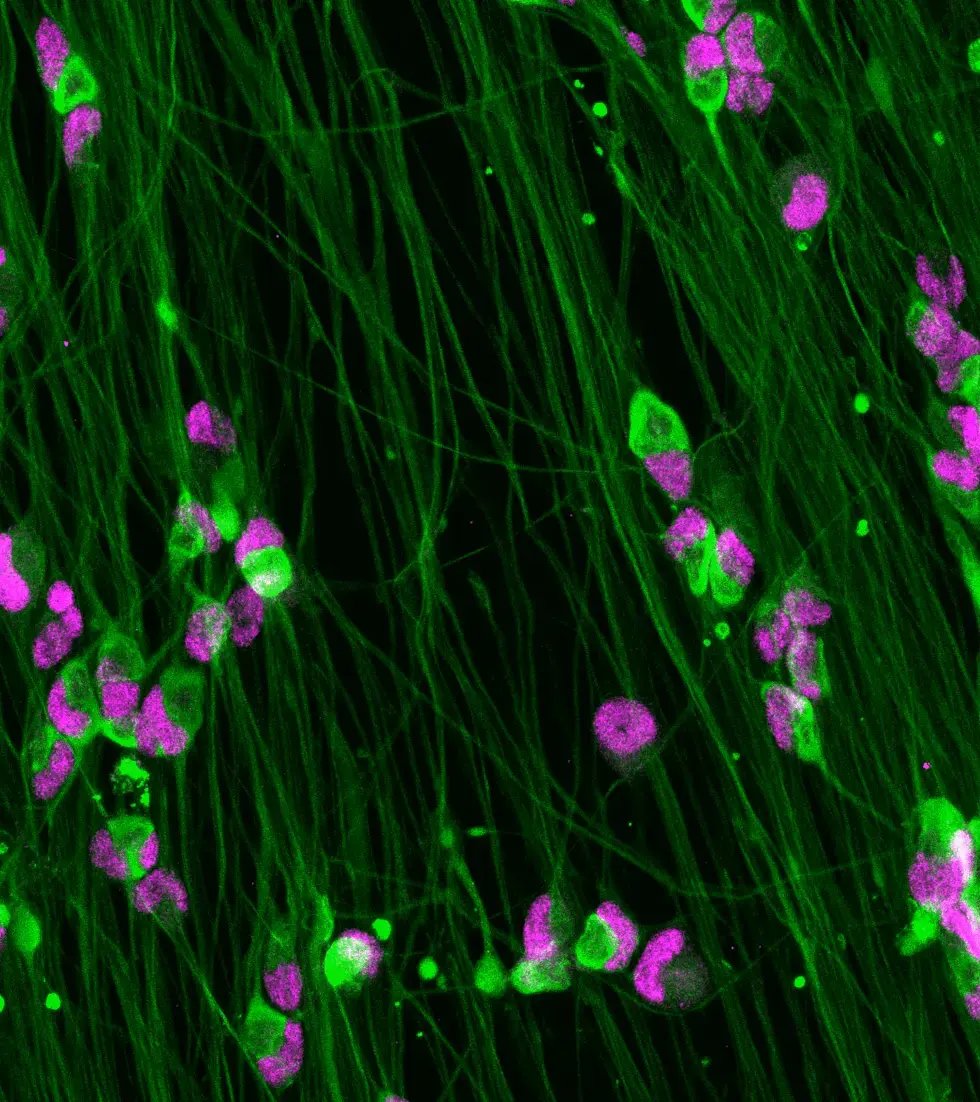 ioWild Type Cells
ioSensory Neurons
cat no | io1024
Order now
 ioWild Type Cells
ioMicroglia | Male
cat no | io1021
Order now
 ioWild Type Cells
ioGABAergic Neurons
cat no | io1003
Order now
 ioWild Type Cells
ioSkeletal Myocytes
cat no | io1002
Order now
 ioWild Type Cells
ioGlutamatergic Neurons
cat no | io1001
Order now
Start using the right human model
Patient-derived cells and iPSC-derived cells generated by directed differentiation do not offer a definitive human model of disease that is consistent and scalable.
In this webinar, hear how Dr Emma Jones from the Medicines Discovery Catapult utilised our Huntington's disease model to power new cell viability and electrophysiological activity assays. Also hear Dr Tony Oosterveen from bit.bio discuss how our precision reprogrammed disease models are engineered, characterised and validated.
Emma Jones PhD
Medicines Discovery Catapult
Recapitulate disease-relevant biology at scale
With a definitive human cell that offers consistent, reliable performance, it is possible to scale cell-based assays for drug discovery.
In this webinar, hear Dr Mariangela Iovino from Charles River Laboratories discuss how our precision reprogrammed disease models are being incorporated into the CRO's high throughput screens and drug discovery workflows.

Mariangela Iovino PhD
Charles River Laboratories