Webinar


Developing reproducible 3D neuro-immune models for human neuroinflammation research
In this webinar, our expert speakers from BrainZell and bit.bio present an immune-competent brain organoid model built with ioMicroglia, exploring how microglial density shapes the inflammatory response, how the model responds to inflammatory activation and pharmacological suppression, and how Alzheimer’s disease ioMicroglia could extend it to neurodegeneration research.
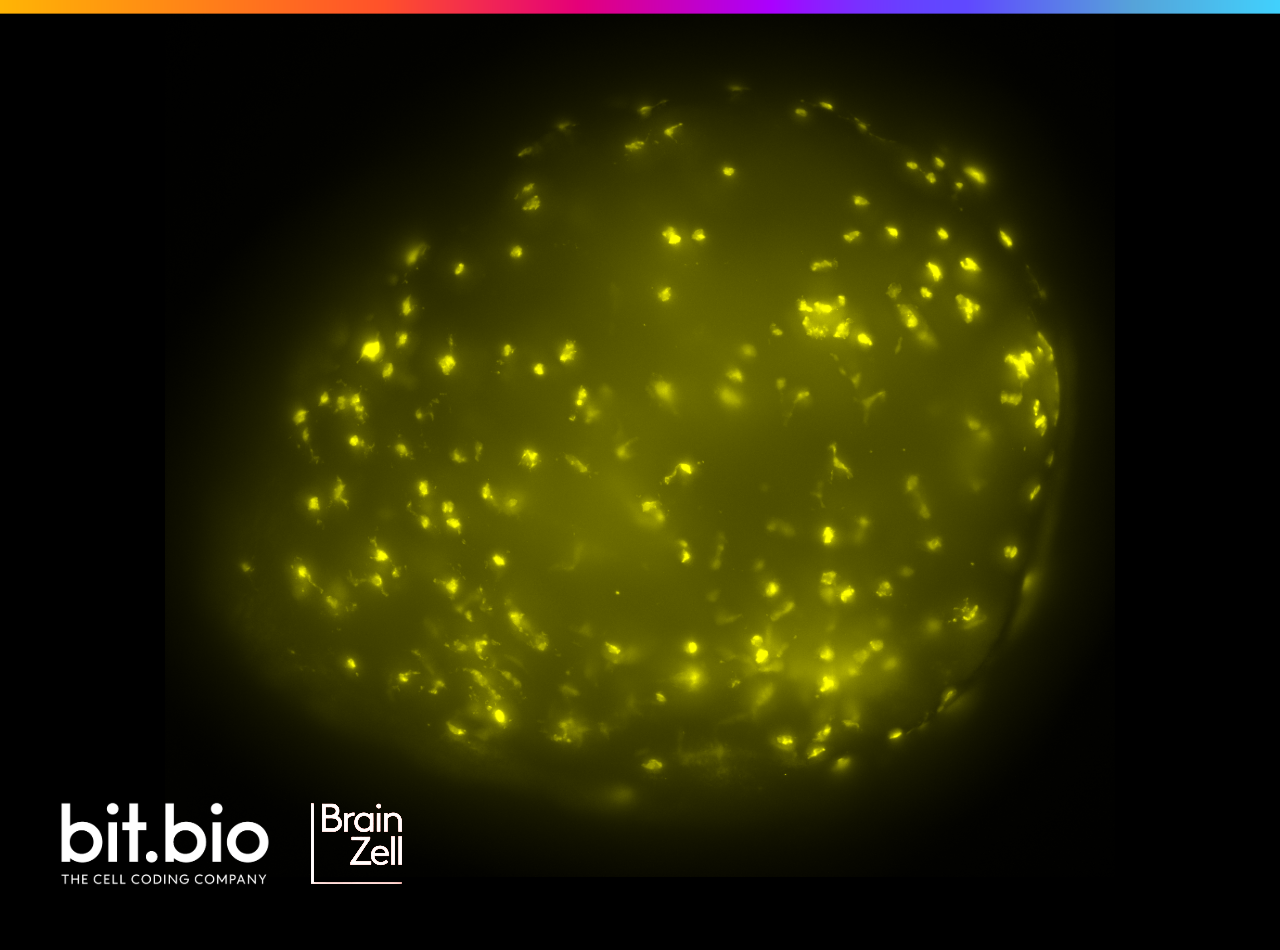
In this webinar, our expert speakers from BrainZell and bit.bio present an immune-competent brain organoid model built with ioMicroglia, exploring how microglial density shapes the inflammatory response, how the model responds to inflammatory activation and pharmacological suppression, and how Alzheimer’s disease ioMicroglia could extend it to neurodegeneration research.
Date | 8th December 2026
Time | 4 pm CET | 3 pm GMT | 10 am EST | 7 am PST
Key learnings
- Understand why microglia matter in 3D neural models, and how ioMicroglia, powered by opti-ox, support a more reproducible neuro-immune model.
- See how microglial density shapes the inflammatory response across gene expression, cytokine and proteomic readouts.
- Learn how the model responds to LPS-induced activation and pharmacological suppression.
- Discover how the model supports multiple analytical workflows for translational neuroinflammation research.
- Explore the potential to model neurodegeneration by incorporating Alzheimer’s disease ioMicroglia carrying APOE4 and TREM2 R47H variants into brain organoids.
The webinar concludes with a live Q&A on building and applying immune-competent brain organoid models.