ioGlutamatergic Neurons TDP‑43 M337V/WT
Human iPSC-derived ALS and FTD disease model in human excitatory neurons
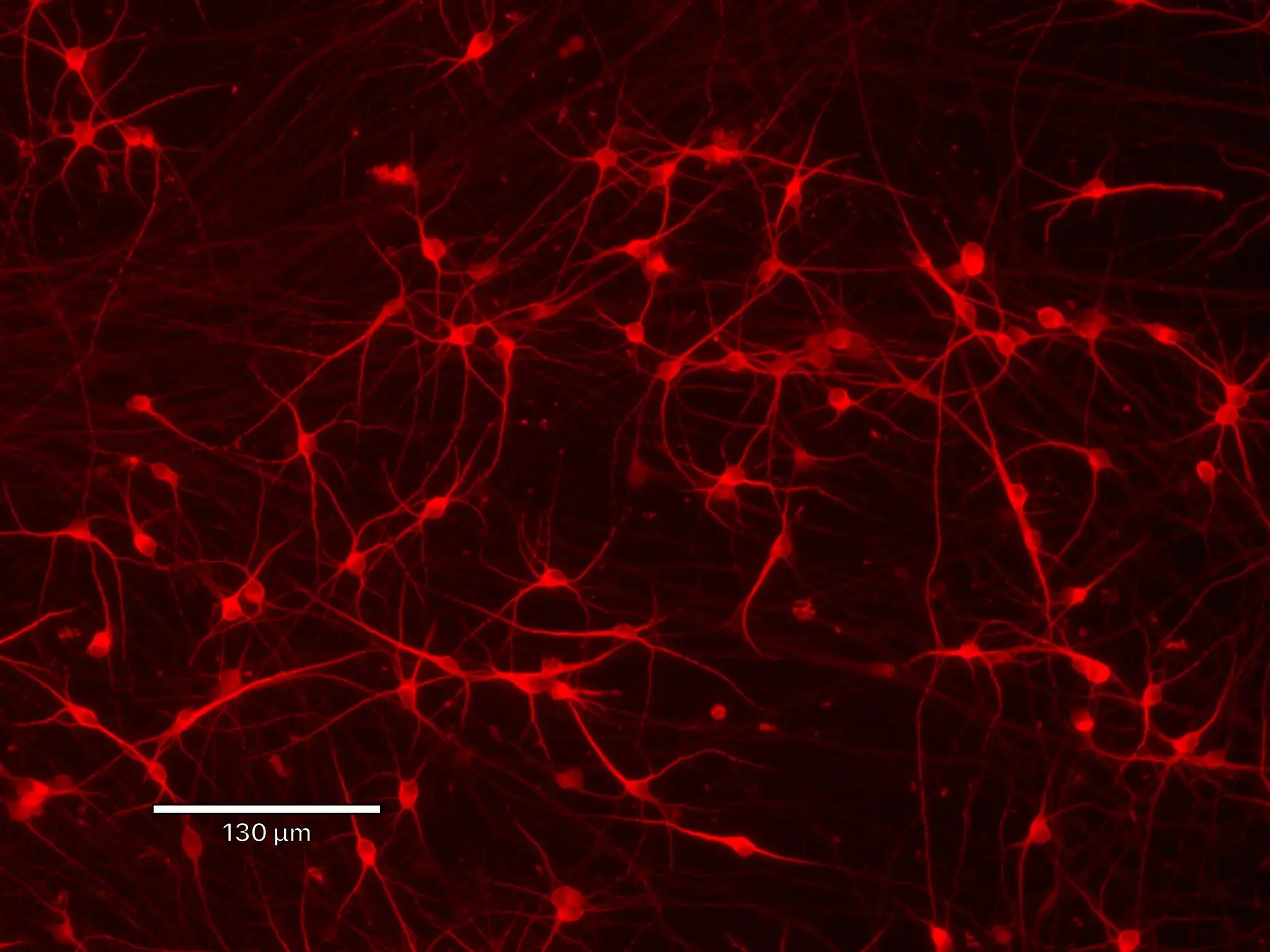
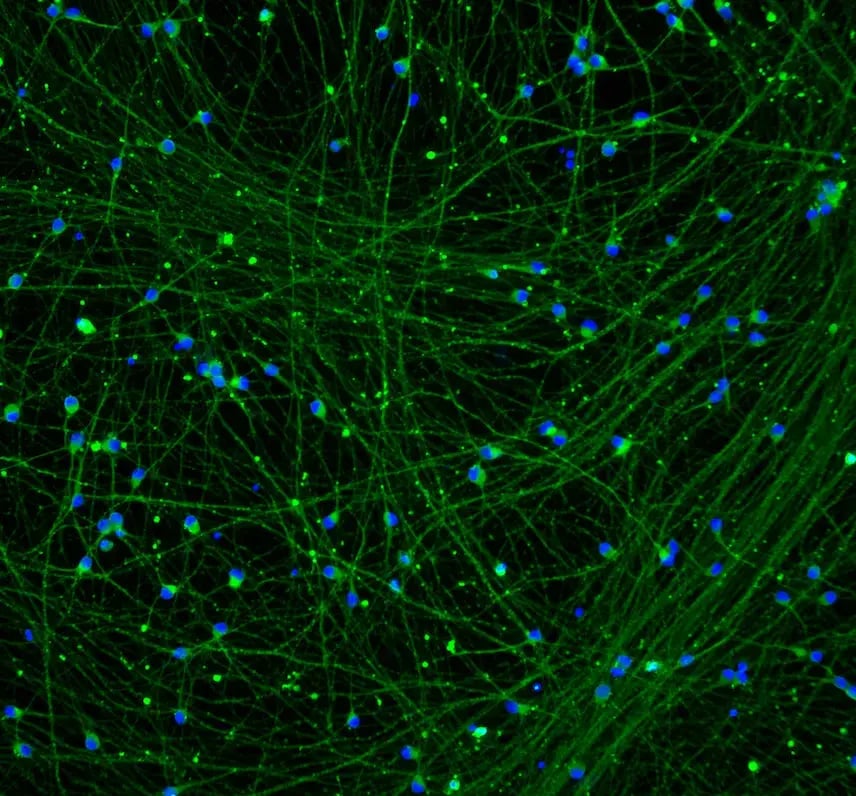
bit.bio Glutamatergic Neurons TDP-43 M337V het ICC staining of neuronal markers
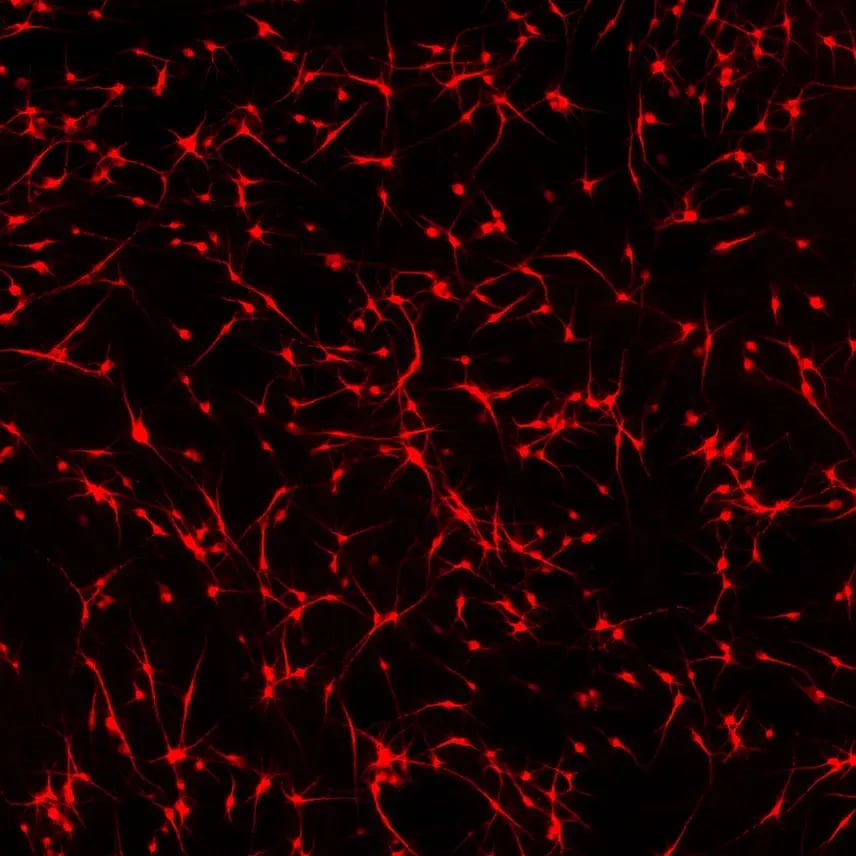
bit.bio Glutamatergic neuronal morphology of ALS/FTD disease model cells
bit.bio Gene expression of glutamatergic markers by RT-qPCR in ALS/FTD disease model cells
bit.bio TARDBP (TDP-43) gene expression in iPSC-derived glutamatergic neuron ALS/FTD disease model
bit.bio Glutamatergic Neurons TDP-43 M337V phenotype of reduced neuronal activity shown using MEA (Axion)
Identification-splice-variants-ioGlutamatergic-Neurons-and-ioMotor-Neurons
DPP6-splice-events-wild-type-and-TDP-43-mutant-ioGlutamatergic-Neurons
Phenotypic analysis of a tri-culture for CNS modelling using ioGlutamatergic Neurons, ioAstrocytes, and ioMicroglia
mRNA transfection of human iPSC-derived neurons with GFP.
bitbio-lipid-delivery-glutamatergic-neurons-GFP-quantification
bit.bio Glutamatergic Neurons and disease models have a low minimum seeding density
Human iPSC-derived ALS and FTD disease model in human excitatory neurons
bit.bio Glutamatergic Neurons TDP-43 M337V het ICC staining of neuronal markers
bit.bio Glutamatergic neuronal morphology of ALS/FTD disease model cells
bit.bio Gene expression of glutamatergic markers by RT-qPCR in ALS/FTD disease model cells
bit.bio TARDBP (TDP-43) gene expression in iPSC-derived glutamatergic neuron ALS/FTD disease model
bit.bio Glutamatergic Neurons TDP-43 M337V phenotype of reduced neuronal activity shown using MEA (Axion)
Identification-splice-variants-ioGlutamatergic-Neurons-and-ioMotor-Neurons
DPP6-splice-events-wild-type-and-TDP-43-mutant-ioGlutamatergic-Neurons
Phenotypic analysis of a tri-culture for CNS modelling using ioGlutamatergic Neurons, ioAstrocytes, and ioMicroglia
mRNA transfection of human iPSC-derived neurons with GFP.
bitbio-lipid-delivery-glutamatergic-neurons-GFP-quantification
bit.bio Glutamatergic Neurons and disease models have a low minimum seeding density

cat no | ioEA1006

ioGlutamatergic Neurons TDP‑43 M337V/WT

Human iPSC-derived ALS and FTD disease model

  • Cryopreserved human iPSC-derived cells powered by opti-ox that are ready for experiments in days

  • Excitatory neurons with a disease-relevant mutation in TDP-43 for modelling ALS and FTD

  • Consistent, functional excitatory neurons that form neuronal networks within days

Human iPSC-derived ALS and FTD disease model in human excitatory neurons

Human iPSC-derived ALS and FTD disease model

bit.bio Glutamatergic Neurons TDP-43 M337V het ICC staining of neuronal markers

ioGlutamatergic Neurons TDP‑43 M337V/WT express neuron-specific markers comparably to the wild type control

Immunofluorescent staining on day 11 post-revival demonstrates similar homogenous expression of pan-neuronal proteins MAP2 and TUBB3 (upper panel) and glutamatergic neuron-specific transporter VGLUT2 (lower panel) in ioGlutamatergic Neurons TDP‑43 M337V/WT compared to the genetically matched control. 100X magnification.

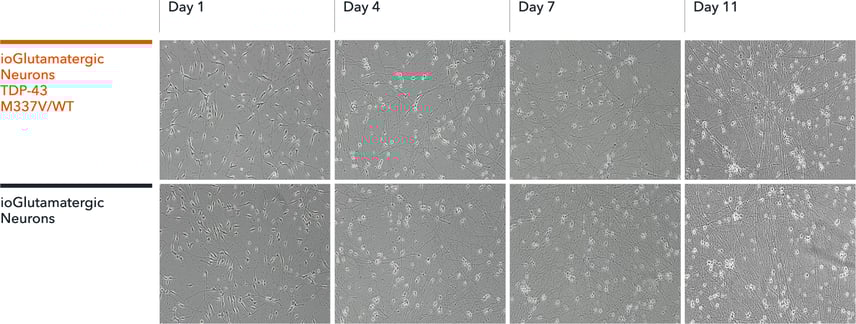
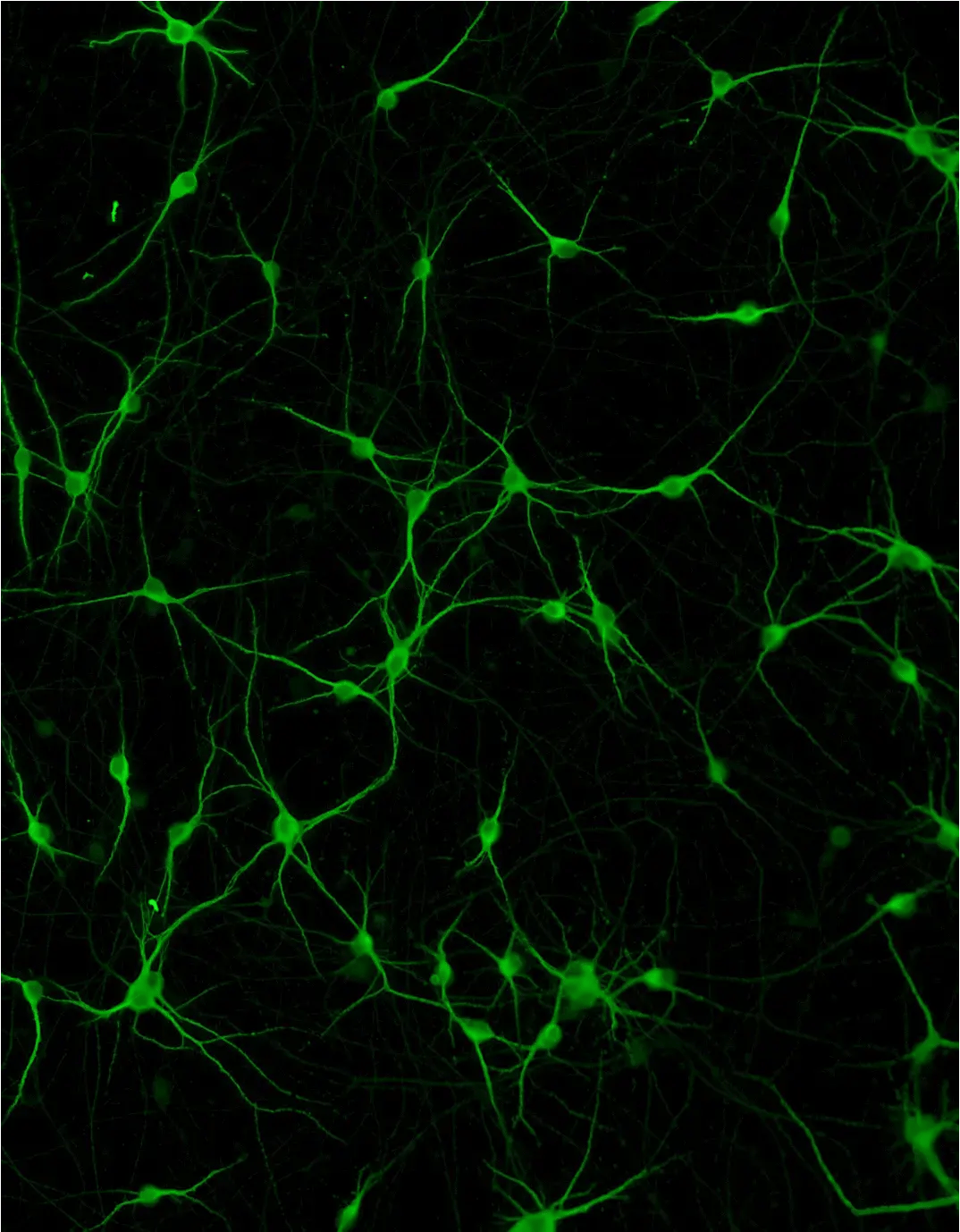
bit.bio Glutamatergic neuronal morphology of ALS/FTD disease model cells

ioGlutamatergic Neurons TDP‑43 M337V/WT form structural neuronal networks by day 11

ioGlutamatergic Neurons TDP‑43 M337V/WT mature rapidly, show glutamatergic neuron morphology and form structural neuronal networks over 11 days when compared to the genetically matched control. Day 1 to 11 post-thawing; 100X magnification.

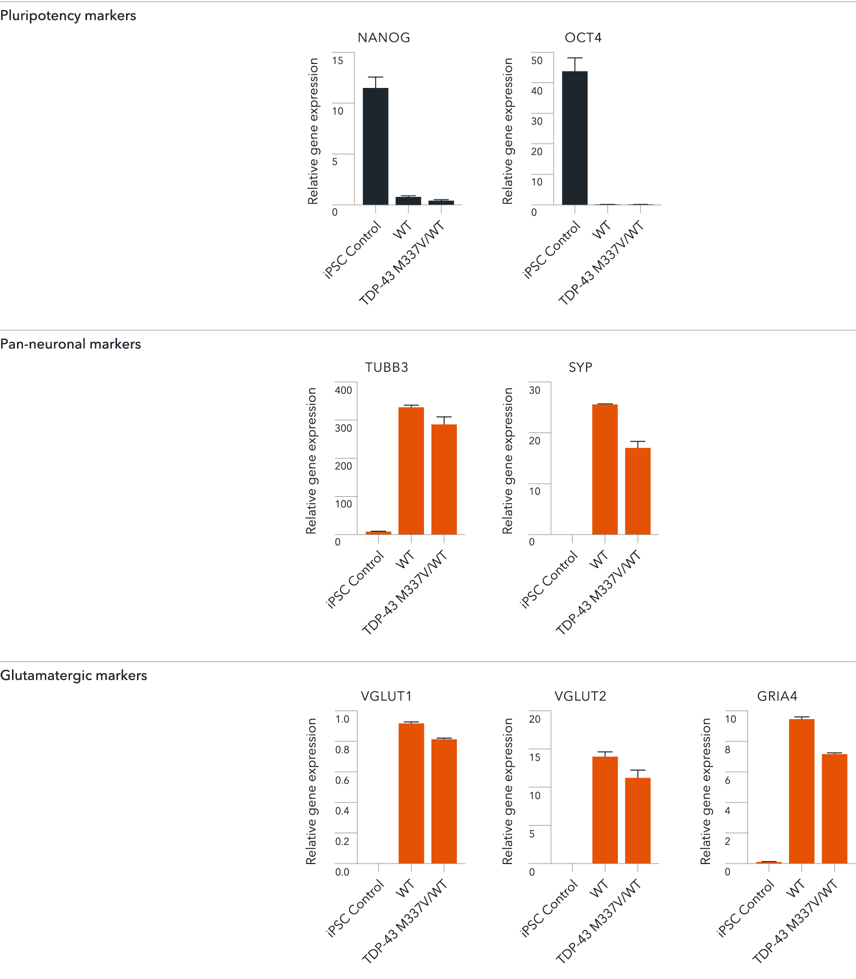
bit.bio Gene expression of glutamatergic markers by RT-qPCR in ALS/FTD disease model cells

ioGlutamatergic Neurons TDP‑43 M337V/WT demonstrate gene expression of neuronal-specific and glutamatergic-specific markers following deterministic programming

Gene expression analysis demonstrates that ioGlutamatergic Neurons TDP‑43 M337V/WT and the wild-type, genetically matched control (WT) lack the expression of pluripotency makers (NANOG and OCT4), at day 11, while robustly expressing pan-neuronal (TUBB3 and SYP) and glutamatergic-specific (VGLUT1 and VGLUT2) markers, and the glutamate receptor GRIA4. Gene expression levels were assessed by RT-qPCR (data normalised to HMBS; cDNA samples of the parental human iPSC line (hiPSC Control) were included as reference). Data represents day 11 post-revival samples, n=2 replicates.

View the step-by-step RNA extraction and RT-qPCR protocol used to generate this data

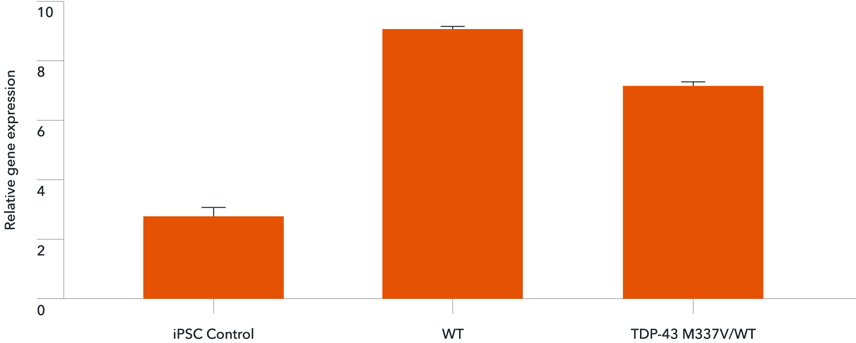
bit.bio TARDBP (TDP-43) gene expression in iPSC-derived glutamatergic neuron ALS/FTD disease model

Disease-related TARDBP is expressed in ioGlutamatergic Neurons TDP‑43 M337V/WT following deterministic programming

Gene expression analysis demonstrates that ioGlutamatergic Neurons TDP‑43 M337V/WT and the wild-type, genetically matched control (WT) express the TARDBP gene encoding TDP‑43. Gene expression levels were assessed by RT-qPCR (data normalised to HMBS; cDNA samples of the parental human iPSC line (hiPSC Control) were included as reference). Data represents day 11 post-revival samples, n=2 replicates.

bit.bio Glutamatergic Neurons TDP-43 M337V phenotype of reduced neuronal activity shown using MEA (Axion)

Differences in neuronal activity between disease models and control cells by MEA analysis indicates the potential of the panel as a relevant translational in vitro drug discovery model for ALS and FTD

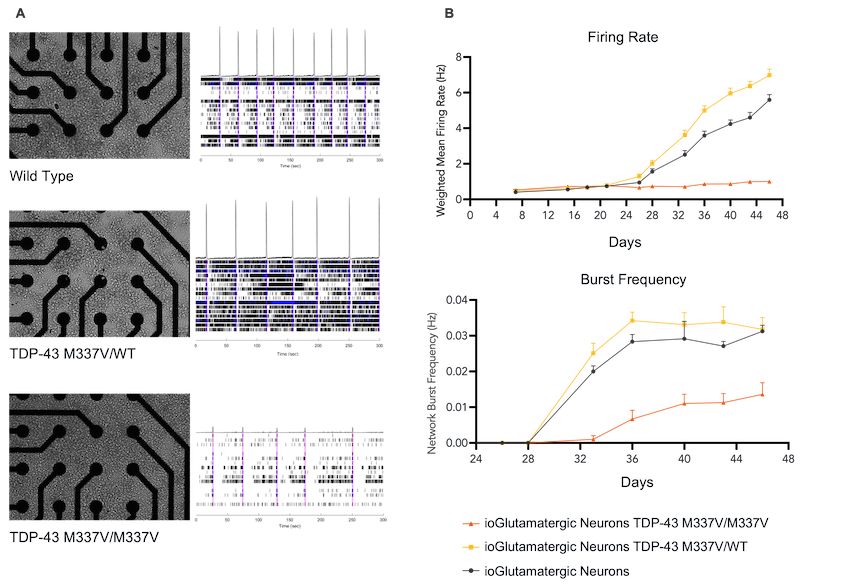
Reduced neuronal activity was measured in ioGlutamatergic Neurons TDP-43 M337V/M337V compared to ioGlutamatergic Neurons TDP-43 M337V/WT and the genetically matched control, ioGlutamatergic Neurons.

Microelectrode array (MEA) chips were spotted with 100K (~900K cells/cm2) ioGlutamatergic Neurons (WT), TDP-43 M337V/WT, or TDP-43 M337V/M337V, along with 20K (~180K cells/cm2) human iPSC-derived astrocytes. From DIV6, neurobasal medium was switched to BrainPhys medium by performing a half-medium change every 48 hrs.

Brightfield at 26 DIV (A, left),  cells show good coverage of electrodes and produce clear burst and network burst activity as seen in the raster plot of activity (A, right). In the raster plot, each dash indicates a firing event, blue indicates a single electrode burst and the pink box indicates a network burst event.

Quantification of raster plots over the course of culture shows that ioGlutamatergic Neurons TDP-43 M337V/M337V have a lower weighted mean firing rate, and network burst frequency than WT and ioGlutamatergic Neurons TDP-43 M337V/WT (B). No clear difference is noted between WT and TDP-43 M337V/WT. Error bars indicate SEM, n=14 technical repeats.

Data courtesy of Charles River Laboratories.

Identification-splice-variants-ioGlutamatergic-Neurons-and-ioMotor-Neurons

Identification of splice variants in ioGlutamatergic Neurons and ioMotor Neurons carrying the TDP-43 M337V mutation

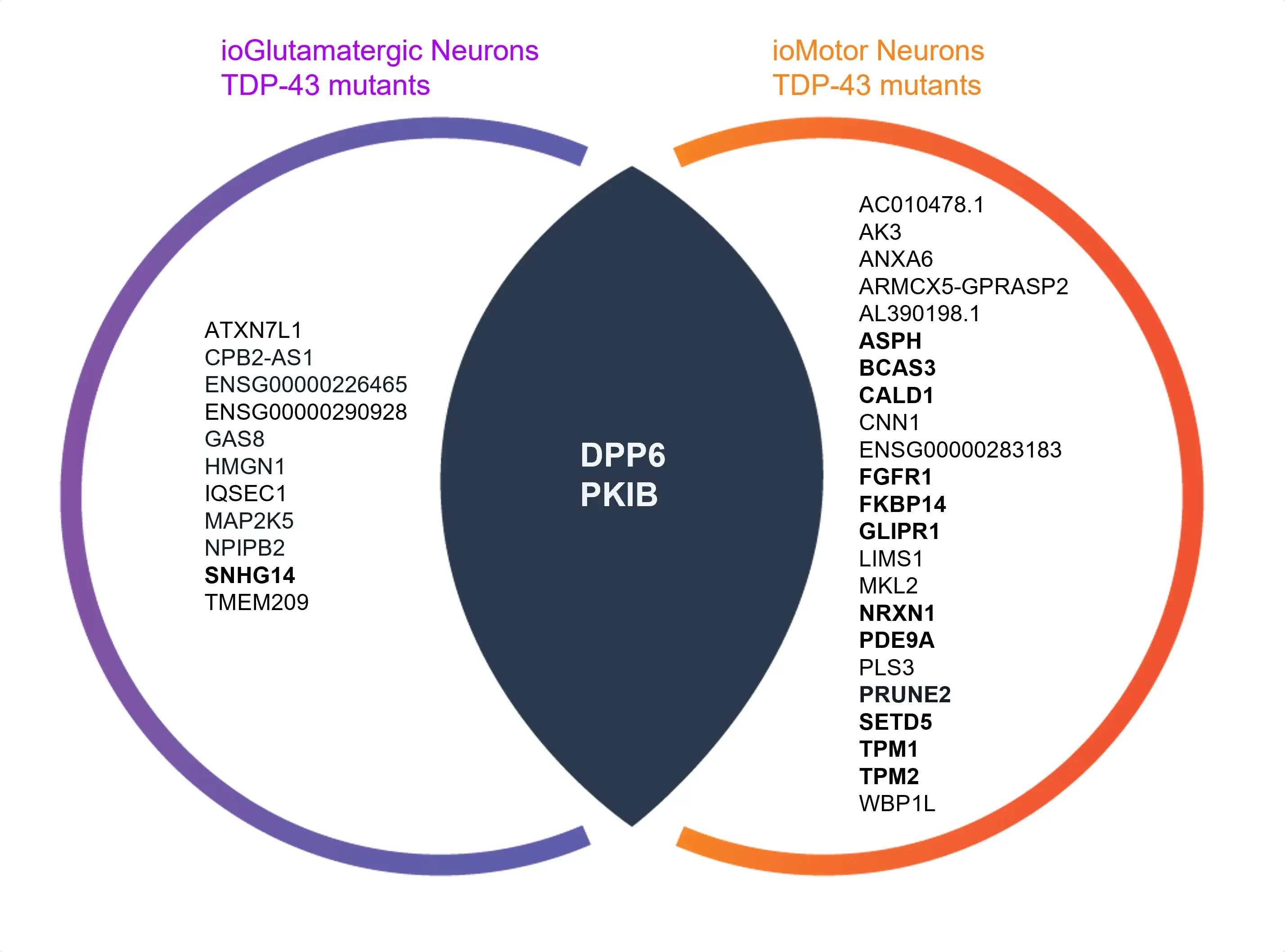
To discover neuronal sub-type-specific TDP-43 transcript targets, we used bulk RNA-sequencing to identify alternatively spliced transcripts in ioMotor Neurons and ioGlutamatergic Neurons carrying a heterozygous or homozygous TDP-43 M337V mutation versus wild-type controls. Wild-type and mutant cells were cultured for 30 days in triplicates. RNA samples were collected at day 11, 21 and 30.

Venn diagram comparing the alternatively spliced transcripts at days 21 and 30 that are unique to and shared between ioMotor Neurons and ioGlutamatergic Neurons TDP-43 M337V het and hom genotypes, compared to their respective wild-type controls. Several targets were validated by RT-qPCR analysis, including DPP6, PKIB and PRUNE2. The genes highlighted in bold have previously been associated with FTD/ALS or have been found to be differentially spliced in samples from ALS patients.

View the scientific poster presented at Society of Neuroscience 2025

DPP6-splice-events-wild-type-and-TDP-43-mutant-ioGlutamatergic-Neurons

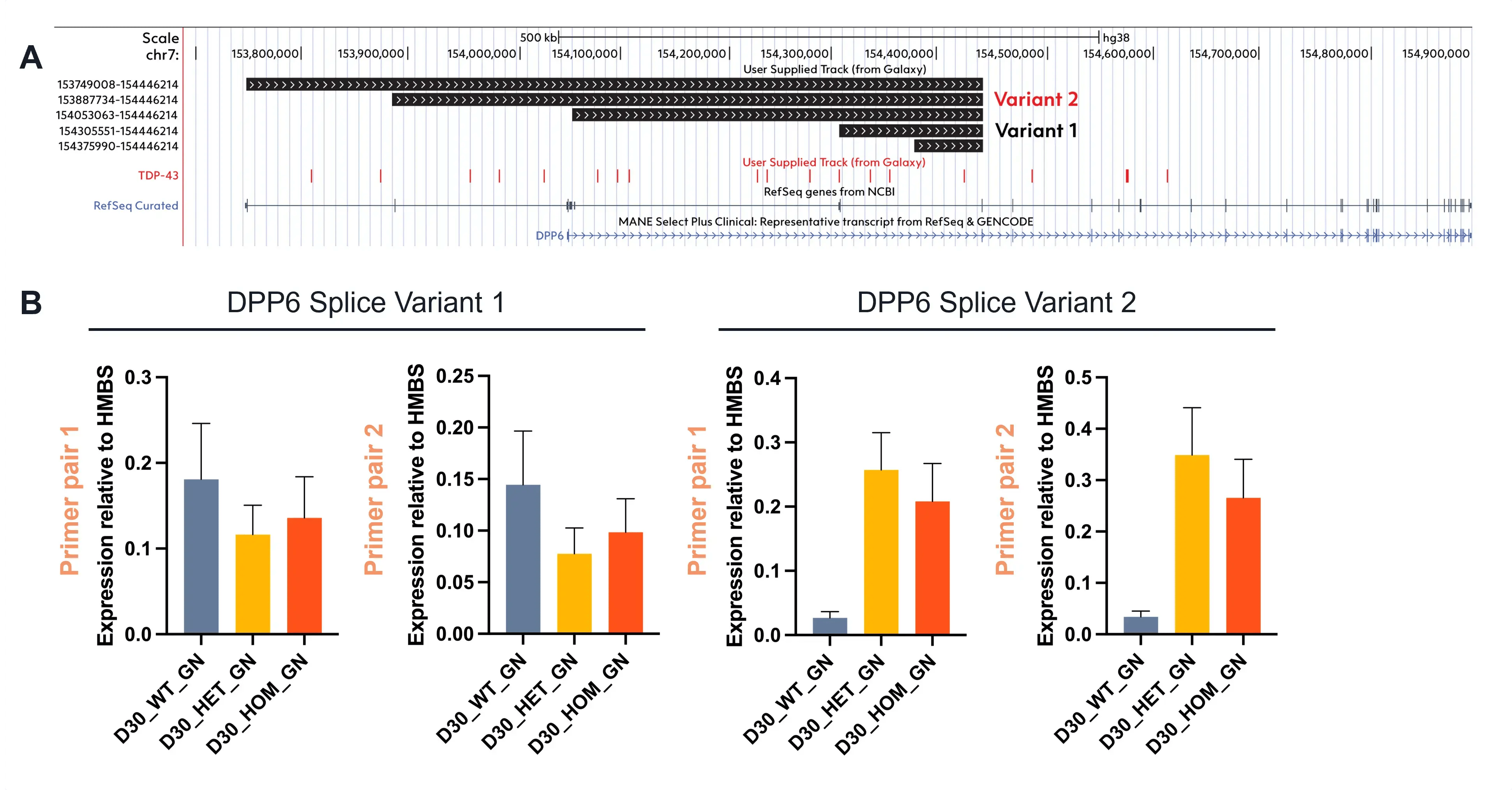
Schematic representation of the DPP6 splice events occurring in wild-type and TDP-43 mutant ioGlutamatergic Neurons and validation by RT-qPCR

A. UCSC genome browser representation of the human DPP6 locus showing the different splice events (black rectangles) in ioGlutamatergic Neurons. Bulk RNA-seq data showed that splice variant 2 is detected more frequently in day 30 ioGlutamatergic Neurons TDP-43 M337V/M337V mutants while splice variant 1 is more abundant in wild-type control neurons. The curated RefSeq annotations of DPP6 are indicated by the blue lines. The TDP-43 track (red) shows an iCLIP data set (Halleger et al., 2021) intersecting TDP-43 binding sites with the DPP6 transcripts.

B. Graphs showing RT-qPCR analysis of day 30 (D30) ioGlutamatergic Neurons (GN) wild type (WT), TDP-43 M337V/WT (HET) and TDP-43 M337V/M337V (HOM) samples indicated respectively in grey, yellow and orange.

Alternatively spliced genes discovered by bulk RNA-seq in the TDP-43 mutant ioGlutamatergic Neurons and ioMotor Neurons were confirmed by RT-qPCR assays.

View the scientific poster presented at Society of Neuroscience 2025

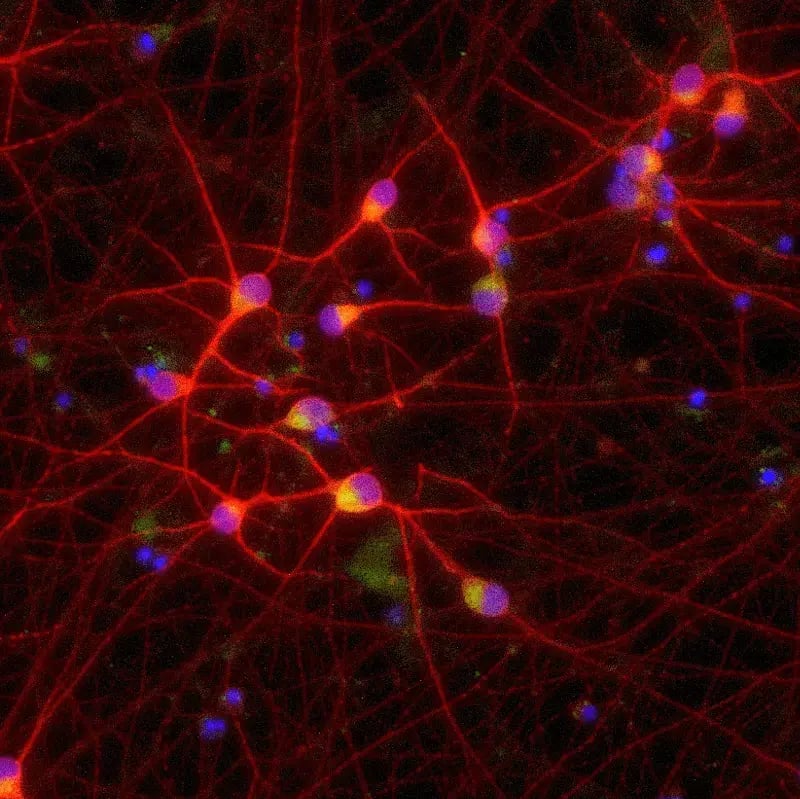
Phenotypic analysis of a tri-culture for CNS modelling using ioGlutamatergic Neurons, ioAstrocytes, and ioMicroglia

Phenotypic characterisation of a human iPSC-derived tri-culture using ioGlutamatergic Neurons, ioAstrocytes, and ioMicroglia

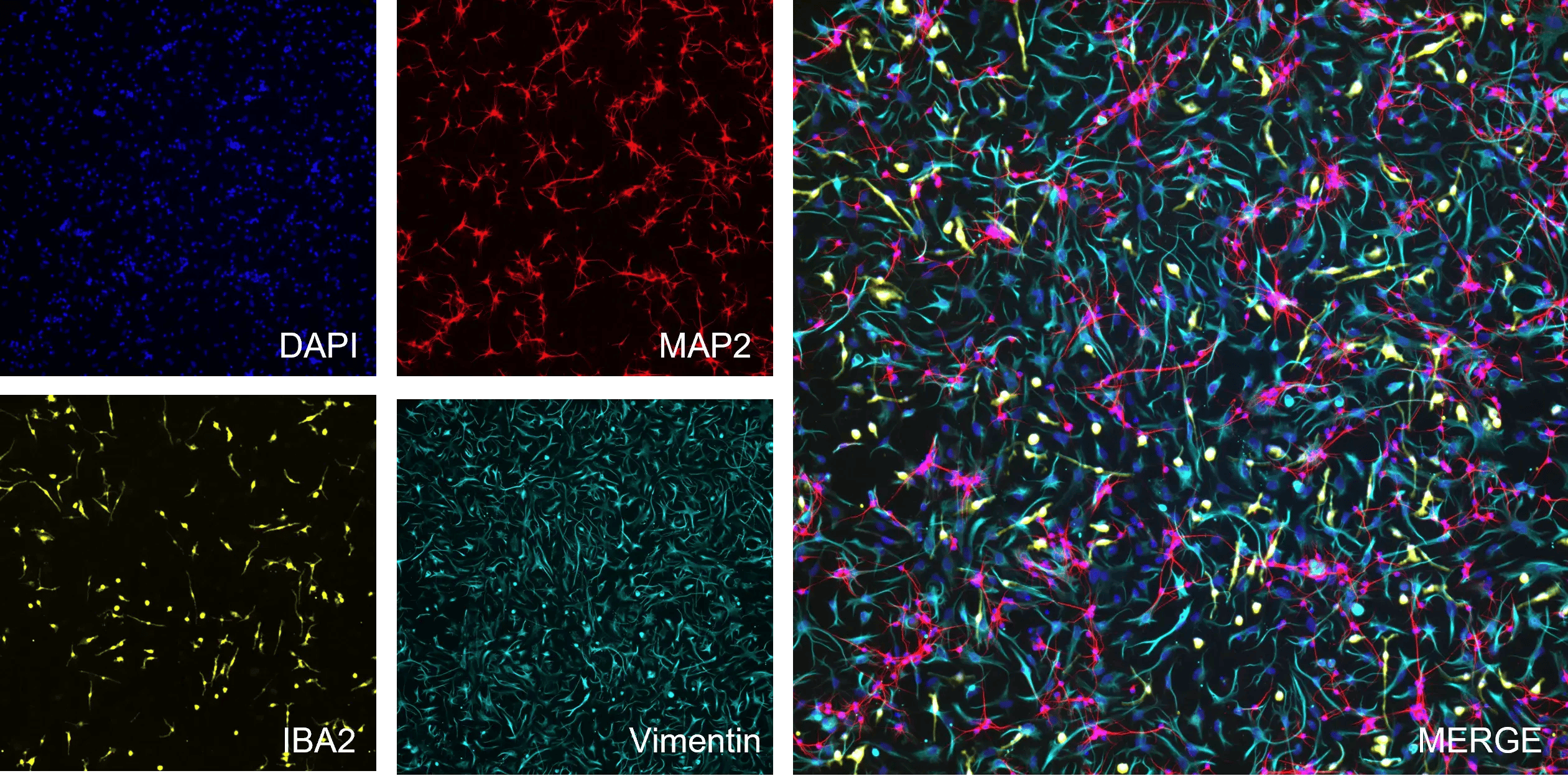
Using our fully optimised protocol, ioGlutamatergic Neurons (MAP2, red), ioMicroglia (IBA1, yellow) and ioAstrocytes (vimentin, cyan) were co-cultured to create a highly defined CNS model. High-resolution ICC analysis confirms the successful co-localisation and morphological health of three distinct cell types within a unified environment. By day 7, the protocol yields a highly consistent, integrated network suitable for complex cell modelling. DAPI (blue) highlights the total cell density and integrity of the culture. This protocol is compatible with derivative products of the three cell types, ensuring straightforward implementation across experimental workflows.

Download the optimised tri-culture protocol

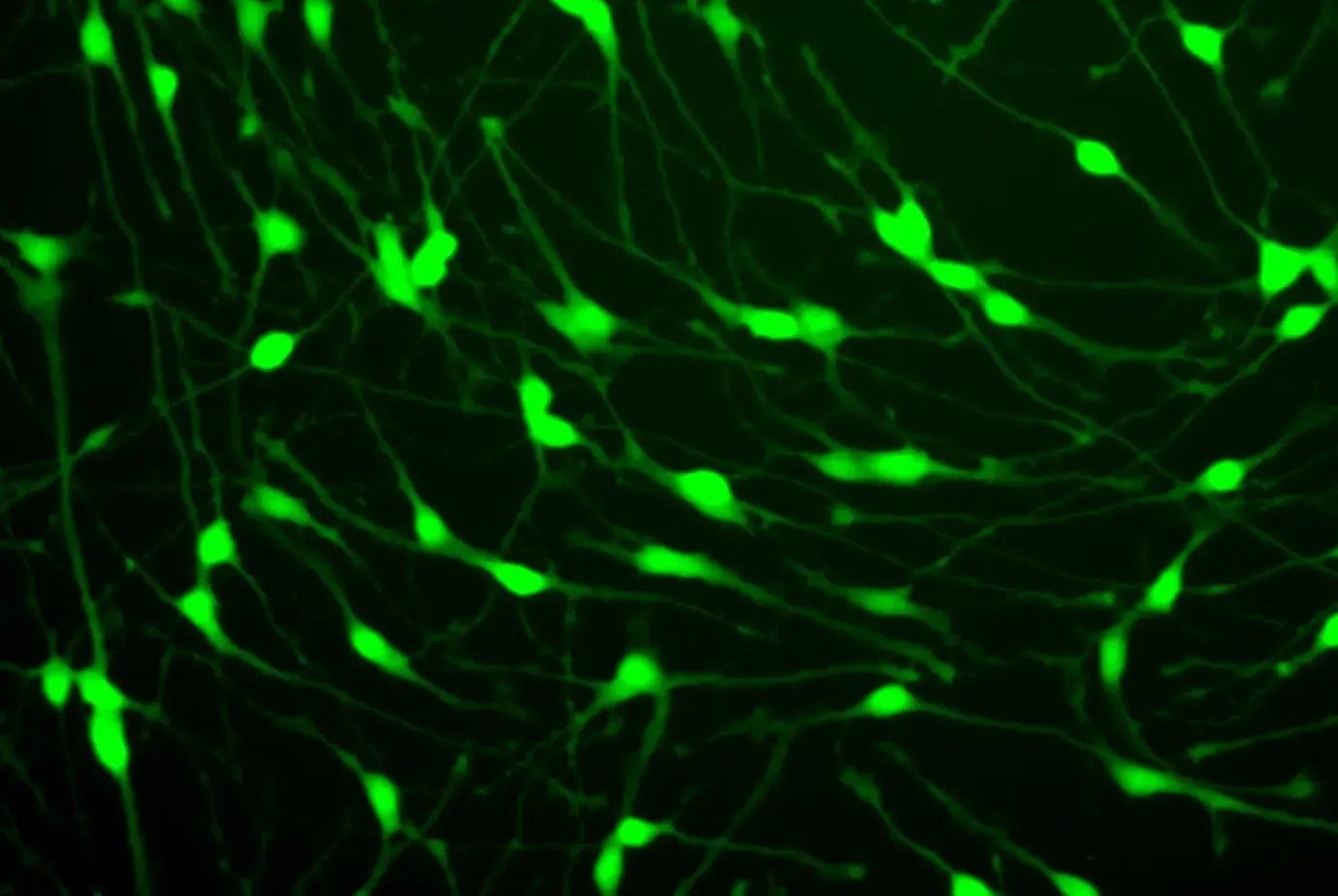
mRNA transfection of human iPSC-derived neurons with GFP.

Efficient mRNA transfection into ioGlutamatergic Neurons

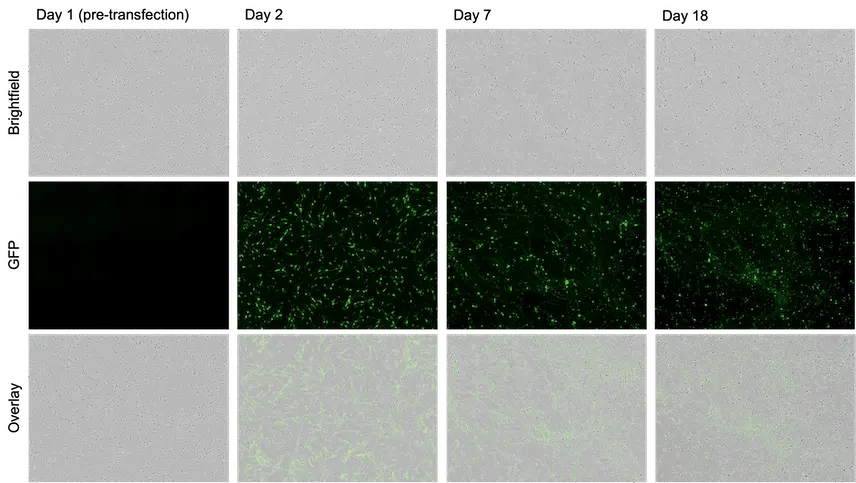
ioGlutamatergic Neurons are efficiently transfected and show sustained long-term expression of mRNA encoding GFP. ioGlutamatergic Neurons were imaged from day 1 post-thaw and throughout the experiment to assess transfection efficiency and evaluate potential cytotoxic effects of the transfection protocol. Day 1 images were captured prior to transfection on the same day.

Download the step-by-step protocol for lipid-based delivery of synthetic mRNA into ioGlutamatergic Neurons.

bitbio-lipid-delivery-glutamatergic-neurons-GFP-quantification

Lipid-based delivery of synthetic mRNA into ioGlutamatergic Neurons

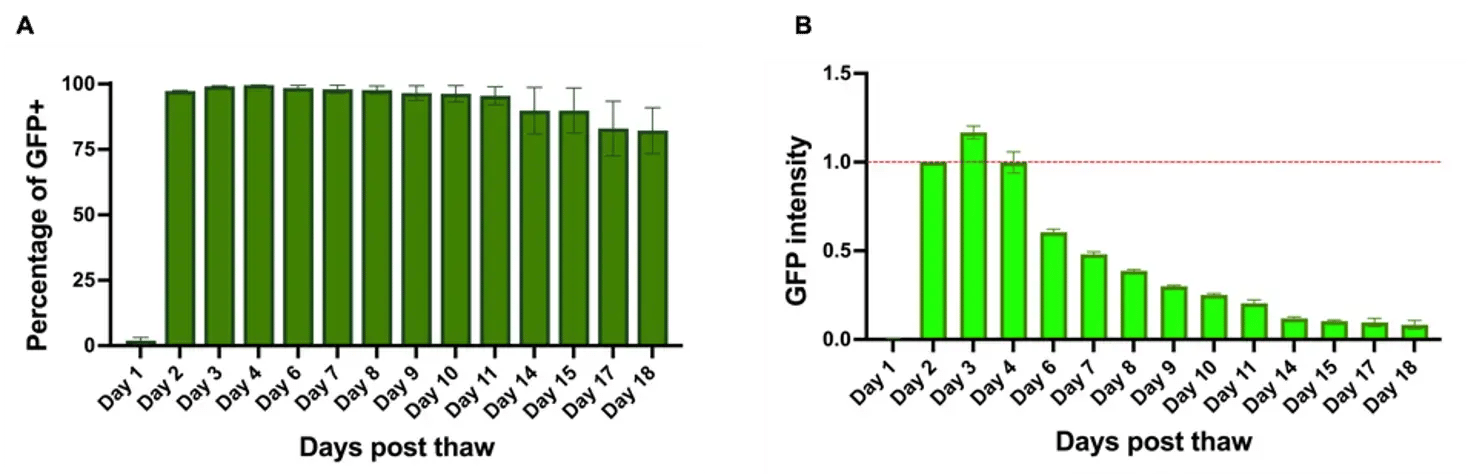
ioGlutamatergic Neurons were transfected 24 hours post-thaw using Lipofectamine™ Stem Transfection Reagent. The transfection efficiency was evaluated by fluorescence imaging over 18 days after mRNA delivery, resulting in high transfection efficiency (close to 100%) and long-term sustained GFP expression.

Quantification of the GFP signal shows a decrease in GFP intensity over time, while the percentage of GFP-positive cells remains largely unchanged over time.

(A) The percentage of GFP-positive cells from two independent experiments.

(B) GFP intensity, quantified in successfully transfected cells from two independent experiments is quantified and normalised to day 2 (24 hours post-transfection).

Explore the full dataset and complete protocol for lipid-based delivery of synthetic mRNA in 96-well plates

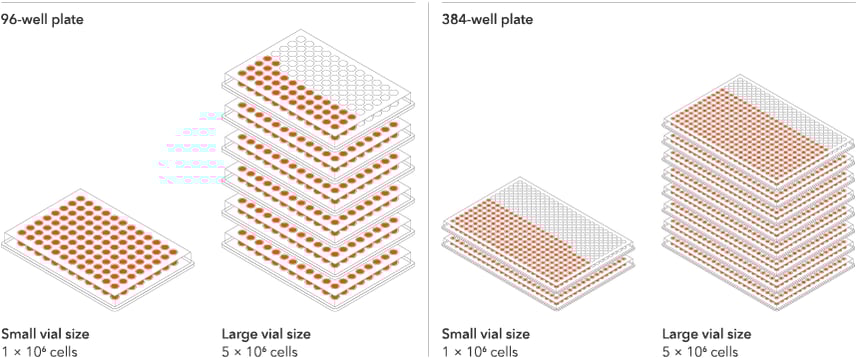
bit.bio Glutamatergic Neurons and disease models have a low minimum seeding density

Do more with every vial

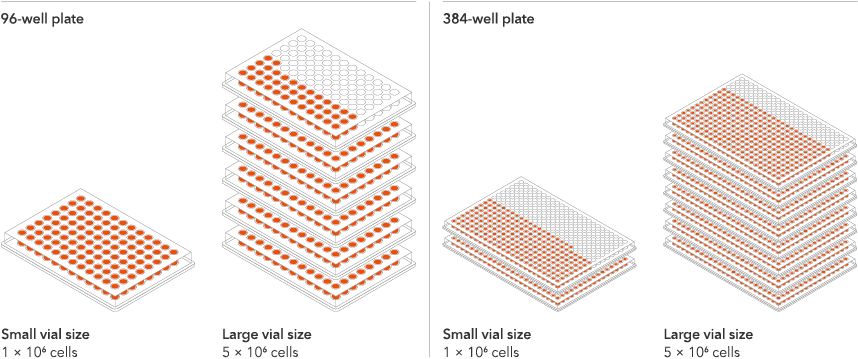
The recommended minimum seeding density is 30,000 cells/cm2, compared to up to 250,000 cells/cm2 for other similar products on the market. One small vial can plate a minimum of 0.7 x 24-well plate, 1 x 96-well plate, or 1.5 x 384-well plates. One large vial can plate a minimum of 3.6 x 24-well plates, 5.4 x 96-well plates, or 7.75 x 384-well plates. This means every vial goes further, enabling more experimental conditions and more repeats, resulting in more confidence in the data.

Vial limit exceeded

A maximum number of 20 vials applies. If you would like to order more than 20 vials, please contact us at orders@bit.bio.


Human iPSC-derived ALS and FTD disease model

A rapidly maturing, consistent and scalable system to study amyotrophic lateral sclerosis (ALS) and frontotemporal dementia (FTD).

ioGlutamatergic Neurons TDP‑43 M337V/M337V are opti‑ox deterministically programmed excitatory neurons carrying a genetically engineered homozygous M337V mutation in the TARDBP gene, which encodes TAR DNA binding protein 43 (TDP‑43). TDP-43 is a nucleic acid-binding protein involved in gene regulation and RNA processing. Mutations in TARDBP can cause aggregation and nuclear depletion, leading to pathogenic alternative mRNA splicing.

Bulk RNA-sequencing analysis of the disease model cells reveals alternatively spliced transcripts compared to the wild-type, genetically matched control, which were confirmed by RT-qPCR. Overall, our data suggests that the mutant cells can be used to model aspects of ALS and FTD.

Related disease model cells are available with a homozygous TDP‑43 M337V mutation, and both can be used alongside their genetically matched (isogenic) control, ioGlutamatergic Neurons.

Benchtop benefits

bit.bio Compare ALS/FTD disease model cells with their wild-type genetically matched control

Make True Comparisons

Pair the ioDisease Model Cells with the genetically matched wild-type ioGlutamatergic Neurons to investigate the impact of mutant TDP‑43 protein on disease progression.

bit.bio opti-ox technology enables manufacturing at scale

Scalable

Industrial scale quantities are available with industry-leading seeding densities, and at a price point that allows the cells to be used from research to high throughput screening.

bit.bio iPSC-derived excitatory neurons are quick to mature and easy to use

Quick

The disease model cells and genetically matched control are experiment ready as early as 2 days post revival, and form structural neuronal networks at 11 days.

Cells arrive ready to plate


ioGlutamatergic_Neurons_and_disease_models_timeline

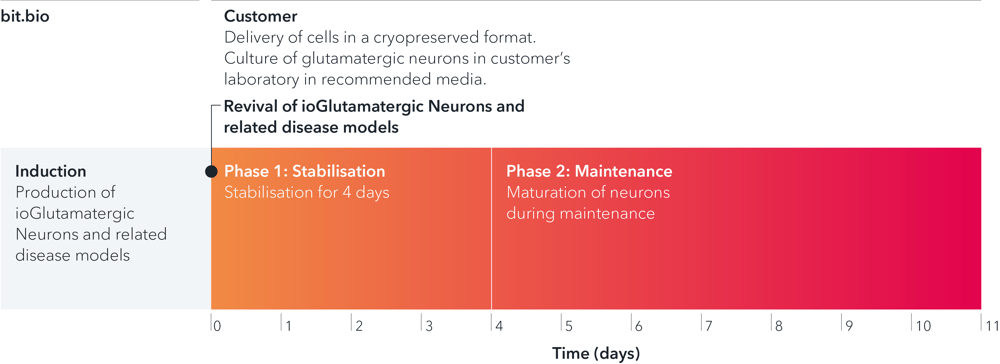
ioGlutamatergic Neurons TDP‑43 M337V/WT are delivered in a cryopreserved format and are programmed to mature rapidly upon revival in the recommended media. The protocol for the generation of these cells is a two-phase process: Phase 1, Stabilisation for 4 days; Phase 2, Maintenance, during which the neurons mature. Phases 1 and 2 after revival of cells are carried out by the customer.

Product specifications

Starting material

Human iPSC line

Karyotype

Normal (46, XY)

Seeding compatibility

6, 12, 24, 48, 96 & 384 well plates

Shipping info

Dry ice

Donor

Caucasian adult male, age 55-60 years old (skin fibroblast),
Genotype APOE 3/4

Vial size

Small: >1 x 10 viable cells, Large: >5 x 10 viable cells

Quality control

Sterility, protein expression (ICC), gene expression (RT-qPCR) and genotype validation (Sanger sequencing)

Product use

These cells are for research use only

Differentiation method

opti-ox deterministic cell programming

Recommended seeding density

30,000 cells/cm2

User storage

LN2 or -150°C

Format

Cryopreserved cells

Applications

FTD and ALS research
Drug discovery and development
Disease modelling
High-throughput screening
Electrophysiological assays (MEA)
Co-culture studies

Genetic modification

Heterozygous M337V missense mutation in the TARDBP gene


Scale your study with volume pricing

Enabling scientists to use human cells in their research, running additional experiments without rationing cells or limiting experimental scale


Order quantity Total vials received Pricing tier 
1 - 9 packs 3 - 27 vials Standard price
10 - 33 packs 30 - 99 vials Automatic 10% discount
> 34 packs > 100 vials > Contact us for a quote


Academic pricing: Academic users can purchase any ioCells in 3-vial packs ($/€/£ 999 per pack), available year-round with any cell type combination.
Technical data

Highly characterised and defined

ioGlutamatergic Neurons TDP‑43 M337V/WT express neuron-specific markers comparably to the wild type control

bit.bio Glutamatergic Neurons TDP-43 M337V het ICC staining of neuronal markers

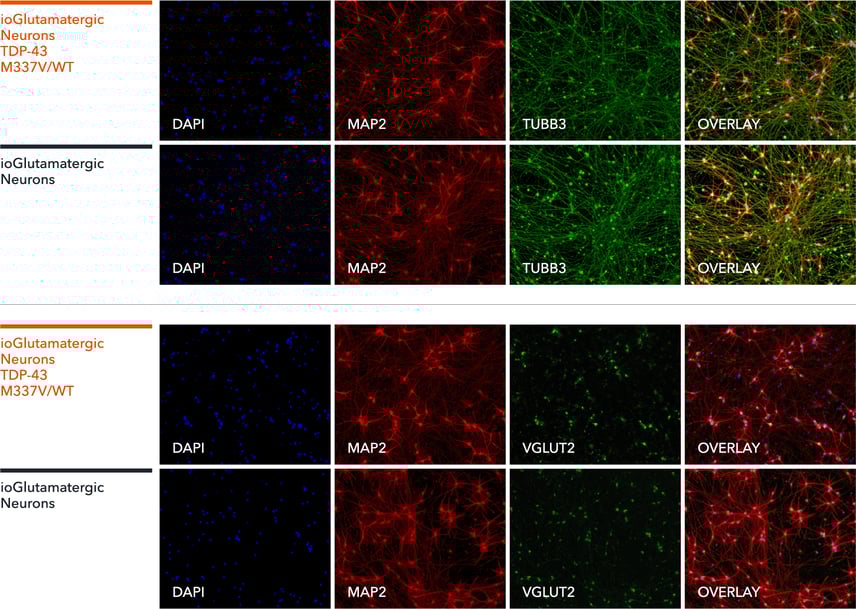
Immunofluorescent staining on day 11 post-revival demonstrates similar homogenous expression of pan-neuronal proteins MAP2 and TUBB3 (upper panel) and glutamatergic neuron-specific transporter VGLUT2 (lower panel) in ioGlutamatergic Neurons TDP‑43 M337V/WT compared to the genetically matched control. 100X magnification.

ioGlutamatergic Neurons TDP‑43 M337V/WT form structural neuronal networks by day 11

bit.bio Glutamatergic neuronal morphology of ALS/FTD disease model cells

ioGlutamatergic Neurons TDP‑43 M337V/WT mature rapidly, show glutamatergic neuron morphology and form structural neuronal networks over 11 days when compared to the genetically matched control. Day 1 to 11 post-thawing; 100X magnification.

ioGlutamatergic Neurons TDP‑43 M337V/WT demonstrate gene expression of neuronal-specific and glutamatergic-specific markers following deterministic programming

bit.bio Gene expression of glutamatergic markers by RT-qPCR in ALS/FTD disease model cells

Gene expression analysis demonstrates that ioGlutamatergic Neurons TDP‑43 M337V/WT and the wild-type, genetically matched control (WT) lack the expression of pluripotency makers (NANOG and OCT4), at day 11, while robustly expressing pan-neuronal (TUBB3 and SYP) and glutamatergic-specific (VGLUT1 and VGLUT2) markers, and the glutamate receptor GRIA4. Gene expression levels were assessed by RT-qPCR (data normalised to HMBS; cDNA samples of the parental human iPSC line (hiPSC Control) were included as reference). Data represents day 11 post-revival samples, n=2 replicates.

View the step-by-step RNA extraction and RT-qPCR protocol used to generate this data

Disease-related TARDBP is expressed in ioGlutamatergic Neurons TDP‑43 M337V/WT following deterministic programming

bit.bio TARDBP (TDP-43) gene expression in iPSC-derived glutamatergic neuron ALS/FTD disease model

Gene expression analysis demonstrates that ioGlutamatergic Neurons TDP‑43 M337V/WT and the wild-type, genetically matched control (WT) express the TARDBP gene encoding TDP‑43. Gene expression levels were assessed by RT-qPCR (data normalised to HMBS; cDNA samples of the parental human iPSC line (hiPSC Control) were included as reference). Data represents day 11 post-revival samples, n=2 replicates.

Industry leading seeding density

Do more with every vial

bit.bio Glutamatergic Neurons and disease models have a low minimum seeding density

The recommended minimum seeding density is 30,000 cells/cm2, compared to up to 250,000 cells/cm2 for other similar products on the market. One small vial can plate a minimum of 0.7 x 24-well plate, 1 x 96-well plate, or 1.5 x 384-well plates. One large vial can plate a minimum of 3.6 x 24-well plates, 5.4 x 96-well plates, or 7.75 x 384-well plates. This means every vial goes further, enabling more experimental conditions and more repeats, resulting in more confidence in the data.

Technical data

Measuring neuronal activity by MEA

Differences in neuronal activity between disease models and control cells by MEA analysis indicates the potential of the panel as a relevant translational in vitro drug discovery model for ALS and FTD

bit.bio-Glutamatergic-Neurons-TDP-43-M337V-phenotype-MEA-Axion

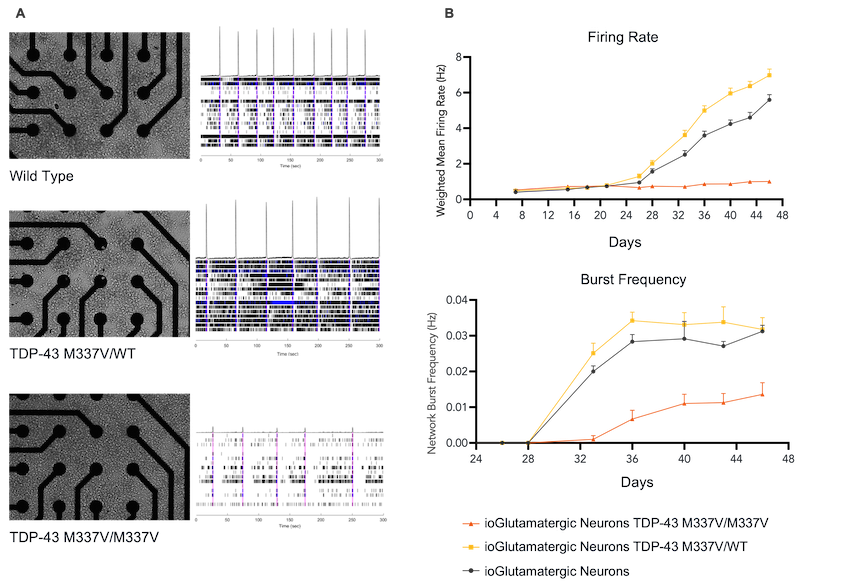
Reduced neuronal activity was measured in ioGlutamatergic Neurons TDP-43 M337V/M337V compared to ioGlutamatergic Neurons TDP-43 M337V/WT and the genetically matched control, ioGlutamatergic Neurons.

Microelectrode array (MEA) chips were spotted with 100K (~900K cells/cm2) ioGlutamatergic Neurons (WT), TDP-43 M337V/WT, or TDP-43 M337V/M337V, along with 20K (~180K cells/cm2) human iPSC-derived astrocytes. From DIV6, neurobasal medium was switched to BrainPhys medium by performing a half-medium change every 48 hrs.

Brightfield at 26 DIV (A, left),  cells show good coverage of electrodes and produce clear burst and network burst activity as seen in the raster plot of activity (A, right). In the raster plot, each dash indicates a firing event, blue indicates a single electrode burst and the pink box indicates a network burst event.

Quantification of raster plots over the course of culture shows that ioGlutamatergic Neurons TDP-43 M337V/M337V have a lower weighted mean firing rate, and network burst frequency than WT and ioGlutamatergic Neurons TDP-43 M337V/WT (B). No clear difference is noted between WT and TDP-43 M337V/WT. Error bars indicate SEM, n=14 technical repeats.

Data courtesy of Charles River Laboratories.

Identifying splice variants

Identification of splice variants in ioGlutamatergic Neurons and ioMotor Neurons carrying the TDP-43 M337V mutation 

Identification-splice-variants-ioGlutamatergic-Neurons-and-ioMotor-Neurons

To discover neuronal sub-type-specific TDP-43 transcript targets, we used bulk RNA-sequencing to identify alternatively spliced transcripts in ioMotor Neurons and ioGlutamatergic Neurons carrying a heterozygous or homozygous TDP-43 M337V mutation versus wild-type controls. Wild-type and mutant cells were cultured for 30 days in triplicates. RNA samples were collected at day 11, 21 and 30.

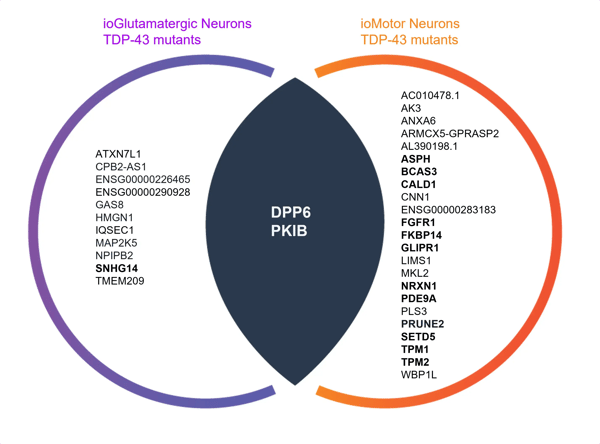
Venn diagram comparing the alternatively spliced transcripts at days 21 and 30 that are unique to and shared between ioMotor Neurons and ioGlutamatergic Neurons TDP-43 M337V het and hom genotypes, compared to their respective wild-type controls. Several targets were validated by RT-qPCR analysis, including DPP6, PKIB and PRUNE2. The genes highlighted in bold have previously been associated with FTD/ALS or have been found to be differentially spliced in samples from ALS patients.

Schematic representation of the DPP6 splice events occurring in wild-type and TDP-43 mutant ioGlutamatergic Neurons and validation by RT-qPCR
DPP6-splice-events-wild-type-and-TDP-43-mutant-ioGlutamatergic-Neurons

A. UCSC genome browser representation of the human DPP6 locus showing the different splice events (black rectangles) in ioGlutamatergic Neurons. Bulk RNA-seq data showed that splice variant 2 is detected more frequently in day 30 ioGlutamatergic Neurons TDP-43 M337V/M337V mutants while splice variant 1 is more abundant in wild-type control neurons. The curated RefSeq annotations of DPP6 are indicated by the blue lines. The TDP-43 track (red) shows an iCLIP data set (Halleger et al., 2021) intersecting TDP-43 binding sites with the DPP6 transcripts.

B. Graphs showing RT-qPCR analysis of day 30 (D30) ioGlutamatergic Neurons (GN) wild type (WT), TDP-43 M337V/WT (HET) and TDP-43 M337V/M337V (HOM) samples indicated respectively in grey, yellow and orange.

Alternatively spliced genes discovered by bulk RNA-seq in the TDP-43 mutant ioGlutamatergic Neurons and ioMotor Neurons were confirmed by RT-qPCR assays.

How to culture ioGlutamatergic Neurons


In this video, our scientist will take you through the step-by-step process of how to thaw, seed and culture ioGlutamatergic Neurons.

How to prepare tissue culture vessels with PDL-Geltrex for culture

Dr Kaiser Karim will take you through the step-by-step process of coating your culture plate with PDL-Geltrex before the revival of ioGlutamatergic Neurons.

Since recording this video Geltrex has been replaced by Geltrex Flex; refer to the user manual for full details. 

Frequently Asked Questions (FAQs)


  • Why is the point mutation M337V in the TDP-43 gene relevant for disease modelling?

Transactivation DNA-binding protein 43 (TDP-43) is a highly conserved nuclear RNA/DNA-binding protein involved in the regulation of RNA processing. Approximately 95% of ALS patients develop aggregates containing the TDP-43 protein and in rare genetic forms of ALS, this can be caused by mutations such as M337V.


  • Is there a genetically-matched wild-type control that can be used alongside the TDP-43 disease model in human iPSC-derived glutamatergic neurons?

bit.bio offers the TDP-43 M337V heterozygous and homozygous mutation as well as a genetically-matched wild-type control, which provide a physiologically-relevant model to investigate the impact of TDP-43 M337V mutation on the cellular and molecular mechanisms and function in ALS and FTD.


  • Can ioGlutamatergic Neurons TDP-43 M337V/WT be used to model ALS and FTD?

This poster demonstrates that TDP-43 M337V/WT Disease Model ioGlutamatergic Neurons display alternatively spliced genes relative to their genetically-matched wild-type control. These alternatively spliced genes have been previously implicated in ALS and FTD, indicating that bit.bio iPSC-derived cell models provide a platform to study ALS and FTD.

Product resources

Phenotypic characterisation of iPSC-derived ALS disease models by high-throughput MEA Application note
Phenotypic characterisation of iPSC-derived ALS disease models by high-throughput MEA
bit.bio | Axion BioSystems | Charles River Laboratories
Download
Characterising disease relevant signatures in iPSC-derived motor neurons to test the therapeutic potential of homeoprotein EN1 Talk
Characterising disease relevant signatures in iPSC-derived motor neurons to test the therapeutic potential of homeoprotein EN1

Dr Elizabeth Di Lullo | Associate Scientific Director | BrainEver

Human Cell Forum 2025
Session 1 Track 1 | Modelling neurodegeneration in vitro with human iPSC-derived cells

Watch now
Partnering with Charles River to advance CNS drug discovery with ioGlutamatergic Neurons Video
Partnering with Charles River to advance CNS drug discovery with ioGlutamatergic Neurons

Dr Marijn Vlaming | Head of Biology, et al.

Charles River & bit.bio

Watch
Preparing Culture Vessels for Glutamatergic Neurons | How-to Video Video tutorial
How to prepare tissue culture vessels with PDL-Geltrex for ioGlutamatergic Neuron culture

Dr Kaiser Karim | Scientist
bit.bio

Watch now
How to culture ioGlutamatergic Neurons Video tutorial
How to culture ioGlutamatergic Neurons

Prachi Bhagwatwar​​​​ | ​Research Assistant | bit.bio

Watch now
Modelling human neurodegenerative diseases in research & drug discovery | bit.bio Webinar
Modelling human neurodegenerative diseases in research & drug discovery

Dr Mariangela Iovino | Group Leader | Charles River

Dr Tony Oosterveen | Senior Scientist | bit.bio

Watch now

Cell culture hacks | human iPSC-derived glutamatergic neurons 

Read this blog on glutamatergic neuron cell culture for our top tips on careful handling, cell plating and media changes to achieve success from the outset.

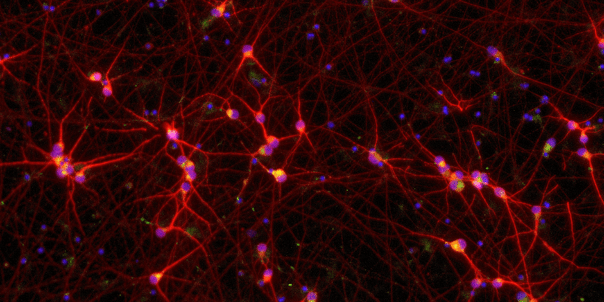
bit.bio_3x2_ioGlutamatergic Neurons_MAP2_Hoescht_x20_hi.res (1)

Wild type and isogenic disease model cells: a true comparison.

Further your disease research by pairing our wild type Cells with isogenic disease models.

bitbio-vials-Wild_and_Disease-staggered-2500px_wide