3D neuroinflammation models using human iPSC-derived CNS cells to advance drug discovery
Webinar

3D neuroinflammation models using human iPSC-derived CNS cells to advance drug discovery

In this webinar, our expert speakers explore how human iPSC-derived microglia are used to study neuroinflammation across 2D and 3D CNS model systems. Starting with functional and molecular characterisation in 2D, they then show how these models are translated into bioprinted 3D environments, including tri-culture systems, and how imaging and functional assays can be applied to investigate neuroinflammatory responses in more complex settings.
3D neuroinflammation models using human iPSC-derived CNS cells to advance drug discovery
Emma Jones, PhD

Lead Scientist Neurobiology 

Medicines Discovery Catapult

3D neuroinflammation models using human iPSC-derived CNS cells to advance drug discovery

Matthieu Spriet, PhD

Technical Sales Specialist 

Inventia Life Science

3D neuroinflammation models using human iPSC-derived CNS cells to advance drug discovery
In this webinar, our expert speakers explore how human iPSC-derived microglia are used to study neuroinflammation across 2D and 3D CNS model systems. Starting with functional and molecular characterisation in 2D, they then show how these models are translated into bioprinted 3D environments, including tri-culture systems, and how imaging and functional assays can be applied to investigate neuroinflammatory responses in more complex settings.
3D neuroinflammation models using human iPSC-derived CNS cells to advance drug discovery

Emma Jones, PhD

Lead Scientist Neurobiology 

Medicines Discovery Catapult

3D neuroinflammation models using human iPSC-derived CNS cells to advance drug discovery

Matthieu Spriet, PhD

Technical Sales Specialist 

Inventia Life Science

This webinar showcases human iPSC-derived CNS models used to study neuroinflammation across 2D and 3D systems.

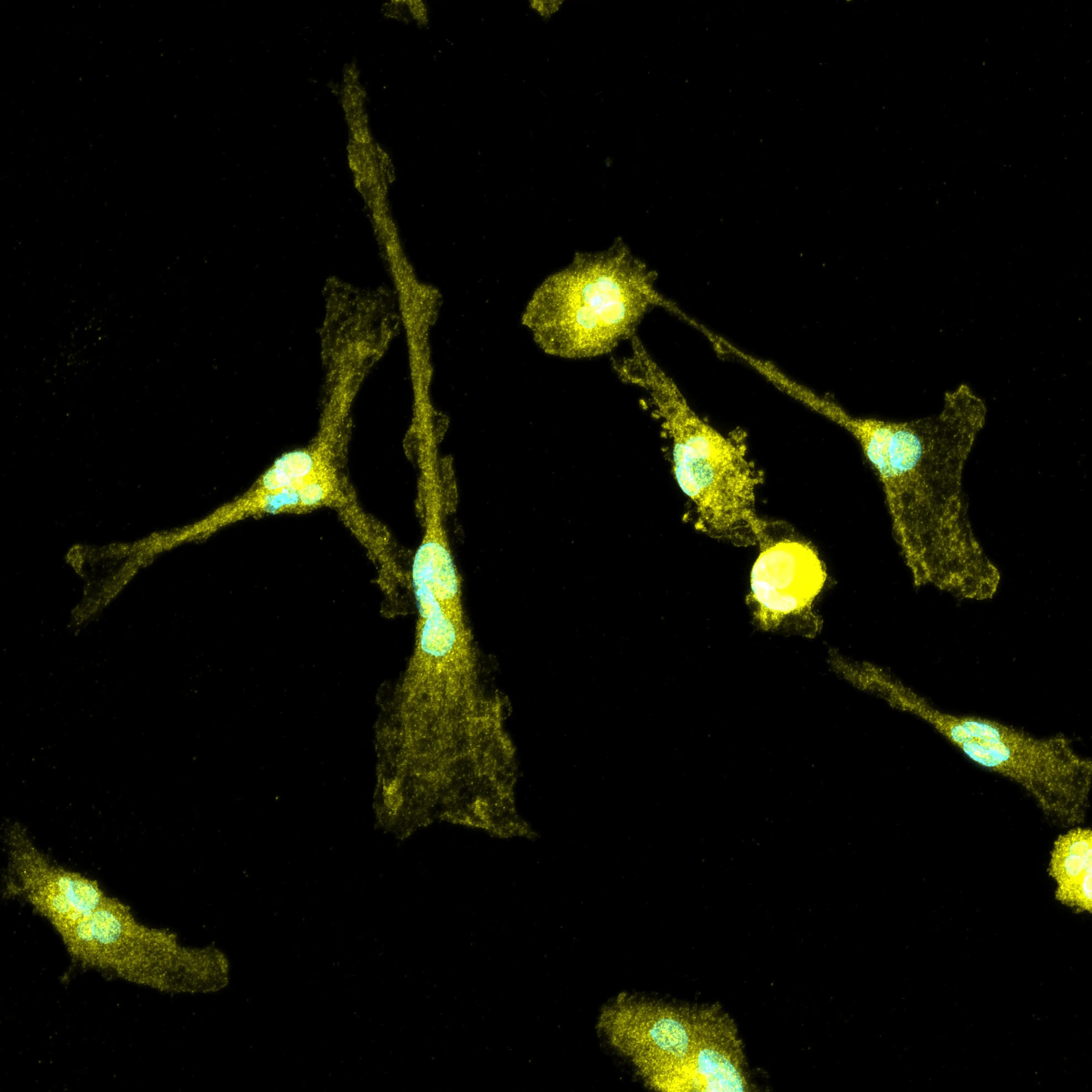
The session opens with 2D microglia models developed at Medicines Discovery Catapult (MDC), characterised by functional assays, morphological analysis, and single-cell RNA sequencing. MDC then introduces a 3D CNS model created using Inventia Life Science’s RASTRUM™ bioprinter, illustrating how the cell model develops over time.

The presenters demonstrate how microglia are integrated into tri-culture systems and discuss the translation of imaging approaches when moving from 2D to 3D cultures. Key data include functional readouts of mitochondrial activity and cytokine responses following inflammatory stimulation.

The webinar concludes with a live Q&A on applying 3D human CNS models to drug discovery workflows.

Key learnings

  • How 2D human microglia models are characterised using functional readouts, imaging and single-cell analysis
  • What changes when transitioning from 2D to 3D CNS models
  • How microglia integrate into 3D tri-culture systems
  • How functional assays (mitochondrial activity, cytokine release) can be applied in 3D model systems
  • What 3D human CNS systems can reveal about neuroinflammatory responses

Related pages

Products Learn about our range of human iPSC-derived cells for research and drug discovery
Our platform Discover the cell coding platform behind our cells
Contact us Talk to us to learn more about our team and products