
9.00 | Registration and refreshments

Welcome to The Human Cell Forum 2026! 

Collect your registration badge, goodie bag and settle into the day with a tea or coffee.


10.00 | Welcome

Przemek Obloj, CEO, bit.bio


10.10 | Opening address

Lord David Prior, Chairman, bit.bio and Deputy Chairman UK and Global Senior Advisor, Lazard 


Session 1

FRANCIS CRICK AUDITORIUM

Moderated by Emma Pepperell, PhD, VP Commercial, bit.bio

10.25 | Accelerating the development and translation of new approach methodologies through the Queen Mary Centre for Predictive In Vitro Models

Professor John Connelly
Professor of Bioengineering
Queen Mary University of London

New approach methodologies (NAMs), including advanced in vitro and in silico models, provide an alternative to animal experimentation and are transforming the biomedical research and development landscape within the UK. While the aim of NAMs is to better replicate human physiology and predict therapeutic outcomes, there are still major technological, logistical, and regulatory challenges to implementing them into current research and innovation pipelines. Established in 2019, the Queen Mary Centre for Predictive In Vitro Models (CPM), brings together over 100 academic staff and 120 industrial partners with the aim to develop and translate next-generation in vitro models for basic and applied research. The CPM includes state-of-the-art facilities for organ-on-chip technologies and biofabrication, as well as a dedicated centre for doctoral training and postgraduate taught programmes. This talk will review the CPM’s approach to building the research programme and infrastructure, cultivating productive industrial collaborations, and developing a UK-wide organ-on-chip community. The talk will also highlight specific case studies of NAMs development and application within the CPM, and it will discuss future plans to translate these advanced in vitro models into industry-ready tools.


10.50 | Establishing validity standards for iPSC modelling of neuropsychiatric disorders

Professor Anthony Vernon 
Professor of Neuropsychopharmacology
Fellow of the Higher Education Academy, King’s College London

The molecular complexity, clinical heterogeneity, and limited clinical translation of genetic insights pose significant barriers to unlocking the neurobiology of neurodevelopmental disorders (NDDs). Advances in human induced pluripotent stem cell (hiPSC) technology now offer exciting opportunities to model NDDs since they recapitulate key aspects of brain development and cellular functions. This enables the study of disease mechanisms and therapeutic responses on the relevant human genetic background. Whilst pioneering studies have begun to demonstrate this potential of hiPSC models, translating these findings to clinical applications at scale requires robust validity assessments that are not well established. In this talk, I briefly propose that one route to address this issue is by building on established frameworks of construct, face, and predictive validity and how these may be applied within an iPSC context. In parallel, I will touch on the importance of efforts aimed at increased standardisation of hiPSC protocols to produce brain cell types, which do not detract from the biological heterogeneity we seek to capture.


11.05 | Cell identity and regulatory architecture: linking 3D genome organisation, multiomics and engineered human cells

Dan Turner, PhD 
Chief Technology Officer 
Enhanced Genomics

In this presentation I will explore how cell identity can be understood through the interplay of 3D genome organisation, multiomic state and regulatory architecture. Integrating transcriptional, epigenetic and spatial genomic information from cell-type-specific datasets provides a rich framework for interpreting cellular state and function. In particular, the talk will highlight how enhancer-promoter interactions, chromatin accessibility and higher-order genome organisation contribute to the establishment and maintenance of cell-type-specific regulation, and how these structures help to explain the context-dependent effects of non-coding disease variants. I will then discuss how 3D multiomic approaches relate to engineered human cell systems, such as iPSC-derived models, organoids and programmable cellular platforms. Integrated multiomic and 3D genomic approaches offer new opportunities to compare, interpret and understand cellular states at deep regulatory resolution. The presentation will also touch on the role of long-read and single-molecule sequencing technologies in preserving haplotype and structural context, complementing 3D genomic approaches in the study of human cellular systems. Overall, I will present a perspective in which sequence, structure and spatial chromatin organisation can provide an integrated view of human cell identity and regulatory state.


11.30 | Networking break

Visit the posters, explore the image gallery and take part in our Race the Clock Competition: Be the fastest to correctly build the bit.bio brick style LEGO neuron model.

Session 2 | Track 1 | Building in vitro models of neurodegeneration: Recapitulating human-specific pathogenesis in iPSC-derived cells

FRANCIS CRICK AUDITORIUM

Moderated by Zoe Nilsson, PhD, Associate Director Marketing, bit.bio

12.00 | Autoantibody-driven synaptic impairment in cerebellar ataxia: insights from in vitro systems

Professor Simone Mader, PhD
Professor & Director, Translational 
Immunology, University Hospital Erlangen

Cerebellar ataxias (CAs) are a heterogeneous group of disorders with genetic and sporadic origins, increasingly linked to immune-mediated mechanisms. Although candidate autoantibodies have been described in some patients, their presence and pathogenic relevance remain unclear in many cases. Here, we screened patient sera on primate tissue sections and identified antibody reactivity targeting synaptic structures. Notably, patient IgG bound to live human iPSC-derived glutamatergic neurons, demonstrating recognition of extracellularly exposed synaptic epitopes. Protein array screening identified a candidate antigen, which was subsequently validated using a cell-based assay. Functionally, exposure of human iPSC-derived glutamatergic neurons to patient IgG altered the location of the presynaptic autoantigen on the cell surface. Furthermore, multielectrode array recordings revealed reduced neuronal network activity following treatment. Together, these findings provide evidence for antibody-mediated disruption of synaptic function and highlight a previously unrecognised mechanism 
contributing to cerebellar ataxia. Importantly, the use of human iPSC-derived neurons proved critical for elucidating pathogenicity, as patient antibodies did not recognise murine candidate targets, underscoring key species-specific differences and the necessity of human models for disease investigation.


12.20 | Validation of HTT CAG50 iPSC-derived neurons to support drug discovery in Huntington’s disease

Jovana Kovačević, PhD
Scientist Discovery, VectorY Therapeutics

Huntington’s disease (HD) is a fatal, autosomal dominant neurodegenerative disorder driven by CAG repeat expansion in HTT, the gene encoding for huntingtin, where repeat length at birth and somatic instability strongly predict disease onset and progression. The reason for toxicity of mutant HTT toxicity is incompletely understood, but emerging evidence implicates multiple pathological pathways that could drive neurodegeneration. Here, we report the validation of HTT CAG50 heterozygous iPSC-derived glutamatergic neurons as a robust human HD model to support development of vectorised antibodies designed to halt disease progression and its modifiers. Using morphological, functional, and molecular readouts, CAG50 neurons consistently recapitulate key HD phenotypes, including reduced neuronal survival, altered neurite architecture and network development, and mitochondrial dysfunction, which are further unmasked by optimised culture conditions. Across multiple discovery projects, we demonstrate the suitability of this model for quantitative, high-content assessment of disease-relevant phenotypes and therapeutic rescue. These data establish CAG50 neurons as a scalable and translationally relevant platform for candidate selection in vectorised antibody development. Next steps will integrate scalable phenotypic assays with transcriptomic and functional endpoints to support lead candidate selection and translational decision-making toward clinical drug development.


12.35 | A human iPSC model of tauopathies expressing 4R tau isoforms

Aurora Veteleanu, PhD
Neuroscientist, bit.bio

iPSC-derived neurons have been used as an in vitro model to study neurodegenerative diseases for nearly two decades, making them an invaluable tool in both research and drug screening. However, iPSC-derived neurons lack adult tau isoform expression, which is required for misfolding, hyperphosphorylation and aggregation of tau commonly found in Alzheimer’s disease and other tauopathies. To overcome these challenges, we developed a novel model based on our ioGlutamatergic Neurons generated using opti-ox™ deterministic cell programming. To promote exon 10 inclusion in MAPT, a homozygous S305N mutation was introduced using CRISPR/Cas9, with the addition of a heterozygous or homozygous P301S mutation to further promote tau phosphorylation. Expression of 3R and 4R MAPT was assessed at days 11, 25 and 32 by RT-qPCR, showing an increase in 4R MAPT versus wild-type (WT) cells, reaching near equimolar ratios by day 32. Immunocytochemistry also revealed the presence of 4R tau, while WT cells only expressed 3R tau. Western blot analyses confirmed S305N mutant cells expressed 4R tau, which was absent in WT cells, and had more hyperphosphorylated tau than WT at day 32. Collectively, the data demonstrate that our 4R tau model recapitulates key features of mature neurons in a short period of time, making it ideal for studying tauopathies.

12.40 | Tau aggregation at synapses

Professor Sir David Klenerman
Royal Society Professor
Molecular Medicine, Department of Chemistry, University of Cambridge

Synaptic dysfunction in neurodegenerative diseases is thought to be caused by pathological protein aggregation, particularly by the microtubule -associated protein tau. However, it has been difficult to study the aggregates that form at synapses in post-mortem human brains or cellular models. The aim of this work is to exploit new biophysical methods to characterise the small tau aggregates that form at synapses.  We characterised the tau aggregates in individual synaptosomes from AD cases and controls measuring their number and size using Synpull, which is single molecule fluorescence microscopy-based method.1 We then investigated the multi-phosphorylation of synaptic tau aggregates for AT8 and T181 and quantified the co-localisation of phosphatidylserine and CD47, synaptic “eat me” and “don’t eat me” signals respectively, along with synaptogyrin-3, which contributes to tau mediated synaptic dysfunction. We also studied tau aggregation at synapses in fixed wild-type human neurons using super-resolution imaging, following a chronic immune challenge with the pro-inflammatory cytokine TNF. We found that tau aggregation occurs preferentially at synapses in both post-mortem brain and immune-challenged human iPSC-derived neurons. T181, phosphatidylserine, and synaptogyrin-3 co-localisation with AT8-positive tau increased and CD47 was decreased, indicating early synaptic pathology is associated with the formation of small tau aggregates, contributing to microglia-driven synaptic loss. Combining these studies we conclude that synapases are particularly vulnerable to tau aggregation, leading to the earlier formation of more tau aggregates compared to other regions of the neuron. These aggregates are also detectable at Braak stage 3 and predominantly small and round and could cause local inflammation through microglial activation leading to synaptic pruning.


1. SynPull: An advanced method for studying neurodegeneration-related aggregates in synaptosomes using super-resolution microscopy. Cell Chem Biol. 2025 Feb 20;32(2):338-351.e4.


Session 2 | Track 2 | From research to regulation: Validating hiPSC-derived platforms for toxicity and liability assessment

ROSALIND FRANKLIN PAVILION

Moderated by Tom Harris-Brown, Senior Portfolio Manager, bit.bio

12.00 | Regulatory-ready NAMs: Advances in hiPSC cardiomyocyte and neural MEA assays

Mike Clements, PhD
SVP Scientific Partnerships & Strategy 
Axion BioSystems

Human induced pluripotent stem cell (hiPSC)-derived models combined with multielectrode array (MEA) technology are increasingly being adopted as New Approach Methodologies (NAMs) for translational safety pharmacology. This presentation will review recent progress in two leading electrophysiological NAMs: the hiPSC-cardiomyocyte proarrhythmia assay and the hiPSC-neural seizure liability assay. The talk will discuss how the hiPSC-cardiomyocyte MEA assay evolved from an exploratory in vitro model into a regulatory-facing platform through the FDA-led Comprehensive in vitro Proarrhythmia Assay (CiPA) initiative. Recent developments, including inclusion of hiPSC-cardiomyocyte MEA data in more than 100 FDA IND submissions and acceptance of the assay into the FDA ISTAND qualification program, will be highlighted as examples of successful NAM translation and adoption. The presentation will also examine emerging efforts to standardise hiPSC-neural MEA assays for seizure liability assessment, including proposed functional acceptance criteria, assay reproducibility frameworks, and translational considerations for human neuronal network models. Together, these case studies illustrate both the opportunities and challenges associated with advancing complex human in vitro systems from research tools toward broadly adopted preclinical safety assays.


12.20 | Building a predictive structure activity relationship (SAR) tool to help avoid ion channel related central nervous system liability in novel compounds

Louisa Zolkiewski, PhD
Postdoctoral Research Scientist, ApconiX

Central nervous system (CNS) liability remains a significant cause of drug development attrition. We previously demonstrated the value of an in vitro assay utilising automated patch-clamp electrophysiology and microelectrode array (MEA) techniques to measure response to seizurogenic compounds. Using 88 compounds, we aimed to develop structure activity relationships by identifying structural features associated with altered activity at NaV1.2, KV2.1, GABA-α1β2γ2 and nicotinic-α4β2 neuronal ion channels. A subset of compounds were also screened with hiPSC-neurons to assess cellular responses across MEA parameters. The 88 compounds showed a range of activities across the ion channels screened. Analysis identified 12 (nicotinic-α4β2) and 4 (KV2.1) structural features that had statistically significant altered potencies suggesting these may present both increased and decreased risks, which may extend to other channels. Significant differences in MEA parameters were also observed in hiPSC-neurons incubated with amoxapine, diphenhydramine and quetiapine compared to selected derivative compounds. We have demonstrated that we can develop SAR for compounds that interact with neuronal ion channels, helping structural chemists avoid CNS liability in novel drug design. This approach supports early de-risking and optimised drug design resulting in a more streamlined drug discovery process and improved patient safety. 


12.35 | From action potentials to organoids: A unified optical platform for multi-modality safety pharmacology in human iPSC models

Hamed Ghazizadeh, PhD 
Sr. Business Development Manager, Curi Bio Inc

Safety pharmacology programs increasingly demand human-relevant functional data spanning multiple organ systems and tissue architectures, yet most microphysiological systems platforms are optimised for a single modality or tissue format. Here, we demonstrate a high-throughput workflow that captures voltage, calcium, and contractility readouts across 2D monolayers and 3D engineered tissues using a single optical instrument. In hiPSC-cardiomyocyte monolayers, voltage imaging at up to 1.5 kHz resolves action potential dynamics with sufficient temporal fidelity to derive reproducible concentration-response relationships for multi-channel blockers, including flecainide, amiodarone, and quinidine. In 3D engineered cardiac and skeletal muscle tissues cast in 24- and 96-well Mantarray formats, paired contractility and calcium readouts enable mechanism-resolved profiling of cardiac myosin modulators (mavacamten, omecamtiv mecarbil) and L-type calcium channel blockade (verapamil), as well as longitudinal evaluation of AAV capsids in which transgene expression and functional toxicity are quantified in parallel across MOIs. The same instrument extends to 384-well 3D CNS organoid formats, supporting acute dose-response and repeat-dose neuroactivity profiling of mechanistically distinct neuromodulators (rotenone, 4-AP, MK-801, muscimol). Together, these data position Nautilai Plus as a flexible, cross-organ platform for early functional safety triage of small-molecule and gene therapy candidates.


12.40 | Development of consistent, predictive human iPSC-derived hepatocytes to improve translational research and toxicity testing

Sabitri Ghimire, PhD 
Senior Scientist II, bit.bio

Liver diseases cause 4% of global mortality, demanding reliable models for predictive drug-induced liver injury (DILI) screening. Traditional models, including primary human hepatocytes (PHHs) and animal models, are restricted by batch variability, poor longevity, or physiological differences. We used opti-ox™ deterministic cell programming to generate hepatocytes (called ioHepatocytes) from human induced pluripotent stem cells (hiPSCs). ioHepatocytes are well characterised via transcriptomic analysis, functional and immunofluorescence assays. ioHepatocytes display a classic cobblestone morphology with distinctive nuclei and well-defined borders. Cells express key pan-hepatocyte markers including ALB, HNF4A, ASGR1 and SERPINA1, and present a transcriptomic signature similar to PHHs. Additionally, ioHepatocytes have high lot-to-lot consistency and are extremely scalable. They perform critical hepatocyte functions including albumin secretion, glycogen storage, ammonia clearance and accumulation of lipids. Most importantly, ioHepatocytes show expression of genes involved in phase I, II and III of drug metabolism and have functional cytochrome P450 enzymes. Crucially, when exposed to hepatotoxins, their dose-dependent viability reduction closely mirrored PHH responses, accurately predicting DILI severity. ioHepatocytes powered by opti-ox™ overcome the limitations of current in vitro models. By providing a scalable, highly consistent, and functionally robust alternative to PHHs, they serve as a reliable tool for predictive toxicology and disease modelling.


Session 3 | Workshop Series

BARBARA MCCLINTOCK PAVILION

12.00 | Mastering cell culture: Troubleshooting your biggest hurdles in ioCells adherence, morphology, and counting

Luke Foulser
Field Applications Scientist, bit.bio

Emmalie Schoepke, PhD
Senior Field Applications Specialist, bit.bio

In this workshop, our Field Application Team will share expert insights gained from daily hands-on troubleshooting. The session is structured into focused 10-to-15-minute segments addressing core technical challenges:

  • Detachment and adherence issues

  • Cell death and viability hurdles

  • Suboptimal morphology management

  • Counting and quantification inaccuracies

The session concludes with a spotlight on the Support Hub and Resources, demonstrating the implementation of our newly developed multi-protocol series.  Attendees will leave this session with actionable troubleshooting solutions to apply to their ioCells workflows and ensure reliable, reproducible experimental results.


13.00 | Lunch

Visit the posters, explore the image gallery and take part in our Race the Clock Competition: Be the fastest to correctly build the bit.bio brick style LEGO neuron model.

Session 3 | Track 3 | Engineering complexity: hiPSC-derived NAMs for neurodegenerative disease

FRANCIS CRICK AUDITORIUM

Moderated by Sebastian Fiedler, PhD, Sr. Demand Generation Manager, bit.bio

14.00 | Complex hiPSC models to investigate novel mechanisms and therapeutic efficacy in Alzheimer’s disease

Katerina Gospodinova, PhD 
Neuroinflammation Team Lead, Alzheimer’s 
Research UK Oxford Drug Discovery Institute, University of Oxford

The Alzheimer’s Research UK Oxford Drug Discovery Institute has developed a novel, 2D brain triculture system comprising human iPSC (hiPSC)-derived neurons, astrocytes, and microglia. This system achieves an accelerated set-up time of 28 days from cell thaw to mature triculture, combining doxycycline-inducible hiPSC lines to drive forward programming of astrocytes and neurons with directed differentiation of microglial precursors. We have performed in-depth characterisation of our triculture model utilising bulk proteomic analysis, microelectrode arrays, high-content imaging, and ultra-sensitive immunoassays. These analyses confirmed individual cell type identity in the tricultures and the ability of the system to recapitulate aspects of the complex cellular crosstalk observed in vivo. We have shown that neurons grown in triculture display similar firing patterns, but reduced Neurofilament light chain (NfL) levels compared to those in monoculture. Furthermore, both astrocytes and microglia display ramified glial morphology and respond to pro-inflammatory stimulation by upregulating the release of key cytokines. Additionally, through introducing Alzheimer’s disease relevant mutations or pharmacologically modulating the system, we have demonstrated the utility of our tricultures to both model key neurodegenerative disease phenotypes and assess compound efficacy in vitro.


14.15 | Advancing functional characterisation of in-vitro neural models with next generation electrophysiology

Tom Dufor, PhD
Field Application Scientist, MaxWell Biosystems

Human cell-based models derived from induced pluripotent stem cells (iPSCs), including 2D neuronal cultures and 3D organoids, are transforming brain disease research and drug discovery by providing consistent, defined, and functionally relevant systems that better reflect human biology. Realising their full potential requires analytical tools capable of capturing neuronal activity across multiple scales with high reproducibility. MaxWell Biosystems’ High-Density Microelectrode Array (HD-MEA) technology enables label-free, high-resolution electrophysiological recordings at the network, single-cell, and subcellular levels. Using the MaxOne and MaxTwo platforms in combination with human iPSC-derived neuronal models, researchers can generate robust, reproducible datasets that support reliable phenotyping and compound testing This approach supports detailed functional characterisation, enabling more consistent and translationally relevant insights, and advancing the broader adoption of next-generation electrophysiological analysis in human cell-based neuroscience research and drug discovery.


14.20 | Development of advanced 3D models for neuroscience drug discovery

Matthieu Trigano, PhD
Senior Scientist In Vitro Neurobiology, Medicines Discovery Catapult

There is a significant lack of effective therapies for neurodegenerative diseases, compounded by insufficiently predictive preclinical models. To address this, recent efforts have focused on developing advanced in vitro central nervous system (CNS) models that better replicate human brain structure and function. Among these, 3D bio-printed systems offer improved modelling of cell–cell and cell–extracellular matrix interactions compared to traditional 2D cultures. In this talk, I will show how we have developed 3D bio-printed co- and triculture models using human induced pluripotent stem cell (iPSC)-derived CNS cells embedded in a hydrogel via extrusion-based bioprinting. The coculture includes neurons and astrocytes, while the triculture incorporates microglia to enable modelling of neuroinflammatory processes. We have demonstrated that neuronal and astrocytic populations exhibit high viability and stable phenotypes over extended culture. Using GFP-labelled microglia, we show the successful migration and functional integration of the cells within the 3D hydrogel model. Using MDC platform technologies, we assessed the neuroinflammatory response induced by disease-relevant stimuli. Ongoing work focuses on evaluating phenotypic features and biomarkers within neurodegenerative disease models. Our platform represents a promising, more translational alternative to animal models and conventional 2D systems for CNS drug discovery.


14.35 | A human 3D neuroinflammation model using BrainZell organoids with integrated bit.bio ioMicroglia

Robin Pronk, PhD
Co-founder & CSO, BrainZell

Neuroinflammation is a central feature of many neurological and neurodevelopmental disorders. However, conventional human brain organoid models often lack functional microglia, limiting their ability to capture disease-relevant neuroimmune interactions. In this application-note case study, we established a human 3D neuroinflammation model by integrating BrainZell iPSC-derived brain organoids with bit.bio ioMicroglia. The aim was to generate a scalable, human-relevant system for studying microglial integration, inflammatory activation, and pharmacological modulation in a 3D neural context. Microglial incorporation was assessed using IBA1 immunostaining and qPCR across different microglial seeding densities. Inflammatory responsiveness was induced with LPS and evaluated by TNF-α gene expression, TNF-α and IL-6 cytokine secretion, and broader secreted protein profiling. Dexamethasone co-treatment was used to test whether the inflammatory response could be pharmacologically suppressed. The model demonstrated microglial integration, LPS-induced inflammatory activation, cytokine release, pathway-level inflammatory signatures, and dexamethasone-sensitive modulation. Together, these results support a New Approach Methodology (NAM) for immunomodulatory drug testing and CNS inflammatory liability assessment.


14.40 | Patient iPSC-derived brain MPS to model gene by environmental interactions in neurological disorders

Dowlette-Mary Alam El Din, PhD
Postdoctoral Fellow Center for Alternatives to Animal Testing, Johns Hopkins University

Atypical brain development occurs when neurodevelopment is disrupted, giving rise to neurodevelopmental disorders. These disorders have become more prevalent in recent decades, a trend linked to multiple factors including revised diagnostic criteria, genetic predisposition, and environmental exposures. Because genetic factors cannot be controlled, understanding the environmental contributions to these disorders is critical. Current models to test neurodevelopmental effects of gene by environment interactions are expensive and low throughput, making it challenging to study these types of research questions. Another gap is that current in vitro models don’t have methods to study the correlates of learning and memory. Our approach to bridge this gap is using human induced pluripotent stem cell derived brain microphysiological systems (MPS), also known as brain organoids. This model allows us to study specific genetic backgrounds and how they react to environmental exposures, making it a useful platform to study these interactions. We are also developing new methods to study the correlates of learning and memory in vitro. In this talk, I’ll walk through how we found that human induced pluripotent stem cell derived brain organoids are fit for purpose, as they demonstrate the core building blocks for basic learning and memory. I’ll also show case studies on how we study gene by environment interactions in the lab.


15.00 | Building better brain models: optimised iPSC-derived neuronal and microglial live-cell assays

Jasmine Trigg 
Senior Scientist, Sartorius

Induced pluripotent stem cell (iPSC)-derived neuronal models offer a powerful approach to study the human central nervous system in vitro, yet their complexity and fragility demand carefully optimised assay conditions and advanced quantitiative methods. Here, we describe the development and optimisation of non-invasive live-cell assays for ioGlutamatergic Neurons and ioMicroglia using the Incucyte® Live-Cell Analysis System. We systematically evaluated long-term changes in neuronal health, morphology, and network activity, and assessed the impact of defined neurotrophic factors. In parallel, we investigated human iPSC-derived microglia responses to pro-inflammatory stimuli, quantifying dynamic changes in morphology label-free. Finally, we combined neurons and microglia in mono- and co-culture formats to compare healthy and disease-relevant neuronal networks, focusing on functional connectivity and inflammatory modulation. Our findings highlight how high-quality growth factors, standardised cell models, and kinetic live-cell imaging can enhance the translational value of iPSC-based neuroscience platforms for target validation, mechanism-of-action studies, and preclinical drug discovery.


Session 3 | Track 4 | Advancing drug discovery: High-throughput screening and functional genomics in hiPSC-derived cells

ROSALIND FRANKLIN PAVILION

Moderated by Amanda Turner, Associate Director, Portfolio & Partnerships, bit.bio

14.00 | Modelling TDP-43 proteinopathy in human iPSC-derived motor neurons captures mislocalisation and loss of function

Elodie Chevalier
Sr. Research Scientist, AC Immune

Marjorie Decroux
Sr. Research Assistant, AC Immune

TAR DNA-binding protein 43 (TDP-43) proteinopathy is a defining feature of several neurodegenerative diseases, including amyotrophic lateral sclerosis (ALS) and frontotemporal dementia (FTD). It involves a dual pathogenic mechanism combining toxic gain-of-function, through cytoplasmic aggregation of TDP-43, and loss of its normal nuclear function in RNA processing and splicing regulation. Capturing these complementary aspects of TDP-43 dysfunction in human-relevant systems remains essential for advancing therapeutic development. Here, we present a human induced pluripotent stem cell (iPSC)-derived motor neuron model that recapitulates key features of TDP-43 proteinopathy. By applying sodium arsenite as a cellular stressor, we induce robust TDP-43 mislocalisation to the cytoplasm. This is accompanied by the emergence of abnormal splicing events characteristic of TDP-43 loss-of-function, providing a functional and disease-relevant molecular readout. These phenotypes establish our iPSC-derived motor neuron system as a physiologically relevant and scalable platform to study TDP-43 pathology. Importantly, this model enables the evaluation of therapeutic candidates aimed at restoring TDP-43 function and correcting downstream splicing defects.


14.15 | CRISPR screens in human iPSC-derived neurons and glia for target identification and validation

Alex Armesilla, PhD
Senior Portfolio Manager, Custom Services, bit.bio

To advance systematic functional genomics in human CNS cell types, we engineered CRISPR-Ready iPSC-derived cells, enabling precise CRISPR-based perturbations in multiple cell types, including ioGlutamatergic Neurons, ioMotor Neurons, ioMicroglia, and ioOligodendrocyte-like cells. These models facilitate pooled CRISPR activation (CRISPRa), CRISPR interference (CRISPRi), and CRISPR knockout (CRISPRko) screens with single-cell RNA sequencing (scRNA-seq) readouts, allowing for high-dimensional mapping of gene function in disease-relevant contexts. We are expanding screening readouts to functional assays, including phagocytosis, autophagy and cytokine secretion. Using a library of 150 CNS disease–associated genes across all four cell types, we captured cell-type-specific transcriptional responses. Neurons highlighted regulators of synaptic activity and mitochondrial function; ioMicroglia revealed immune-signalling and metabolic programs; ioOligodendrocyte-like cells showed alterations in myelination and lipid metabolism. Comparative analyses uncovered shared signatures and lineage-specific vulnerabilities, underscoring the context dependence of gene function in the CNS.


14.20 | MY014: Developing an intrabody-based gene therapy for TDP-43 proteinopathies

Nikole Zuñiga Quiroz, PhD 
Senior Scientist Neurobiology, Mabylon AG

Amyotrophic lateral sclerosis (ALS) and frontotemporal dementia (FTD) are fatal neurodegenerative diseases marked by pathological TDP-43 accumulation in upper and lower motor neurons. TDP-43 is an essential nuclear protein involved in RNA regulation and metabolism. In disease, TDP-43 mislocalises to the cytoplasm, forms aggregates, and undergoes post translational modifications. Loss of nuclear TDP-43 results in cryptic exon dysregulation, ultimately leading to neurodegeneration. At Mabylon, we have discovered unique human monoclonal antibodies targeting pathological TDP-43. These antibodies have been engineered as “intrabodies” for intracellular expression and selective targeting of pathological TDP-43, enabling the development of a novel gene therapy for ALS and FTD. To evaluate the efficacy of our novel intrabodies, we have established a range of cellular models to replicate TDP-43 pathology in vitro. By leveraging stable mutant cell lines and iPSC motor neurons, we have characterised diverse stressors and patient-derived seeding materials to create reliable translatable cellular assays of TDP-43 pathology for drug screening. By validating intrabody efficacy in these cellular models, we aim to advance our gene therapy approach into a clinical stage therapeutic.


14.35 | Working with the MRC-AstraZeneca-University of Cambridge functional genomics screening laboratory

Nicola McCarthy, PhD
Head of Research, Milner Therapeutics Institute

The Functional Genomics Screening Laboratory (FGSL), a partnership between the Milner Therapeutics Institute at the University of Cambridge, AstraZeneca and the Medical Research Council (MRC), aims to combine the strengths of academia and industry to identify novel therapeutic targets. Located at the Milner Therapeutics Institute in Cambridge, UK, the FGSL is equipped with liquid handling and automation platforms and collaborates with UK-based academics to perform large-scale arrayed CRISPR screening in physiologically relevant human cell models. The FGSL is also part of the human Functional Genomics Initiative. Academic researchers, as well as small- and medium-sized enterprises (SMEs) from across the UK can propose arrayed CRISPR screening projects in complex human cell models, such as organoids, co-cultures, primary and iPSC-derived cells. An example of a recently completed screen in patient-derived organoids will be presented to clearly showcase what we aim to achieve at the FGSL for different human disease models.


14.40 | A step toward reproducible cell culture with Hamilton

Shannon Crow
Territory Sales Manager, Hamilton Sales and Service UK

Adam Hill
Scientist, bit.bio

This presentation demonstrates how Hamilton automated systems enhance reproducibility and consistency in mammalian cell culture workflows. It highlights how the Cell Care STAR addresses key challenges such as variability, while enabling scalable, standardised processes with reduced hands-on time across a range of applications.


Session 3 | Workshop Series | Top tips for human iPSC-derived cells

BARBARA MCCLINTOCK PAVILION

Moderated by Luke Foulser, Field Applications Scientist, bit.bio and Emmalie Schoepke, PhD, Senior Field Applications Specialist, bit.bio

14.00 | Transfection workshop

Tulin Tatar Ozkan, PhD
Senior Scientist, bit.bio

In this workshop, our transfection expert shares practical advice and considerations for successfully transfecting hiPSC-derived cells.


14.15 | Immunocytochemistry workshop

Emmalie Schoepke, PhD
Senior Field Applications Specialist, bit.bio

In this workshop, our Senior Field Applications Specialist will share practical advice and considerations for successfully applying ICC to iPSC-derived cells.


14.30 | Flow cytometry workshop

Claire McQuitty, PhD
Senior Scientist, bit.bio

In this workshop, our expert speaker explores practical approaches to optimising flow cytometry workflows for human iPSC-derived cells to generate reproducible data, addressing key challenges like autofluorescence, antibody selection, and creating single-cell suspensions, using bit.bio’s ioMicroglia as a case study.


14.45 | Building complex cultures of hiPSC-derived neurons and glia

Mitzy Rios de Anda, PhD
Senior Scientist, bit.bio

In this workshop, our expert speaker explores how human iPSC-derived neuronal and glial cells can be combined to investigate cellular crosstalk underlying neuroinflammation and myelination, using glutamatergic neurons, astrocytes, microglia and oligodendrocyte-like cells.


15.05 | Networking break

Visit the posters, explore the image gallery and take part in our Race the Clock Competition: Be the fastest to correctly build the bit.bio brick style LEGO neuron model.

Session 4

FRANCIS CRICK AUDITORIUM 

Moderated by Connie O’Donnell, Director Marketing, bit.bio

15.30 | Lightning talk 1 | Modelling human oligodendrocyte (ol) heterogeneity using stem cells, mouse chimeras and organoids to study myelination and metabolism

Rana Fetit, PhD
University of Edinburgh


15.35 | Lightning talk 2 | A human neuron-microglia tri-culture platform to study the influence of microglia on developing neuronal networks in vitro

Sara Guerrisi, PhD 
King’s College London


15.40 | Lightning talk 3 | Modeling human migraine: From induced sensory neurons to personalized patient samples

Maria Lopez, PhD
Universidad Miguel Hernández


15.45 | Lightning talk 4 | Generation of an immunocompetent neural assembloid model

Kara O’Driscoll
King's College London


15.50 | Lightning talk 5 | Modelling cerebral metabolic derangements in traumatic brain Injury using human iPSC-derived neurons and astrocytes

Joshua Heihre
University of Cambridge


16.00 | Human iPSC-Derived Neurons for Neurotherapeutic Discovery and Development

Hassan Al Ali, PhD, MSM 
Associate Professor, Neurosurgery & Medicine, University of Miami, Director, Drug Discovery Centre, The Miami Project to Cure Paralysis


Human iPSC-derived neurons are increasingly recognised as a New Approach Methodology (NAM) for drug discovery, yet their deployment in medicinal chemistry campaigns is still challenging. My talk will describe integrating this NAM into a neurotherapeutics program targeting axon regeneration. Rapid and deterministic maturation delivered the assay performance and reproducibility required for structure-activity relationship (SAR) studies. A Drug Effect Score metric, developed and validated within this program, reduced inter-run variability, sharpened SAR, and supported lead optimisation through preclinical development. Together, these elements demonstrate how human iPSC-derived neurons can serve as a reliable engine for drug discovery.


16.30 | Fireside chat
Professor Julie Frearson
Global Executive Lead, Discovery Sciences, IQVIA

Panel Discussion | Moving beyond the gold standard: Can NAMs outperform traditional models? 

FRANCIS CRICK AUDITORIUM

Moderated by Connie O’Donnell, Director, Marketing, bit.bio

For decades, animal testing has been considered the ‘gold standard’ in biomedical research. But with clinical failure rates remaining stubbornly high, is it time to admit that this standard is holding us back? This panel explores how New Approach Methodologies (NAMs) are moving us beyond legacy systems to offer unprecedented human predictability. 

Julie-Frearson-small
Professor Julie Frearson, PhD
Global Executive Lead, Discovery Sciences, IQVIA
Panelists
Professor Julie Frearson, PhD
Global Executive Lead, Discovery Sciences, IQVIA
Julie-Frearson-small

Professor Frearson leads Charles River’s effort in developing and managing strategic venture fund and innovation technology partnerships across the Company’s business units. Prior to joining Charles River, Professor Frearson built substantial experience in early-stage drug discovery through roles with Zeneca, The Babraham Institute, Cambridge Drug Discovery, BioFocus, and a faculty position in the Drug Discovery Unit of the University of Dundee. Professor Frearson has served as the Director for Scottish Universities Life Sciences Alliance (SULSA) and on funding committees for the Medical Research Council, The Wellcome Trust, Novo Foundation BioInnovation Institute and regional BIO industry groups. Professor Frearson currently sits on multiple private and not-for-profit boards in the life sciences tools and drug development arena across the UK and US. Professor Frearson received a Ph.D. in Biochemistry from King’s College London, University of London and has authored more than 60 peer-reviewed publications.
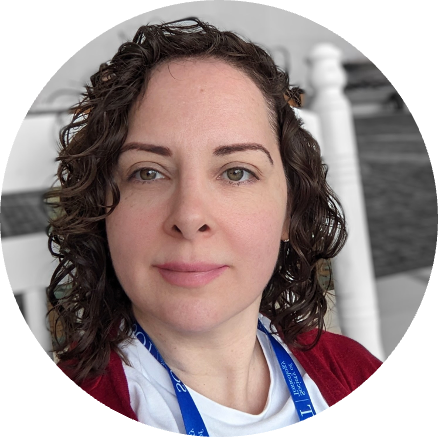
Pelin
Pelin Candarlioglu Deacon, PhD
Director, 3D and 3Rs
Panelists
Pelin Candarlioglu Deacon, PhD
Director, 3D and 3Rs
Pelin

Dr. Pelin Candarlioglu is an internationally recognised scientist and strategic leader in Advanced Cell Models (ACMs), organoids, and microphysiological systems, with over 20 years’ experience spanning academia, biotech, and global pharma. She has led innovation programmes at GlaxoSmithKline, Vivodyne, and Enplas, driving the development of human-relevant models for oncology, immunology, and safety assessment. Pelin is the founder of 3D and 3Rs Ltd., advising organisations on the adoption of non-animal models, regulatory strategy, and translational implementation. She also chairs the EUROoCS Industry Advisory Board and is a recognised voice in global 3Rs and regulatory initiatives focused on modernising preclinical drug development.

Ross-Dobie Circle
Ross Dobie, PhD
Head of Science Centre for Human Specific Research
Panelists
Ross Dobie, PhD
Head of Science Centre for Human Specific Research
Ross-Dobie Circle

Ross Dobie is Head of Science at the Centre for Human Specific Research, an initiative dedicated to supporting researchers in adopting human-focused methodologies. He obtained his PhD at the Roslin Institute, University of Edinburgh, before undertaking postdoctoral research at the Centre for Inflammation Research within the Queen’s Medical Research Institute. Ross later moved into industry, progressing from Senior to Principal Scientist at Concept Life Sciences, a Contract Research Organisation. With over a decade of experience spanning academia and industry, Ross has seen first-hand the rapid advances in human-specific research and its growing impact on biomedical science.
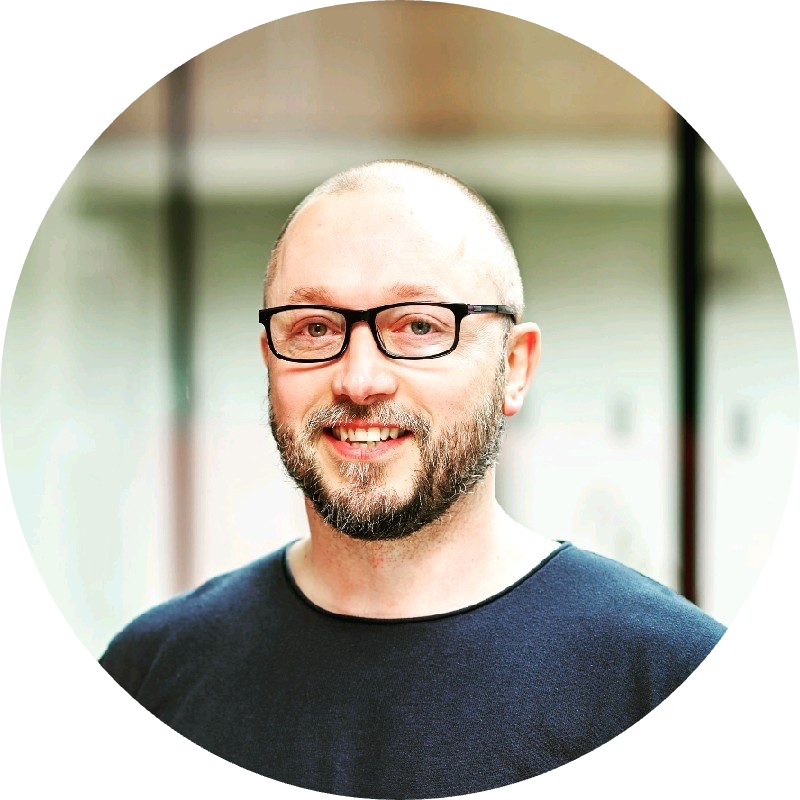
Eric Hill Circle
Eric Hill, PhD
Reader, Loughborough University
Panelists
Eric Hill, PhD
Reader, Loughborough University
Eric Hill Circle

Dr Eric Hill is a Reader in the Department of Chemistry at Loughborough University, appointed in 2023 after eight years at Aston University. He received his PhD in Cell and Molecular Biology in 2004 and has since developed extensive expertise in stem cell biology, tissue engineering, and human in vitro neuronal models. His research focuses on developing physiologically relevant, stem-cell-derived models of the central nervous system to study neurodevelopment and neurodegeneration, including Alzheimer’s disease. Dr Hill’s work supports drug discovery by recreating human disease mechanisms in vitro.

17.20 | Awards and closing

Announcement of The Human Cell Forum 2026 prizes for:

  • Rapid Structural Architecture

  • Master of Cellular Imaging

  • Scientific Communication

17.30 | Drinks reception

The event will close at 18.30. 

Thank you for joining us at The Human Cell Forum 2026!