Understanding and applying human iPSC-derived cells
Read insights from policy, academia, and industry. These blogs explore why the transition to human-specific research is accelerating, the importance of reproducibility, and how iPSC-derived cells are being used to improve drug discovery outcomes.
- Raising the bar for reproducibility in stem-cell based research: Standards, best practices, and programmed cells as a potential solution
- “When, not if” for animal-free science - WC13 reflections
- FDA’s landmark decision to phase out animal testing | A new era for drug discovery and human cell models
- Primary cells vs. cell lines: Is it not time for something better?
- Cell-based drug discovery: Why human iPSC-derived models are gaining ground
Funding opportunities to support the reduction and replacement of animal research across the UK, Europe, the US and Canada.
| Region | Funding Body | Funding Type / Purpose | Grant / Prize Size | Deadline | Additional info |
| UK | Universities Federation for Animal Welfare (UFAW) — Research and Project Awards | Animal welfare / 3R projects (refinement, replacement, education, publications) | Substantial awards (over £3,500) for major projects | Anytime (with at least 2 months’ lead before project start) | Good for small-scale/ medium-scale 3R or welfare-related studies |
| UK | Universities Federation for Animal Welfare (UFAW) — Research and Project Awards | Animal welfare / 3R projects (refinement, replacement, education, publications) | Smaller grants via Small Project / Travel Awards for < £3,500 | Anytime (with at least 2 months’ lead before project start) | Good for small-scale/ medium-scale 3R or welfare-related studies |
| UK | Humane Research Trust | Animal-free biomedical research project grants and fellowships | ~ £90,000 - £200,000 | Project-grant call opens 2 Feb 2026; closes 24 May 2026 | Supports fully animal-free disease-focused research. |
| UK | Replacing Animal Research (formerly FRAME) | Innovation Grants (pilot studies) | Small grants ~ £5,000 | 2025 round closed; next call not yet announced for 2026 | Supports proof-of-principle animal-free method development. |
| Germany | MTZ Foundation (“MTZ Award for Medical Systems Biology”) | Research / young-researcher award in systems medicine / 3R-relevant biomedical research | €15,000 | 31-Jan-26 | Suitable for system-oriented health / biomedical projects with 3R relevance |
| Germany | Fritz Thyssen Foundation – funding priority “Molecular Basis of Disease Genesis” | Molecular-biology research on disease mechanisms (cell and/or human tissue-based, could partly involve animal models but requires human tissue/cell component) | Not specified | 01-Feb-26 | Could fit human iPSC / cell-based disease-mechanism modelling |
| Germany | BMBF (German Federal Ministry of Education and Research) — “Alternative methods to animal experiments” funding guideline | Funding for alternative (non-animal) methods: replacement, validation, dissemination of 3R-methods | Not specified | 15-Mar-26 | Directly relevant to non-animal / replacement method development |
| Germany | Ludwig Maximilian University of Munich – “Felix Wankel Animal Protection Research Prize” | Research or welfare-oriented work aimed at replacing or reducing animal testing, or improving animal welfare in labs | Up to €30,000 | 30 Sep 2026 | Good for substantial projects in replacement/ refinement/ welfare |
| Europe | Centre for Human-Specific Research - ARC Catalyst Grants | Support research groups that have demonstrated an ongoing commitment to the adoption of human-specific research. | Not specified | Coming soon in 2026 | |
| Europe | Animal Research Tomorrow (ART) — “3R Awards” | Grants for young scientists to develop/test Replacement, Reduction and/or Refinement methods (3R projects) | € 3,000 | For projects starting 2026; application deadline 31 Oct 2025 (4 pm CET) | Good entry-level funding for 3R method development |
| Europe | Animal Research Tomorrow (ART) — “SciComm Awards” | Grants for science communication / outreach / transparency related to animal research / 3R awareness / tools & resources | Up to €3,000 | For projects starting 2025; application deadline 31 Oct 2025 | Useful for educational / outreach / science-communication 3R initiatives |
| USA | ARDF | Annual Open Grant Program | Up to $50,000 | Next call expected early 2026 | Supports the development of non-animal research/testing methods. |
| USA | Johns Hopkins CAAT – In Vitro Toxicology Grants | Research grants supporting development of non‑animal methods | Up to $40,000 | Annual cycles; ongoing into 2026 | Supports in vitro assays, AOP development, and mechanistic toxicology |
| USA | Johns Hopkins CAAT – Reduction Grants | Reduction-focused research (meta‑analysis, reproducibility, model reevaluation) | Varies | Available; 2025/26 cycle active or recurring | Supports projects evaluating the limitations of animal models |
| USA | Johns Hopkins CAAT – Humane Education Grants | Development of animal‑free teaching and training resources | ~$6,000 | Available; recurring annually | Supports the creation of human‑relevant training tools |
Learn from your peers
Here are some of the top conferences and events to attend to learn about how peers are utilising human iPSC-derived cells and new techniques being developed to support the integration of iPSC-derived cells.
| Conference | Dates | Location |
| WORD+ 2026 (World Organoid Research Day) | Feb 4–5 2026 | Cambridge, UK |
| SLAS | Feb 7–11 2026 | Boston, MA, USA |
| NOR-MPS 2026 (Nordic MPS Convention) | Feb 12–13 2026 | Oslo, Norway |
| TechConnect World Innovation | Mar 10–12 2026 | Raleigh, NC, USA |
| SOT 2026 (Society of Toxicology) | Mar 22–25 2026 | San Diego, CA, USA |
| The 3R Länd Conference | Mar 24–27 2026 | Tübingen, Germany |
| AACR 2026 (Cancer Research) | Apr 17–22 2026 | San Diego, CA, USA |
| TERMIS-EU 2026 | Apr 20–24 2026 | Palma, Spain |
| 3D Cell Culture 2026 | May 7–8 2026 | London, UK |
| SLAS Europe 2026 | May 19–21 2026 | Vienna, Austria |
| MPS World Summit 2026 | May 26–29 2026 | Washington, D.C., USA |
| EUROoCS 2026 (Organ-on-Chip Society) | Jun 22–24 2026 | Braga, Portugal |
| ESTIV 2026 (Toxicology In Vitro) | Jun 29 – Jul 2 2026 | Maastricht, NL |
| ISSCR 2026 (Stem Cell Research) | Jul 8–11 2026 | Montreal, Canada |
| Neuroscience 2026 (SfN) | Nov 14–18 2026 | Washington, D.C., USA |
| ASCB 2026 (Cell Biology) | Dec 12–16 2026 | San Diego, CA, USA |
Flexible training options: join us virtually or in person
.jpg?width=2500&height=1667&name=_LM03612-Edit_RT%20HR%20(1).jpg)
.jpg?width=2500&height=1707&name=_LM04815-Edit_RT%20HR%20(1).jpg)
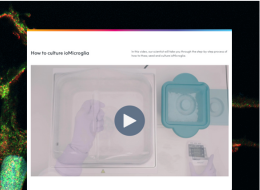
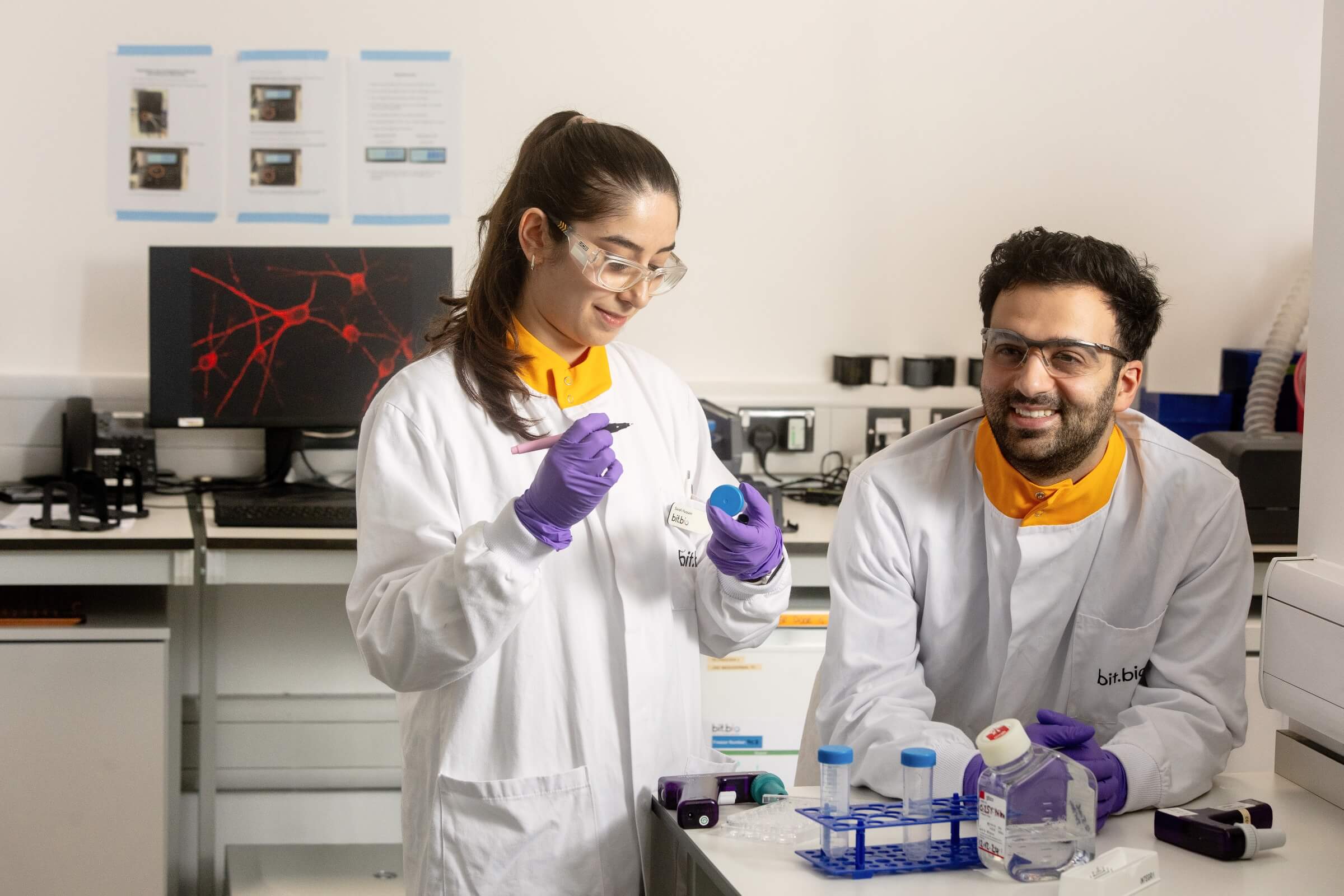
We provide support at every step, from protocols and video tutorials to virtual and in-person lab training.
Master your workflows with our protocol library
Explore a comprehensive collection of optimised protocols for standard cell culture and advanced iPSC applications. From optimising human iPSC-derived cells in high-throughput multiwell formats to managing complex multi-cell cultures, our library provides the precise steps needed for reliable assays and specialised applications.
To get your lab up and running with human iPSC-derived ioCells, you will need the following equipment.
| Equipment | Necessity | Reason |
| Class II Biosafety Cabinet | Required | Protects cells from contamination and you from human pathogens. |
| Liquid nitrogen storage | Required | -80°C is for short-term (days) only; liquid nitrogen is for long-term. |
| Automated cell counter | Highly recommended |
Vital for plating exact densities (e.g. neurons and microglia are sensitive to 'crowding').
|
| Water bath | Required |
Essential for rapid thawing at 37°C. When using water bath, meticulously clean it weekly to prevent "water-to-hood" contamination.
|
| Centrifuge | Required | Must have a swing-bucket rotor and adjustable "braking" speeds to prevent mechanical stress on fragile cells. |
| Pipettes | Required | Use high-precision P1000/P200 sets. Ergonomic electronic pipettes are preferred for "slow-dispense" modes. |
| Phase contrast microscope | Required | Vital for daily monitoring of attachment, health, and potential contamination. |
Do I need a specialised incubator?
No, a standard 37oC, 5% CO2 incubator works fine. You will need to incorporate strict rules for cleanliness and humidity management, as iPSC-derived cells can be in culture for a long time (weeks to months).
Cleanliness
- Antimicrobial surfaces: An incubator with a solid copper interior is highly preferred. Copper has natural contact-killing properties that continuously suppress bacterial and fungal growth.
- Decontamination cycles: Look for models with a High-Heat Sterilisation cycle (typically 140oC to 180oC). You should run this cycle before starting a new culture to ensure a 'sterile baseline.'
Humidity management
Because these cultures stay in the incubator for long periods, even tiny amounts of evaporation can be fatal.
- Salt spikes: As water evaporates from your media, the concentration of salts and minerals increases (increasing osmolarity). Neurons are incredibly sensitive to this and will stop firing or detach.
To prevent increased osmolarity, ensure your incubator has a high-quality water pan (using sterile, ultra-pure water with an antimicrobial additive like Aquaguard) and minimise door-opening frequency to keep humidity at 95%.
How do I store human iPSC-derived cells?
The cell must be store in liquid nitrogen.
Never store iPSC-derived cells in a -80oC freezer for longer than 24 hours. Even a "stable" -80oC can fluctuate, causing microscopic ice recrystallisation that kills post-mitotic cells.
The vapour phase of liquid nitrogen (-150oC to -190oC) is preferred over immersion to avoid the rare risk of "exploding vials" or cross-contamination through the vial caps.
What biosafety requirements should I consider for commercial human iPSC-derived cells?
Containment Level: Commercial human iPSC-derived cells are handled under Biosafety Level 2 (BSL-2) containment. Even if the cells are "commercial," human-derived materials are treated as potentially infectious for bloodborne pathogens.
Cabinet Requirements: All cell handling, such as thawing, culture, and dissociation, should be performed in a Class II biological safety cabinet.
Personal Protective Equipment (PPE): Safety glasses, lab coats, and gloves must be worn to prevent exposure to skin, eyes, or mucous membranes.
Is my Cat 2 hood enough?
Yes, a Class II Biosafety Cabinet (BSC) is the right equipment. A Class II BSC protects both the product (from your breath/dust) and the user (from aerosols).
.png)
.png?width=2000&name=Ryan%20Jones%20were%20human%20interview%201%20(1).png)
.png?width=2000&name=Mariangela%20iovino%20were%20human%20interview%201%20(1).png)
The scientists driving the future of human cell-based research
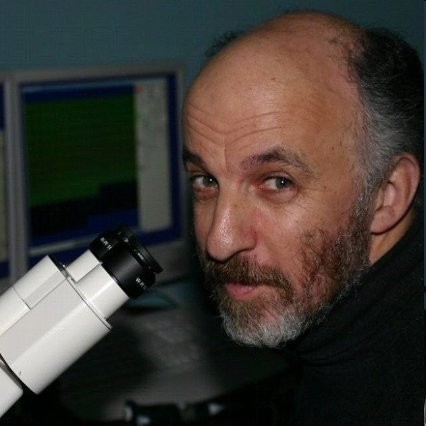
Dr Michael Duchen
Professor of Physiology | University College London
“We can now start asking questions that, ten years ago, we didn’t know how to answer,” Duchen reflects. “If you have a really good disease model, then the only limit is your imagination.”
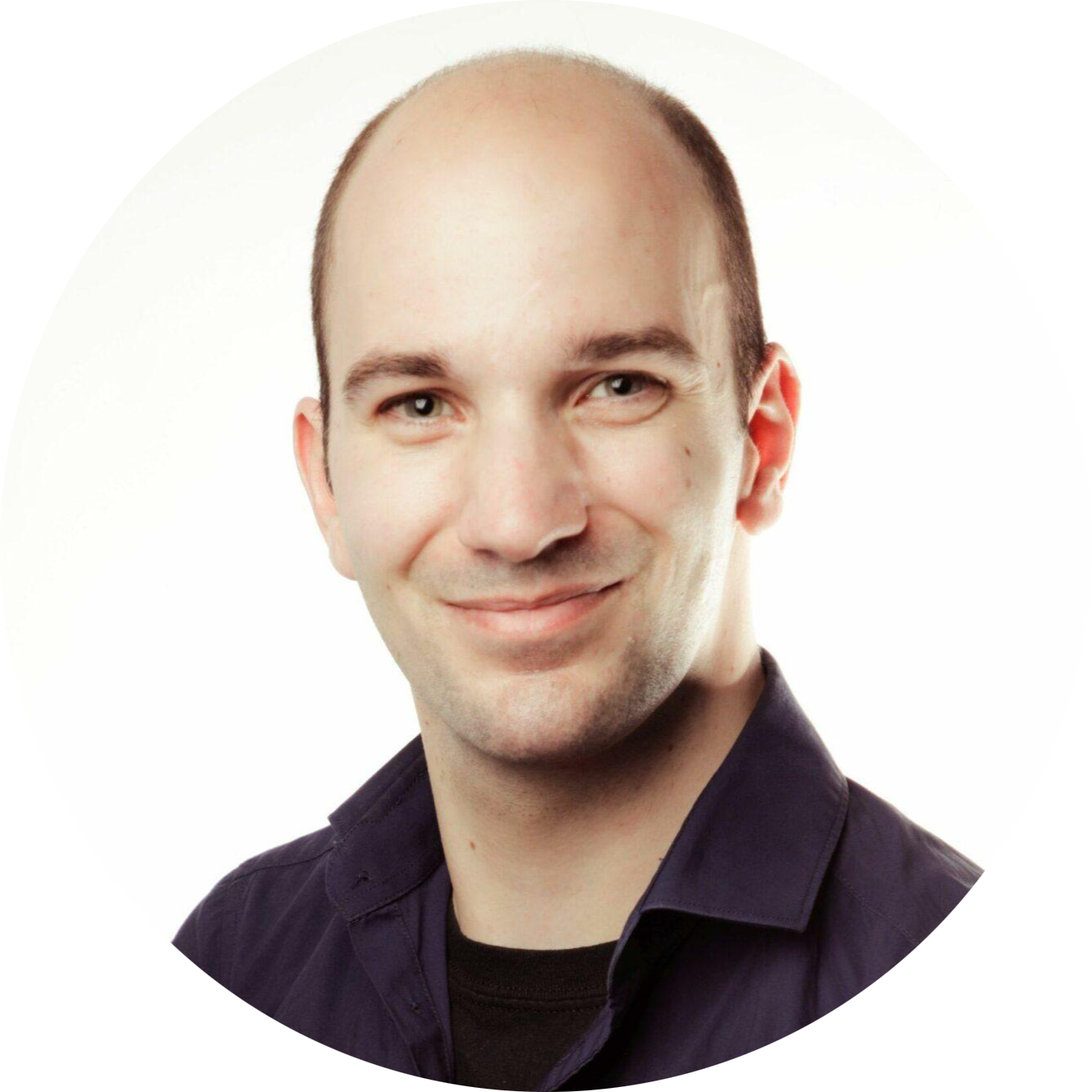
Jeremy Krohn
PhD Candidate | DZNE / Charité University of Medicine
"We used bit.bio human ioAstrocytes in our experiments to compare with - and step-wise replace - animal derived cells. The human cells were straightforward to establish, showed high reproducibility, and performed well in calcium imaging experiment."

Dr Marijn Vlaming
Head of Biology - Beerse & Leiden | Charles River
"Using more relevant cell models such as ioCells from bit.bio helps us to test safety and toxicity in vitro, in parallel with efficacy, and as such we will be able to identify the safe or unsafe drug candidates very early in the drug discovery process"

Matteo Zanella, PhD
Associate Research Leader | Charles River
"At Charles River we used bit.bio ioMicroglia in several projects. We are very satisfied with their performances, as they efficiently and robustly recapitulate both morphological and functional properties of microglia cells"

Dr Alessandra Pagliaro
Research scientist | In Vitro Biology | Evotec
"With our solid iPSC expertise, we were thrilled to find a cellular model that aligns seamlessly with our drug screening efforts. ioOligodendrocyte-like cells performed reliably and met all expectations. We especially appreciated bit.bio's detailed protocols and excellent scientific support, which made integration into our workflow both smooth and productive."
Move forward with consistent ioCells for translational results
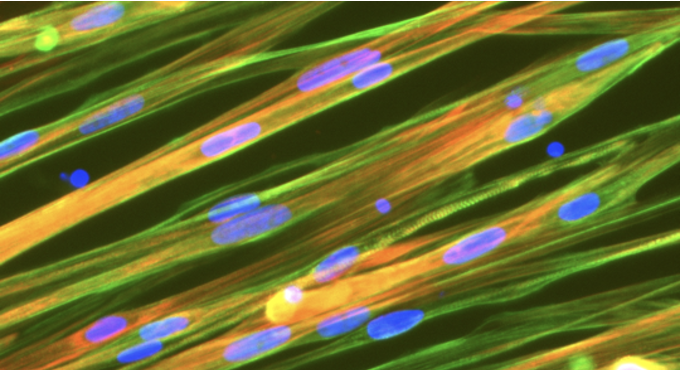
ioWild Type Cells
ioWild Type Cells are defined, easy-to-use, functional iPSC-derived human cells from a healthy donor background that are ready for fundamental research and drug discovery experimentation within days.
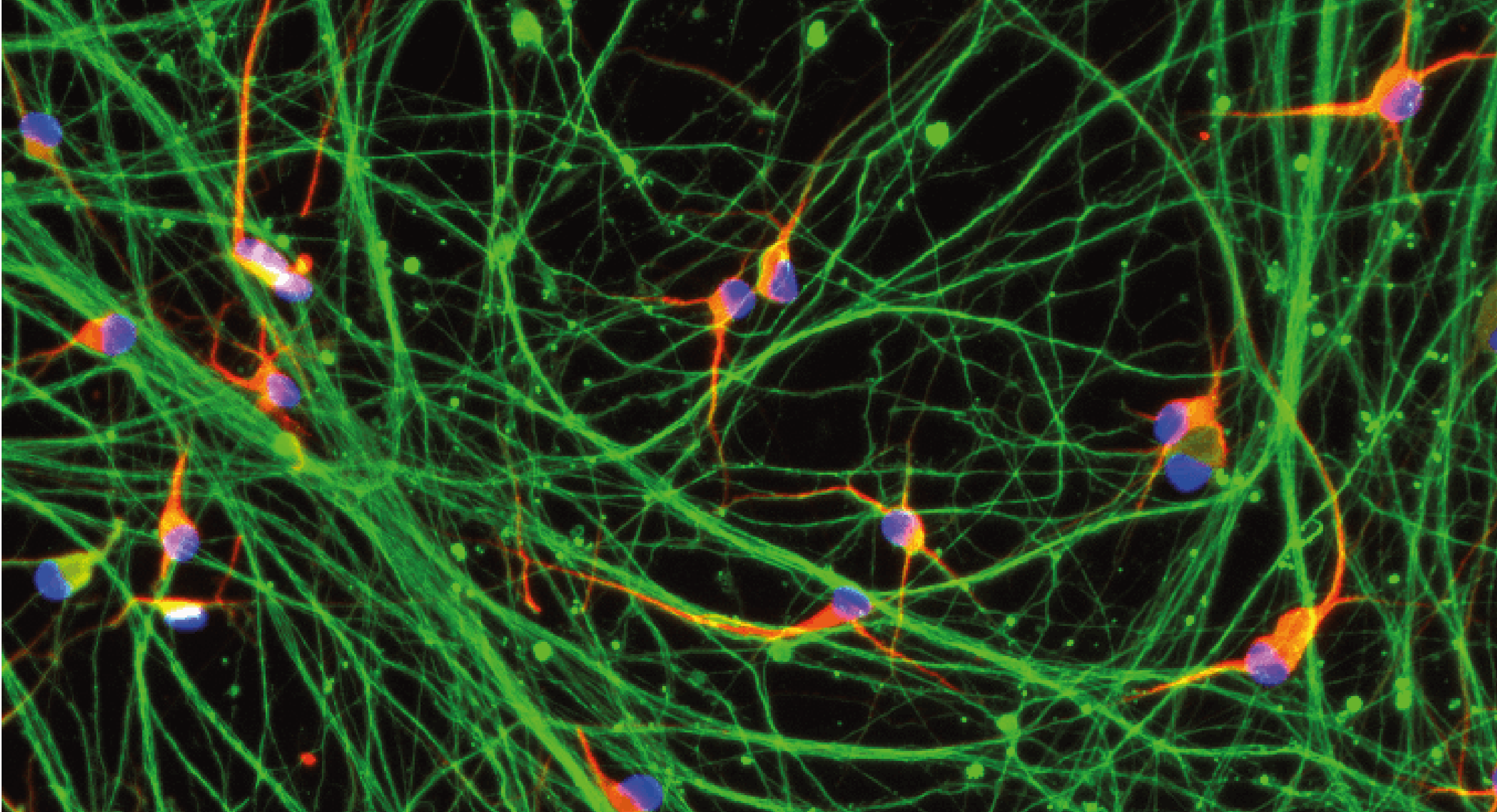
ioDisease Model Cells
ioDisease Model Cells are ioWild Type Cells engineered to contain disease-relevant mutations. ioDisease Model Cells and ioWild Type Cells form an isogenic pair allowing scientists to make true comparisons.

CRISPR-Ready ioCells
CRISPR-Ready ioCells are human iPSC-derived cells constitutively expressing Cas9 nuclease for rapid gene knockout generation.

ioTracker Cells
ioTracker Cells are human iPSC-derived cells constitutively expressing a fluorescent protein for easy visualisation, tracking, and isolation of human cells in live-cell imaging assays.