Flow cytometry workshop | Top tips for human iPSC-derived cells

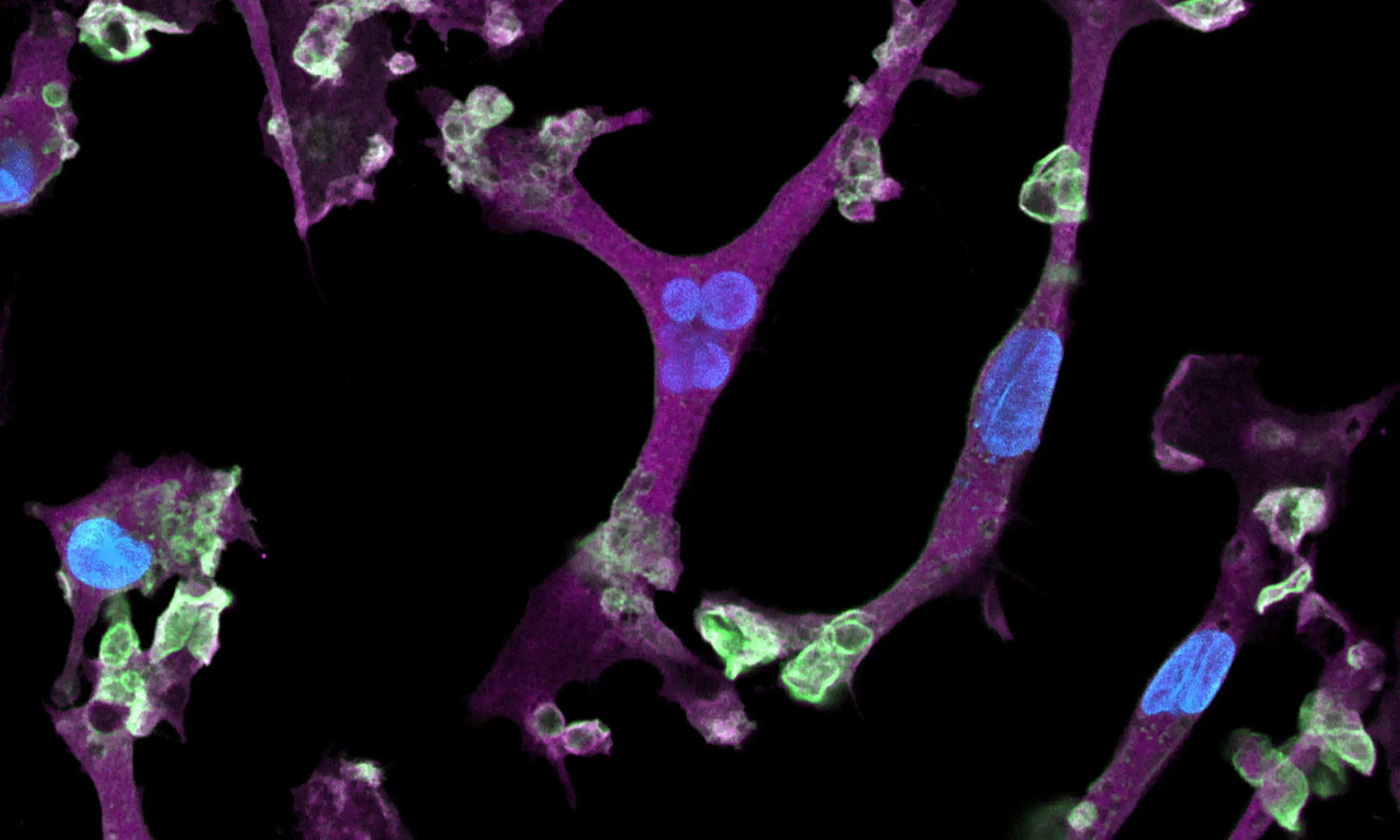
Human iPSC-derived cells offer a more physiologically relevant in vitro model for research and drug discovery compared to immortalised cell lines or rodent primary cells. Flow cytometry is a powerful technique offering multiparametric analysis, however, protocols for iPSC-derived cells require careful optimisation in order to generate biologically meaningful results.
This webinar provides an overview of flow cytometry workflows for iPSC-derived cells and explores practical approaches to challenges such as autofluorescence, antibodies selection, and generating single-cell suspensions from network-forming cultures.
Using bit.bio’s ioMicroglia as a case study, our expert speaker will discuss panel design, optimisation workflows, and practical considerations for generating reproducible flow cytometry data.
Key learnings:
- How to troubleshoot cell-specific challenges when developing flow cytometry protocols for human iPSC-derived cells
- Key considerations for flow cytometry panel design
- How to test and optimise your panel to generate robust and reliable data
- Strategies for generating single-cell suspensions from network-forming cultures
- Examples of panel design and optimisation for human iPSC-derived microglia