Confirmed speakers
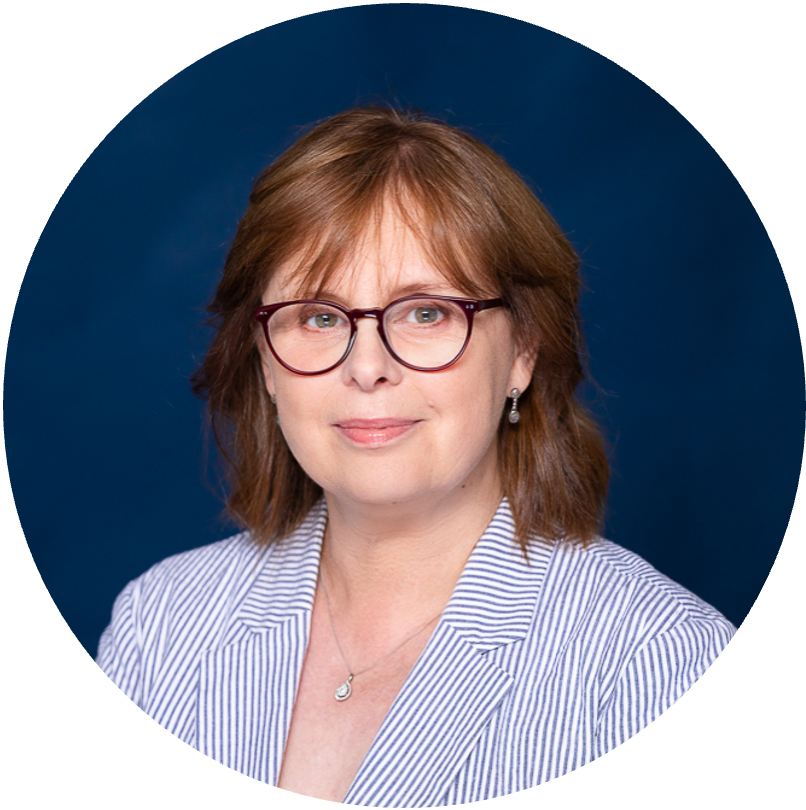
Professor Julie Frearson,
PhD
PhD
Global Executive Lead, Discovery Sciences, IQVIA
Speaker
Professor Julie Frearson,
PhD
PhD
Global Executive Lead, Discovery Sciences, IQVIA
Professor Frearson leads Charles River’s effort in developing and managing strategic venture fund and innovation technology partnerships across the Company’s business units. Prior to joining Charles River, Professor Frearson built substantial experience in early-stage drug discovery through roles with Zeneca, The Babraham Institute, Cambridge Drug Discovery, BioFocus, and a faculty position in the Drug Discovery Unit of the University of Dundee. Professor Frearson has served as the Director for Scottish Universities Life Sciences Alliance (SULSA) and on funding committees for the Medical Research Council, The Wellcome Trust, Novo Foundation BioInnovation Institute and regional BIO industry groups. Professor Frearson currently sits on multiple private and not-for-profit boards in the life sciences tools and drug development arena across the UK and US.
Professor Frearson received a PhD in Biochemistry from King’s College London, University of London and has authored more than 60 peer-reviewed publications.
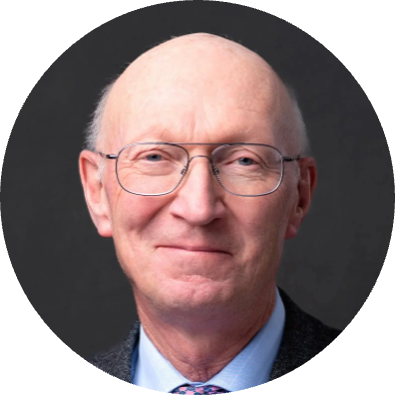
Lord David Prior
Deputy Chairman UK and Global Senior Advisor
Lazard
Lazard
Speaker
Lord David Prior
Deputy Chairman UK and Global Senior Advisor
Lazard
Lazard
Lord David Prior is Deputy Chairman UK and Global Senior Advisor at Lazard and a senior figure in UK healthcare and life sciences policy. He currently serves as Chair of Science Capital, Chair of the Cambridge Life Sciences Council, and a member of the Novo Nordisk Sustainability Advisory Council, and has previously held senior public leadership roles including Chair of NHS England, Chair of the Care Quality Commission, and Parliamentary Under Secretary of State with responsibility for health, life sciences, and industrial strategy. He was educated at the University of Cambridge, qualified as a barrister, and was elected MP for North Norfolk in 1997, later serving as CEO and Deputy Chair of the Conservative Party.
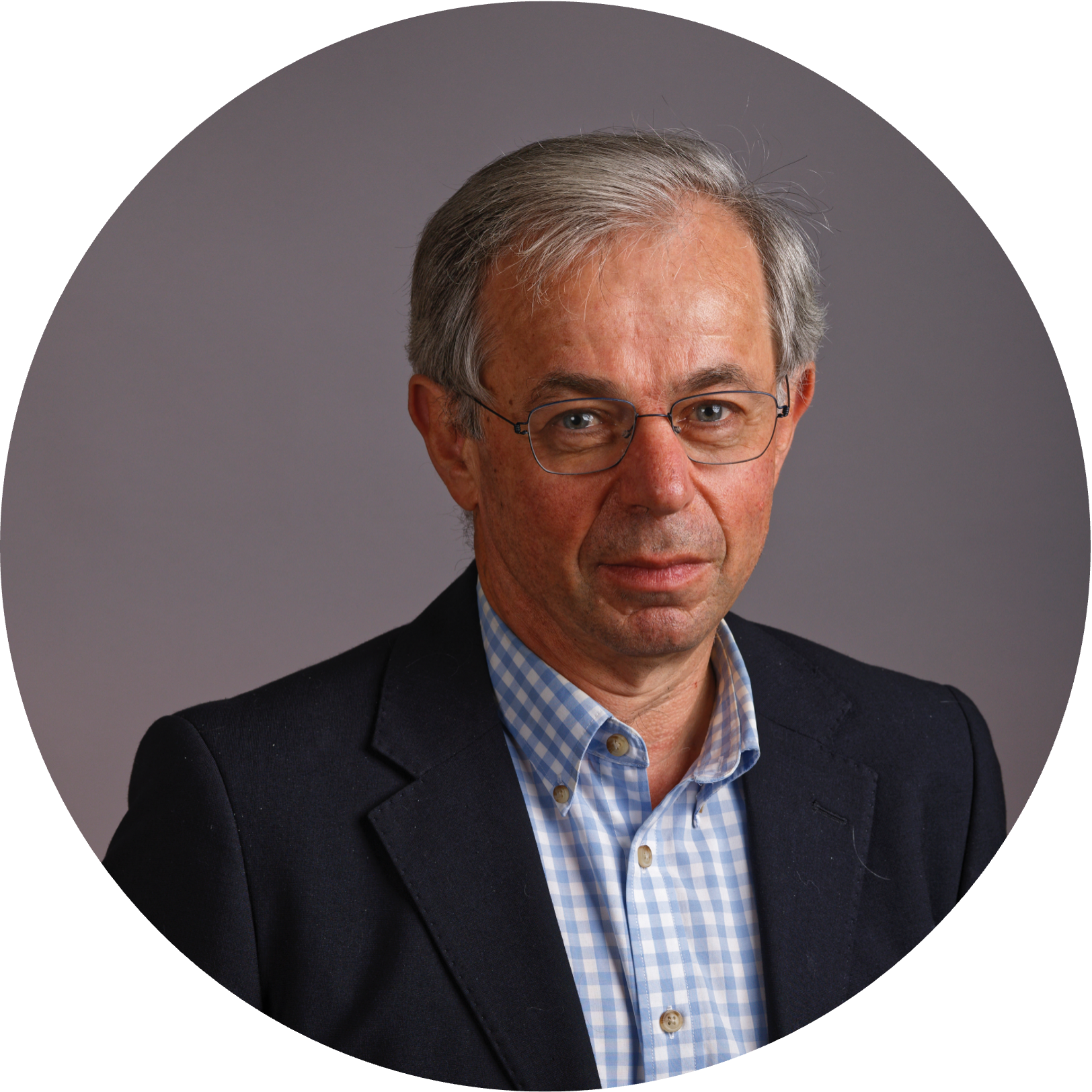
Professor Sir David Klenerman, FMedSci FRS
Royal Society Professor
Molecular Medicine
Department of Chemistry
University of Cambridge
Molecular Medicine
Department of Chemistry
University of Cambridge
Speaker
Professor Sir David Klenerman, FMedSci FRS
Royal Society Professor
Molecular Medicine
Department of Chemistry
University of Cambridge
Molecular Medicine
Department of Chemistry
University of Cambridge
Professor Sir David Klenerman is the Royal Society Professor of Molecular Medicine at the Department of Chemistry, University of Cambridge. He is a physical chemist who has developed and applied new physical methods, particularly fluorescence spectroscopy, to biological and biomedical problems. He is known for for co-inventing the Solexa/Illumina next-generation DNA sequencing.
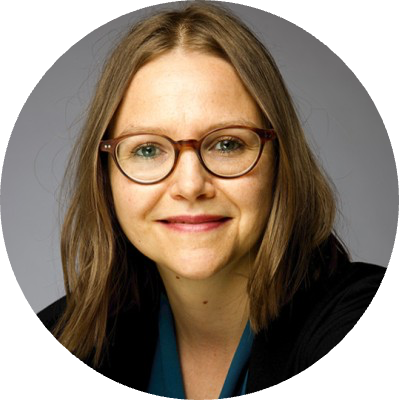
Professor Simone Mader,
PhD
PhD
Director
Translational Immunology
University Hospital Erlangen
Translational Immunology
University Hospital Erlangen
Speaker
Professor Simone Mader,
PhD
PhD
Director
Translational Immunology
University Hospital Erlangen
Translational Immunology
University Hospital Erlangen
Simone Mader studied molecular biology in Innsbruck, Austria, where she completed her PhD in neuroscience. She subsequently conducted her postdoctoral research at the Feinstein Institute for Medical Research in New York, focusing on antibodies and brain function. From 2012 to 2025, she worked at the LMU Munich, where she led a research group. In September 2025, she was appointed as a full professor and head of the Department of Translational Immunology at Universitätsklinikum Erlangen. Her research focuses on autoantibodies and B cells in inflammatory and neurodegenerative diseases, as well as during development, aiming to elucidate their pathogenic roles and translate these findings into novel therapeutic approaches.
Hassan Al Ali, PhD, MSM
Associate Professor
Neurosurgery & Medicine
University of Miami
Director
Drug Discovery Centre
The Miami Project to Cure Paralysis
Neurosurgery & Medicine
University of Miami
Director
Drug Discovery Centre
The Miami Project to Cure Paralysis
Speaker
Hassan Al Ali, PhD, MSM
Associate Professor
Neurosurgery & Medicine
University of Miami
Director
Drug Discovery Centre
The Miami Project to Cure Paralysis
Neurosurgery & Medicine
University of Miami
Director
Drug Discovery Centre
The Miami Project to Cure Paralysis
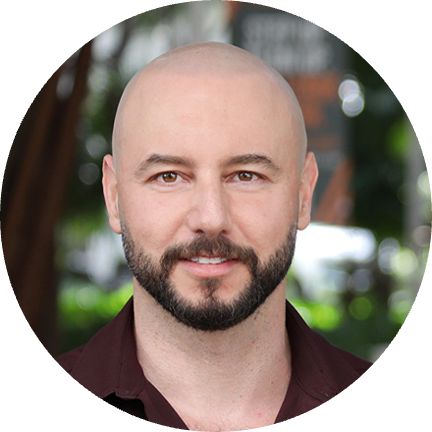
Hassan is a Tenured Associate Professor of Neurological Surgery and Medicine at the University of Miami (UM), and Director of the Drug Discovery Core at the Miami Project to Cure Paralysis. As a translational biochemist, he studies molecular mechanisms of disease and develops technologies to enable therapeutic discovery and development. He is affiliated with the Katz Drug Discovery Center, Sylvester Comprehensive Cancer Center, and the Frost Institute for Data Science and Computing. Hassan’s primary interest is understanding the role of kinases in the functioning and maintenance of the central nervous system (CNS) and applying this knowledge to develop neurotherapeutics. Additionally, he leads drug discovery programs in nephrology and oncology. His research is advancing multiple therapeutic candidates toward IND-enabling studies and clinical development, including a clinical candidate for spinal cord injury supported by the NIH/NINDS Blueprint Neurotherapeutics Network. Hassan mentors graduate students, postdocs, and undergraduates across multiple UM programs, and serves as a grant reviewer for federal, state, and private agencies.
Professor John Connelly, PhD
Professor of Bioengineering
Queen Mary University of London
Queen Mary University of London
Speaker
Professor John Connelly, PhD
Professor of Bioengineering
Queen Mary University of London
Queen Mary University of London
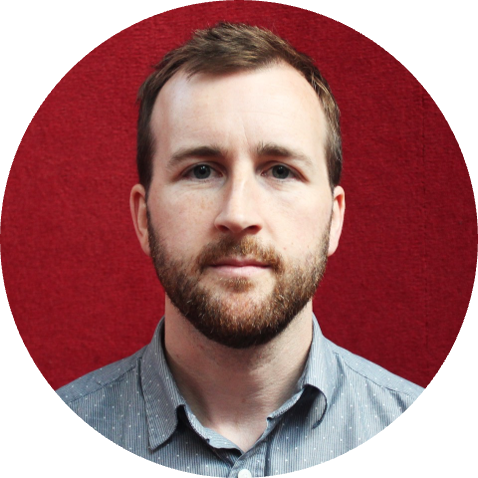
Prof. Connelly is a Professor of Bioengineering in the Blizard Institute at Queen Mary University of London (QMUL). He received his Ph.D. in Bioengineering from the Georgia Institute of Technology and completed his postdoctoral training in Prof. Fiona Watt’s laboratory at the University of Cambridge. He established his research group in the Blizard Institute in 2010, and he leads a multi-disciplinary team of scientists and engineers. Research in the Connelly lab focuses on the biomechanical regulation of skin homeostasis and repair, and the team have developed a range of next-generation in vitro models of human skin, integrating immune cells, vascularisation, and appendages within 3D microfluidic platforms. Prof. Connelly has also led key initiatives to develop infrastructure and research capacity in bioengineering and in vitro modelling technologies at QMUL. He founded and directs the CREATE Lab biofabrication core facility and is the Research and Innovation Lead for the Centre for Predictive In Vitro Models (CPM).
Katerina Gospodinova, PhD
Neuroinflammation Team Lead Alzheimer's Research UK Oxford Drug Discovery Institute (ARUK-ODDI)
University of Oxford
University of Oxford
Speaker
Katerina Gospodinova, PhD
Neuroinflammation Team Lead Alzheimer's Research UK Oxford Drug Discovery Institute (ARUK-ODDI)
University of Oxford
University of Oxford
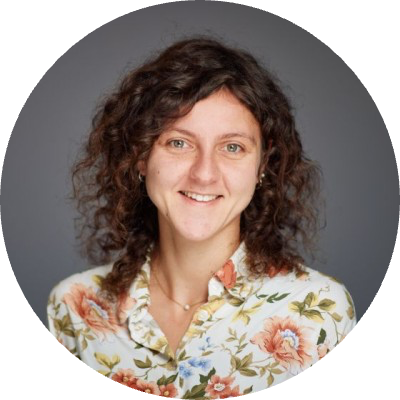
Dr Katerina Gospodinova is a translational neuroscientist and Team Leader at the Alzheimer’s Research UK Oxford Drug Discovery Institute (ARUK ODDI), University of Oxford. She completed her PhD in Genomics and Experimental Medicine at the University of Edinburgh before joining the University of Oxford in 2021 as part of the NIH-funded TREAT-AD consortium. As a postdoctoral researcher, Katerina led the development of open-access Target Enabling Packages, now used across academia and industry to support Alzheimer’s disease drug discovery.
Her research focuses on the identification and validation of novel therapeutic targets for neurodegenerative diseases, particularly Alzheimer’s disease, with an emphasis on neuroinflammation. At the ODDI, she leads a team developing advanced human stem cell–derived models and in vitro assays to de-risk emerging targets and accelerate early-stage drug discovery.
Her research focuses on the identification and validation of novel therapeutic targets for neurodegenerative diseases, particularly Alzheimer’s disease, with an emphasis on neuroinflammation. At the ODDI, she leads a team developing advanced human stem cell–derived models and in vitro assays to de-risk emerging targets and accelerate early-stage drug discovery.

Dowlette-Mary Alam El Din, PhD
Postdoctoral Fellow
Center for Alternatives to Animal Testing
Johns Hopkins University
Center for Alternatives to Animal Testing
Johns Hopkins University
Speaker
Dowlette-Mary Alam El Din, PhD
Postdoctoral Fellow
Center for Alternatives to Animal Testing
Johns Hopkins University
Center for Alternatives to Animal Testing
Johns Hopkins University
Dowlette recently completed her PhD in the Center for Alternatives to Animal Testing at the Johns Hopkins Bloomberg School of Public Health and is transitioning to a postdoctoral position in the same research group. Her work focuses on developing new approach methodologies (NAMs) using human brain organoids and microelectrode arrays to advance developmental neurotoxicity testing by creating in vitro assays of synaptic plasticity, learning, and memory.
Nikole Zuñiga Quiroz, PhD
Senior Scientist Neurobiology
Mabylon AG
Mabylon AG
Speaker
Nikole Zuñiga Quiroz, PhD
Senior Scientist Neurobiology
Mabylon AG
Mabylon AG
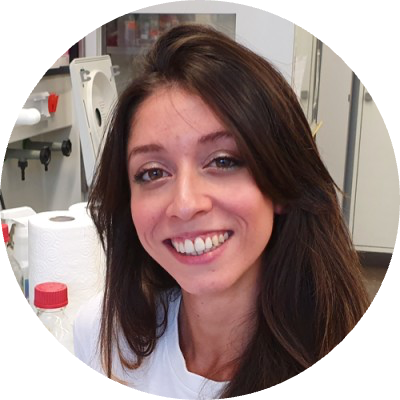
Nikole Zuñiga Quiroz, PhD, works as a Senior Scientist in Neurobiology at Mabylon AG in Schlieren, Switzerland, where she oversees preclinical research focused on neurodegenerative diseases such as ALS/FTD and Alzheimer’s Disease. Dr. Zuñiga Quiroz received training in developmental and regenerative neuroscience at the University of Barcelona and Pontificia Universidad Catolica de Chile, and earned her PhD at the University of Zurich, Switzerland, where she studied the molecular processes involved in spinal cord circuit formation, particularly commissural axon guidance. At Mabylon, she has led the preclinical development of MY014, an intrabody-based gene therapy for ALS/FTD.
Pelin Candarlioglu Deacon, PhD
Director
3D and 3Rs
3D and 3Rs
Panellist
Pelin Candarlioglu Deacon, PhD
Director
3D and 3Rs
3D and 3Rs
Dr. Pelin Candarlioglu is an internationally recognised scientist and strategic leader in Advanced Cell Models (ACMs), organoids, and microphysiological systems, with over 20 years’ experience spanning academia, biotech, and global pharma. She has led innovation programmes at GlaxoSmithKline, Vivodyne, and Enplas, driving the development of human-relevant models for oncology, immunology, and safety assessment. Pelin is the founder of 3D and 3Rs Ltd., advising organisations on the adoption of non-animal models, regulatory strategy, and translational implementation. She also chairs the EUROoCS Industry Advisory Board and is a recognised voice in global 3Rs and regulatory initiatives focused on modernising preclinical drug development.
Ross Dobie, PhD
Head of Science
Centre for Human Specific Research
Centre for Human Specific Research
Panellist
Ross Dobie, PhD
Head of Science
Centre for Human Specific Research
Centre for Human Specific Research
Ross Dobie is Head of Science at the Centre for Human Specific Research, an initiative dedicated to supporting researchers in adopting human‑focused methodologies. He obtained his PhD at the Roslin Institute, University of Edinburgh, before undertaking postdoctoral research at the Centre for Inflammation Research within the Queen’s Medical Research Institute. Ross later moved into industry, progressing from Senior to Principal Scientist at Concept Life Sciences, a Contract Research Organisation. With over a decade of experience spanning academia and industry, Ross has seen first-hand the rapid advances in human‑specific research and its growing impact on biomedical science.
Eric Hill, PhD
Reader
Loughborough University
Loughborough University
Panellist
Eric Hill, PhD
Reader
Loughborough University
Loughborough University
Dr Eric Hill is a Reader in the Department of Chemistry at Loughborough University, appointed in 2023 after eight years at Aston University. He received his PhD in Cell and Molecular Biology in 2004 and has since developed extensive expertise in stem cell biology, tissue engineering, and human in vitro neuronal models. His research focuses on developing physiologically relevant, stem‑cell‑derived models of the central nervous system to study neurodevelopment and neurodegeneration, including Alzheimer’s disease. Dr Hill’s work supports drug discovery by recreating human disease mechanisms in vitro.
Jovana Kovačević, PhD
Scientist Discovery
VectorY Therapeutics
VectorY Therapeutics
Speaker
Jovana Kovačević, PhD
Scientist Discovery
VectorY Therapeutics
VectorY Therapeutics
Jovana Kovačević, PhD is a Scientist in the Discovery team at VectorY Therapeutics, where she focuses on the application of iPSC-derived neuronal models for neurodegenerative disorders to assess target engagement, efficacy, and safety of novel therapeutic approaches. Trained in pharmacology and neuroscience, she combines deep experimental expertise with a strong translational perspective, advancing human-relevant disease models to support drug discovery. At the Human Cell Forum, Jovana will share insights into how validated human iPSC-derived neuronal systems can be leveraged to improve phenotypic assessment and decision-making in preclinical research.
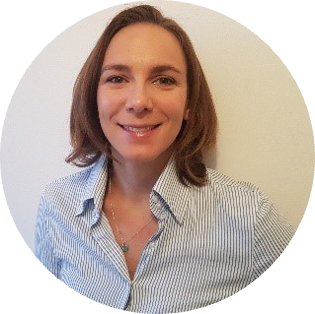
Elodie Chevalier, MSc
Senior Research Scientist
AC Immune
AC Immune
Speaker
Elodie Chevalier, MSc
Senior Research Scientist
AC Immune
AC Immune
Elodie Chevalier holds a master’s degree in biotechnology engineering and has built her career at the intersection of pharmaceutical and biotechnology research. She began by
developing and optimising cell-based assays to support drug discovery programs across multiple therapeutic areas. Elodie is currently a Senior Scientist at AC Immune, where she leads the TDP-43 biology team. Her work focuses on advancing the understanding of TDP-43 pathology and driving the discovery of novel therapeutic strategies for neurodegenerative diseases, including amyotrophic lateral sclerosis
(ALS) and frontotemporal lobar degeneration with TDP-43 pathology (FTLD-TDP).
developing and optimising cell-based assays to support drug discovery programs across multiple therapeutic areas. Elodie is currently a Senior Scientist at AC Immune, where she leads the TDP-43 biology team. Her work focuses on advancing the understanding of TDP-43 pathology and driving the discovery of novel therapeutic strategies for neurodegenerative diseases, including amyotrophic lateral sclerosis
(ALS) and frontotemporal lobar degeneration with TDP-43 pathology (FTLD-TDP).
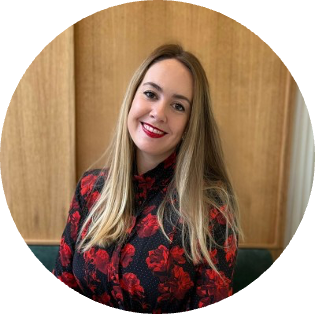
Marjorie Decroux
Senior Research Assistant
AC Immune
AC Immune
Speaker
Marjorie Decroux
Senior Research Assistant
AC Immune
AC Immune
Marjorie Decroux has a background in Health Engineering and Biotechnology Management, with training in both science and business. She has contributed to the development of therapeutic programs by designing and optimising assays and supporting key decisions from early research to preclinical stages. After working as a Scientist in immuno-oncology and on in vitro fibrosis-related programs, Marjorie is currently a Senior Research Assistant at AC Immune. In this role, she focuses on assay development and on improving our understanding of TDP-43 pathology, with the aim of enabling the discovery of new therapeutic strategies for diseases such as amyotrophic lateral sclerosis and frontotemporal dementia, where treatment options remain very limited.

Amina McDiarmid, PhD
Postdoctoral Research Fellow
University of Edinburgh
University of Edinburgh
Speaker
Amina McDiarmid, PhD
Postdoctoral Research Fellow
University of Edinburgh
University of Edinburgh
Amina McDiarmid is an ARUK‑funded early‑career postdoctoral research fellow working within the groups of Professor Neil Carragher (Chair of Drug Discovery at Institute of Genetics and Cancer). Her current project centres on high‑content, phenotype‑driven medium‑ to high‑throughput drug screening in human models of both sporadic and familial Alzheimer’s disease. Amina combines computational strategies with experimental neuroscience, curating focused compound sub‑libraries predicted to rescue disease-associated cellular gene‑expression programmes and morphological signatures/phenotypes. By testing these predictions in image‑based screening assays, she bridges in silico modelling with in vitro empirical validation. By combining in vitro systems and data‑analysis approaches, including machine learning, her work aims to reveal actionable targets and mechanisms for disease‑modifying therapies.
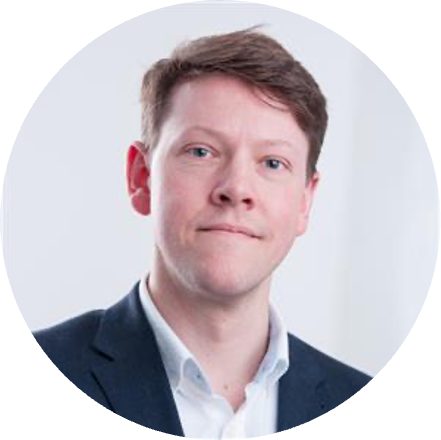
Professor Anthony Vernon, PhD
Professor of Neuropsycho-pharmacology
King's College London
King's College London
Speaker
Professor Anthony Vernon, PhD
Professor of Neuropsycho-pharmacology
King's College London
King's College London
The Vernon lab is an inter-disciplinary research group working at the interface of fundamental neuroscience and clinical research into mental health. Current work in the laboratory is focused on developing and using hiPSC models for the study of human cortical development. As part of the Neurodevelopment cluster within the MRC Human functional genomics initiative, we use both 2D and 3D organoids to understand how genetic variation may contribute to the neurobiology of schizophrenia and autism spectrum condition.
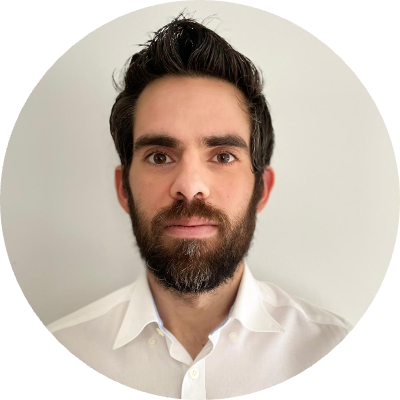
Matthieu Trigano, PhD
Senior Scientist - In Vitro Neurobiology
Medicines Discovery Catapult
Medicines Discovery Catapult
Speaker
Matthieu Trigano, PhD
Senior Scientist - In Vitro Neurobiology
Medicines Discovery Catapult
Medicines Discovery Catapult
Matthieu Trigano has spent the last decade working with iPSC-derived nervous system models — first as research tools for disease modelling in academic settings, now as platforms for industrial drug discovery. His PhD research at Cardiff University focused on modelling neuropsychiatric disorders using iPSC-derived neuronal models. As a postdoc at Oxford University, he focused on cellular Parkinson's disease mechanisms, then later at the UK Dementia Research Institute on the genetic and network drivers of Parkinson's. He is now a Senior Scientist at Medicines Discovery Catapult, developing advanced cellular models for CNS drug discovery.
Nicola McCarthy, PhD
Head of Research
Milner Therapeutics Institute
University of Cambridge
Milner Therapeutics Institute
University of Cambridge
Speaker
Nicola McCarthy, PhD
Head of Research
Milner Therapeutics Institute
University of Cambridge
Milner Therapeutics Institute
University of Cambridge
Nicola has a degree in Anatomical Studies and a PhD focused on apoptosis and cancer. She initially pursued an academic career as a postdoc before moving into science publishing. Nicola worked at Nature Publishing Group for ten years ahead of taking up a role in industry. Initially working as an Oncology Programme Manager at the CRO Horizon Discovery, Nicola moved into research and innovation and from there became a Screening Business Unit Manager. Nicola moved back to academia as the Milner Therapeutics Institute Consortium Manager in 2021 and is currently the Head of Research at the Milner.
Dan Turner, PhD
Chief Technology Officer
Enhanced Genomics
Enhanced Genomics
Speaker
Dan Turner, PhD
Chief Technology Officer
Enhanced Genomics
Enhanced Genomics
Dan is a biotech leader focused on building and scaling scientific and technology platforms, and on translating advances in biology into commercially viable products and strategies. He has over 20 years’ experience spanning genomics, molecular biology, and data-driven biology, combined with deep expertise in cross-functional leadership and market development.
He played a key role in scaling Oxford Nanopore Technologies from early-stage development to IPO, expanding global adoption, and helping to shape its market strategy. Currently Chief Technology Officer at Enhanced Genomics, he leads multiomics-based drug discovery and business strategy.
Louisa Zolkiewski, PhD
Postdoctoral Research Scientist
ApconiX
ApconiX
Speaker
Louisa Zolkiewski, PhD
Postdoctoral Research Scientist
ApconiX
ApconiX
Louisa holds a Bachelor’s and Master’s degree in Molecular Biomedicine. She studied her PhD at the University of Oxford focussing on understanding the functional implications of common DNA variants on adipose tissue biology. She was awarded several postgraduate prizes for her work and contribution to institutional activities, including the Genetics Society thesis award.
Louisa then transitioned into industry, joining Gentronix, a genetic toxicology safety CRO, as a Study Director in the transgenic rodent assay group. Louisa joined ApconiX in April 2024 to work in the laboratory team as a postdoctoral scientist, developing in vitro models for nonclinical drug safety applications. She was a Bionow One to Watch award finalist and has presented her work nationally and internationally, receiving several presentation awards.
Jasmine Trigg, MSc
Senior Scientist
Sartorius
Sartorius
Speaker
Jasmine Trigg, MSc
Senior Scientist
Sartorius
Sartorius
Jasmine is a Senior Scientist at Sartorius as part of the BioAnalytics team. She specializes in developing cellular assays and analytical tools to extend the suite of Incucyte® Live-Cell Analysis applications. Jasmine has a background in neuroscience and genetic manipulation, and her earlier work focused on using a combined structural and molecular biology approach to assess disease-associated proteins implicated in Alzheimer’s disease.
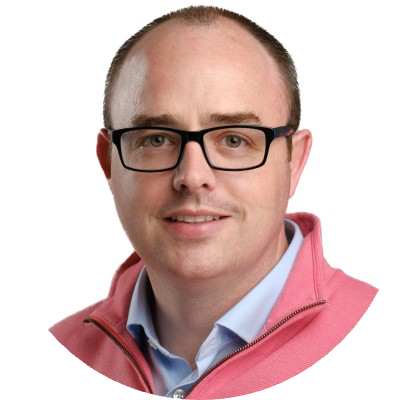
Mike Clements, PhD
SVP Scientific Partnerships & Strategy
Axion BioSystems
Axion BioSystems
Speaker
Mike Clements, PhD
SVP Scientific Partnerships & Strategy
Axion BioSystems
Axion BioSystems
Mike Clements, PhD is Senior Vice President of Scientific Partnerships & Strategy at Axion BioSystems, where he leads initiatives advancing human stem cell-derived models and electrophysiological platforms for drug discovery and toxicology. He earned his PhD in neuropharmacology from the University of Oxford and completed postdoctoral training in both the UK and US. In 2014, he published the first study using the Maestro™ multielectrode array (MEA) platform with hiPSC-derived cardiomyocytes for preclinical cardiac safety assessment, work that later contributed to the FDA-led CiPA initiative. His current work focuses on translational adoption and standardization of hiPSC-based NAMs for cardiac and neurotoxicity assessment.

Robin Pronk, PhD
Co-founder & CSO
BrainZell
BrainZell
Speaker
Robin Pronk, PhD
Co-founder & CSO
BrainZell
BrainZell
Robin Pronk is CSO and co-founder of BrainZell AB, a Stockholm-based company developing human iPSC-derived brain organoid platforms for CNS drug discovery and neurotoxicity testing. His work focuses on translating complex human cell models into scalable, assay-ready systems for pharmaceutical and biotech applications. Robin has led scientific development across Alzheimer’s disease, epilepsy, neuroinflammation, and compound-screening platforms, all implemented as high-throughput organoid assays. His background spans experimental neuroscience, in vivo and in vitro research, diagnostics manufacturing, and new approach methodologies, supporting a practical transition from animal-based testing toward human-relevant models.
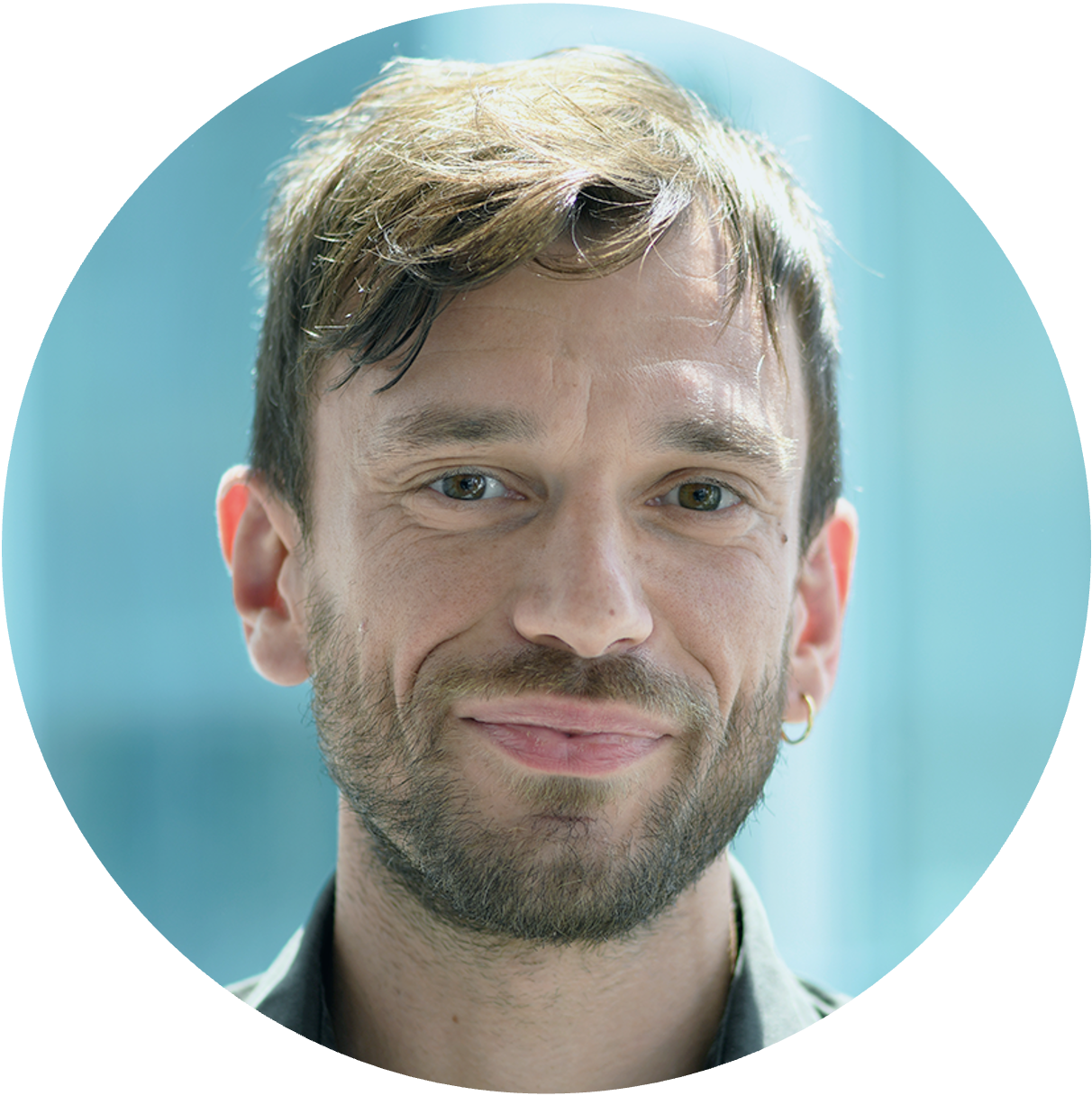
Tom Dufor, PhD
Field Application Scientist
MaxWell Biosystems
MaxWell Biosystems
Speaker
Tom Dufor, PhD
Field Application Scientist
MaxWell Biosystems
MaxWell Biosystems
Tom Dufor, PhD, completed his doctoral training at Sorbonne University (UPMC, Paris), where he studied neural circuit plasticity and neuromodulation of the olivocerebellar pathway. He then joined University College London as a postdoctoral researcher in the Department of Cell and Developmental Biology, investigating synaptic connectivity in health and disease using electrophysiology, cellular biology, and 3D super-resolution microscopy. With expertise in patch clamp and field recordings, Tom transitioned into industry and is now a Field Application Scientist at MaxWell Biosystems, supporting scientists across several countries in integrating the HD-MEA platform into projects spanning disease modelling, pharmacology, neurocomputing, and iPSC-derived neuronal models.
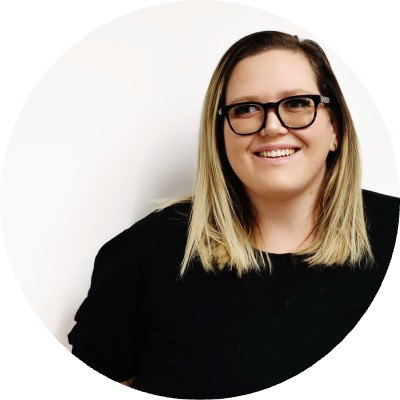
Shannon Crow
Territory Sales Manager
Hamilton Sales and Service UK
Hamilton Sales and Service UK
Speaker
Shannon Crow
Territory Sales Manager
Hamilton Sales and Service UK
Hamilton Sales and Service UK
Shannon Crow is a life sciences professional with extensive experience in laboratory automation, business development, and customer engagement across the UK biotech and pharmaceutical sector. Working with Hamilton Robotics, Shannon partners with leading research organisations to deliver innovative liquid handling and automation solutions. Passionate about building strong relationships and helping laboratories accelerate scientific discovery, Shannon combines technical expertise with a collaborative approach to support customers from concept through to implementation and long-term success.
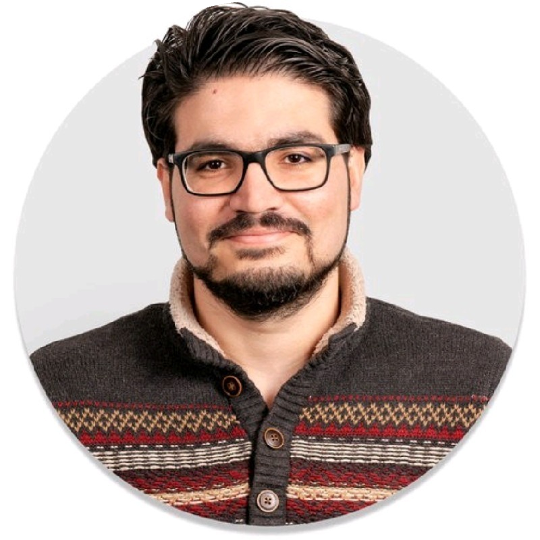
Hamed Ghazizadeh, PhD
Sr. Business Development Manager
Curi Bio Inc.
Curi Bio Inc.
Speaker
Hamed Ghazizadeh, PhD
Sr. Business Development Manager
Curi Bio Inc.
Curi Bio Inc.
Dr. Hamed Ghazizadeh is a scientist and product leader working at the intersection of cellular biomechanics, bioengineering, and drug discovery. He currently serves as the Sr. Business Development Manager at Curi Bio, a Seattle-based biotechnology company developing human-relevant in vitro platforms for 3D engineered muscle and cardiac tissue research. He earned his Ph.D. in bioengineering from the North Carolina A&T State University, where his work focused on cellular biomechanics, mechanotransduction, cytotoxicity, and adipogenesis. In his role, he works closely with pharmaceutical and academic partners across the U.S. and Europe to advance 3D bioengineered tissue platforms that bridge bench discovery and clinical translation.

Aurora Veteleanu, PhD
Scientist
bit.bio
bit.bio
Speaker
Aurora Veteleanu, PhD
Scientist
bit.bio
bit.bio
Aurora is a Scientist at Bit.Bio and has a background in neuroscience and genetics of neurodegenerative diseases. She obtained her BSc degree in Neuroscience from the University of Leeds and completed a PhD in Neuroscience at the Dementia Research Institute Cardiff University.
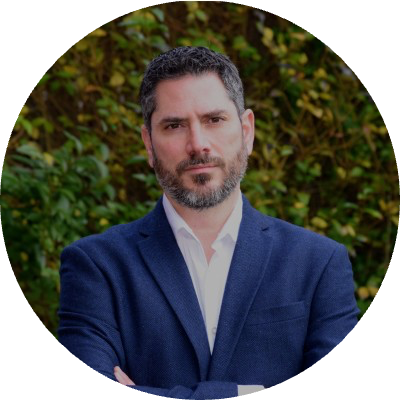
Alex Armesilla, PhD
Senior Portfolio Manager
bit.bio
bit.bio
Speaker
Alex Armesilla, PhD
Senior Portfolio Manager
bit.bio
bit.bio
Dr Alex Armesilla is Senior Portfolio Manager at bit.bio, where he oversees the strategic development of advanced cellular and CRISPR portfolios. He obtained his PhD in Molecular Biology at the University Complutense of Madrid, before undertaking extensive postdoctoral research at the Universities of Oxford, Glasgow, and Edinburgh. Alex later moved into industry, holding key leadership roles at Horizon Discovery, GSK, and Censo/Axol Bio, and most recently served as Senior Director at Resolution Therapeutics. With over 15 years of experience spanning pioneering stem cell and CRISPR strategies to designing complex cell-engineering and functional genomics frameworks, Alex has seen first-hand the transformative power of combining gene editing with scalable iPSC technology to redefine drug discovery and cell therapy.
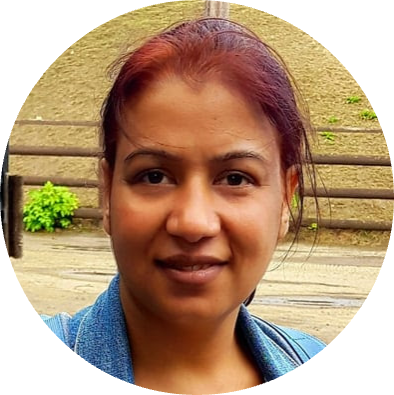
Sabitri Ghimire, PhD
Senior Scientist
bit.bio
bit.bio
Speaker
Sabitri Ghimire, PhD
Senior Scientist
bit.bio
bit.bio
Sabitri is a Senior Scientist at bit.bio and holds a PhD in Stem Cell Biology. Prior to joining the company, she worked on developing iPSC-derived human tissue models at multiple labs across Europe and the UK.
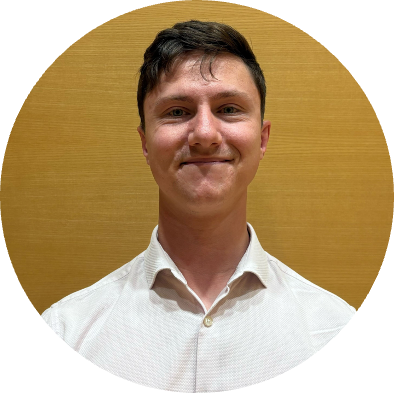
Adam Hill
Scientist
bit.bio
bit.bio
Speaker
Adam Hill
Scientist
bit.bio
bit.bio
The venue
The event will take place at Hinxton Hall Conference Centre, located on the Wellcome Genome Campus near Cambridge.
Hinxton Hall Conference Centre
Wellcome Genome Campus, Hinxton CB10 1RQ
Phone: +44 (0)1223495000
Email: conference.centre@hinxtonhall.org

Travel information
Hinxton Hall Conference Centre is located on the Wellcome Genome Campus, just outside Cambridge.
By Train
The Wellcome Genome Campus is accessible via several nearby train stations:
- Cambridge Station (approx. 20 minutes by car)
- Whittlesford Parkway (approx. 5 minutes by car)
- Great Chesterford (approx. 5 minutes by car)
- Audley End (approx. 15 minutes by car)
All stations are served by direct trains from London, with journey times typically under one hour.
Important:
Whittlesford Parkway and Great Chesterford do not have taxi ranks. If you have not pre-booked a taxi, it is recommended to travel via Cambridge or Audley End.
By Taxi
A taxi is required to reach the Campus from all stations.
Local taxi providers include:
- Panther: +44 (0)1223 715715
- Walden Cars: +44 (0)1799 500500
- South Cambs: +44 (0)1223 834858
- Cam Cab: +44 (0)1223 704704
Pre-booking is strongly recommended, particularly for smaller stations.
By Car
Hinxton Hall is located just off the M11:
-
From the north: Exit at Junction 10, follow the A505, then A1301 towards Saffron Walden
-
From the south: Exit at Junction 9, follow the A1301 towards Cambridge
Follow signs for Wellcome Genome Campus. Satnav: CB10 1SA
Parking:
On-site visitor parking is available. Visitors may be directed to a designated visitor car park on arrival
From Airports
London Stansted Airport (STN):
- ~30 minutes by car
- Train to Cambridge (~30 minutes), then taxi
London Heathrow (LHR) & Gatwick (LGW):
- ~2 hours by car
- Alternatively via London to Cambridge by train, then taxi
London City & Luton:
- ~1 hour by car
By bike
Cycling routes connect the Campus to Cambridge and nearby stations.
-
From Cambridge: ~30 minutes via National Cycle Route 11
-
From Whittlesford Parkway: ~10 minutes
-
From Great Chesterford: ~15 minutes
Secure bike access is available via the Campus entrance.
.png?width=1621&height=1873&name=Group%20bw%20(1).png)