Optimising automated workflows for high-throughput drug discovery in human iPSC-derived cells


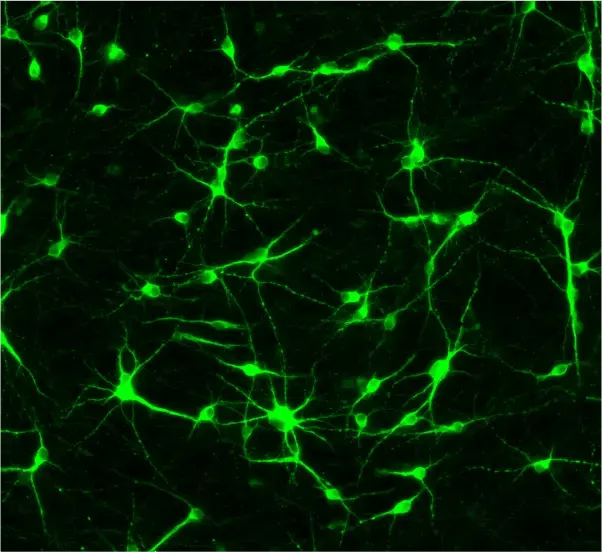
Human iPSC-derived cells offer a more physiologically relevant model for drug screening compared to traditional immortalised cell lines. However, in high-throughput (HT) screening workflows, immortalised models are still widely used due to their compatibility with automation and established scalability.
This webinar focuses on how iPSC-derived cells can be integrated into automated, high-throughput workflows without compromising consistency or assay performance. bit.bio’s automation lead will outline key considerations when transitioning from manual to automated culture, including workflow design, plate format adaptation, and maintaining cell viability and phenotype at scale. Examples from in-house optimisation work will show consistent seeding across HT formats and the application of automated workflows for assays such as cell painting in microglia.
In the second part of the webinar, Hamilton Robotics will provide a brief perspective on enabling reproducible automated cell culture, highlighting how liquid handling platforms support standardisation in high-throughput environments.
The webinar will then conclude with a live Q&A on automating iPSC workflows for high throughput applications.
Key learnings
- How to balance throughput and physiological relevance using human iPSC-derived cells
- Key considerations when transitioning from manual to automated high-throughput workflows
- Practical approaches to maintaining cell viability and phenotype in automated systems
- Examples of optimised workflows for iPSC-derived microglia, including automated cell painting
- The role of automation platforms in improving reproducibility in cell culture