Case study

Surviving the spinal cord injury paradox: One lab’s path to regenerative medicine
Discover how incorporating human iPSC-derived neurons for preclinical target validation can bridge the translational gap and secure crucial funding.
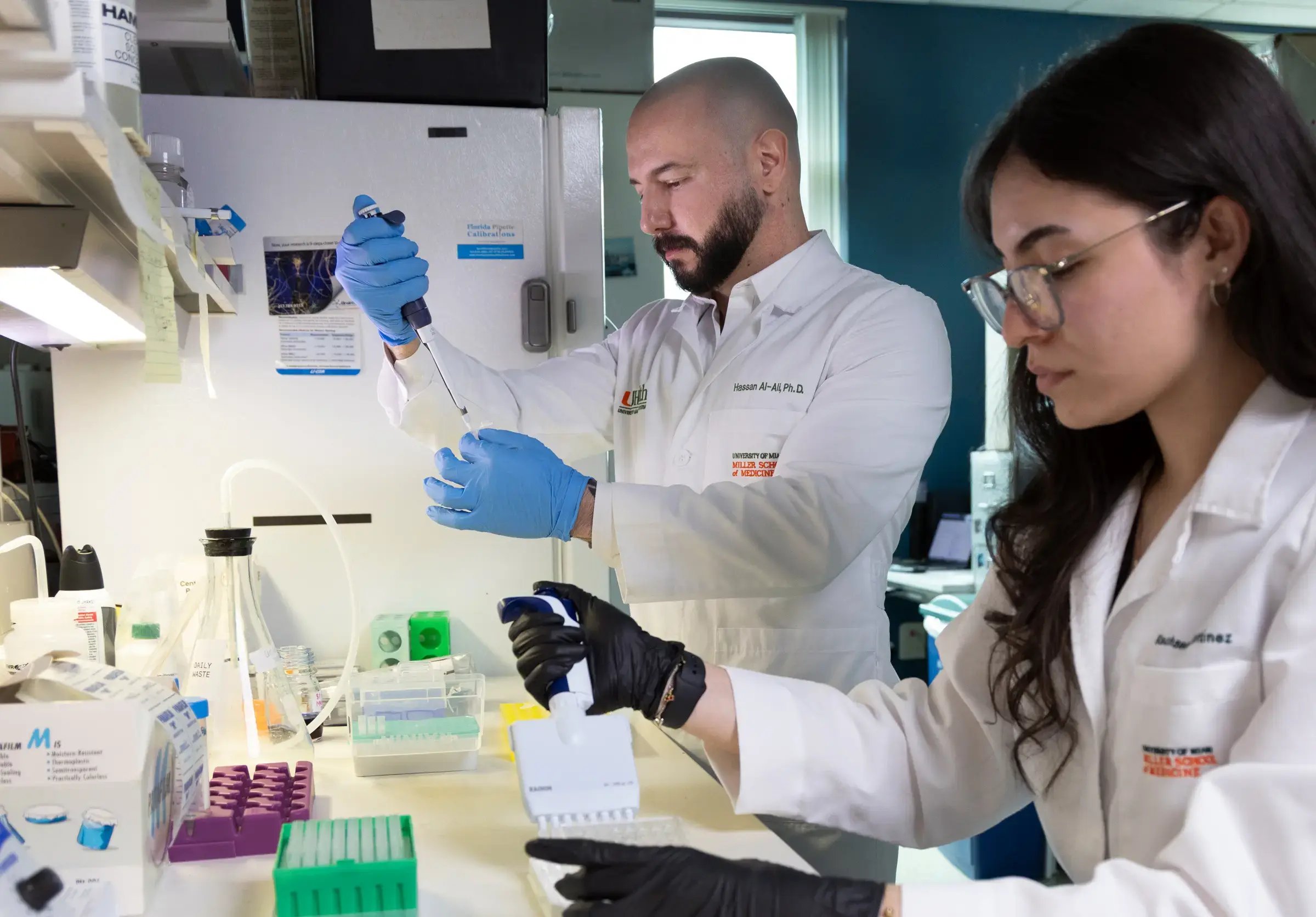
Discover how incorporating human iPSC-derived neurons for preclinical target validation can bridge the translational gap and secure crucial funding.
Read this case study to learn how Dr. Hassan Al Ali and his team at The Miami Project to Cure Paralysis overcame a common preclinical funding paradox. While their spinal cord injury drug target and lead candidates showed promise in rodent models, securing the NIH Blueprint Neurotherapeutics Network (BPN) grant required validation in human cells. By adopting bit.bio's defined, consistent and functional human iPSC-derived ioGlutamatergic Neurons, the lab successfully proved the efficacy of their compounds in a human-relevant system. This critical validation secured "lifeline" funding, allowing the team to bridge the translational gap and advance their lead candidates towards an Investigational New Drug (IND) application.
V1
2026
bit.bio | University of Miami
2026
bit.bio | University of Miami