RNA-sequencing workshop | Top tips for human iPSC-derived cells

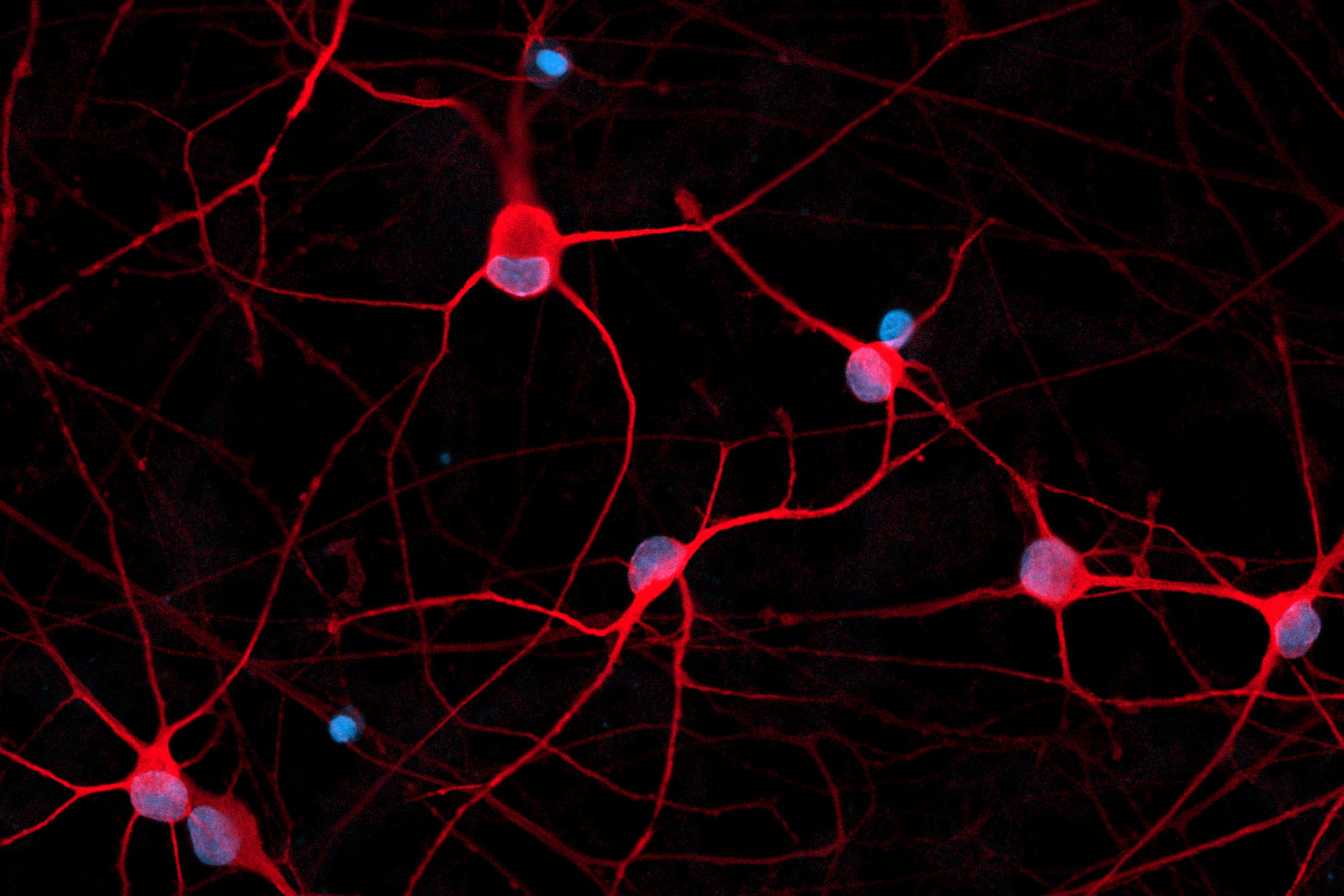
RNA sequencing (RNA-seq) is a powerful tool that can be used to characterise transcriptomic changes in human iPSC-derived cells, enabling researchers to uncover gene expression patterns, identify cell-type-specific signatures, and understand molecular responses in disease models or under experimental perturbations. It is the benchmark approach for mapping gene activity at scale, turning complex biology into quantitative, comparable readouts using common visualisations such as PCA, volcano plots, and heatmaps.
However, RNA-seq experiments require careful planning and execution to ensure data quality and biological relevance. Variables such as cell preparation, RNA integrity, library construction, and normalisation strategy can all affect the outcome and interpretation of results.
In this workshop, our bioinformatics expert will begin by positioning short-read bulk and single-cell RNA-seq side by side: what each measures, where they excel, and how to align the method to your scientific question. We will provide a practical overview of RNA-seq experimental design and analysis tailored for human iPSC-derived cells. We then focus on bulk RNA-seq, the most efficient route to confident, sample-level insight in human iPSC-derived systems. You will see a streamlined, reproducible workflow (nf-core/rnaseq with Salmon) from experimental design through to interpretation, highlighting the choices that materially improve outcomes.
Key learnings
- Understand when bulk vs single-cell RNAseq is appropriate: main benefits and caveats of each
- Assess data quality and gene expression changes with common visualisations such as PCA, volcano plots, and heatmaps
- Run a reproducible pipeline with nf-core/rnaseq: quality control through to quantification
- Choose counts vs transcripts per million
- How to perform a differential expression analysis using DESeq2
- See real examples of how transcriptomics is used at bit.bio: benchmarking ioWild Type Cells to industry standards & ensuring manufacturing consistency across our batches
For accessing webinar, please fill out the form below.